Monterey Bay Dominates Loudoun United 4-1 at Cardinale Stadium
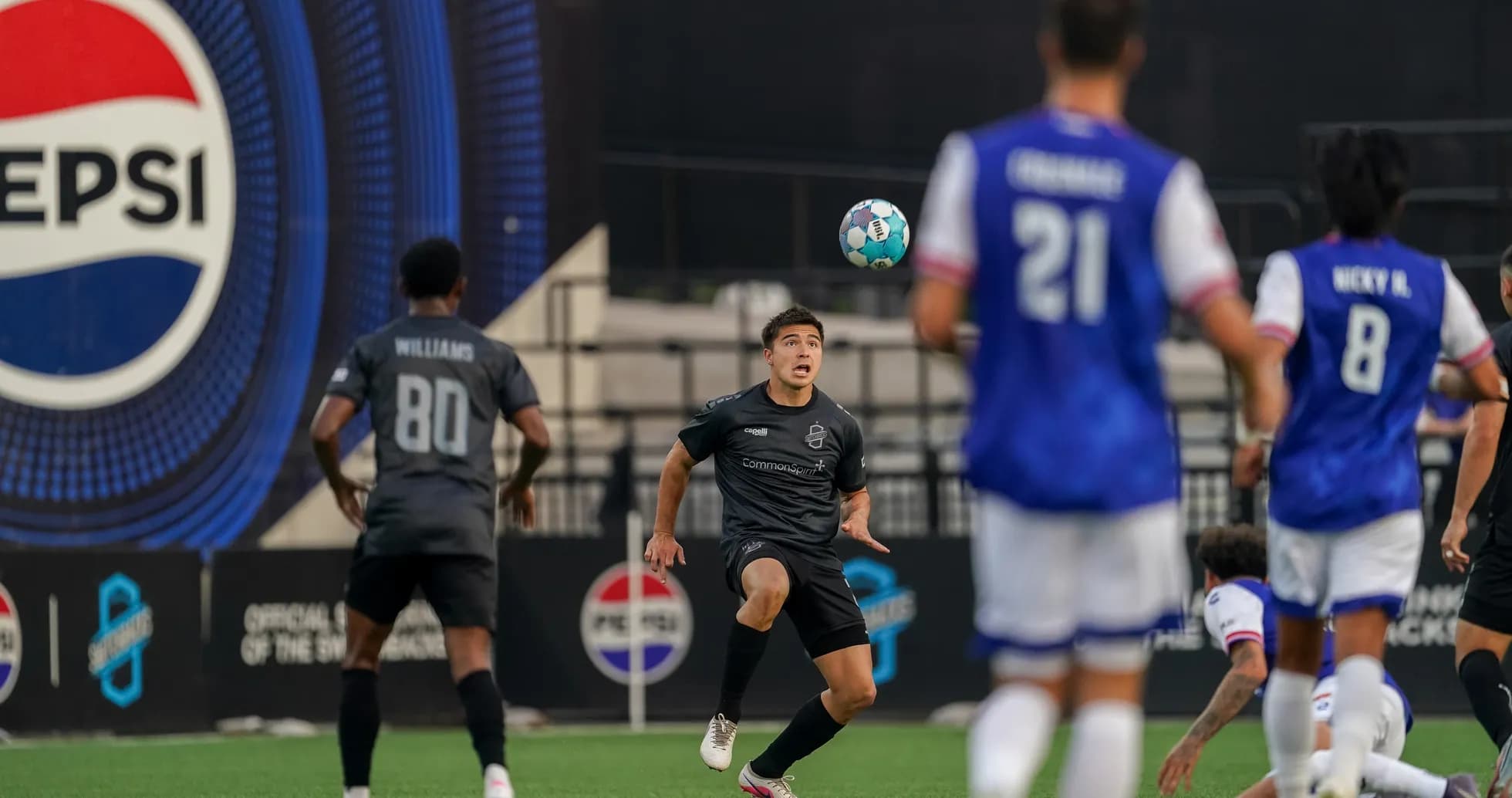
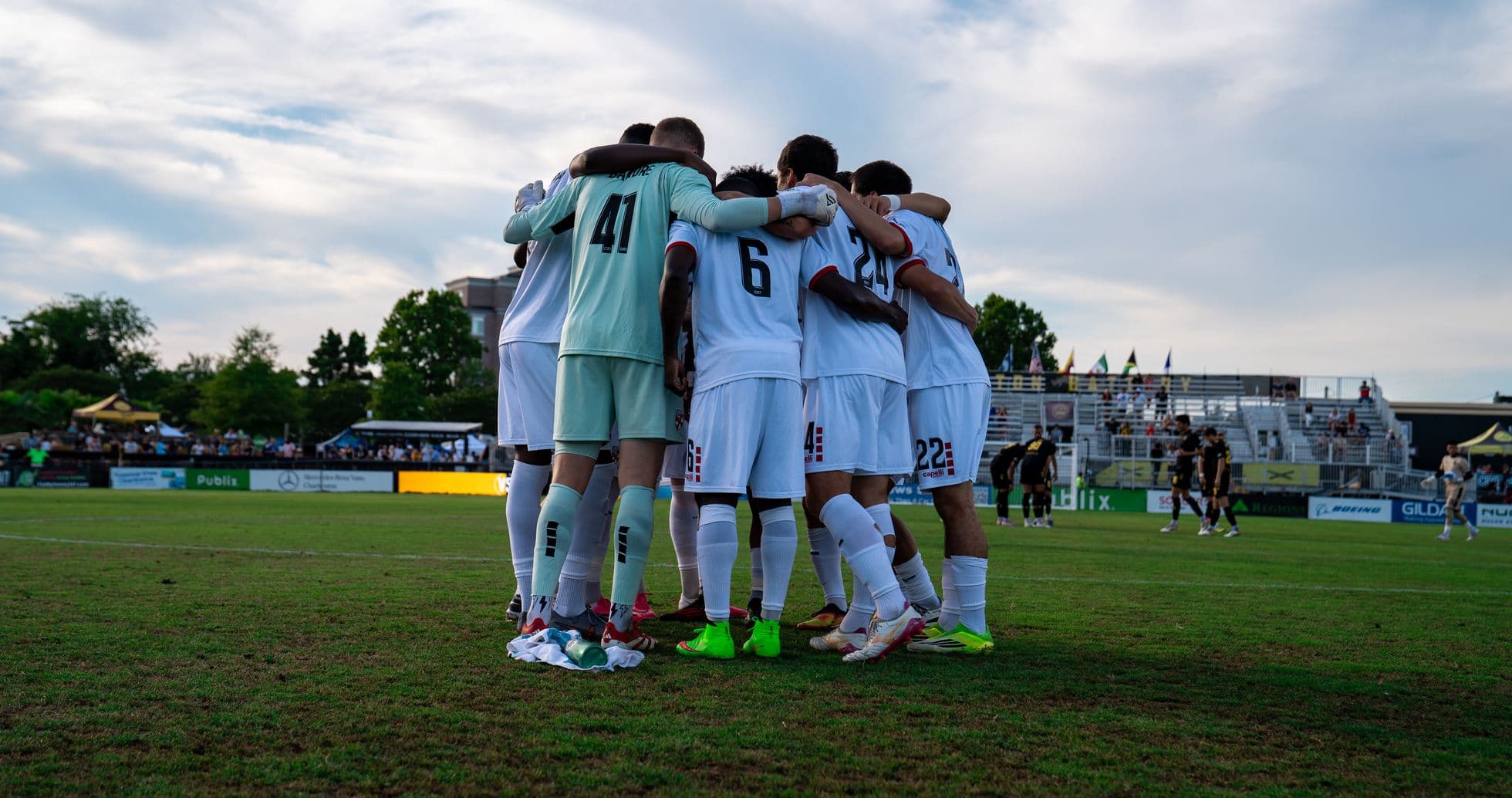
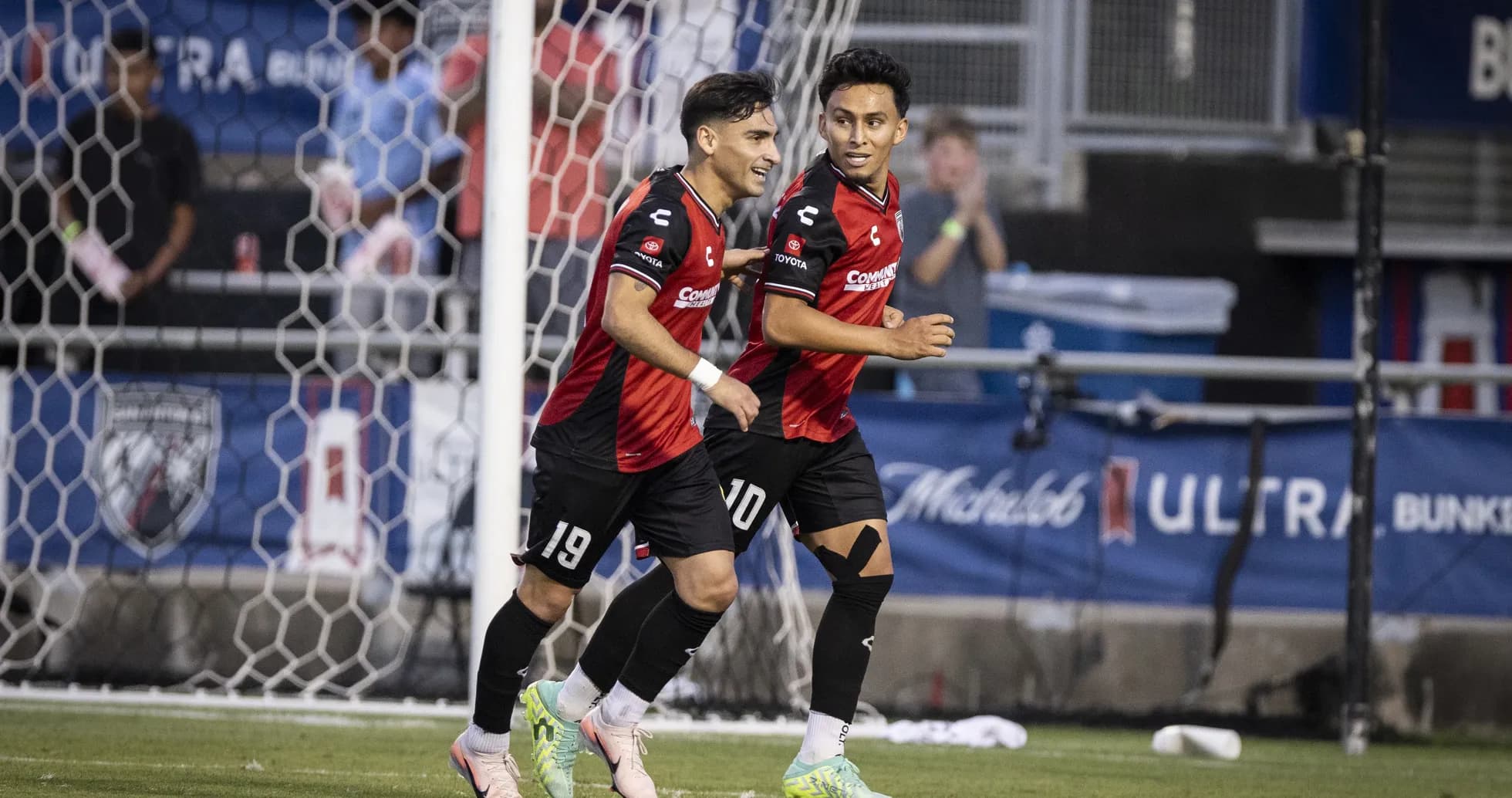
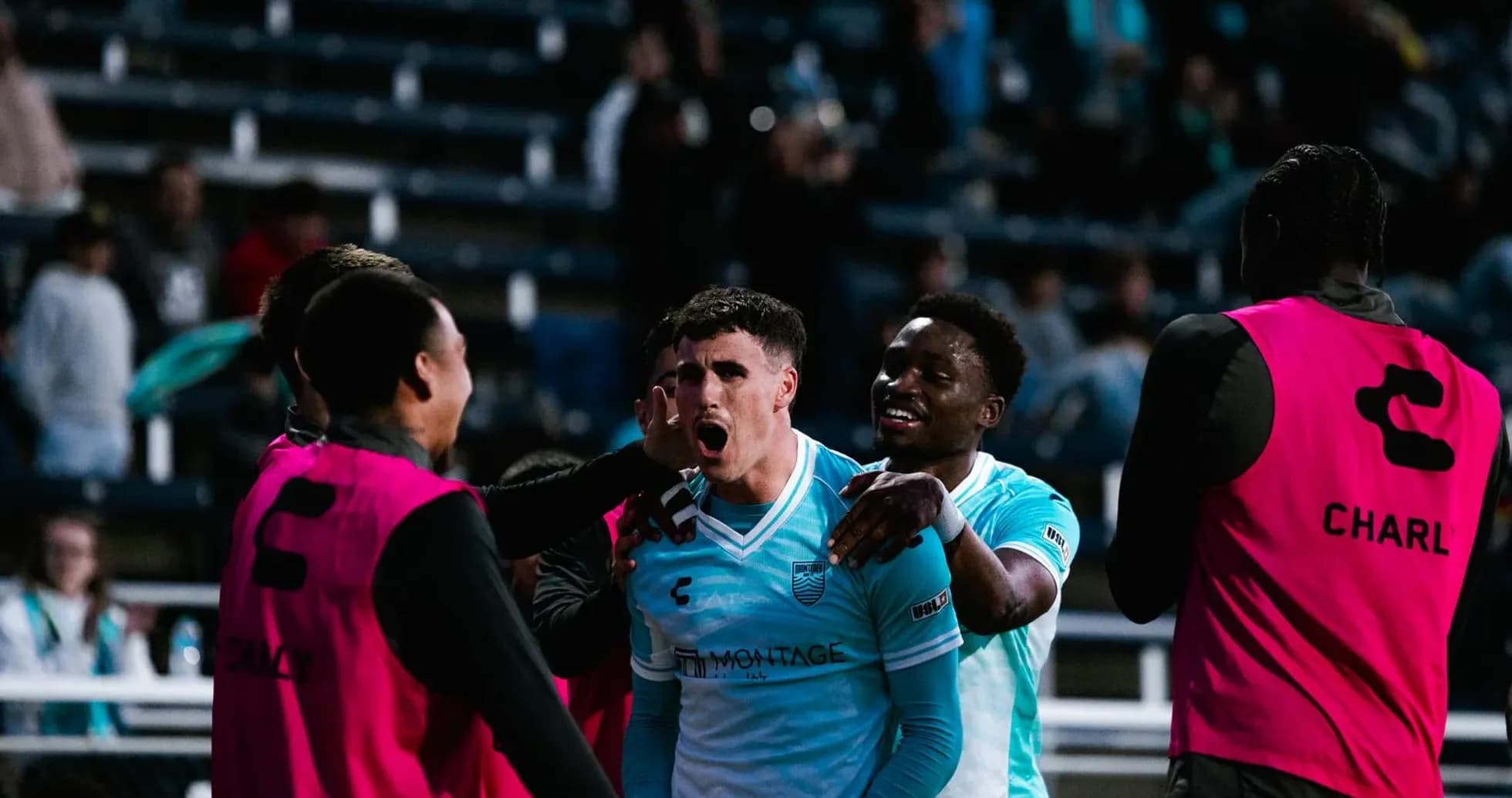
Under the lights at Cardinale Stadium, Monterey Bay finally played like a side determined to rewrite its season’s script. In a USL Championship Group Stage meeting that pitted 12th against 11th in the USL 1 conference, the hosts overwhelmed Loudoun United 4-1, a scoreline that felt as much like a statement as a result. Following this result, it is impossible to separate the emphatic performance from the broader seasonal context: two teams with negative goal differences and fragile identities, one of them suddenly discovering a ruthless edge at home.
Heading into this game, Monterey Bay’s numbers painted a bleak picture. Overall they had played 11 matches with just 2 wins, 2 draws, and 7 defeats, scoring 11 and conceding 19 for a goal difference of -8. At home they were more competitive – 2 wins, 1 draw, 3 losses, with 7 goals for and 7 against – but still searching for a defining performance. Loudoun arrived slightly better placed, 11th with 9 points from 10 games, but their own overall goal difference of -5 (12 scored, 17 conceded) underlined a team that rarely killed games off. This fixture, then, was less about league position and more about which squad could impose its identity under pressure.
Jordan Stewart’s Monterey Bay selection hinted at continuity and trust rather than experimentation. J. Jackson anchored the side with the number 98 shirt, protected by a defensive unit featuring J. Garcia, N. Gordon, Z. Farnsworth, and O. Glasgow. In front of them, the spine of W. Leggett, N. Ross, and R. Nakamura provided the platform for creativity. The technical heartbeat was S. Lletget in the 88 shirt, linking midfield to a forward line spearheaded by R. Bidois and the industrious I. Paul.
Stewart’s bench offered versatility rather than star power. F. Delgado provided goalkeeping cover, while L. Malesevic and K. Egwu were natural candidates to reinforce or reshape the defensive line. In midfield, G. Lomtadze and E. Blancas gave options to adjust the tempo, and in the attacking lanes, A. Rebollar, C. Nadje, and D. Carbajal were poised to stretch a tiring Loudoun back line.
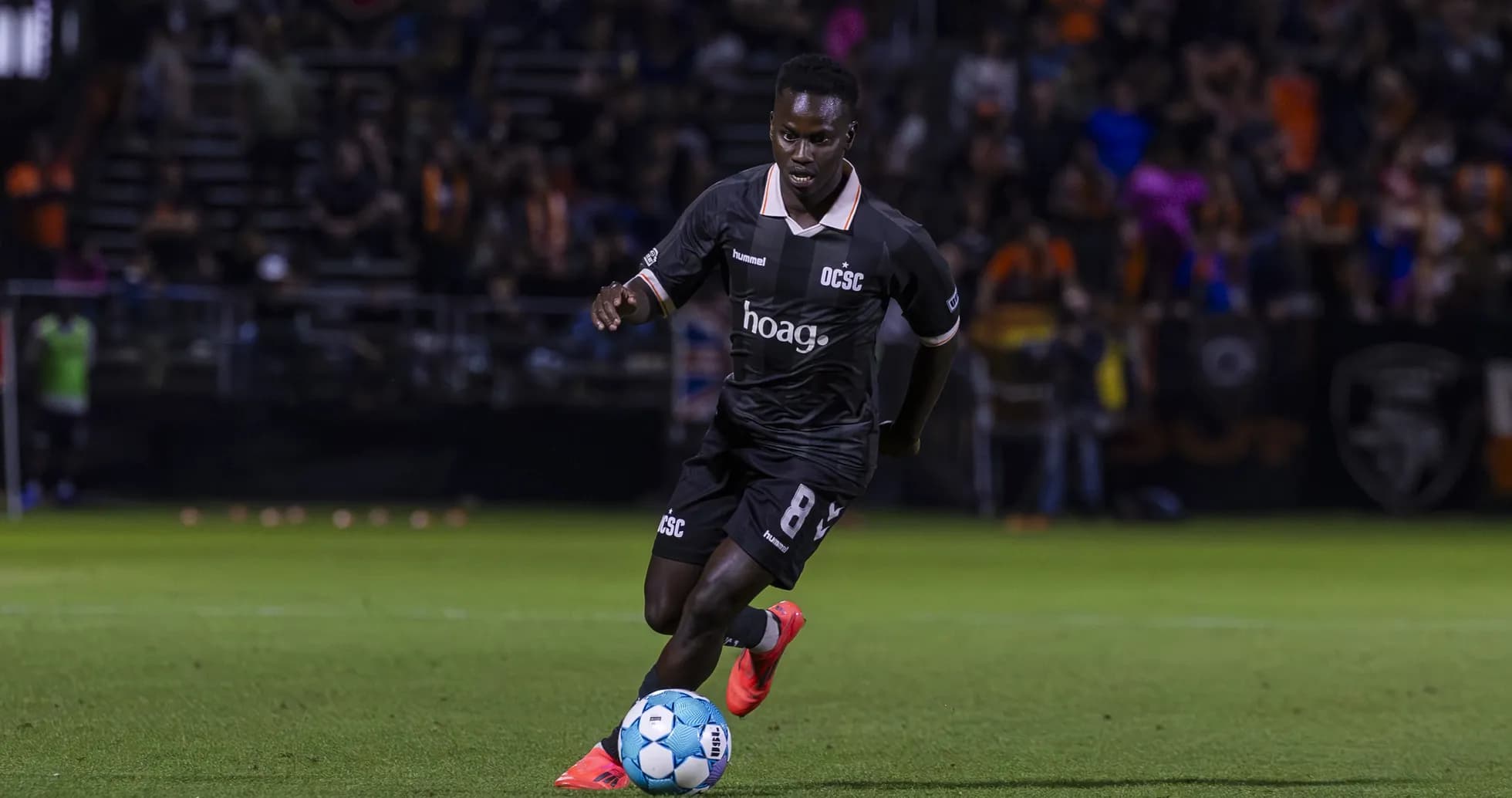
Across from them, Anthony Limbrick’s Loudoun United arrived with a profile that has become familiar: hard to beat, but rarely dominant. E. Bandre started in goal behind a defensive core of N. Adnan, A. Essengue, S. Mazzaferro, and K. Awuah. The midfield triangle of L. Piras, J. Murphy, and B. Akinyode was built for control and second balls, with R. Aman and P. Santos supporting central striker T. Ulfarsson.
On the bench, Loudoun had a mix of youth and impact substitutes: L. Herrera-Rauda and C. Torres to adjust the defensive structure, A. Aboukoura and J. Panayotou as creative sparks, and A. Ordonez plus J. Erlandson as alternative profiles up front. It was a squad designed to manage tight margins, consistent with a team that had drawn 6 of its 10 matches heading into this fixture.
The tactical voids in this contest were less about absentees – with no formal missing list provided – and more about discipline and game management. Monterey Bay’s season-long card profile shows a pronounced late-game edge: 27.27% of their yellow cards arrive between 61-75 minutes, and another 24.24% between 76-90. That pattern suggests a side that plays on the edge as fatigue and pressure mount. They also carry a single red card this season, shown in the 61-75 minute window, underlining how quickly that aggression can spill over.
Loudoun’s disciplinary map is even more telling. A massive 36.67% of their yellow cards arrive between 76-90 minutes, with another 26.67% between 46-60. This is a team that struggles to stay composed as the game stretches, a vulnerability that was brutally exposed in a match where they needed calm, not chaos, after falling behind early.
The “Hunter vs Shield” matchup in this tie was less about individual stars – with no official top scorers list available – and more about collective trends. Monterey Bay, at home, had been averaging 1.2 goals for and 1.2 against heading into this game, a picture of balance but not dominance. Loudoun, on their travels, were managing only 0.8 goals for and conceding 1.8 away, a fragile attacking return that left little margin for error. When Monterey Bay surged to a 2-0 lead by half-time, that statistical fragility was laid bare.
In the “Engine Room,” the battle between Monterey Bay’s midfield trio and Loudoun’s central block was decisive. Players like W. Leggett and N. Ross gave Stewart the physicality and range to protect transitions, freeing S. Lletget to find pockets between the lines. On the other side, B. Akinyode and J. Murphy were tasked with screening and recycling, but as Monterey Bay’s confidence grew, Loudoun’s midfield was forced ever deeper, cutting supply to T. Ulfarsson and isolating the forward line.
From a statistical prognosis standpoint, the result aligns more with underlying trends than it first appears. Monterey Bay’s biggest home win this season was already a 4-1 scoreline, and they reproduced that exact margin here, suggesting that when their attacking structure clicks at Cardinale Stadium, they can overwhelm opponents. Their overall average of 1.0 goals for and 1.7 against is still a concern, but nights like this show their ceiling is far higher than their table rank suggests.
Loudoun, meanwhile, remain a side that lives on the knife-edge of narrow margins. On their travels they had one away win (a 0-1) but also a damaging 4-1 defeat; this match echoes that worst-case scenario. Their overall averages – 1.2 goals for and 1.7 against – point to a team that concedes too many to lean on their cautious, draw-heavy approach. Even with a perfect penalty record this season (2 scored from 2, no misses), they cannot rely on spot-kicks to rescue games when defensive structure collapses.
Following this result, the tactical lesson is clear. Monterey Bay’s squad, from Jackson at the back through to Bidois and Paul up front, has the tools to be far more than a struggling 12th-place side if they can bottle this intensity at Cardinale Stadium. Loudoun United, for all their resilience, must address their late-game discipline and away defensive frailty if they are to climb out of the congested middle of USL 1.