Liverpool's Curtis Jones Faces Uncertain Future Amidst Midfield Market Shift
Manchester City have just detonated the midfield market. The numbers say it all.
On Thursday evening, City agreed a deal with Nottingham Forest to sign Elliot Anderson for a staggering £116m, according to the BBC. It is a club-record fee for the Premier League champions, the highest sum ever paid for a midfielder and a new benchmark for a British footballer.
This is not a routine big-club splurge. It’s a statement, a reset of the going rate for elite, homegrown midfield talent.
Anderson, at 23, already looks like a midfielder built for the very top. Dynamic, technically sharp, with years ahead of him, he fits every modern metric of a player who can dominate the centre of the pitch for the next decade. In that context, the nine-figure outlay makes footballing sense for City, even if the headline figure still makes you blink.
But the shockwaves from that deal travel quickly up the M62.
At Liverpool, the spotlight falls uncomfortably on Curtis Jones and the strategy surrounding him. The 25-year-old Scouser has just a year left on his contract. Talks over a new deal have not produced an agreement, and the club are edging towards a sale.
The mooted price? Around £35m.
Set that against Anderson’s £116m move and the contrast is jarring. No one is claiming Jones should command the same fee, but the gap exposes a deeper issue: Liverpool are on the verge of cashing in a high-level English midfielder at a price that looks wildly out of sync with the current market.
Jones is older, yes. His contract situation weakens Liverpool’s hand, yes. But he is a homegrown, Premier League-proven midfielder with significant upside and experience at one of Europe’s biggest clubs. In a market that has just seen Anderson hit £116m, the idea that Jones tops out at £35m feels drastically out of step.
There is a player worth far more than that figure. That is the heart of the frustration.
The Anderson deal underlines that elite English midfielders are a premium asset. Clubs will pay, heavily, for the right profile. Against that backdrop, Liverpool’s stance on Jones looks alarmingly passive. Allowing a player of that calibre and status to reach the final year of his contract, then entertaining a cut-price exit, raises serious questions about the planning in place.
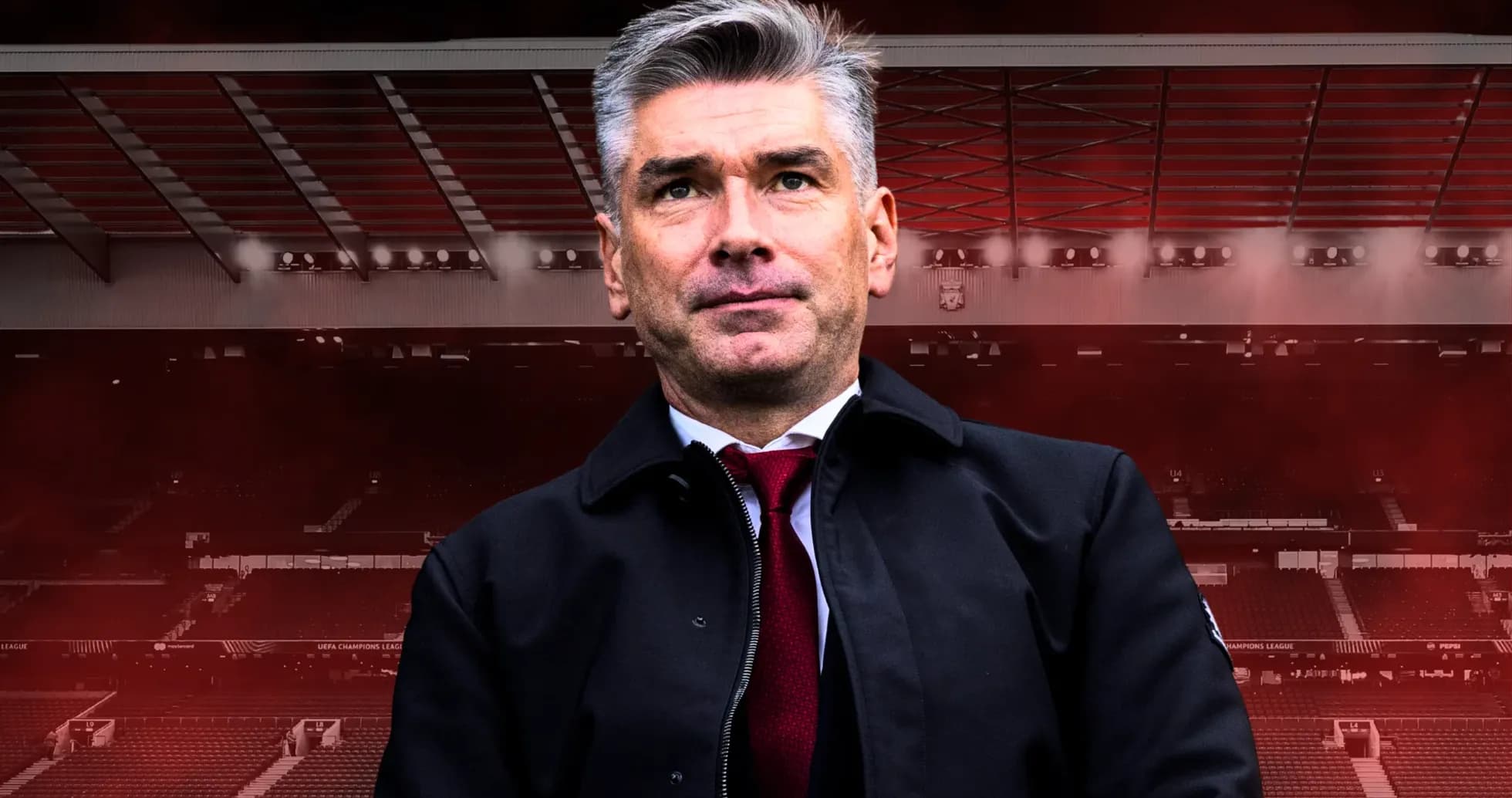
Richard Hughes, the club’s new sporting decision-maker, finds himself at the centre of that scrutiny. The logic is hard to trace: why accept a fee in the £35m bracket for a player who, in this inflated market, could reasonably be valued at something far closer to the top end of the scale if properly secured on a long-term deal?
The reality is stark. Liverpool are on course to lose an asset who, in this climate, could easily be worth around €90m for a fraction of that value. It is not just a bad look. It borders on mismanagement.
This is the kind of decision that echoes through a season and beyond. Lose Jones cheaply and Liverpool not only weaken their squad depth, they also surrender a rare commodity without extracting anything close to full value.
There is still time to change course. A renewed push to tie Jones down, a recalibration of his valuation, a firmer stance in negotiations – all of that remains possible.
If Liverpool do not act, though, they risk watching one of the worst-value departures of the summer unfold on their own doorstep, just as the rest of the market is loudly reminding them what a top English midfielder is really worth.