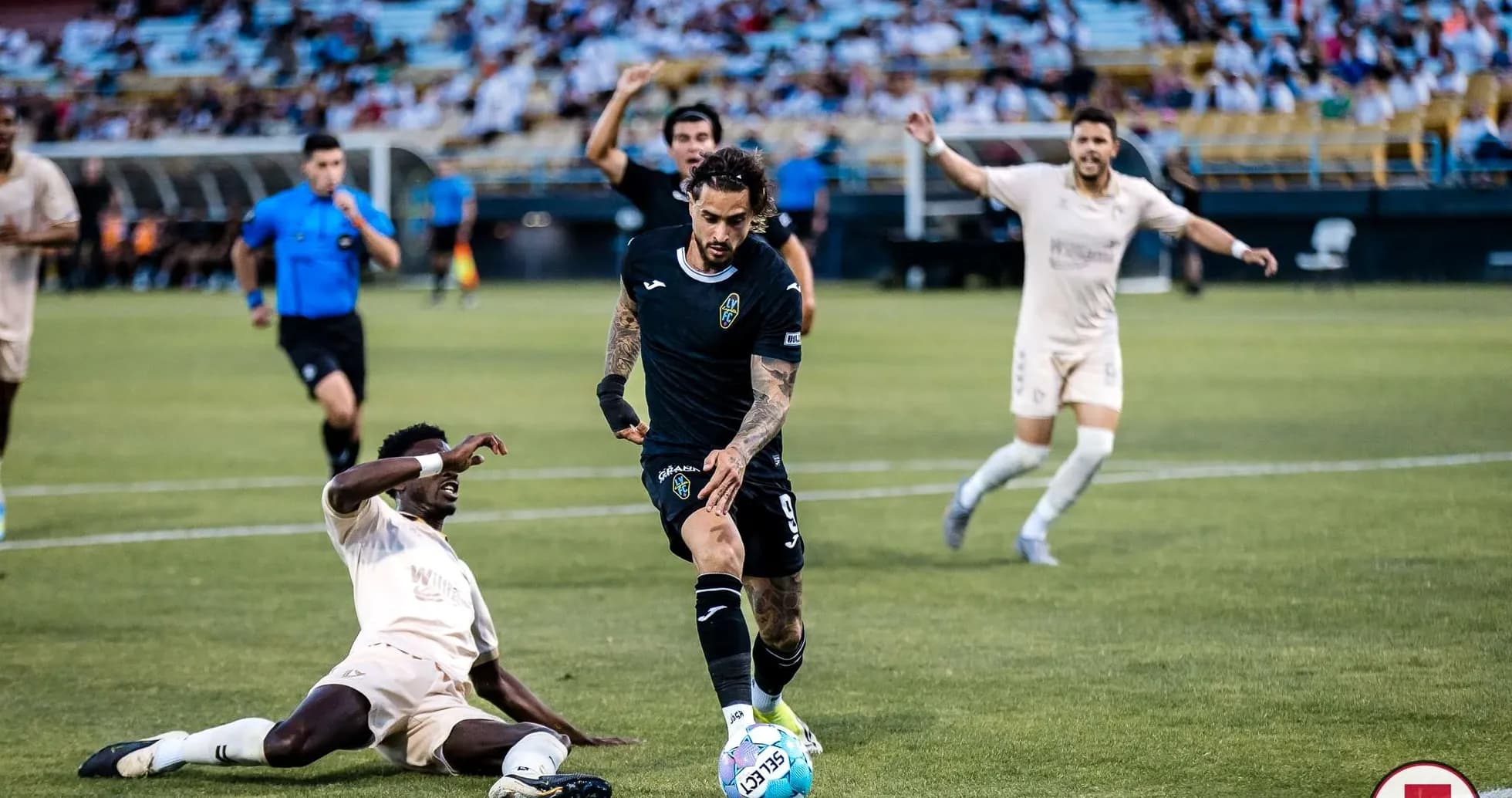
Las Vegas Lights vs FC Tulsa: A Tactical Stalemate
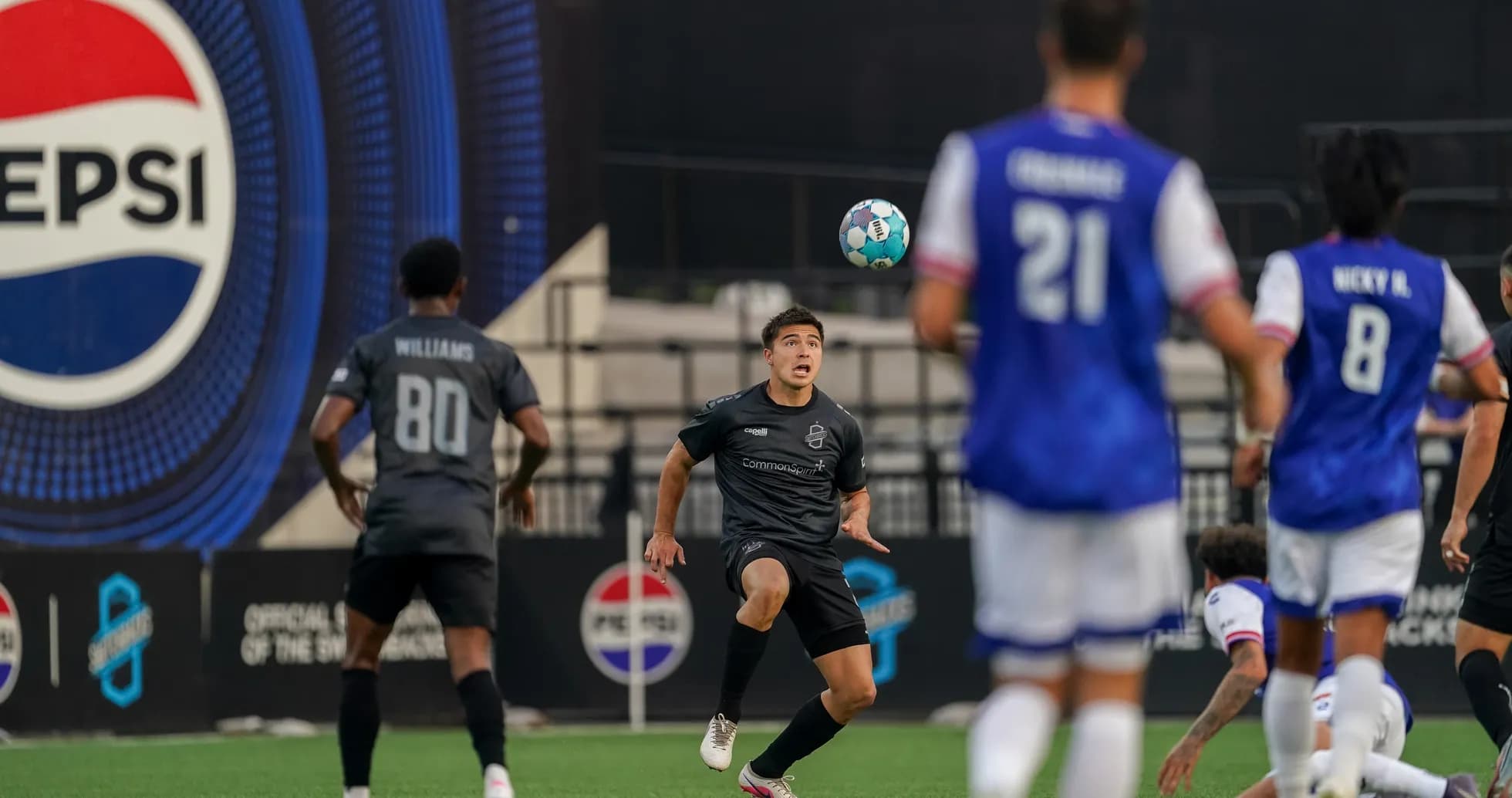
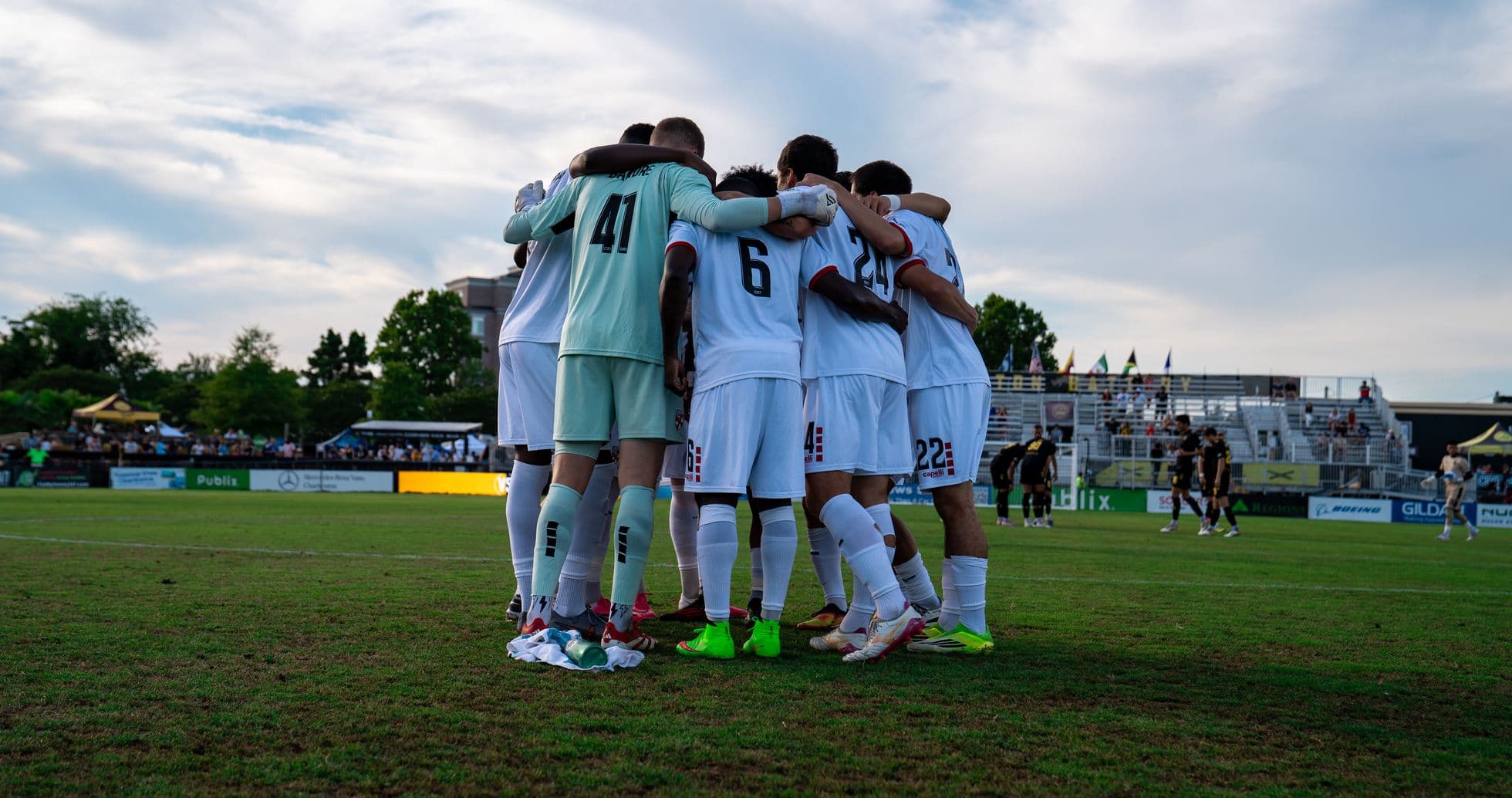
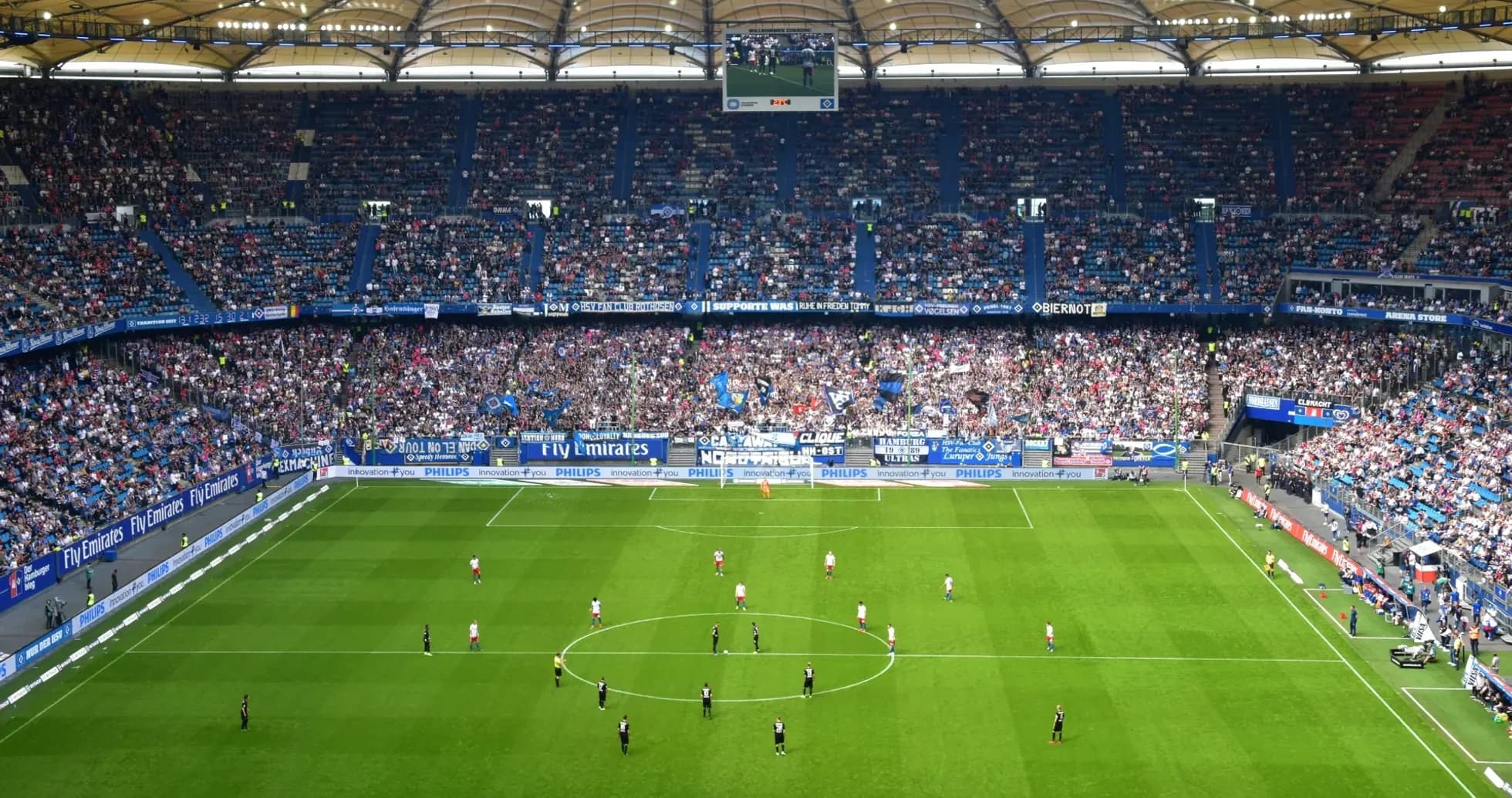
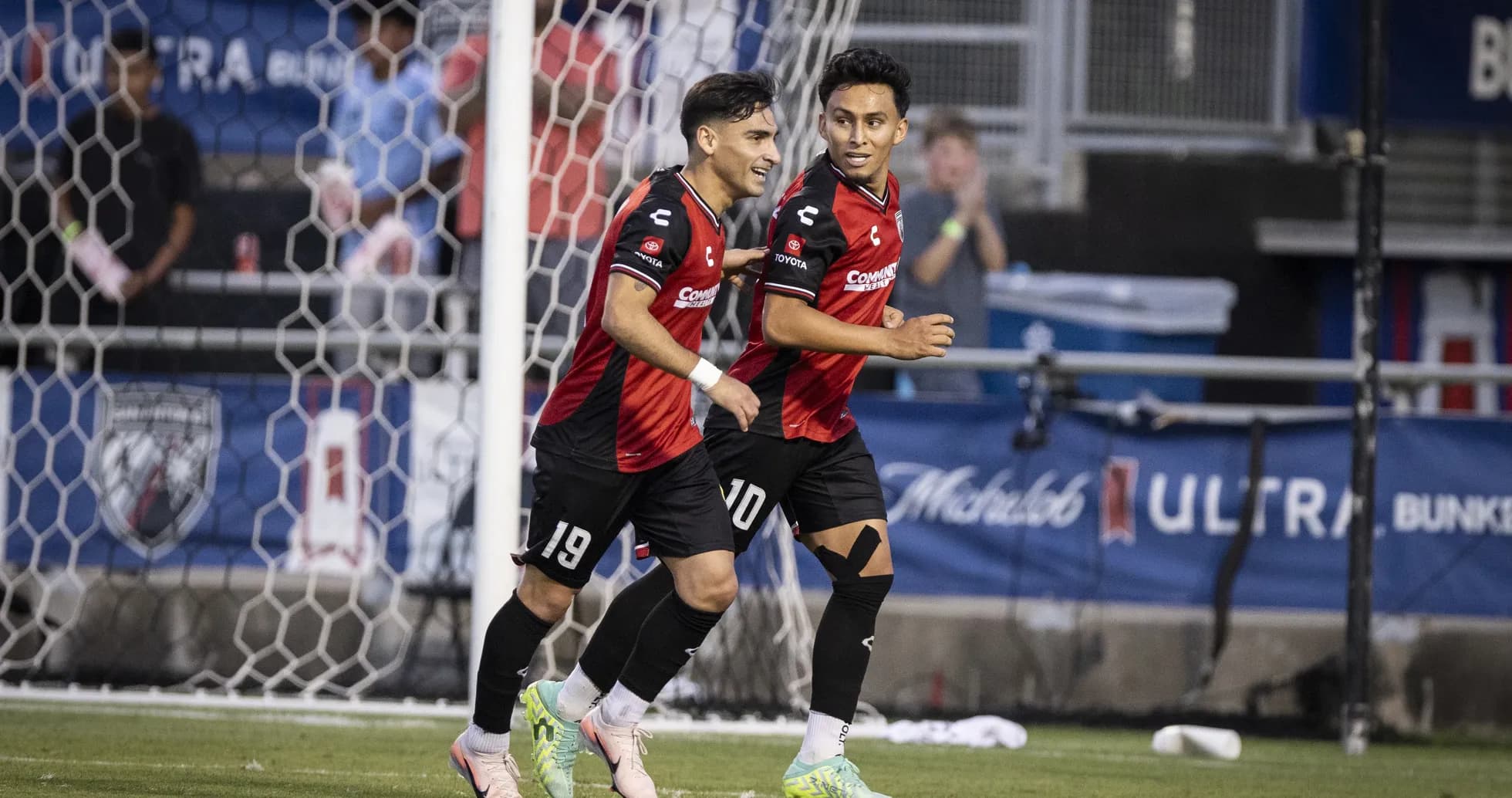
Under the desert lights of Cashman Field, Las Vegas Lights and FC Tulsa met in a Group Stage fixture that felt like a clash of identities as much as a meeting of league positions. Following this result, the table still shows Las Vegas in 11th on 12 points and Tulsa in 3rd with 16, but the 0–0 scoreline told its own, more nuanced story of a home side clinging to its fortress persona and a promotion-chasing visitor forced into patience rather than panache.
I. The Big Picture – Contrasting seasonal DNA
Las Vegas arrived with one of the most extreme home/away splits in the USL Championship. Overall this campaign they have taken 3 wins, 3 draws and 5 defeats from 11 matches, scoring 16 and conceding 19 for a goal difference of -3. But that overall profile hides a stark duality. At home they are unbeaten: 5 played, 3 wins, 2 draws, 0 losses, with just 2 goals conceded and 6 scored. The numbers are clear: at home they average 1.2 goals for and only 0.4 against, backed by 3 clean sheets in 5.
On their travels, it is a different team: 6 away games, no wins, 1 draw, 5 defeats, 10 scored but 17 conceded, an away average of 1.7 goals for and 2.8 against. The Lights’ overall form line of DLLWLDLWLWD underlines their volatility, but inside Cashman Field they have carved out a defensive identity that this stalemate only reinforced.
Tulsa, by contrast, have built their season on balance and control. Overall they have 4 wins, 4 draws and 2 defeats from 10 matches, with 13 goals scored and 9 conceded, a goal difference of +4. At home they average 1.2 goals for and 0.8 against; away, 1.4 for and 1.0 against. That symmetry is echoed in their form string LDWDLDWWWD: a side that rarely collapses, edges games on margins, and has already stitched together a 3-match winning streak this campaign.
Against that backdrop, a 0–0 in Las Vegas feels less like a missed opportunity and more like the logical meeting point of a home fortress and an away side built on measured risk.
II. Tactical Voids and Disciplinary Undercurrents
With no official list of absentees, both coaches leaned heavily on their established cores. Devin Rensing entrusted the spine of Las Vegas to goalkeeper M. Stajduhar and the defensive triangle of B. Pope, N. Jones and A. Guillen, with T. Antonoglou offering balance on the flank. In front of them, the central band of M. Ybarra and K. Scott, supported by the energetic O. Anderson and the creative touches of C. Pinzon and J. Rodriguez, sought to feed the penalty-box instincts of M. Arteaga.
Luke Spencer’s FC Tulsa mirrored that structural solidity. A. Tambakis provided authority in goal, screened by a back line featuring L. Stauffer, Ian, A. Clarke and L. Batista. In midfield, the blend of G. Robinson’s industry, B. Sparks’ vertical running, and the intelligence of J. Webber and J. Kocevski created a platform for the more advanced Bruno Lapa and the forward presence of N. Pierre.
Disciplinary patterns across the season hinted at a match that could easily tilt into attrition. Heading into this game, Las Vegas’ yellow cards were spread with a late-game surge: 20.00% between 16–30 minutes, another 20.00% from 31–45, 20.00% between 61–75, and 20.00% in the 76–90 window, with an additional 15.00% in 91–105. They also had a single red card this campaign, shown in the 76–90 range, underlining how emotional their late phases can become.
Tulsa’s bookings were similarly back-loaded: 25.00% of their yellows came in minutes 61–75, 21.43% in 76–90, and 17.86% in both 16–30 and 46–60. This statistical backdrop framed a contest in which both midfields had to walk a disciplinary tightrope as intensity rose after the hour mark.
III. Key Matchups – Hunter vs Shield, Engine Room vs Enforcer
Without explicit top-scorer data, the “Hunter vs Shield” narrative focused on profiles rather than raw tallies. For Las Vegas, the primary threat was always likely to be M. Arteaga, supported by the creative lanes carved by C. Pinzon and the vertical runs of O. Anderson. Their task: find cracks in a Tulsa defence that, away from home, had conceded only 5 goals in 5 matches, an average of 1.0 per game, and kept 1 clean sheet on their travels.
The “Shield” in this duel was the cohesive Tulsa back four, but also the collective defensive structure that has limited opponents to 9 goals in 10 matches overall, just 0.9 per game. With A. Tambakis commanding his box and the full-backs L. Stauffer and L. Batista careful about when to release forward, Tulsa were well-equipped to absorb Las Vegas’ intermittent surges.
In the “Engine Room” matchup, the duel between the Lights’ central operators and Tulsa’s midfield unit was decisive. M. Ybarra and K. Scott, tasked with screening the back line and initiating transitions, had to disrupt the rhythm of J. Webber and J. Kocevski, who are central to Tulsa’s ball circulation. Bruno Lapa, floating between the lines, represented Tulsa’s most likely conduit into dangerous pockets; containing his influence was critical to preserving Las Vegas’ remarkable home defensive record.
On the other side, G. Robinson’s work rate and B. Sparks’ aggression offered Tulsa the “enforcer” edge. Their willingness to press and to accept bookings in the middle third aligned with Tulsa’s season-long card distribution, where the bulk of yellows cluster between 16 and 90 minutes. The fact that this match finished goalless suggests that, on the night, the enforcers slightly outshone the creators.
IV. Statistical Prognosis – xG, margins and what this result says
While explicit xG numbers are absent, the season data allows a reasonable inference. Las Vegas, at home, average 1.2 goals for and 0.4 against. Tulsa, away, average 1.4 for and 1.0 against. Overlaying those profiles, a pre-match model would likely have projected a narrow, low-scoring contest, something in the corridor of 1–1, with Tulsa’s overall solidity balanced by Las Vegas’ home resilience.
Following this result, the defensive narratives of both sides are reinforced. Las Vegas now have a fourth clean sheet overall and continue to concede at a rate far below their overall 1.7 goals against per match when playing at Cashman Field. Tulsa, for their part, maintain an away profile consistent with their 1.0 goals against average, proving again that their promotion push is built on control and risk management rather than chaos.
Tactically, this 0–0 reads as a night where both coaches’ primary plans succeeded: Rensing protected his fortress and extended an unbeaten home run; Spencer extracted a point from a hostile venue without compromising his defensive metrics. The margins were always likely to be fine. In the end, the numbers and the narrative aligned: a tense, disciplined stalemate between a home side defined by its defensive home split and an away contender built on quiet, calculated solidity.