Klopp's Controversial Comment Sparks Debate in Germany
Germany had just smashed seven past Curacao. The World Cup campaign had lifted off in style. Yet the loudest noise around the national team came not from the pitch in North America, but from a TV studio and a single, careless word.
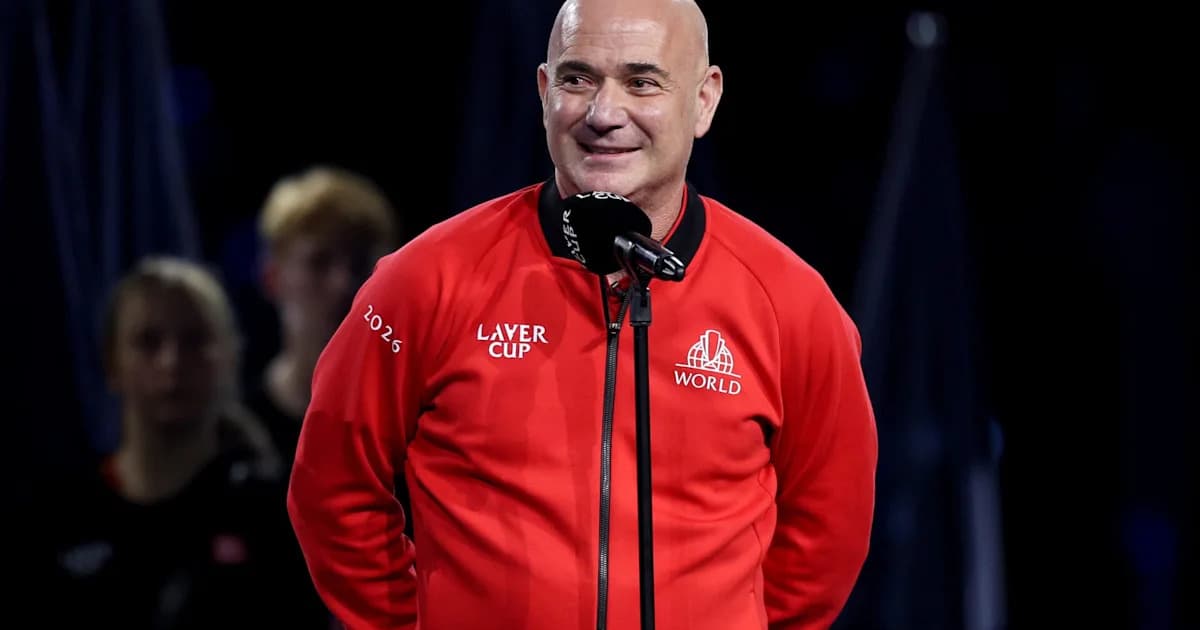
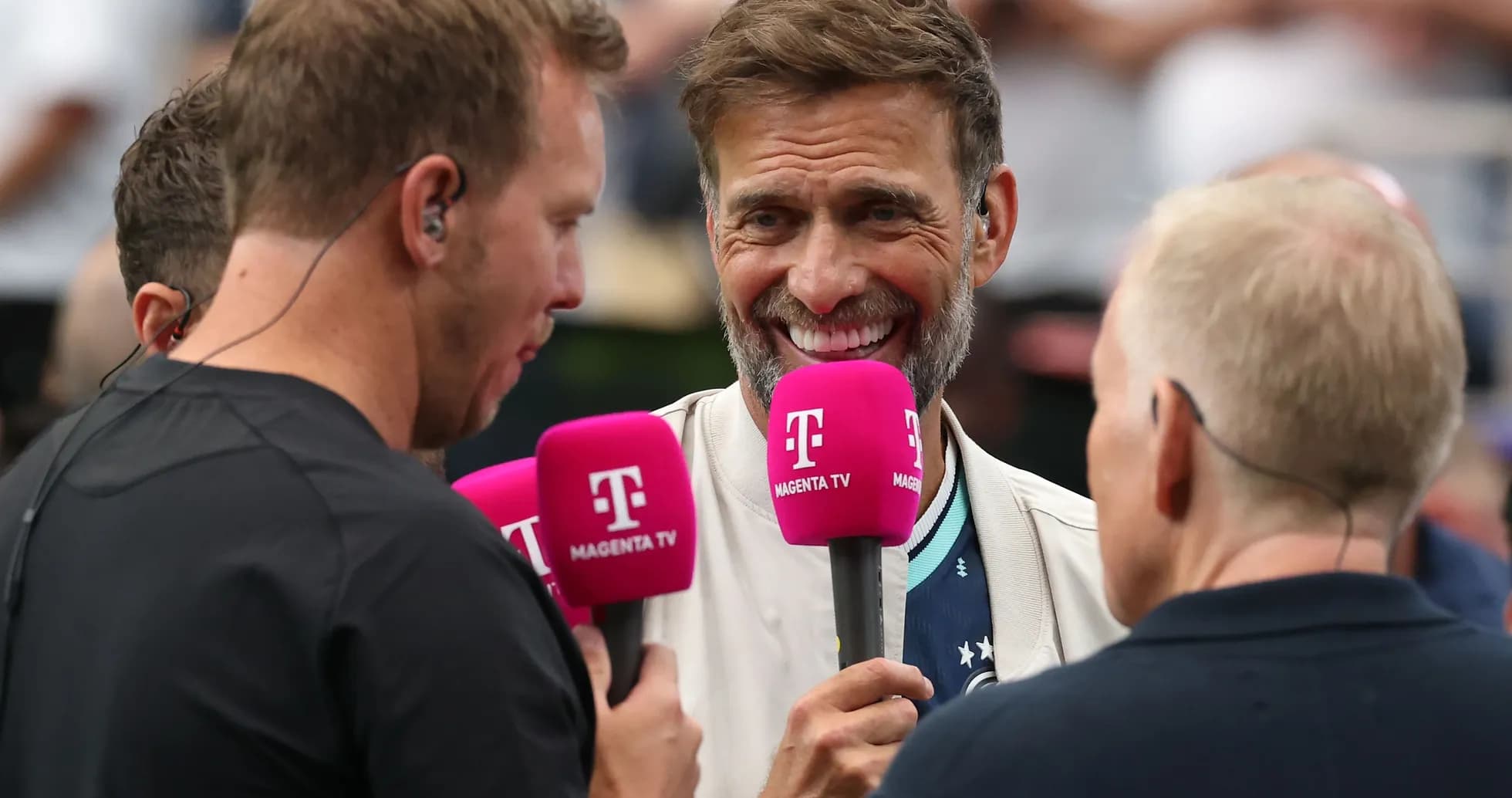
Jürgen Klopp, sitting alongside Thomas Müller as a pundit for MagentaTV, was in full flow during the build-up to Germany’s opener. Talk turned to line-ups, to choices, to authority. Then came the line that set off the debate.
“Luckily, Julian Nagelsmann is still picking the team.”
That “still” landed like a grenade.
In a country already buzzing with speculation that Klopp could one day take over the national side, the implication felt obvious to many viewers: Nagelsmann’s position is temporary, fragile, a bridge to the inevitable. Social media moved quickly. So did the pundit class. The word was replayed, clipped, dissected.
Lothar Matthäus, never shy of a verdict, led the criticism. For him and others, Klopp had overstepped, nudging at a job that is not his, casting a shadow over a coach leading Germany into a World Cup.
Klopp, preparing to turn 59, realised almost immediately what he had done.
“I’m Still an Idiot”
The apology came fast, and it came live.
Germany had just dismantled Curacao 7-1, a statement win that should have allowed Nagelsmann and his players to dominate the post-match narrative. Instead, Klopp used the broadcast to address the coach directly and try to put out the fire he had started.
“I’ve already found the most hated word of the year: ‘Still’,” he said on air. “I could have punched myself in the face for that, but it was already too late and I was on TV. It just slipped out so casually and has absolutely no relevance.”
No excuses, no hiding. Just Klopp, turning the spotlight on himself and trying to drag it away from the dugout.
He doubled down on the self-critique as he spoke to Nagelsmann in a live exchange, leaning into his own fallibility.
“There’s one more thing I have to say… we still need to make time for this. We’re also informally part of the team, we’re absolutely on your side. What I’ve realized is: I’ll be 59 the day after tomorrow and I’m still an idiot. We are completely on your side, whatever you do. Nothing was intended to come of it to disrupt the process here.”
It was classic Klopp: self-deprecating, emotional, and very public. But it also underlined the reality of his presence. Even without a tracksuit or a technical area, he remains a towering figure around German football. Every aside carries weight. Every slip of the tongue becomes a headline.
Banter, Boundaries and a Sharp Backlash
The flashpoint did not come in isolation. The whole segment with Müller had danced along the edge of what many in Germany consider acceptable when you are talking about the national coach in tournament time.
Before the Curacao game, Klopp and Müller had joked about team selection, even urging Nagelsmann to drop Jamal Musiala, Bayern’s prodigy and one of the brightest stars in the squad. It was clearly playful, the kind of dressing-room humour that follows Müller everywhere.
Müller then teased Klopp, suggesting he had forgotten it was only June and not September – the month some analysts have floated as a possible moment for Klopp to step into the national team job. It was a wink to the rumours, a knowing nod to the speculation that never really dies.
The reaction outside the studio was anything but playful.
Matthäus and other prominent voices called the exchange unprofessional, arguing that it heaped unnecessary pressure on Nagelsmann. At a World Cup, with a coach already under the microscope, they saw no room for that kind of public nudging and joking about his authority.
What for Klopp and Müller felt like light-hearted TV quickly turned into a debate about respect, timing and the invisible line between punditry and destabilising noise.
Germany March On – With the Volume Turned Down?
On the pitch, Germany could hardly have asked for a smoother start. Seven goals, attacking fluency, and a gulf in class that underlined their credentials. The 7-1 demolition of Curacao was ruthless, efficient, and loud.
Nagelsmann’s side looked in sync. The patterns were there, the confidence evident. Whatever storms were brewing in the studio, the players cut through Curacao with the authority of a team that expects to be in the latter stages of this World Cup.
Klopp knows that is where the focus must stay. His urgency to clarify, to stress that he and the MagentaTV crew are “completely on your side, whatever you do”, came from that awareness. He has lived long enough in the eye of the storm to recognise when his own words risk becoming a distraction.
Now the real tests arrive.
Germany’s group will stiffen quickly, with Ecuador and Ivory Coast waiting. The level of opposition rises, the margin for error shrinks, and the noise around the team will only grow as the tournament winds through North America.
Next stop: Toronto on Saturday, where Germany face the Ivory Coast. The football should take centre stage. Whether the conversation finally moves away from one stray “still” and back to a team chasing a fifth world title will say plenty about how calm – or combustible – this German campaign really is.