Jude Bellingham Reflects on England's Heartbreaking World Cup Exit
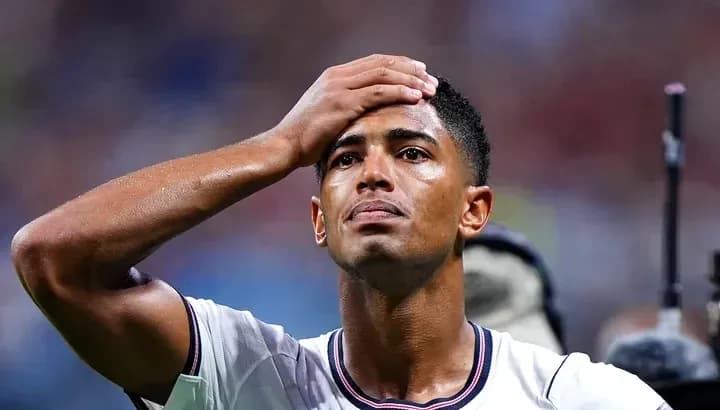
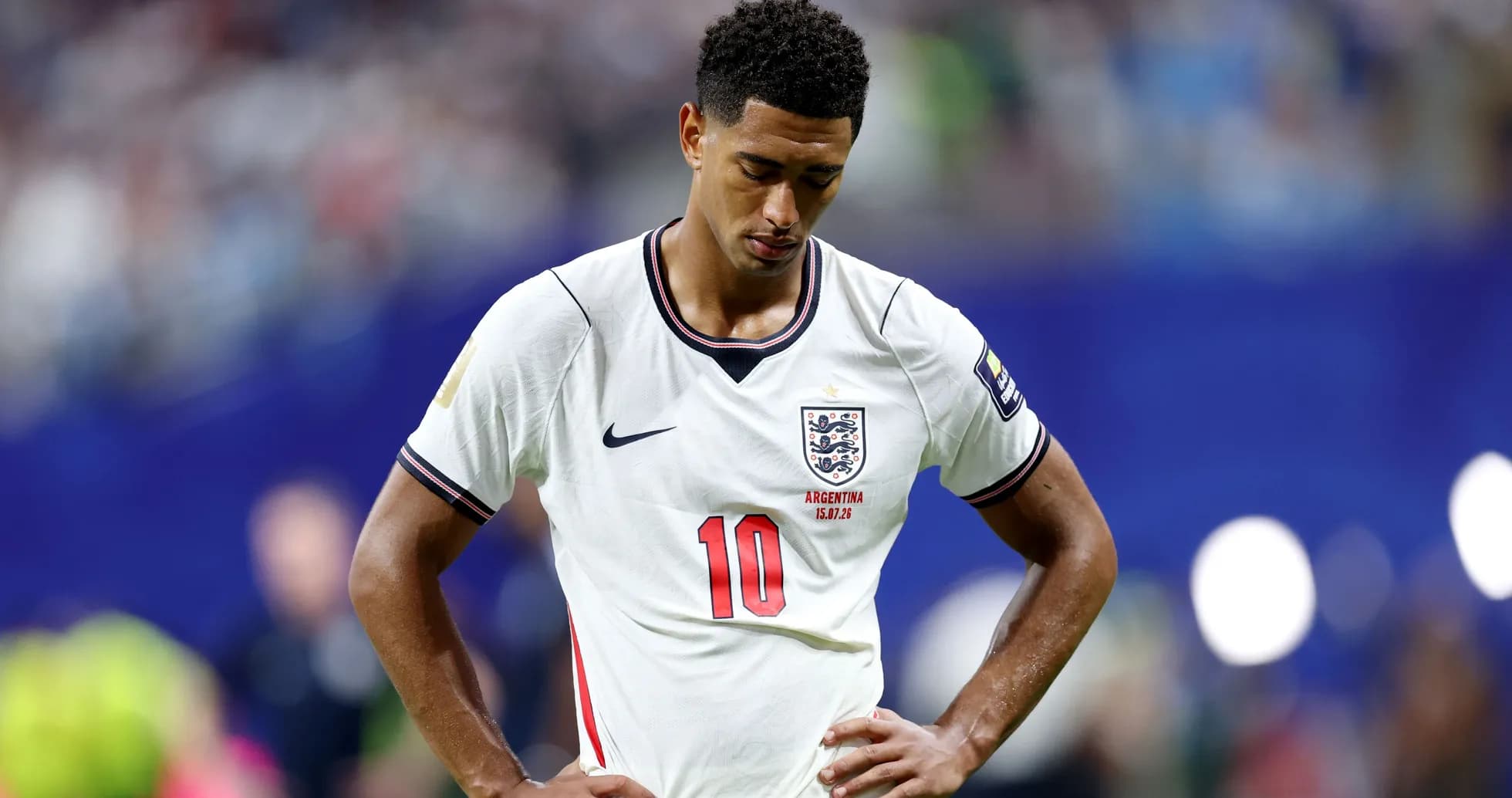
Jude Bellingham stood in front of the cameras, but his voice sounded like it belonged somewhere else.
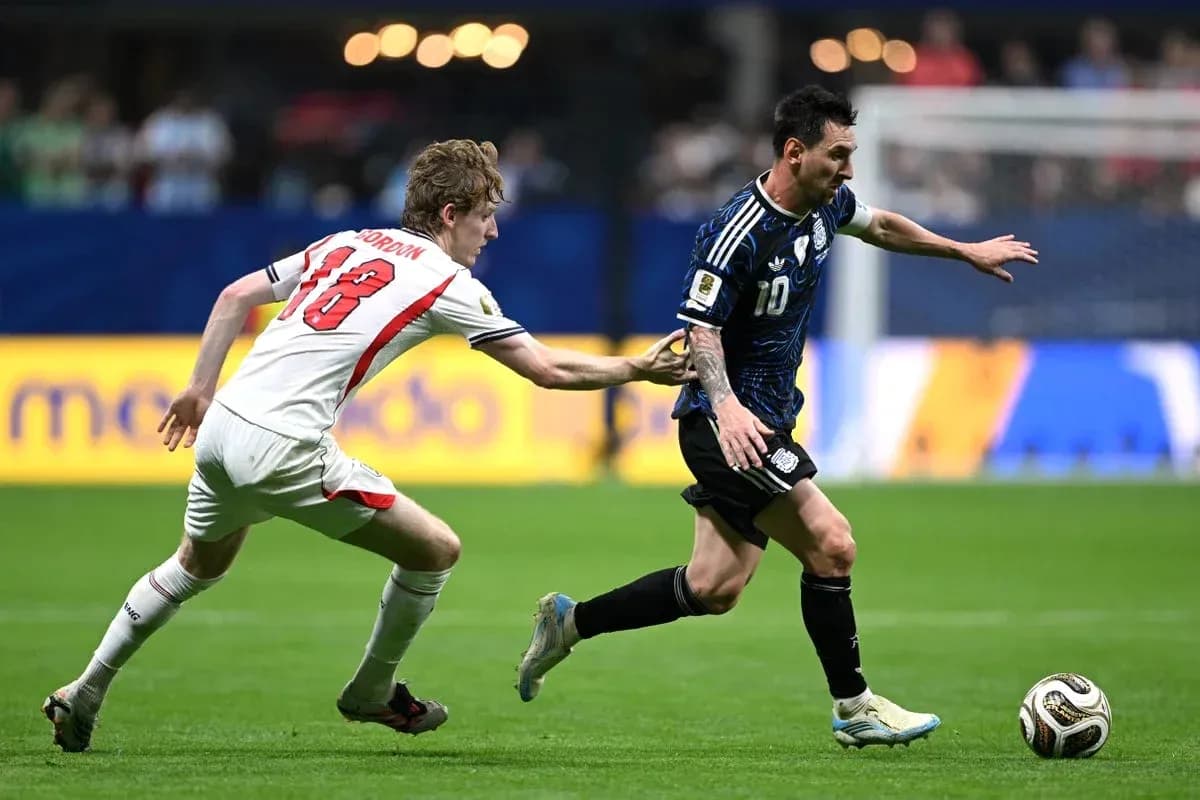
Only minutes earlier, Argentina had ripped England’s World Cup dream away at the death, turning a 1-0 deficit into a 2-1 victory and extending a wait for a final that now stretches back to 1966. For a player who had dragged his country this far with seven goal contributions and a thunderous brace against Norway in the quarter-final, this felt like the moment the weight finally became too much.
He didn’t bother to hide it.
“I think we can take a lot of experience from this, but it is so gutting,” Bellingham admitted, the words coming slowly, each one heavier than the last. “I wanted to be a part of an England squad that finally done it and got it over the line. To be here, telling the fans the same things they've heard for years, it's really gutting.”
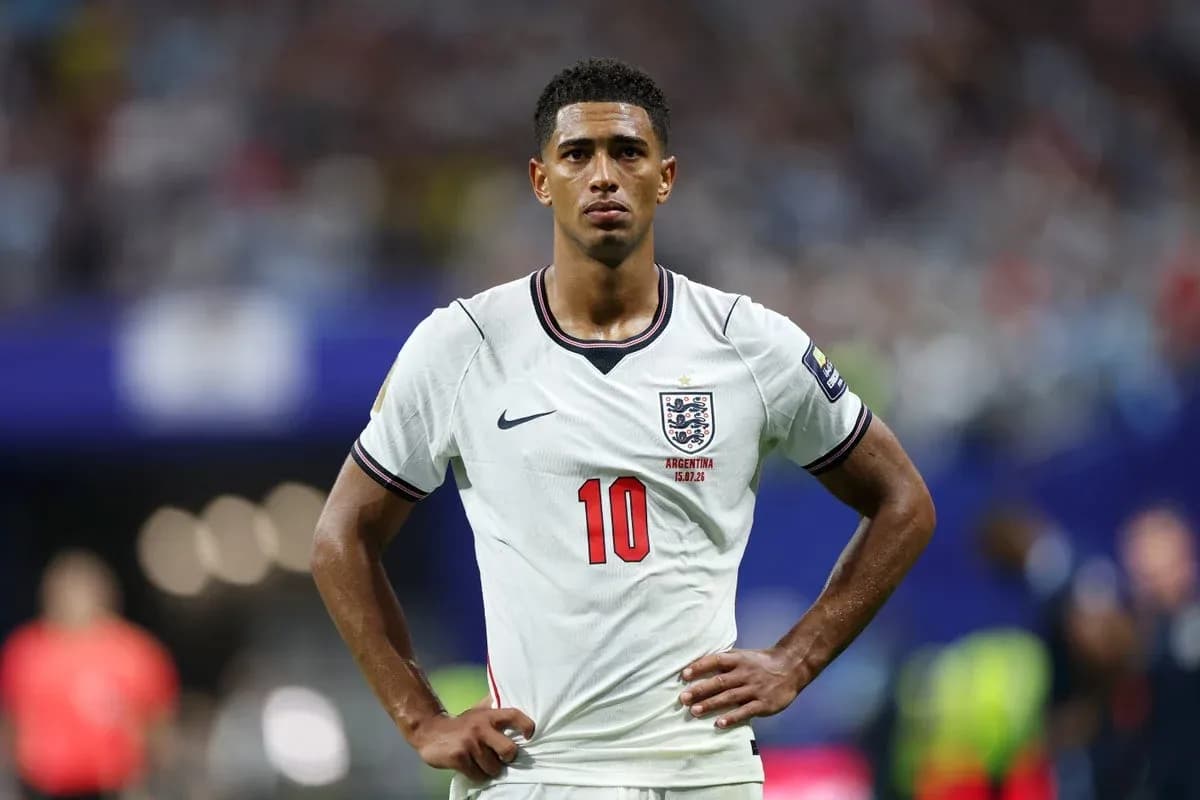
The midfielder has carried a lot in a short career: a bruising club season with Real Madrid, the sting of losing the Euro 2024 final, and now this – a World Cup semi-final torn away in the final moments. At 23, he looked like a man who had run out of ways to process disappointment.
His face told the story before he finished it.
“I wish I could give one more win or two more wins, but at the moment, my head is a bit fuzzy with disappointment, so I'm sorry.”
No slogans. No defiance. Just apology and exhaustion.
Tuchel takes the blame
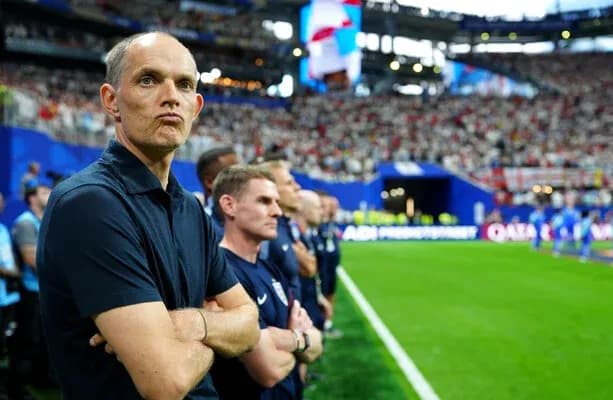
While Bellingham searched for words, Thomas Tuchel didn’t bother dodging responsibility. He walked straight into it.
England had led through Anthony Gordon, a goal that felt like the launchpad for history. They had Argentina where they wanted them. Then came the switch.
Tuchel moved his side into a back five to try and close the game down. Instead, it opened everything up.
“We decided to go to a back five because the gaps were far too open,” he explained. Argentina sensed the invitation and charged through it. “Argentina played with more risk, played with more rhythm and played with the feeling maybe that they had nothing to lose any more, which freed them up and pulled us back.”
The tactical tweak that was meant to bring control did the opposite. England retreated, almost instinctively, as if they could see the finish line and froze.
“Because we obviously played suddenly with a feeling that we had a lot to lose,” Tuchel said. “Of course the responsibility is on the coach and if it doesn’t go well it’s easy to say it was wrong.”
It didn’t go well. England became passive, the back five sinking deeper as Argentina’s belief grew. The equaliser felt inevitable. The winner, when it came late, felt cruel but not surprising.
Tuchel knew exactly where the questions would land. On his substitutions. On his caution. On the decision to protect what they had instead of going after what they wanted.
Backing from above, pressure from below
The inquest has already begun, but Tuchel’s job is not on the line. Not yet.
FA chief executive Mark Bullingham has thrown his support behind the former Chelsea and Bayern Munich coach, backing him to stay in charge through to the home European Championships in 2028. This was not framed as a “project under review”. It was a statement of continuity.
Tuchel, for his part, shut down any notion of walking away.
“We keep on going with the contract until the home Euros,” he said, drawing a line under speculation before it could gather pace.
So the plan remains: Tuchel will lead England into a tournament on home soil in two years’ time, carrying the scars of this World Cup and the Euros before it. The tactical gamble that backfired against Argentina will hang over him until he proves, on a big night, that he can manage a lead without losing a game.
A hollow consolation
Before any of that, there is France.
England must now drag themselves into a third-place play-off on Saturday, a match that offers a bronze medal and very little solace. On paper, finishing third would be their best World Cup result in 60 years. In reality, it will feel like a reminder of what slipped away.
For Bellingham and his teammates, the idea of celebrating anything this week seems distant. The tournament that promised so much has left them with the familiar emptiness of what-ifs and almosts.
The road now runs back home, towards a European Championship they will host with a fanbase that has heard the same apologies for far too long.
The question is no longer whether this England side can compete with the best. They have shown they can. It’s whether, when the next defining moment comes, they will finally choose to step on the accelerator instead of the brake.