England's World Cup Dream Ends in Atlanta
England’s World Cup dream died in Atlanta, and Gary Lineker could not believe the way it happened.
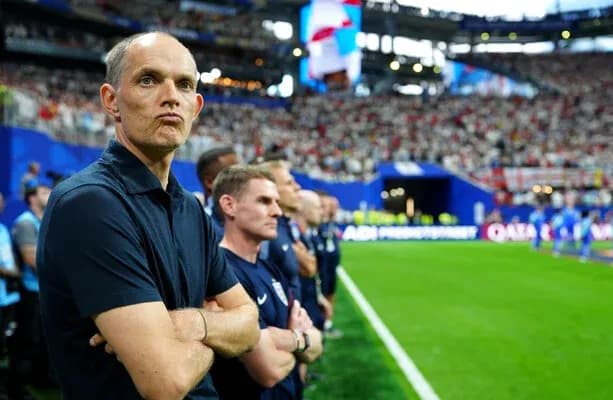
Thomas Tuchel’s side led Argentina, had Lionel Messi at arm’s length, and stood a goal away from a World Cup final. Then they retreated. Then they invited pressure. Then they paid the price.
From 1-0 up to 2-1 down, undone in the final minutes by the very player their approach seemed to ignore.
A Lead Thrown Away
Anthony Gordon’s strike had put England in control of the semi-final, a moment that should have been the platform for something historic. Argentina, rattled early, were forced to chase the game. The defending champions, as they so often do, stayed alive, probing, waiting for the crack to appear.
Tuchel helped them find it.
Instead of pushing Argentina back and keeping a foothold higher up the pitch, England sank deeper and deeper. Tuchel turned to his bench and sent on three defenders in the second half, reshaping his team to protect the lead. The effect was the opposite. England lost their outlet, surrendered territory and allowed Argentina to dictate the final stages.
The woodwork saved England twice, but the warnings went unheeded. The pressure finally told.
Enzo Fernandez stepped up from distance and drilled home from 25 yards, a clean, ruthless equaliser that felt like the inevitable consequence of England’s retreat. From there, it was Messi time.
Space for the Greatest
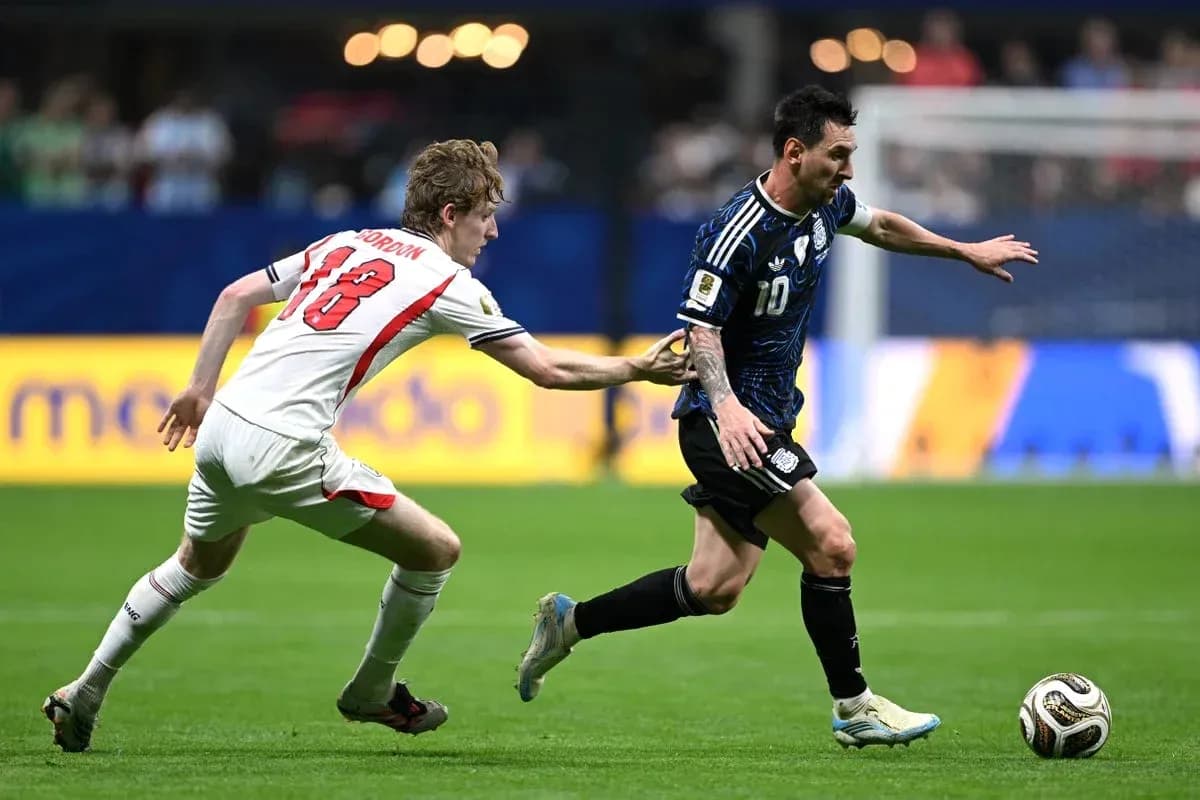
If the plan was to sit deep, it came with a glaring flaw: they did it against Lionel Messi and barely laid a glove on him.
Lineker, watching on, was stunned by what he saw.
He described England’s tactical approach against Messi and Argentina as “absolutely unfathomable” on The Rest Is Football, arguing that Tuchel’s setup played straight into the captain’s hands. Messi drifted to the right, found pockets of room, and England’s back five never stepped out to suffocate him.
Lineker pointed to the numbers – most goals in World Cup history, most assists – as evidence that this was not a man to be given time and space. Yet that is exactly what he enjoyed. Cross after cross, delivery after delivery, England’s box came under siege.
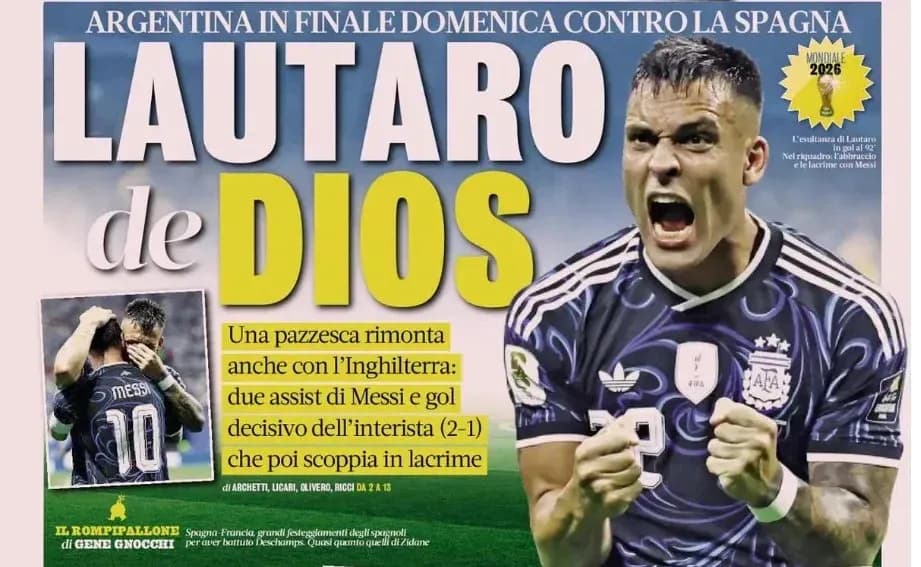
The decisive moment arrived in stoppage time. Messi, with all the calm of a player who has seen every scenario the game can offer, picked his spot and delivered a pinpoint cross. Lautaro Martinez met it, and England’s tournament was over in a single, brutal swing.
Tactical Misstep Under Fire
The defeat has triggered a wave of criticism, not just for the result but for how it unfolded.
Tuchel is understood to retain the backing of the Football Association, his contract running through Euro 2028. This is not a manager on the brink, at least not officially. Yet the manner of the collapse has sharpened the debate around his in-game decisions on the biggest stage.
Micah Richards, speaking in the aftermath, did not dress it up. For him, Tuchel simply misjudged it.
“Today he got it wrong,” Richards said, arguing that England dropped too deep and never offered a release once they went ahead. The team, in his view, became pinned in their own half, unable to relieve the pressure or threaten on the break.
That combination – a passive block, no outlet, and Messi with time to orchestrate – proved fatal.
Argentina, champions once more of the big moment, marched into a final against Spain on Sunday, their tournament resilience intact and their captain again at the heart of it all.
England, meanwhile, are left to wrestle with a harsher question: how did a semi-final, a lead, and a golden chance slip away while the greatest player of all was allowed to operate in so much space?