Indy Eleven's Tactical Mastery in 1–0 Victory Over Rhode Island
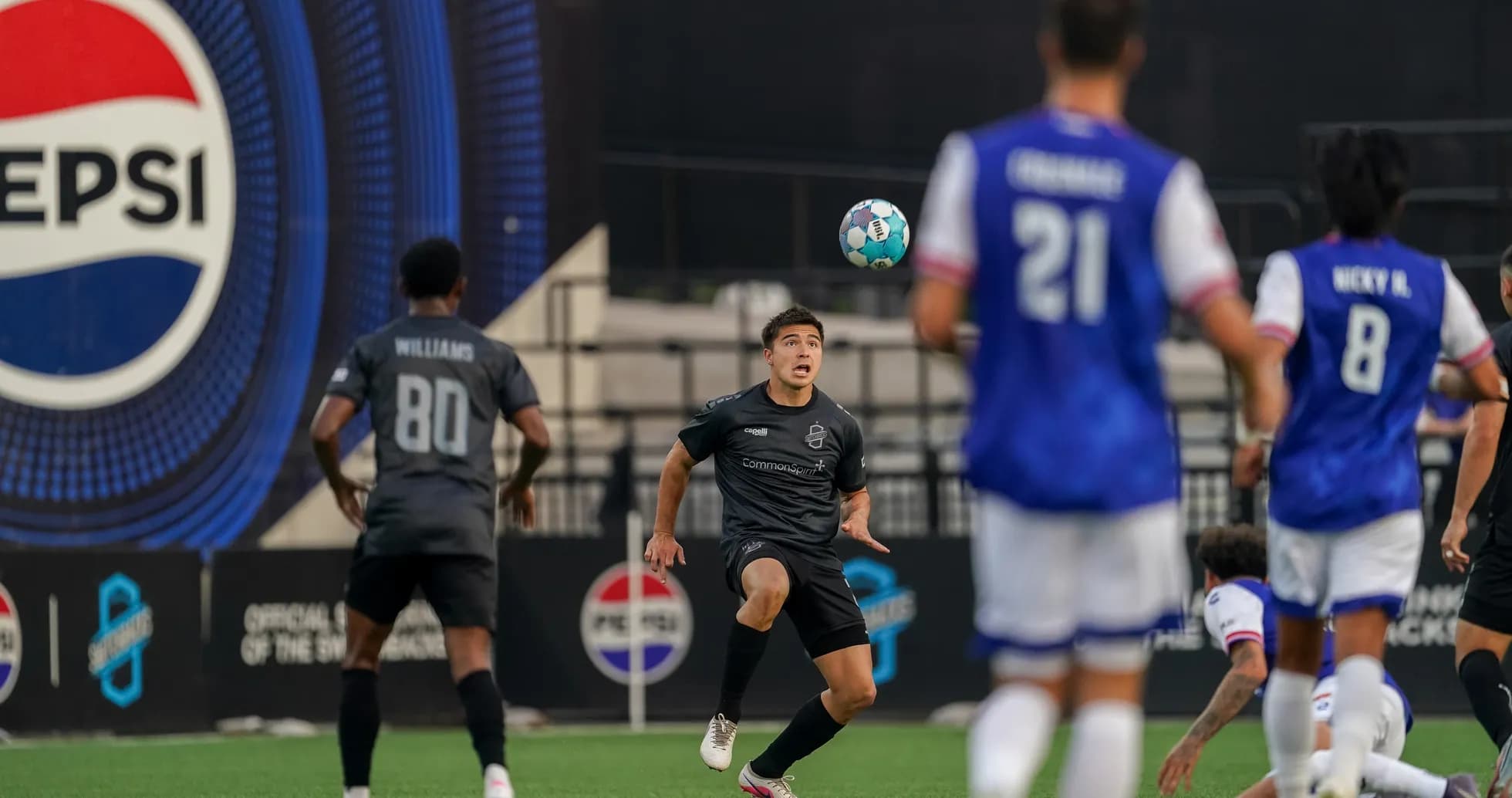
Under the lights at Michael A. Carroll Stadium, Indy Eleven’s 1–0 win over Rhode Island felt less like a routine group-stage result and more like a statement of identity. Heading into this game, the numbers already painted Indy as a side transformed by home soil: 6 matches at home, 5 wins, 1 draw, 12 goals scored and only 5 conceded. Rhode Island arrived as the division’s intriguing newcomer, 9th in USL 1 with 12 points, a positive overall goal difference of 3 (17 scored, 14 conceded) and an attack that travels reasonably well. Over 90 minutes, those contrasting profiles hardened into a clear hierarchy.
Indy’s season-long DNA is built on controlled aggression at home. Overall, they had 16 goals in 10 matches, with an average of 2.0 at home and 1.0 on their travels. Defensively, they were conceding 0.8 at home and 1.5 away, for 11 against in total. That balance – a total goal difference of 5, correctly matching 16 for and 11 against – underpins their 2nd place standing and “Promotion – USL Championship (Play Offs: 1/8-finals)” trajectory. Rhode Island, by contrast, were more volatile: 1.8 goals for at home, 1.5 on their travels, but leaking 2.0 away per game. They could hurt you, but they could be hurt.
I. The Big Picture: How the XIs told the story
Sean McAuley’s lineup for Indy Eleven was functional rather than flamboyant, but it suited the club’s home persona. E. Dick anchored the side in goal, with a defensive unit built around L. Neidlinger, M. Rasheed and P. Craig. In front of them, the midfield spine of A. Quinn, C. Lindley and B. Rendon suggested a mix of control and vertical passing, while J. O’Brien and J. Blake supported the central presence of N. Okello and the mobility of E. Kizza.
For Rhode Island, Khano Smith trusted his established core. Koke Vegas started in goal, shielded by a back line featuring N. Scardina, K. Yao, G. Stoneman and A. Sanchez. The midfield blend of C. Holstad and H. Bacharach Capdevila was flanked and layered by J. Kwizera and A. Shapiro-Thompson, with Leo Afonso and J. Williams tasked with stretching Indy’s back line.
On paper, this was a clash between Indy’s home dominance and Rhode Island’s willingness to open games up. In practice, Indy leaned into their strength: controlling territory, trusting their defensive numbers at home, and waiting for a decisive moment.
II. Tactical Voids and Discipline: Edges in the margins
With no official absences listed, both managers had near-full squads, which put the onus on tactical selection rather than forced improvisation. The real “void” for Rhode Island was structural: an away defence conceding an average of 2.0 goals per match, and no away clean sheets all season. That fragility meant every Indy attack carried latent threat, even in a match that ultimately finished 1–0.
Indy’s disciplinary profile heading into this game was that of a side that flirts with the edge but rarely loses control. Their yellow-card distribution showed a clear spike between 31–45 minutes (31.25%) and a late-game rise between 76–90 minutes (25.00%). That pattern suggests a team that tightens its grip as halves close, pressing higher and taking tactical fouls when needed. Crucially, they had no red cards in any time window.
Rhode Island, however, lived more dangerously. While their yellow cards were spread across the match, the late-game surge was stark: 34.78% of their yellows arrived in the 76–90 minute window. More tellingly, 100.00% of their red cards this season had come in that same 76–90 range. This is a side that, when chasing or protecting a result late on, can emotionally overrun its tactical discipline. In a tight contest like this, that volatility was always going to tilt the psychological balance toward Indy, who knew that sustained pressure could fray Rhode Island’s composure.
III. Key Matchups: Hunter vs Shield, Engine Room vs Enforcer
Without explicit top-scorer data, the “Hunter vs Shield” narrative here is collective rather than individual. Indy’s home attack – 12 goals in 6 home matches – went up against a Rhode Island away defence that had already shipped 8 in 4 on their travels. The numbers framed the duel simply: Indy averaged 2.0 goals at home, Rhode Island conceded 2.0 away. The equilibrium point was danger for the visitors.
Indy’s “Hunter” was the front line as a unit: Kizza’s runs, Okello’s physical presence, and the advanced positioning of O’Brien and Blake. Their job was to repeatedly test the structural weaknesses in Rhode Island’s back four, particularly when the visitors tried to step out and play. With no away clean sheets in the season data, every sustained spell of Indy pressure felt like an xG curve bending toward inevitability.
On the other side, Rhode Island’s “Shield” lay in the pairing of G. Stoneman and K. Yao, with C. Holstad and H. Bacharach Capdevila screening. Their challenge was to compress the central channels where Lindley and Quinn like to orchestrate. If they could force Indy into predictable wide deliveries, they might limit the quality of chances even if they could not fully stem the volume.
The “Engine Room” battle revolved around that central axis. For Indy, Lindley and Quinn were tasked with turning possession into territory, using short combinations and switches to pull Rhode Island’s midfield apart. For Rhode Island, Holstad and Bacharach Capdevila had to be both enforcers and launchpads, breaking up Indy’s rhythm and then springing Kwizera, Shapiro-Thompson, Leo Afonso and Williams into counters. The contest in that zone would determine whether Rhode Island’s 1.5 away goals-per-game potential could ever be activated.
IV. Statistical Prognosis: What the numbers say about the 1–0
Following this result, the scoreline of 1–0 underlines Indy Eleven’s core truth: they do not need chaos at home to win. Their season-long averages suggested a multi-goal home performance, but their defensive solidity – just 5 conceded at home in 6 matches – meant that even a single breakthrough would likely be enough.
From an Expected Goals perspective, Indy’s profile hints at a side that reliably manufactures chances at Michael A. Carroll Stadium. Rhode Island’s away numbers, conceding 2.0 per game and failing to keep a single clean sheet, imply that Indy’s xG in this match would have comfortably exceeded the visitors’, even if the finishing only yielded one goal.
Defensively, Indy’s overall average of 1.1 goals against per match, with 0.8 at home, dovetailed with Rhode Island’s occasional bluntness – they had failed to score in 2 matches overall, 1 of those on their travels. Marrying those trends, the most likely outcome was always a low-scoring Indy win or a narrow draw. The actual 1–0 fits neatly inside that statistical corridor.
Taken together, this was a performance that reinforced trajectories rather than rewriting them. Indy Eleven tightened their grip on 2nd place, their home form still unblemished by defeat. Rhode Island, meanwhile, were reminded that their attacking promise must be matched by greater defensive resilience on their travels. In a campaign where promotion play-offs loom, this night in Indianapolis felt like a quiet, methodical step toward the 1/8-finals for the hosts – and a data-backed warning for the visitors about what must change if they are to join them there.