Hull City’s Tactical Statement Against Manchester United
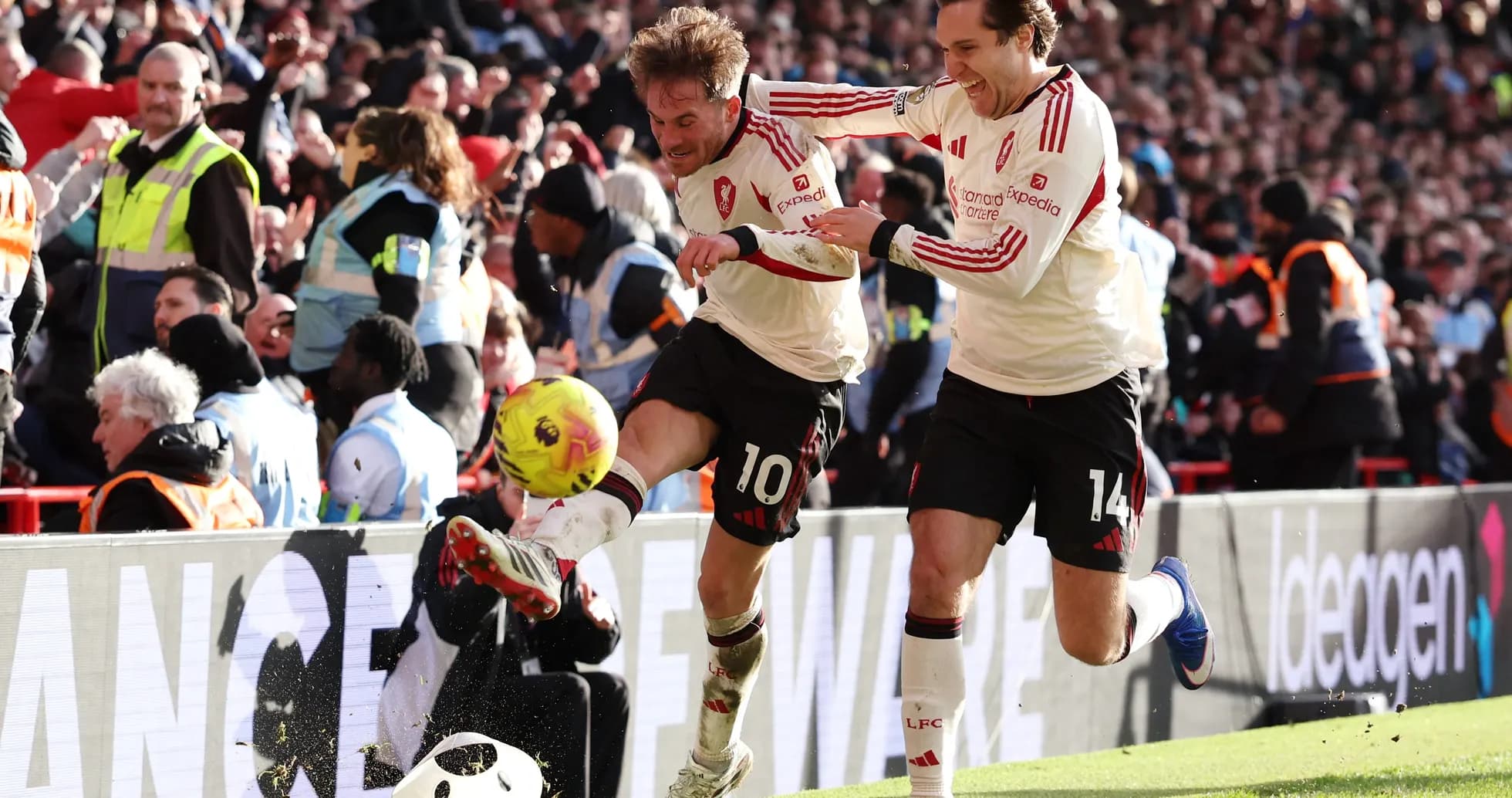
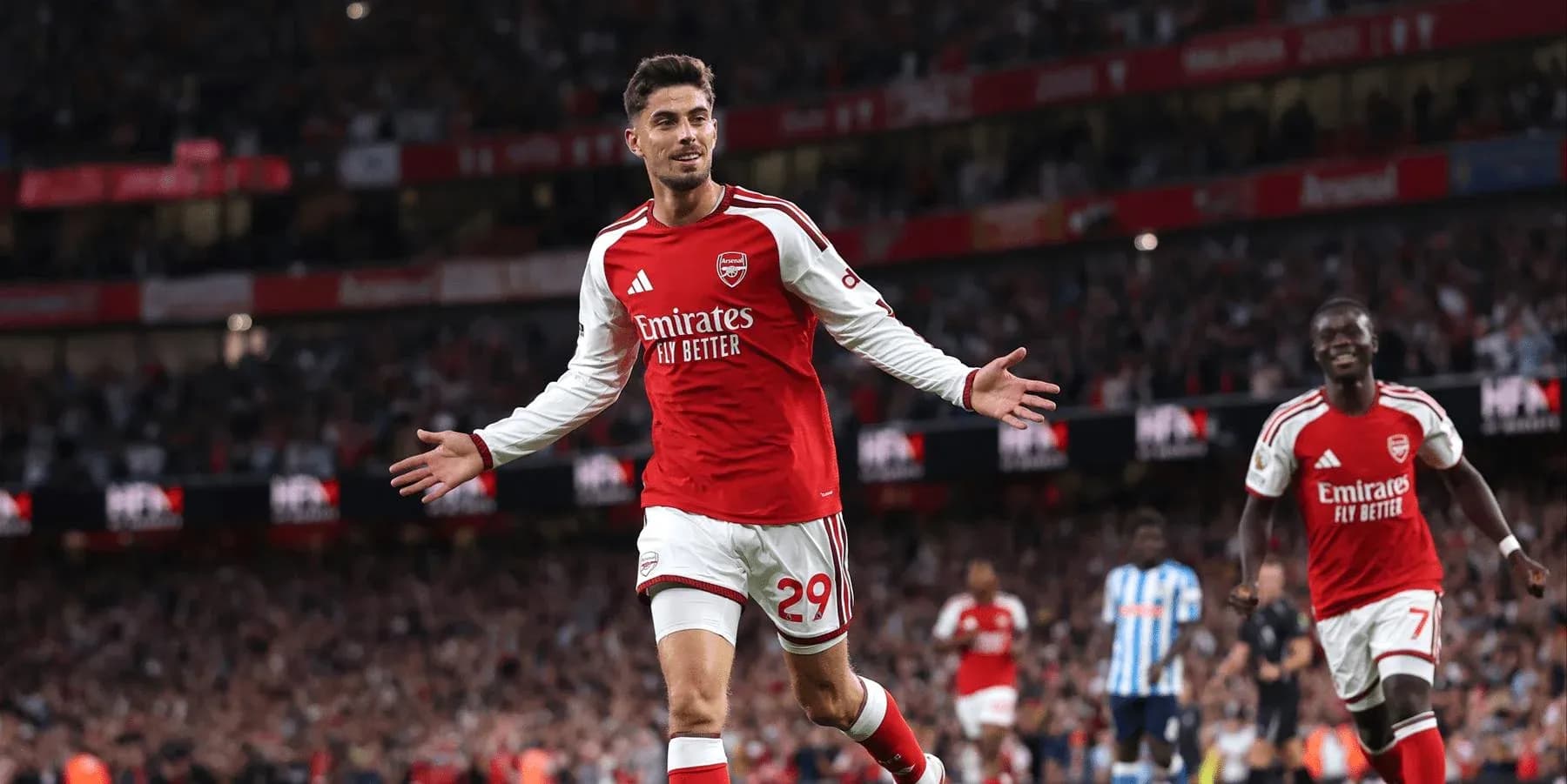
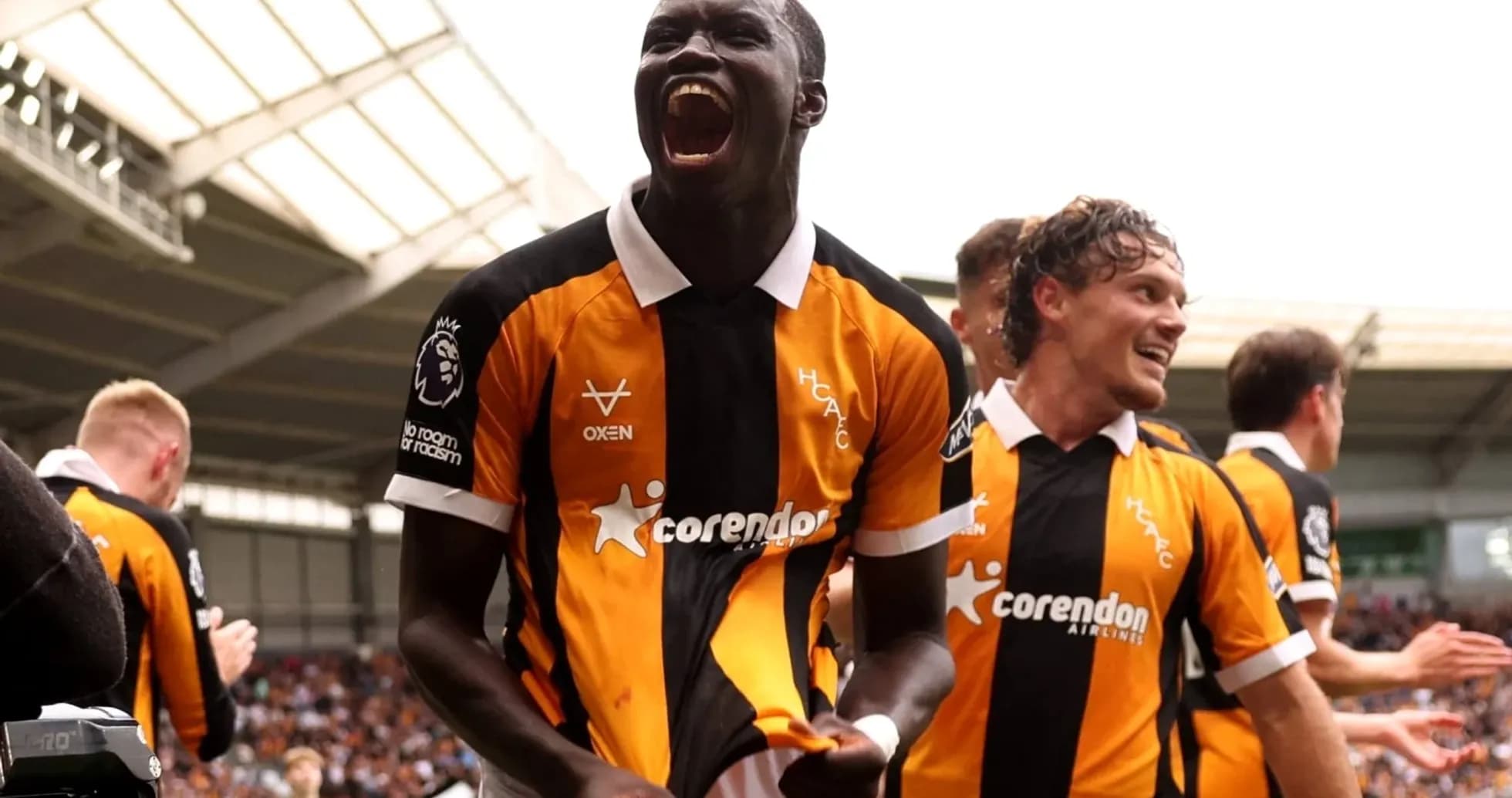
Under a sharp August light at the MKM Stadium, Hull City did more than beat Manchester United 2–0; they announced a new tactical identity to the Premier League. In a league where newly ascendant sides are often told to bend to the giants, Sergej Jakirovic’s men instead bent the game to their structure, their rhythm, and their defensive steel.
Following this result, the table tells a simple story: Hull sit 5th with 3 points, a total goal difference of +2 from 2 goals scored and none conceded. Manchester United, 16th with 0 points and a total goal difference of -2, leave Humberside with early questions about balance, control, and incision.
I. The Big Picture – A 5-4-1 That Felt Like a Statement
Hull’s 5-4-1 was not a passive low block; it was a choreographed defensive web. K. Tzolakis, protected by a back five of L. Coyle, S. Ajayi, J. Egan, N. Mendy and R. Giles, had the rare luxury of a quiet afternoon for a promoted side facing a heavyweight. The structure was compact, but crucially, it was aggressive in the right moments.
The season statistics underline just how clean this opening day was. Overall, Hull have played 1 match, winning it, and at home they have the same perfect record: 1 played, 1 win. At home they average 2.0 goals for and 0.0 against, with 1 clean sheet in total and no matches where they have failed to score. It is a microscopic sample, but it mirrors the eye test: this side knows exactly what it wants to be.
United, by contrast, have started their campaign on their travels, and their numbers show the bruise. Away, they have played 1, lost 1, with 0.0 goals scored and 2.0 conceded on average. They have failed to score in that away outing and have no clean sheets overall. For a club used to dictating terms, this was an away performance that felt oddly reactive and disjointed.
II. Tactical Voids – Injuries and Discipline
Both squads arrived with notable absentees. Hull’s list was long and spine-heavy: J. Butland (arm injury), J. Gelhardt (ankle), D. Gyabi and C. Hughes (both groin), M. Jacob (hip), E. Matazo (knee), H. Morita (calf) and O. Zambrano (hamstring) all missed the fixture. It forced clarity rather than chaos. Jakirovic leaned into a defined core and trusted his back five to double as a launchpad.
Manchester United were without T. Heaton, M. Mount, M. Ugarte and M. de Ligt, stripping Michael Carrick of experience in goal, midfield control, and defensive leadership. The absence of a natural defensive organiser at the back and a true midfield destroyer was felt every time Hull transitioned through the lines.
The disciplinary pattern from the league data adds another layer. Hull’s season yellow cards are split evenly: 50.00% between 31–45 minutes and 50.00% between 91–105 minutes, hinting at a side that tackles on the edge as halves close. In this match, M. Crooks and substitute L. Millar both took yellows, Crooks embodying the combative heart of midfield and Millar bringing edge from the bench.
United’s only league yellow so far sits in the 31–45 minute window as well, and it belongs to P. Dorgu. His four fouls and single booking in 45 minutes speak to a player exposed in a zone where United’s structure offered him little cover.
III. Key Matchups – Hunter vs Shield, Engine Room vs Engine Room
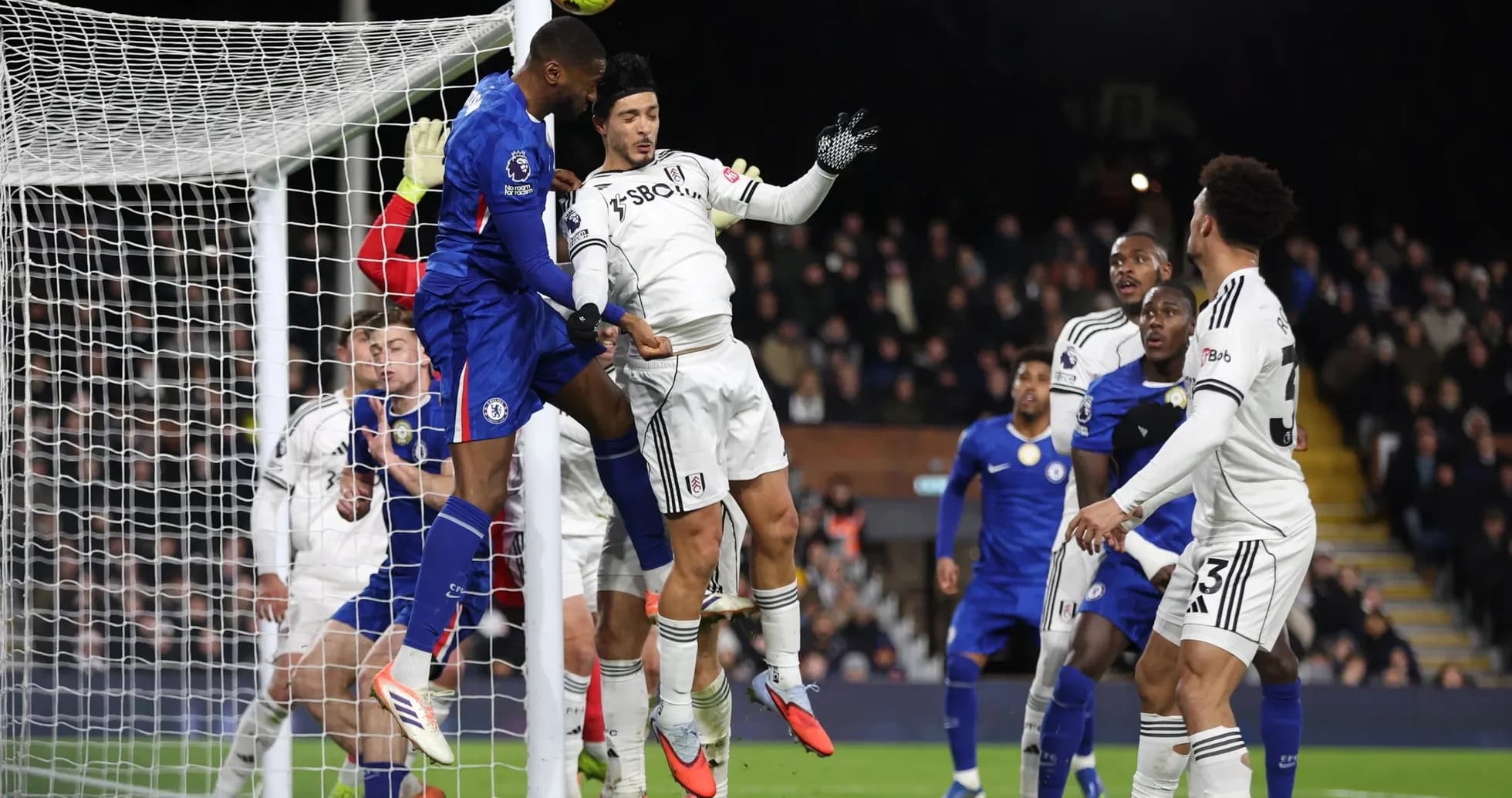
The story of Hull’s attack is currently written by defenders. In total this campaign, S. Ajayi and N. Mendy both have 1 goal each from 1 appearance. Ajayi’s 7.7 rating and 100% duel success (3 won from 3) underline his dual role as enforcer and set-piece hunter. Mendy, rated 8.0, not only scored but blocked 1 shot and completed 94% of his 19 passes, stepping out from the line with composure.
Together, they are Hull’s early “hunters”, and against a United defence that has conceded 2 goals on their travels with no answer in the opposition box, that aerial and set-piece threat becomes a tactical weapon, not a coincidence. Hull’s biggest home win so far is this 2–0; for United, their biggest away loss is also this 2–0. The symmetry is telling.
In the engine room, M. Crooks and R. Slater set the tone. Crooks’ 90 minutes were heavy on the dirty work: 4 tackles, 2 blocked shots and 13 duels contested, 8 of them won. His yellow card is almost a badge of function; he was the hinge that kept Hull’s midfield from collapsing under pressure.
Slater, meanwhile, is already on the league’s assist charts. With 1 assist in total, 21 passes at 90% accuracy and 1 key pass, he is Hull’s quiet metronome. He links the back five to the lone forward O. McBurnie, who spent much of his time occupying H. Maguire and A. Heaven, creating the chaos from which Ajayi and Mendy could profit.
For United, the creative burden fell on B. Fernandes and B. Mbeumo, with M. Cunha ahead of them. But without a goal in total this season and with 0.0 goals per game both overall and away, the issue is not just chance creation; it is the lack of a coherent route to goal. P. Dorgu’s 3 shots from midfield hint at desperation rather than design.
IV. Statistical Prognosis – A New Hull, A Questioned United
There is no explicit xG data in this snapshot, but the structural clues are loud. Hull’s 2.0 goals scored at home from their only match, combined with 0.0 conceded overall and a clean sheet count of 1, paint the picture of a side whose defensive solidity is not accidental. A back five that can produce goals, a midfield that tackles and blocks, and a forward willing to sacrifice himself for space – this is a sustainable template against bigger sides.
United’s defensive record on their travels – 2.0 goals conceded on average, 0.0 scored, no clean sheets, and a biggest away loss of 2–0 – suggests a team caught between eras. The 4-2-3-1 shape with Y. Tielemans and Andrey Santos as the double pivot offers technical quality but not necessarily the protection required behind an attacking quartet.
Following this result, the tactical verdict is clear: Hull City look like a side whose structure can carry them beyond mere survival, while Manchester United face an early-season reckoning. Hull’s defenders are both shield and spear; United’s remain only a shield, and an imperfect one at that. Until that changes, the MKM Stadium will stand as an early warning of what awaits them on their travels.