Hartford Athletic Shocks Tampa Bay Rowdies in USL Championship
Al Lang Stadium under the lights, a humid Florida evening, and a top‑of‑the‑table side pushed out of its comfort zone. Tampa Bay Rowdies, leaders of USL 1 heading into this game with 28 points and a formidable +13 goal difference overall (21 goals for, 8 against), were expected to impose themselves. Instead, Hartford Athletic – seventh in the same group with 17 points and a perfectly balanced overall goal difference of 0 (10 for, 10 against) – came in organized, ruthless in key moments, and walked away with a 1–0 win that felt like a tactical statement as much as a scoreline.
This was a group‑stage fixture in the USL Championship, but it carried the feel of a playoff dress rehearsal. Tampa Bay arrived with one of the division’s most complete seasonal profiles: in total this campaign they had won 8 of 13, losing just once, with an overall scoring average of 1.6 goals per game and conceding only 0.6. At home they had been even more expansive, averaging 2.0 goals for and 0.9 against, with 4 wins from 7 and only 1 defeat. Hartford, by contrast, were built on tight margins. On their travels they had been quietly efficient: 3 wins from 6, scoring 1.0 goal per game and conceding just 0.5. That defensive resilience away from home would become the defining feature of the night.
I. The Big Picture: Shape without numbers
Neither side’s formation is listed, but the personnel tells its own story. Dominic Casciato’s Tampa Bay XI was loaded with technical midfielders and mobile forwards: A. Pack and S. Cruz anchoring from deeper zones, B. Schaefer and N. Dossantos likely stepping into wide or hybrid roles, and a creative axis built around L. Perez, Pedro Becker, E. Conway, M. Micaletto, and Mattheus behind central striker M. Myers.
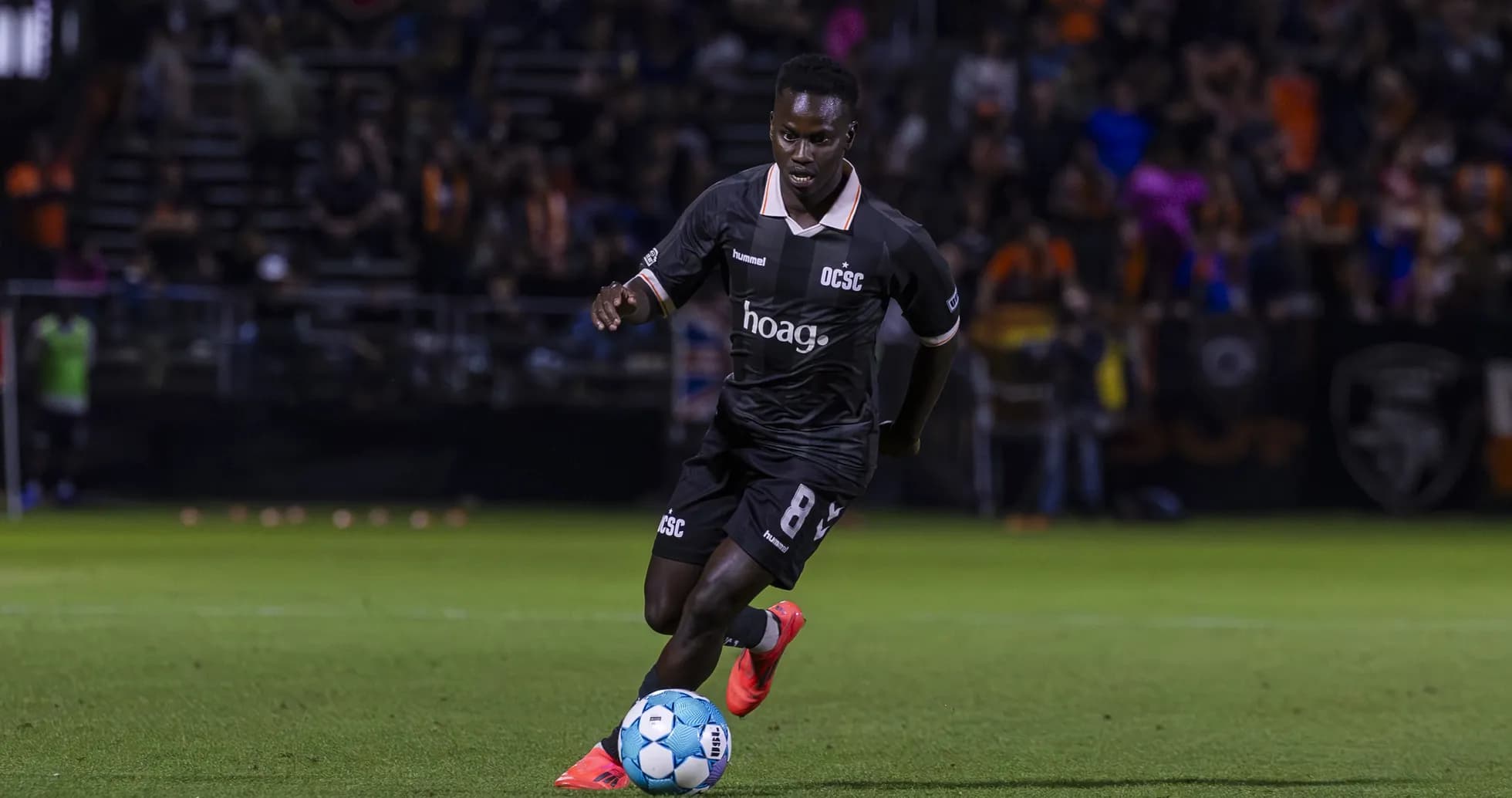
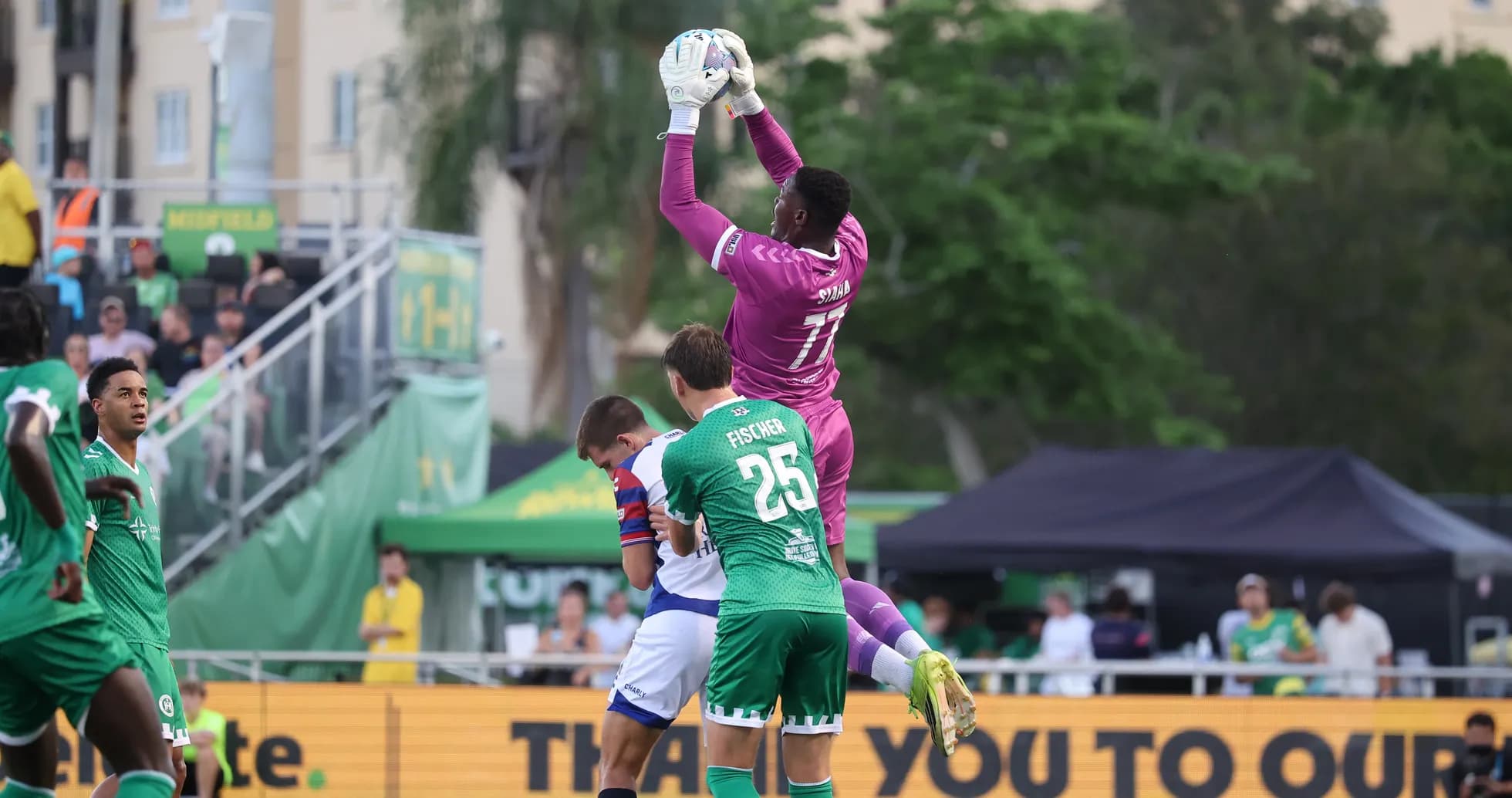
Brendan Burke’s Hartford lineup was more overtly functional. A. Siaha in goal, shielded by a back line featuring A. Diz, J. Scarlett, B. Fischer, and B. Njie, with S. Anderson offering defensive versatility. In front of them, J. Moreira and S. Careaga provided structure, while B. Coffey, E. Samadia, and the dynamic M. Ngalina supplied the transition threat that would trouble Tampa Bay’s high line.
The match narrative, reflected in the 0–1 full‑time score after a 0–1 halftime, suggests Hartford executed a classic away blueprint: score first, compress the middle third, and lean on a back line that has been one of the stingiest on the road in the league.
II. Tactical Voids: Discipline and psychological edges
With no explicit list of injuries or suspensions, the story of absences is more structural than individual. Tampa Bay’s season data reveals a side that walks a disciplinary tightrope late in games: 24.32% of their yellow cards come between 76–90 minutes, and another 21.62% between 61–75. Hartford mirror that late‑game edge, with 21.43% of their yellows in the 76–90 window and another 21.43% in 46–60, while their rare red cards historically arrive very late (76–90 and 91–105).
In a one‑goal contest, that shared tendency towards late bookings shapes the psychology. Tampa Bay, chasing an equaliser, are prone to emotional surges in the final quarter‑hour; Hartford, defending a lead, are comfortable living on the edge, fouling smartly and managing tempo. The absence of penalties for either team this season – zero taken, zero missed – removed one of the high‑variance levers that can flip tight games. This was always going to be decided in open play and in the grind of midfield duels.
III. Key Matchups: Hunter vs Shield, Engine Room vs Enforcer
The “Hunter vs Shield” dynamic here is collective rather than individual. Tampa Bay’s home attack, with 14 goals scored at Al Lang and a biggest home win of 3–0, normally overwhelms visitors through volume and variety. Players like E. Conway and M. Micaletto thrive when they can rotate between lines, dragging defenders out and creating pockets for Mattheus and M. Myers to exploit.
Hartford’s away “shield” has been exceptional: only 3 goals conceded in 6 road matches, with 4 away clean sheets in total this campaign. J. Scarlett and B. Fischer, flanked by the athletic B. Njie and A. Diz, form a unit that is comfortable defending deep and narrow. Against Tampa Bay, that meant compressing the central channels where L. Perez and Pedro Becker like to operate, forcing the Rowdies to either cross from suboptimal positions or attempt low‑percentage shots from range.
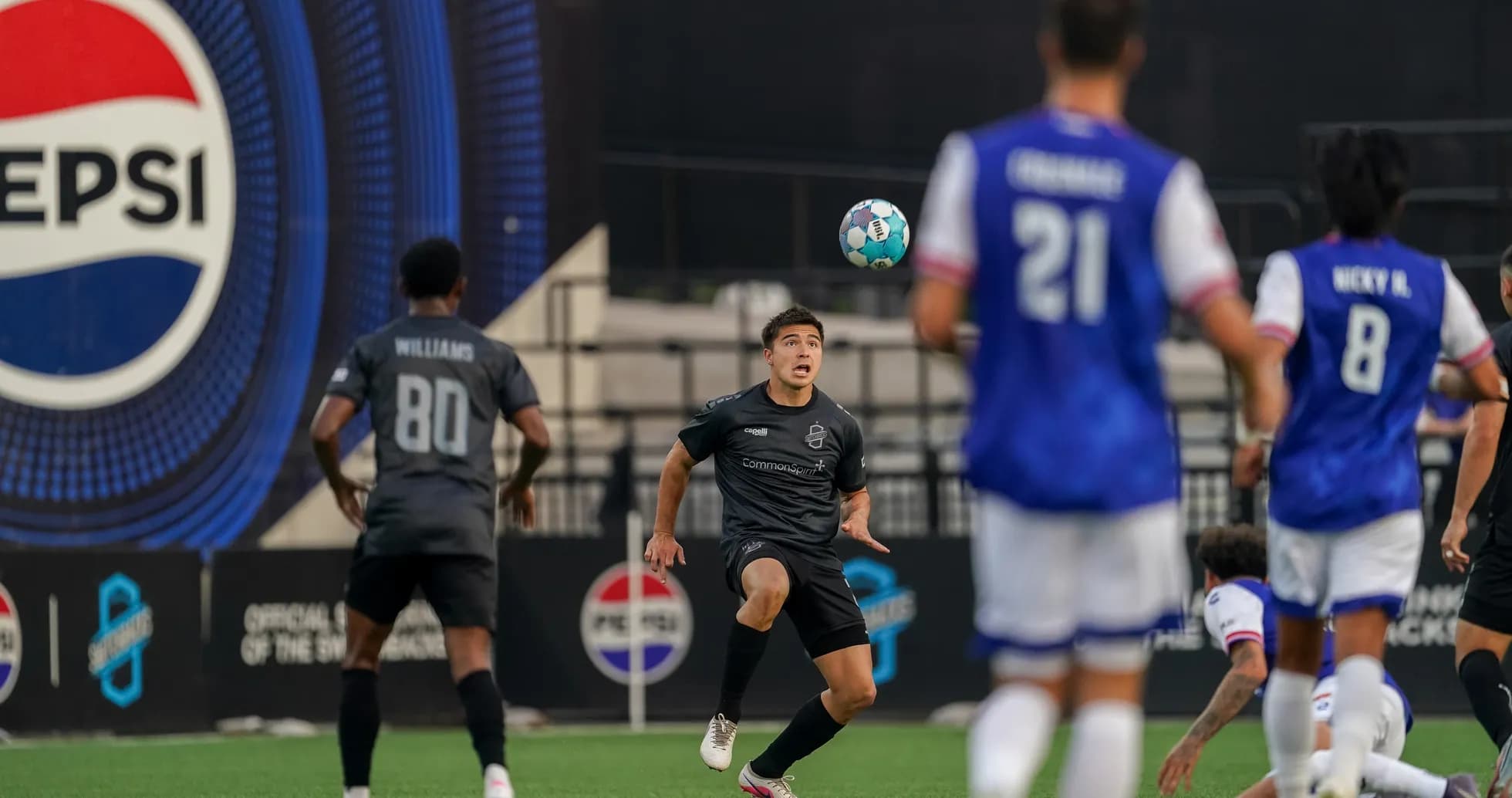
In the “Engine Room” matchup, Tampa Bay’s ball‑playing core – Pack, Cruz, Perez, Becker – ran into Hartford’s pragmatic spine of J. Moreira, S. Careaga, and B. Coffey. Hartford’s midfield three are built for away days: disciplined in their spacing, aggressive in second‑ball duels, and quick to spring M. Ngalina and E. Samadia into space once possession is turned over. The 0–1 halftime score hints that Hartford’s counter‑punch landed early, after which their engine room shifted from creation to control.
Substitutions, though not time‑stamped here, would have followed familiar vectors. For Tampa Bay, the bench options of R. Cicerone, L. Hilton, and K. Henderlong offered fresh legs and different profiles – a more direct runner, a deeper playmaker, an alternative central presence. For Hartford, A. Williams and S. Anaku provided counter‑attacking outlets, while A. Hernandez and A. Taofeek could reinforce the flanks or midfield block. Each change likely tilted the game further into a siege: green‑and‑gold waves against a blue‑and‑green wall.
IV. Statistical Prognosis: xG, margins, and what this result says
We do not have explicit xG values, but the underlying season numbers sketch a likely profile. Tampa Bay’s home scoring average of 2.0 goals, combined with Hartford’s away concession rate of 0.5, sets up a clash of statistical identities. On most nights, that equilibrium would point to a narrow home win or a low‑scoring draw, with Tampa Bay generating the higher xG through territorial dominance and shot volume, and Hartford relying on a smaller number of high‑quality transitions.
Instead, Hartford turned their defensive solidity into a clean sheet against one of the league’s most potent home attacks, while finding the one decisive moment they needed. Following this result, the tactical lesson is clear: Tampa Bay’s high‑functioning machine can be disrupted by a compact, disciplined block that denies central progression and refuses to overcommit in transition. Hartford’s template – aggressive midfield screening, tight lines, and clinical exploitation of rare attacking moments – is a playoff‑ready model.
For Tampa Bay, this is less a structural crisis than a reminder of fine margins. Their overall defensive record remains elite, with only 8 goals conceded in total and 7 clean sheets, but against an opponent like Hartford, who have already produced 4 away clean sheets in total this campaign, failing to convert pressure into goals will always carry a heavy price. For Hartford, this 1–0 away win feels like the night their numbers gained a narrative: not just stubborn, but strategically ruthless, capable of going into the leaders’ fortress and bending the game to their terms.