Hartford Athletic and New Mexico United: A Stalemate in the USL Championship
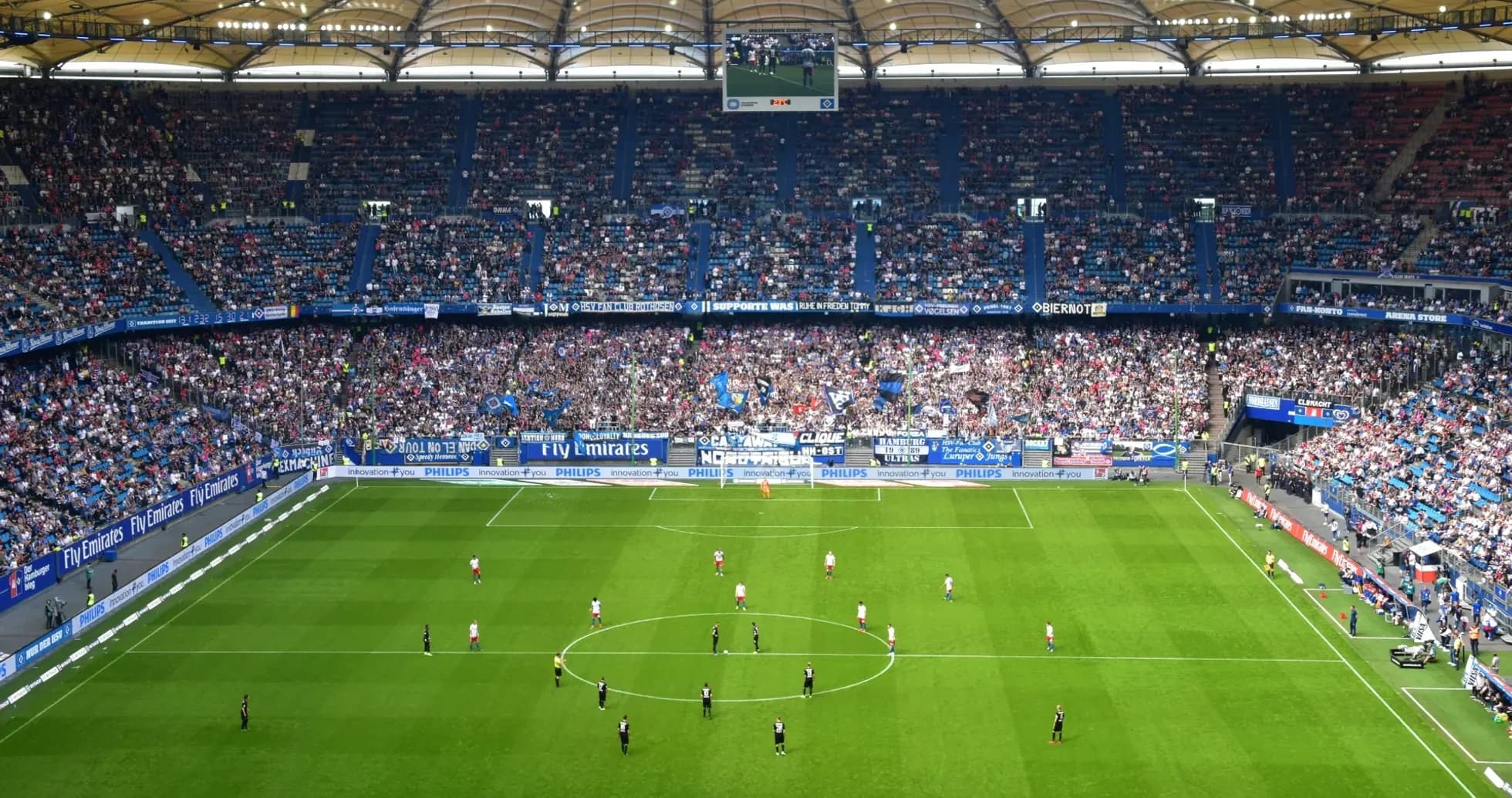
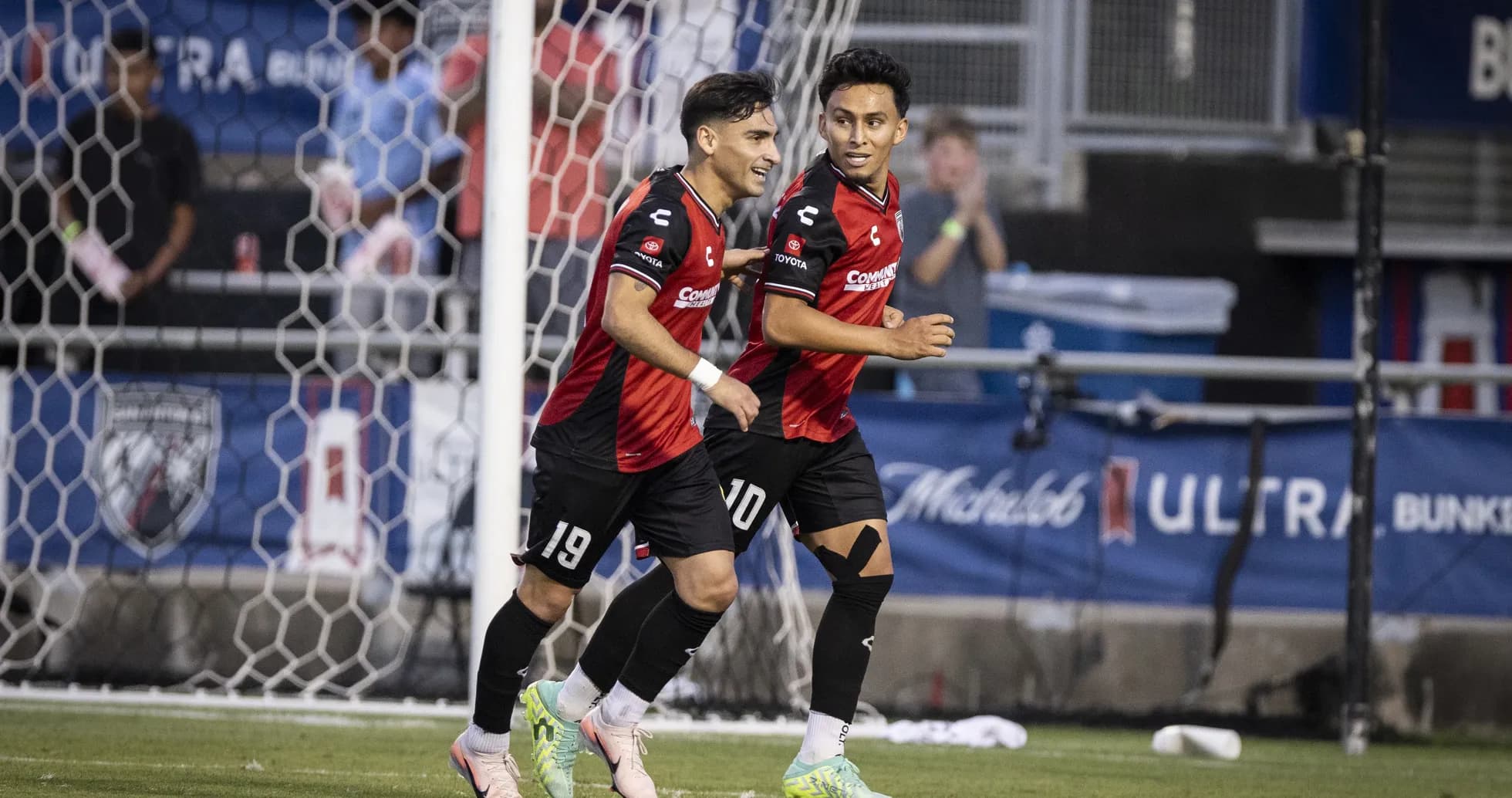
Under the Hartford lights at Trinity Health Stadium, this Group Stage meeting in the USL Championship felt less like a routine league fixture and more like a quiet dress rehearsal for the promotion play-off picture. Following this result, Hartford Athletic and New Mexico United remain locked on 14 points, both carrying a goal difference of -1 (9 goals for and 10 against overall for Hartford; 11 for and 12 against overall for New Mexico). The 0-0 scoreline tells a story of stalemate, but the squads and their statistical DNA hint at two very different identities converging on the same problem: how to turn promise into ruthlessness.
I. The Big Picture – Two Play-off Contenders, One Stalemate
Heading into this game, Hartford sat 8th with a cautious profile: in total this campaign they had drawn 5 of 10, scoring 9 and conceding 10, with an overall goals-for average of 0.9 and goals-against average of 1.0. At home, they were even more conservative: 4 goals scored and 7 conceded across 5 matches, averaging 0.8 for and 1.4 against. New Mexico arrived in 7th, more volatile, with 4 wins and 4 losses in total from 10 played. On their travels they had managed just 2 goals in 5 away matches, an away average of 0.4 goals for and 1.2 against, a stark contrast to their 1.8 goals-for average at home.
The result — a goalless draw — fits Hartford’s season-long pattern of tight margins and incremental accumulation, while for New Mexico it underscores a split personality: dangerous in Albuquerque, blunted on their travels.
II. Tactical Voids and Discipline – Edges Left Unused
With no published list of absentees, both coaches, Brendan Burke and Dennis Sanchez, appeared to lean on continuity. Hartford’s starting eleven was anchored by A. Siaha in goal, with a defensive spine that included J. Scarlett and B. Fischer, and a midfield core of B. Makangila, S. Anderson, and J. Moreira. In attack, the responsibility fell on the fluid trio of B. Coffey, M. Ngalina, and A. Williams.
For New Mexico, K. Shakes took the gloves, shielded by a back line featuring K. Keller, N. Hamalainen, and C. Gloster. Ahead of them, the likes of Z. Bailey, O. Jabang, and N. Reid-Stephen were tasked with linking to the creative and finishing threats of J. LaCava and G. Hurst.
Discipline has been a defining subplot for Hartford this season. Their yellow-card timing is telling: 21.43% of their cautions arrive between 46-60 minutes, another 21.43% from 76-90, and a further 21.43% from 91-105. Red cards have been exclusively late: 50.00% between 76-90 and 50.00% from 91-105. That profile suggests a side that often defends on the edge once fatigue and game-state pressure kick in. New Mexico’s bookings skew slightly earlier, with 20.59% of yellows between 31-45 and a peak 23.53% between 61-75, a sign of aggressive mid-game pressing and transitional fouls.
In this fixture, the absence of goals hints at both sides respecting those disciplinary trends: Hartford wary of late chaos, New Mexico conscious of how quickly a tight away game can tilt on a mistimed challenge.
III. Key Matchups – Hunter vs Shield, Engine Room vs Enforcer
Without top-scorer data, the “Hunter” in this narrative becomes more collective than individual. For Hartford, the attacking burden is distributed across Ngalina’s direct running, Williams’ penalty-box presence, and Coffey’s connective play. Against a New Mexico side that, on their travels, concedes an average of 1.2 goals per game but has already kept 2 away clean sheets in total, Hartford’s front line faced a compact, risk-averse block.
Keller’s positioning and Gloster’s awareness down the left were central to New Mexico’s “Shield” identity here. Their season numbers show that away they rarely collapse — their worst away defeat is 3-0 — but they also rarely open up. Hartford’s home profile, with 3 failed-to-score matches at Trinity Health Stadium and just 4 home goals in total, played into New Mexico’s preference for a controlled, low-event contest.
In the “Engine Room,” Hartford’s Makangila and Moreira were pitted against the dual-axis of Bailey and Jabang. Hartford’s season-long pattern of 5 clean sheets in total, split 2 at home and 3 away, stems largely from this midfield’s ability to screen and slow counters. New Mexico, for their part, have 3 clean sheets overall, 2 of them away, a product of a midfield that is more destructive than expansive when on their travels.
This clash of midfields produced a kind of tactical stalemate: Hartford circulating, probing for gaps; New Mexico compressing space, happy to turn the game into a series of second-ball duels and broken rhythms that neutralised the hosts’ wide threats.
IV. Statistical Prognosis – xG Shapes and Defensive Solidity
We lack explicit xG values, but the statistical scaffolding points to a low-expected-goals landscape. Heading into this game, Hartford’s home attack, at 0.8 goals per match, and New Mexico’s away attack, at 0.4, combine to forecast a contest where chances would be rare and margins microscopic. Both sides’ overall goals-against averages — 1.0 for Hartford, 1.2 for New Mexico — are modest, not catastrophic, and both have proven capable of shutting down opponents: Hartford with 5 clean sheets in total, New Mexico with 3.
Overlay that with Hartford’s late-card surges and New Mexico’s mid-half aggression, and the most likely narrative was always going to be cagey: a first half of sparring and structure, followed by a second half in which fatigue, fouls, and game management overshadowed attacking risk.
Following this result, the tactical takeaway is clear. Hartford remain a side defined by control and containment, needing a sharper edge from Ngalina and Williams to turn stalemates into statements. New Mexico, meanwhile, continue to live a split existence — expansive at home, restrained away. Until their away attack finds a gear above that 0.4-goals-per-game average, they will lean heavily on defensive solidity and game management, hoping that the fine margins of xG and discipline eventually tilt their way rather than simply preserve another draw.