England's World Cup Preparation: Tuchel's Upbeat Camp in Florida
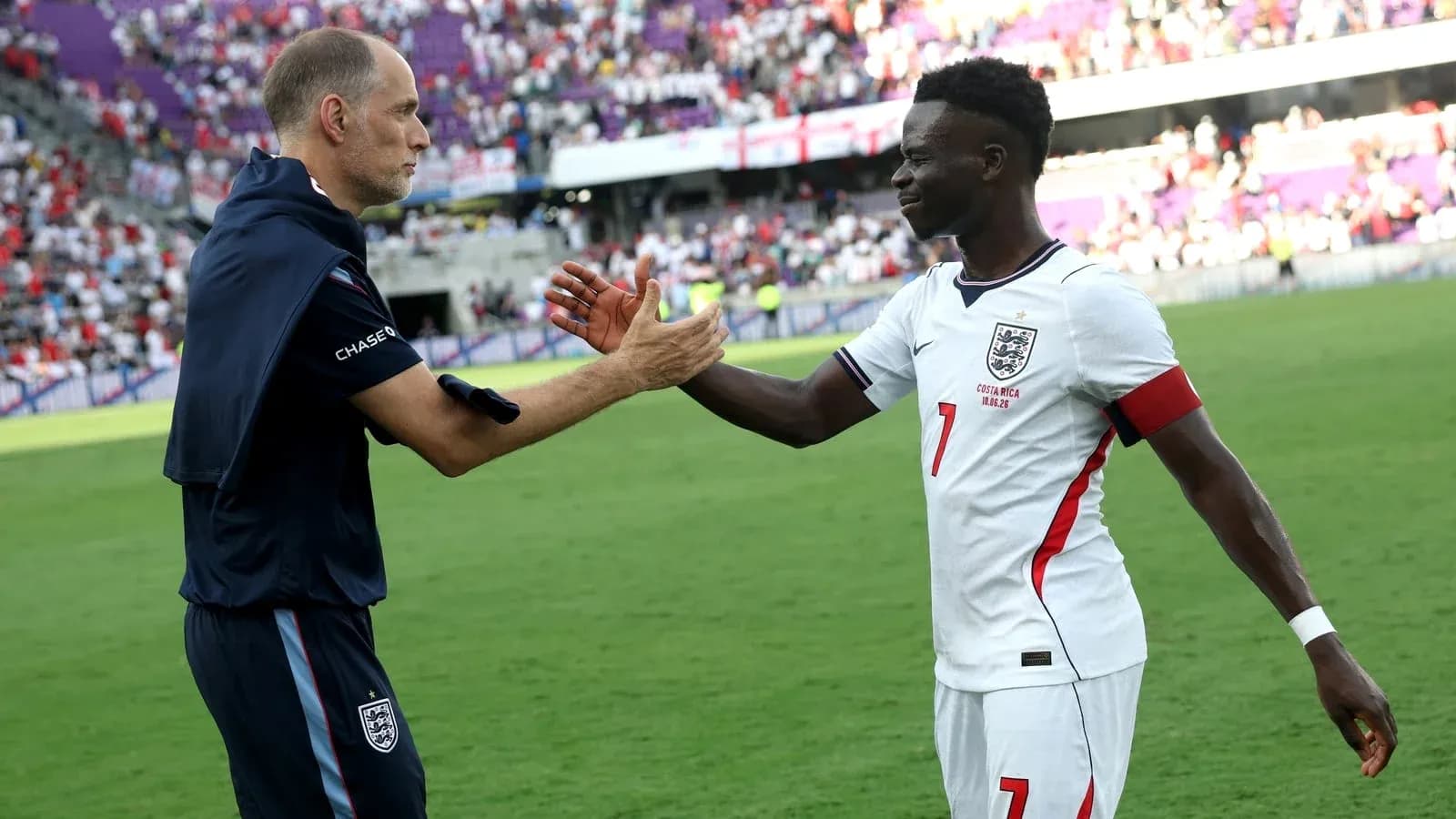
Thomas Tuchel left Florida with his shirt clinging to him, his voice hoarse and his mood unmistakably upbeat. England’s World Cup build‑up has been hot, heavy and unforgiving – exactly how he wanted it.
After a week of slog in West Palm Beach, the Euro 2024 runners-up closed their camp on Thursday with a behind‑closed‑doors friendly, drawing a line under a gruelling stint designed to harden them for a North American summer that will not show mercy.
They look ready for it.
England turn up the heat
England flew into Florida last Monday, one of the tournament favourites stepping straight into the sauna. Training sessions came thick and fast in the sticky air, the focus as much on lungs and legs as on patterns of play.
The friendlies told their own story.
First came a 1-0 win over New Zealand in sweltering Tampa on Saturday, a functional performance in hostile conditions. Then, in Orlando on Wednesday, the temperature rose and so did England. A weather delay broke the rhythm, but once they emerged, Tuchel’s side ripped through Costa Rica in a 3-0 victory that felt like a gear change rather than a tune‑up.
Tuchel had demanded it.
“I said before the match that we want to push it to the next level, from intensity, commitment, cohesion, and we did that,” he said after the dominant display in the oppressive heat. The impact of the Arsenal contingent arriving into camp, the sharpness honed on the training pitches, the slow but clear adaptation to the climate – all of it showed.
The message to his players was blunt: progress or get left behind. They responded.
“We see things clicking,” Tuchel said. “We demanded from the players to take a next step, and they did. That was what we wished for and the group of players delivered, and I'm proud of them how they did it.”
For him, the performance mattered more than the scoreline, but the combination of both – high level, high control, high tempo – was the ideal way to close almost all of the preparation phase. Almost, because the real work starts now.
On Saturday, England leave the humidity of Florida for the Midwestern heat of Kansas City, their tournament base and, they hope, their home until mid‑July. There, the World Cup stops being an idea and becomes a schedule, a routine, a pressure.
Next Wednesday, they open their Group L campaign against Croatia. The scars of past meetings linger, but this is a different England, with a different coach, and a camp that has been built around resilience as much as tactics. Tuchel cannot wait to start the next chapter. Nor, judging by the way they have embraced the grind, can his players.
Morocco rocked by double injury blow
While England step forward with a spring in their stride, Morocco arrive at the World Cup with a limp.
Two pillars of their recent success, Nayef Aguerd and Abde Ezzalzouli, have been forced out of the squad through injury, a brutal twist for a team that has come to expect deep runs on the biggest stages.
Their replacements, Saudi-based defender Marwane Saadane and striker Amine Sbai, have been officially added to the squad, the Moroccan federation and FIFA confirming the changes.
For Aguerd, 30, this is a cruel saga that never quite healed. The defender has not played since the start of March after groin surgery. Just as he tried to fight his way back, doctors discovered a fracture of his pubic bone in April, stalling his recovery and turning hope into a race against time.
Morocco coach Mohamed Ouahabi kept the door open for as long as he could, holding on to the possibility that Aguerd might make it. On Thursday, reality won. The World Cup in Canada, Mexico and the United States will go on without one of the cornerstones of their defence.
It is not the first time injury has cut Aguerd down on the global stage. At the last World Cup in Qatar, he was hurt in the last‑16 tie against Spain and missed Morocco’s final three matches of that historic semi‑final run.
Ezzalzouli’s setback came in a flash and in freakish fashion. In last weekend’s friendly against Norway in Harrison, New Jersey, Morocco were defending a corner when teammate Chadi Riad landed awkwardly on Ezzalzouli’s right knee. The 24‑year‑old tried to carry on. He couldn’t. He was forced off soon after, and the damage proved decisive.
Both Aguerd and Ezzalzouli were part of the Morocco squad that reached the semi‑finals in Qatar and contested the Africa Cup of Nations final on home soil in January. Losing two players so embedded in that journey strips experience and familiarity from a team that has built its identity on collective understanding.
Saadane, 34, brings know‑how but not continuity. He debuted for Morocco in 2015 and has drifted on and off the radar since. Sbai, 25, is at the other end of the international spectrum. Primarily a left winger, he only won his first cap earlier this month in a World Cup warm‑up friendly against Burundi.
Both had already been taken to the United States as cover and have been training with the squad, an insurance policy Morocco hoped they would never have to cash in. Saadane came off the bench in Sunday’s 1-1 draw with Norway, while Sbai stayed among the substitutes.
Now, they are no longer understudies. They are part of the cast.
Morocco open their Group C campaign against Brazil at the New York/New Jersey Stadium on Saturday. The stage is enormous, the opponent unforgiving, the margin for error thin. The question is no longer whether Morocco can repeat their heroics of Qatar. It is whether they can absorb these blows and still swing at the giants waiting in front of them.