England Dominates Costa Rica in Orlando
England brushed aside the weather and Costa Rica in Orlando, and did it with the kind of authority that makes a nation sit up a little straighter.
The kick-off slipped back an hour as thunderstorms rolled across Florida, but Tuchel’s players treated the delay as an extended warm-up rather than an inconvenience. Once the whistle finally went, England took control and never really let it go.
Declan Rice set the tone on the pitch just as Tuchel had demanded in the team meeting. The midfielder’s opener rewarded England’s early dominance and settled any lingering restlessness in the stands. From there, the game fell into a familiar pattern: England probing, Costa Rica retreating.
The pressure told again when Anthony Gordon, newly of Barcelona and already playing like he belongs on this stage, won and converted a penalty. His direct running and sharp movement shredded the Costa Rican back line, with Arsenal’s Noni Madueke twisting the knife from the opposite flank. Between them, they turned what could have been a routine friendly into a statement of intent.
England’s tactical shape shifted seamlessly between phases, with Tuchel’s side comfortable building through the thirds or breaking at pace. The most encouraging sight, though, came between the lines. Jude Bellingham, in that number 10 role, moved with a clarity and sharpness that suggested he is exactly where he wants to be heading into the World Cup. He linked play, pressed with bite, and carried the ball with authority. This was not a player easing himself in; it was one already in tournament mode.
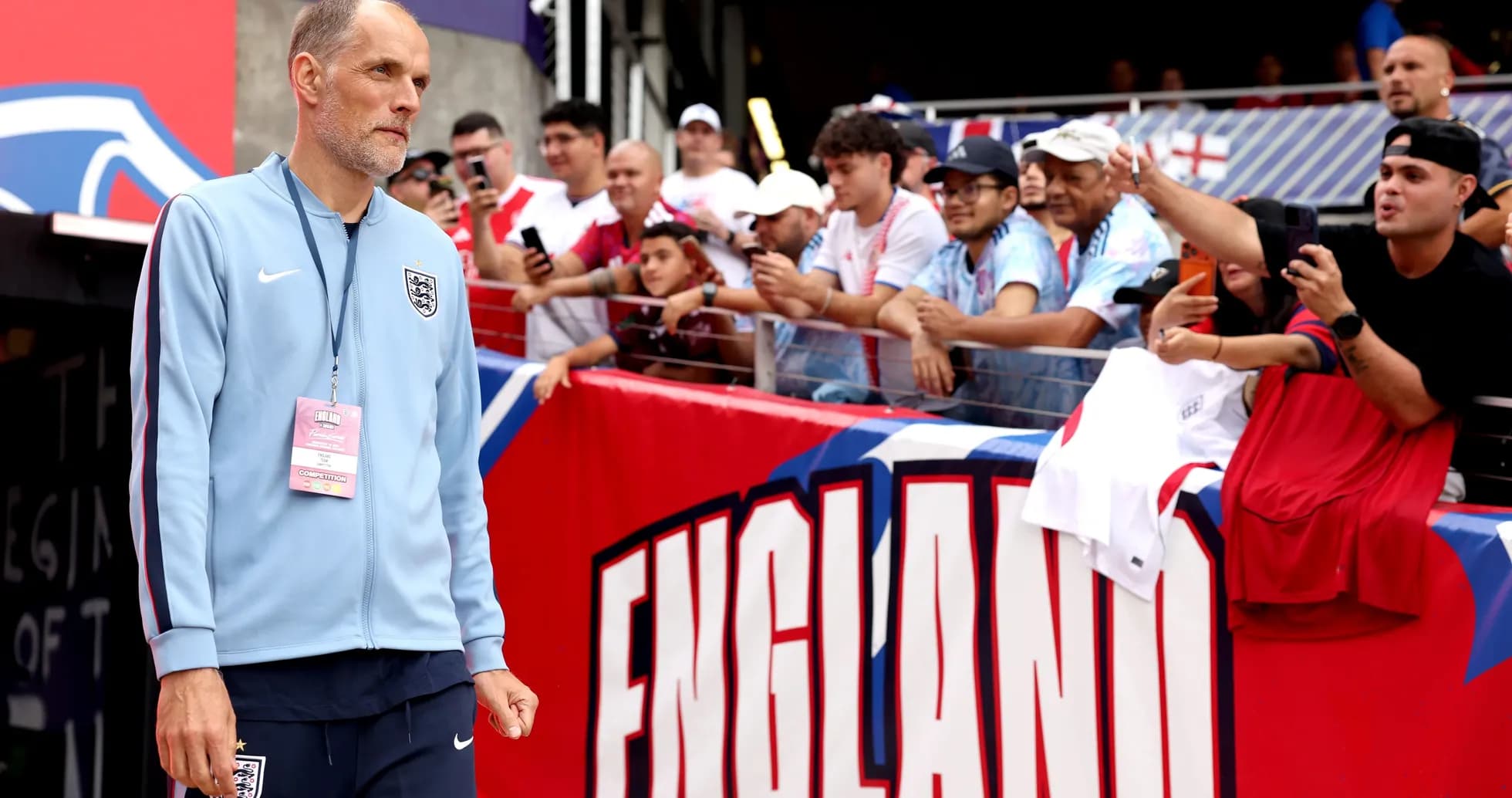
Tuchel, watching from the technical area, saw his plan unfold with almost clinical precision. After the final whistle in Orlando, his satisfaction was obvious. He spoke of the tone set in the pre-match meeting, of players who were ready, of cohesion, brotherhood, team spirit. He knows those are the intangibles that separate a good tournament side from one that goes deep.
The performance also extended England’s remarkable run to nine consecutive wins away from home or at neutral venues. That record matters. Tournament football is built on the ability to travel, adapt, and still impose your game. On this evidence, England are carrying that habit straight into the biggest stage.
The night’s only real jeopardy hovered in the clouds above, not in the tackles below. England emerged injury-free, a priceless detail with the World Cup now days away. Legs looked fresh, minds sharp. No grimacing substitutes, no ice packs strapped to key joints. For a manager, that can feel as valuable as the goals.
Ollie Watkins added the gloss late on, rising to head in England’s third and underline the gap between the sides. It was a classic centre-forward’s contribution: minimal fuss, maximum impact. By then, the result was beyond doubt, but the message kept coming—this team intends to finish games as strongly as it starts them.
Tuchel, though, already has his eyes on what comes next. He spoke of the World Cup “coming,” of tension that will grow once the ball starts rolling for real. That tension, he said, is when he feels most alive. You sense he wants his players to embrace that same edge, to live in it rather than fear it.
There is no parade to follow this win, only work. The squad heads back to West Palm Beach for another training session and a behind-closed-doors strategy fixture against Miami FC, designed less for spectacle and more for sharpening patterns, distances, and decisions. A brief rest will follow, then the move to their main base in Kansas City, where the final touches will be applied away from cameras and noise.
Six days from now, the rehearsal ends. England open their World Cup campaign against a rugged, battle-tested Croatia side in Dallas on June 17. The storms in Florida have passed; the real weather is coming.