Derek McInnes Takes Over as Rangers Manager
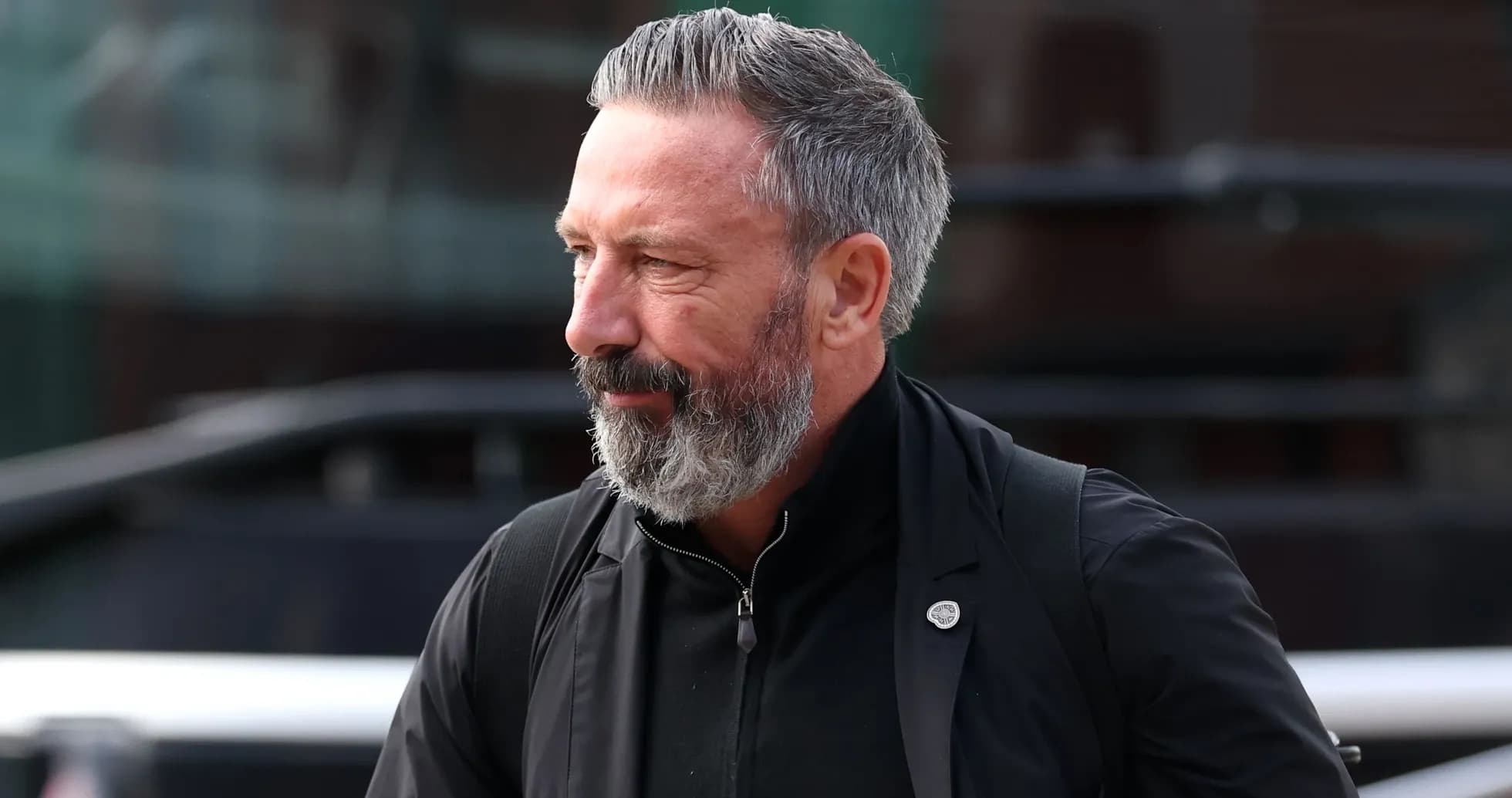
Derek McInnes is back at Ibrox. This time, the armband is a tracksuit and a three-year contract.
Rangers have confirmed the 54-year-old as their new manager, handing the former midfielder the job he has openly coveted for much of his coaching career. A stalwart in his playing days with more than 150 appearances for the club between 1995 and 2000, McInnes returns to Glasgow with over 800 games of managerial experience behind him and a reputation freshly burnished by a standout season at Hearts.
From Tynecastle triumph to Ibrox task
The timing tells its own story. McInnes arrives on the back of a campaign at Hearts that brought a clean sweep of domestic managerial honours: PFA Scotland Manager of the Year, SPFL Manager of the Year and SFWA Manager of the Year. In a league where perception is often as important as points, that kind of haul carries weight at Ibrox.
Rangers have moved quickly after confirming the departure of German coach Rohl earlier in the week. Rohl has chosen to continue his career in the Austrian Bundesliga with Red Bull Salzburg, leaving a vacancy that the board clearly felt McInnes was now perfectly placed to fill.
The new manager will not be coming alone. Alan Archibald, Paul Sheerin and Craig Clark will join him as part of his backroom staff, giving Rangers a coaching team steeped in Scottish football and familiar with the demands of the Premiership grind.
A boyhood Blue in the hot seat
For McInnes, this is more than a career move. It is the culmination of a long chase.
"It is a real honour to become the manager of Rangers Football Club," he said, underlining the emotional pull of the job. "It is no secret that I grew up a Rangers supporter, and I am convinced this is the right time to take on this prestigious role given the club’s structure, and leadership from Andrew, the Board, and Jim."
The sentiment is romantic. The reality is ruthless.
"The demands here are clear, and our supporters rightfully have high expectations," he added. "It is up to me, my staff and my players to meet those expectations, and have this club performing as it should.
"There is a lot of hard work ahead, but already the preparations have begun, and I am looking forward to meeting the current squad in the coming weeks and welcoming some new faces."
That last line offers a glimpse of what comes next. Assess the squad. Decide who fits. Bring in players who can handle the weight of the shirt and the relentlessness of a title race.
Experience built for this league
McInnes arrives with a body of work that stretches across St Johnstone, Bristol City, Aberdeen, Kilmarnock and Hearts. His longest and most defining spell came at Aberdeen, where he consistently pushed his team into the upper reaches of the table and into Europe, often as the primary domestic challenger to the Old Firm.
At Kilmarnock, he stabilised and then drove standards upward. At Hearts, he turned momentum into silverware recognition, not with trophies, but with the kind of consistency and intensity that wins awards and attracts attention from clubs of Rangers’ stature.
Rangers chairman Andrew Cavenagh made it clear the board see that track record as exactly what is required.
"I am delighted to welcome Derek to Rangers," he said. "He is someone we have always rated highly, and we believe he is exactly what this club needs at this moment in time.
"His deep Scottish and Rangers experience are important for us. He knows how to win in this league, and he is coming off an extremely strong season with Hearts."
Those words set the bar. This is not a long-term experiment or a speculative appointment. It is a demand for immediate impact, framed by familiarity with the club, the country and the competition.
Expectation, pressure, and a familiar tunnel
McInnes knows the walk down the Ibrox tunnel. He understands the roar, the scrutiny, the impatience when standards slip. That knowledge is an advantage, but it also strips away excuses. He cannot claim surprise at the scale of the job.
Rangers have turned to a manager who has built his career on resilience, structure and making teams hard to play against. Now he must marry that pragmatism with the attacking edge and authority the support demands.
Preparations, he says, have already begun. The next time he steps out at Ibrox, it will not be as the midfielder who once patrolled the centre of the pitch, but as the man tasked with restoring Rangers to where their fans insist they belong.
The question now is simple: can the boyhood fan who once wore the shirt deliver as the manager who must carry the club’s modern burden?