Colorado Springs vs Sacramento Republic: A Tactical Clash
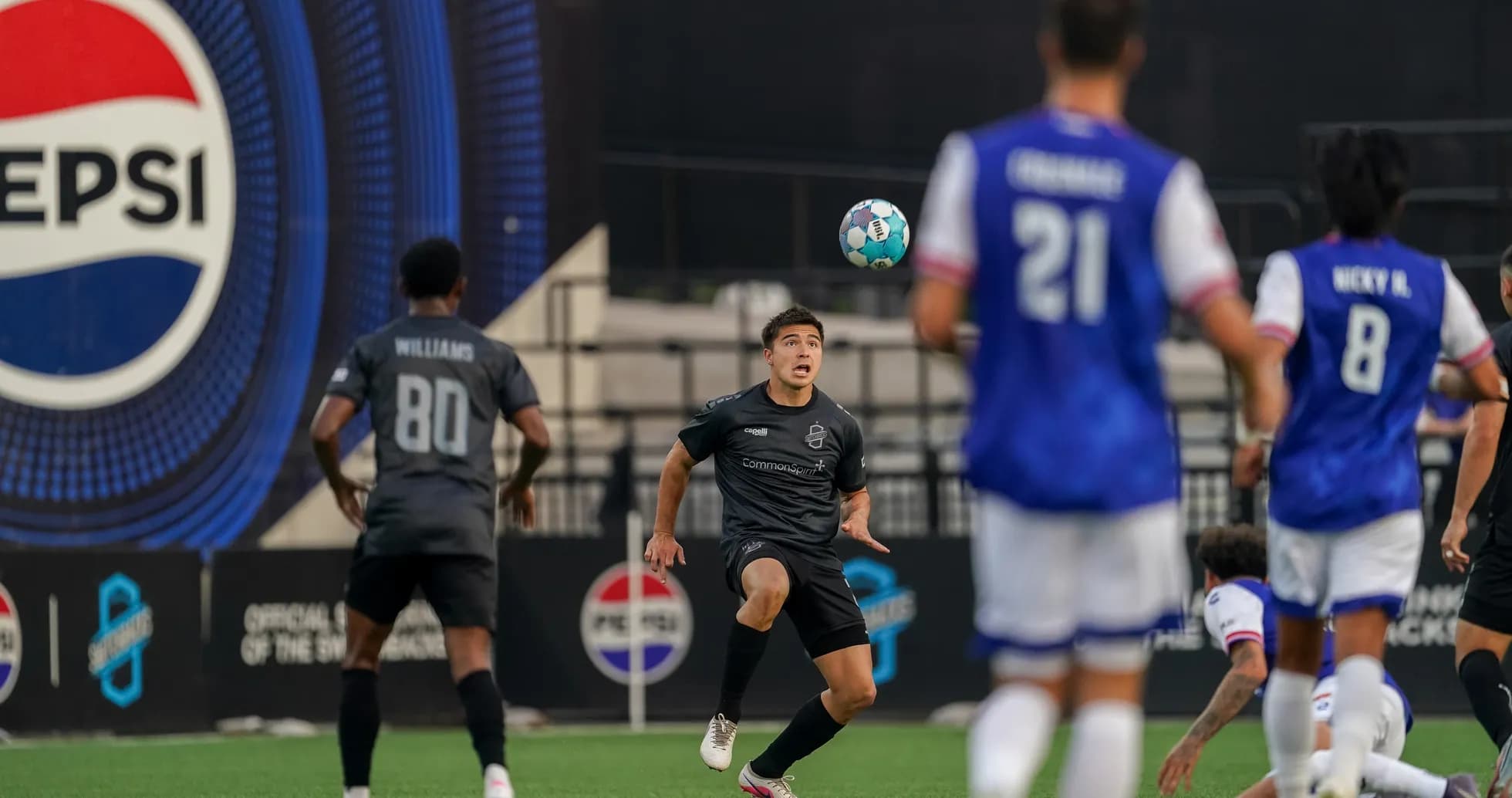
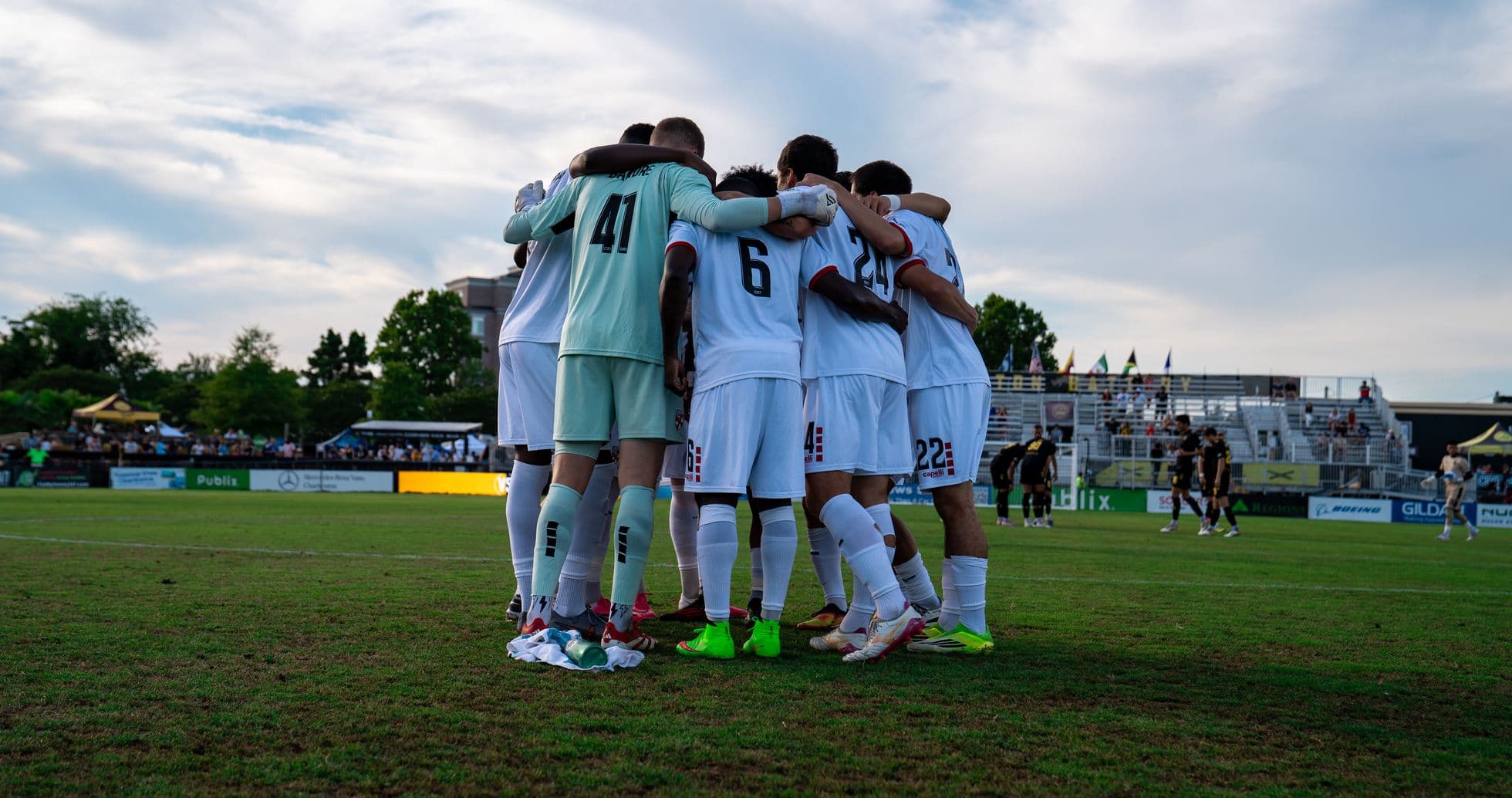
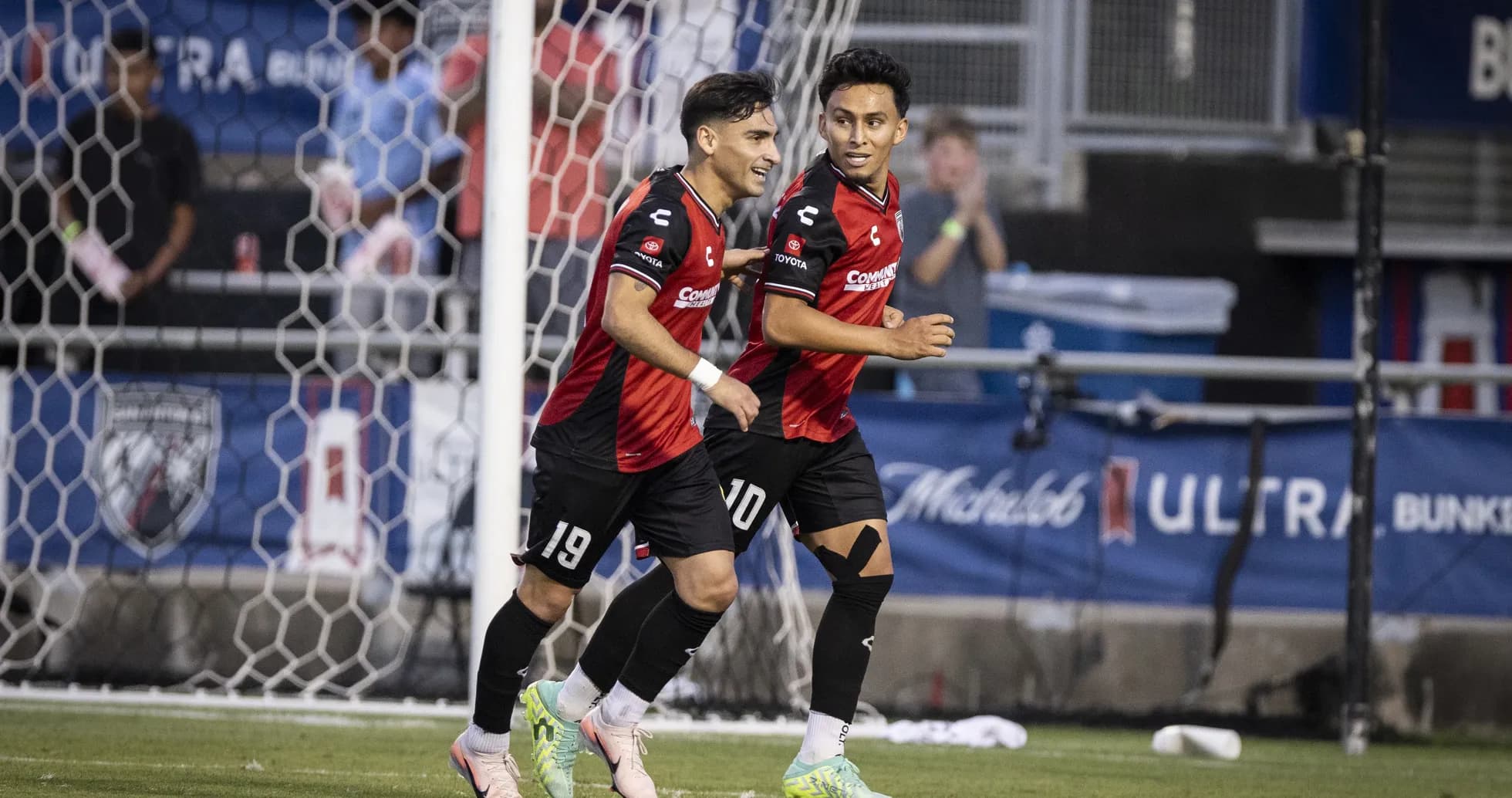
Under the lights at Weidner Field, Colorado Springs and Sacramento Republic met in a Group Stage clash that felt more like a playoff dress rehearsal than a mid-season checkpoint. By the final whistle, the scoreboard read 0–1, a narrow away win that neatly distilled the seasonal DNA of both sides: Colorado Springs adventurous but brittle, Sacramento controlled and clinical.
Heading into this game, the table had already sketched the outlines of their identities. Colorado Springs sat 11th in USL 1 with 13 points from 11 matches, perfectly balanced in goal difference: 18 scored and 18 conceded overall. At home they had been more assertive, with 10 goals for and 7 against in 5 outings, averaging 2.0 goals for and 1.4 against. Sacramento arrived as the more stable outfit, 5th with 16 points from 11 games, their overall goal difference a measured +2 (13 for, 11 against). On their travels they were harder to break down than to inspire, scoring 4 and conceding 6 in 6 away fixtures, an away average of just 0.7 goals for but 1.0 against.
Following this result, the story of the night was Sacramento’s ability to lean into that defensive identity and squeeze a game that Colorado Springs usually prefers to stretch.
I. Colorado Springs: A fractured attacking promise
Alan McCann’s starting XI told a familiar tale: trust the front line to create chaos, hope the back line holds long enough. With C. Shutler in goal and a defensive band built around P. Burner, T. Maples, M. Mahoney and A. Rocha, Colorado Springs had the personnel to play on the front foot but not necessarily to dominate territory without risk.
In midfield, S. Williams and S. Masereka offered legs and bite, while T. Magee and B. Creek were tasked with knitting play between lines. Ahead of them, the pairing of Y. Hanya and K. Bennett suggested a direct, vertical threat: Hanya’s mobility and Bennett’s presence as a focal point.
This is a side that, heading into this game, had scored 18 in total across 11 league matches, but that productivity comes with exposure. Their overall average of 1.6 goals for is mirrored exactly by 1.6 against, a symmetry that hints at open games and fine margins. At home, the numbers are even more aggressive: 10 goals scored in 5 matches, but only 1 clean sheet overall this season and none at home. The fact they had failed to score in just 1 home game underlined why McCann leaned into attacking profiles from the start.
Yet the structural void was clear: without a defined holding pivot or a deep-lying controller in the lineup, Colorado Springs were always at risk of being played through when their press was broken. The bench options – A. Perez and J. Tejada as attacking reinforcements, plus the energy of D. Williams and J. Fjeldberg – gave McCann ways to chase the game rather than lock it down.
Disciplinarily, Colorado Springs are a side that spreads their yellow cards across the 90 minutes, but with a notable spike just after the interval: 20.00% of their yellows arrive between 46–60 minutes. That tendency to pick up cautions early in the second half often reflects a team trying to reassert control after a chaotic opening period – a risk when chasing a deficit, as they eventually had to here.
II. Sacramento Republic: Control, compression, and quiet authority
Neill Collins set Sacramento up in a way that matched their season-long profile: compact, disciplined, and efficient. D. Vitiello in goal was protected by a back line of J. Gurr, J. Timmer, L. Desmond and M. Benitez – a unit that has underpinned 4 clean sheets overall in the league, including 2 on their travels.
In midfield, D. Crisostomo and M. Kaye formed the spine of the “engine room,” with T. Wolff and M. Rodriguez offering the connective tissue between defence and attack. D. Wanner and K. Edwards gave Collins width and verticality, the latter a natural outlet to stretch Colorado Springs’ back line.
Sacramento’s seasonal numbers heading into this game were those of a side that values structure over spectacle. Overall they averaged 1.2 goals for and just 1.0 against, and on their travels they were particularly conservative: 4 goals scored and 6 conceded in 6 away matches. They had failed to score away twice, but crucially, had also kept 2 away clean sheets. This was an away side comfortable in one-goal games.
Their disciplinary profile reinforced that image of edge and intensity. Sacramento’s yellow cards cluster around pressure moments: 29.03% of their bookings arrive between 31–45 minutes, with another 25.81% in the 76–90 window. They are a team that tightens the screw just before the break and again in the closing stretch, willing to foul to break rhythm or kill transitions.
III. Hunter vs Shield, Engine Room vs Enforcer
Without official top-scorer data, the “Hunter vs Shield” narrative had to be inferred from the squads and seasonal trends. Colorado Springs, with their 10 home goals in 5 matches, rely heavily on the collective threat of their front line. Hanya’s movement off the right and Bennett’s presence through the middle form the spearhead of their attack. The Shield, on this night, was Sacramento’s away defence – a unit that, heading in, conceded just 1.0 goals per away match and had already proven capable of shutting games down.
That battle was won by Sacramento’s back four and Vitiello. The visitors’ ability to compress space between the lines denied Hanya and Bennett the kind of open-field transitions Colorado Springs thrive on at home. When Colorado Springs tried to overload wide areas with Magee and Creek drifting out, Gurr and Benitez held their shape, forcing crosses from deeper positions and limiting high-quality chances.
In the “Engine Room” duel, M. Kaye and D. Crisostomo were pivotal. Their task was to smother the influence of S. Williams and S. Masereka, who normally drive Colorado Springs’ tempo. By holding their positions and circulating possession calmly, Sacramento’s midfield duo dragged the game toward the rhythm they prefer: measured, patient, and low-event. That control allowed creative profiles like Wolff and Rodriguez to find pockets, and ultimately helped engineer the decisive attacking moment that separated the sides.
IV. Tactical voids and the late-game narrative
With no formal injury list provided, the tactical voids were more structural than personnel-based. Colorado Springs’ main absence was a true defensive anchor in midfield; when they pushed numbers forward, the space in front of Maples and Mahoney was repeatedly exposed. Sacramento, conversely, lacked a natural penalty-box predator in the starting XI, which meant their attacks relied more on combination play and late runs than sheer presence in the area.
As the match moved into its decisive phase, the statistical tendencies of both teams came into focus. Sacramento’s propensity to collect late yellows – 25.81% between 76–90 minutes – mirrored their willingness to defend deeper and foul when necessary to preserve a narrow lead. Colorado Springs, chasing the game, were forced into riskier passing and more aggressive counter-pressing, exactly the kind of scenario where Sacramento’s disciplined shape thrives.
McCann’s bench, with the likes of Perez, Tejada, and Fjeldberg, offered attacking variety but not necessarily the structural control to prevent counters. Every substitution vector – any time [IN] replaced [OUT] – tilted the match further toward an end-to-end conclusion, which suited Sacramento’s counter-punching instincts once they had the advantage.
V. Statistical prognosis and what this result tells us
In an xG sense, this had all the hallmarks of a tight contest. Sacramento’s season-long averages suggest they rarely generate big attacking volumes away from home, but they also concede very little in terms of clear chances. Colorado Springs, by contrast, tend to create more at home but also allow opponents opportunities, reflected in their identical 1.6 averages for goals for and against overall.
Following this result, the verdict is clear: in a match where margins were always likely to be thin, the side with the more reliable defensive structure and game management came out on top. Sacramento’s away defensive solidity – 6 goals conceded in 6 away fixtures heading in – translated into another disciplined performance, while Colorado Springs’ inability to turn territorial pressure into goals underlined why their goal difference remained stuck at 0.
As the Group Stage narrative continues, Colorado Springs must find a way to preserve their attacking edge while tightening the spaces between their lines. Sacramento, meanwhile, leave Weidner Field with a win that perfectly fits their profile: controlled, narrow, and ruthlessly efficient when it mattered most.