Chicago Red Stars W vs Washington Spirit W: A Study in Contrasts
Under the lights at Northwestern Medicine Field at Martin Stadium, this Group Stage clash in the NWSL Women sets up as a study in contrasts: the league’s strugglers, Chicago Red Stars W, hosting title-chasing Washington Spirit W. The final scoreline – 0-3 to the visitors – underlined the gap, but the story of the squads and structures explains why it unfolded so ruthlessly.
Chicago came into the night rooted in 16th place with 17 points from 25 matches, a brutal goal difference of -43 built from 14 goals scored and 57 conceded overall. At home, they had taken 4 wins from 12, but their 10 home goals at an average of 0.8 per game were always threatened by the 25 conceded at 2.1 per match. The season’s pattern is clear: a side that spends long spells under siege, hoping to ride out storms it rarely survives.
Washington, by contrast, arrived as a polished contender. Second in the table with 46 points from 25 games, they had crafted a positive goal difference of 13 from 36 scored and 23 allowed overall. On their travels, they had been even more impressive: 8 wins, 3 draws, 2 defeats in 13 away matches, with 21 goals scored and just 10 conceded, averaging 1.6 goals for and 0.8 against away from home. A compact, confident side, hardened by clean sheets – 6 away, 10 in total – and a capacity to manage games.
Lineups
The lineups told the tactical tale even before kickoff. Chicago set out in a 4-4-2, a shape that can offer solidity but demands precision in transition. Alyssa Naeher anchored the back line, shielded by a defensive quartet of T. Malham, Maitane López, S. Staab, and Nádia Gomes. In front of them, a narrow-looking midfield of J. Bike, B. Pinto, B. Franklin, and Leila Ouahabi had to do the running of five players to close Washington’s lanes. Up front, M. Alozie and J. Grosso were tasked with stretching a disciplined Spirit defense that has conceded only 10 away goals all season.
For Washington, coach Adrián rolled out a 4-3-3 that has become their defining template. S. MacIver in goal sat behind a back four of L. Di Guglielmo, T. McKeown, E. Morgan, and G. Carle – a unit comfortable defending higher up the pitch. The midfield trio of A. Sullivan, Hal Hershfelt, and M. Bethi offered balance: Sullivan as the positional anchor, Hershfelt as the link, Bethi as the shuttler. Ahead of them, a front three of R. Kouassi, S. Cantore, and the league’s standout attacking force, T. Rodman, promised both width and incision.
Rodman's Impact
Rodman’s season explains much of Washington’s identity. With 9 goals and 5 assists in 25 appearances, she is the league’s dual threat: top scorer and top creator for the Spirit. Her 60 shots, 26 on target, and 25 key passes speak to a player who constantly forces defensive decisions. She also brings work rate – 28 tackles, 4 blocked shots, 18 interceptions – allowing Washington to press high and trap opponents trying to play out.
That is precisely where Chicago’s structural weaknesses intersect with Washington’s strengths. Overall, Chicago concede an average of 2.3 goals per match, and the timing of those concessions is damning. Their biggest vulnerability is immediately after half-time: 26.79% of their goals against come in the 46-60 minute window, followed by 19.64% between 61-75. Those are the periods when Washington’s 4-3-3 tends to squeeze the pitch, with Sullivan stepping up to lock second balls and Rodman driving directly at tiring full-backs.
Chicago’s own attacking profile offers only flickers of hope. In total this campaign, they have scored just 14 goals, but their minute distribution shows twin peaks: 26.67% of their goals between 46-60 minutes and another 26.67% between 76-90. When they do strike, it is often late in each half, when games become stretched. Yet this is also when Washington’s defensive numbers away from home – only 10 goals conceded in 13 away fixtures – suggest they stay organized and compact, rarely panicking even under pressure.
Midfield Duel
In the engine room, the duel between B. Pinto and A. Sullivan is central. Pinto, operating as one of Chicago’s key midfield pivots, must find a way to connect a side that has failed to score in 17 of their 25 matches overall. Against her stands Sullivan, who, despite a disciplinary profile that includes 2 yellow cards and a yellow-red this season, reads the game superbly. Her 296 passes at 86% accuracy and 10 interceptions show a player who breaks attacks at source and then calmly restarts possession.
Discipline could have been a hidden hinge. Chicago’s yellow-card profile shows 34.78% of their cautions coming in the 31-45 minute band and 26.09% between 46-60, often when they are under sustained pressure. Washington’s bookings cluster in similar pressure zones – 22.22% between 31-45 and another 22.22% in the final 15 minutes – but their structure allows them to absorb the emotional spikes. The Spirit have also lived dangerously with penalties: they have earned 3 in total, scoring 2 and missing 1, a reminder that their dominance does not always translate into flawless execution from the spot.
Chicago’s bench – including S. Charley, Oihane Valdezate, and A. Gasper – offers defensive shuffles and direct running but little in the way of proven end product to change a game state against such a disciplined opponent. Washington, meanwhile, can rotate in forwards like A. Hatch or Tamara Bolt and midfielders such as M. Ngock and P. Metayer without losing their structural integrity.
Statistical Prognosis
From a statistical prognosis, this matchup was always tilted heavily toward the visitors. Washington’s overall scoring rate of 1.4 goals per match, combined with their defensive average of 0.9 conceded, meets a Chicago side averaging just 0.6 goals for and 2.3 against. Even allowing for variance in xG that we cannot see directly here, the underlying trends are stark: one team systematically creates and protects leads; the other consistently chases games from losing positions.
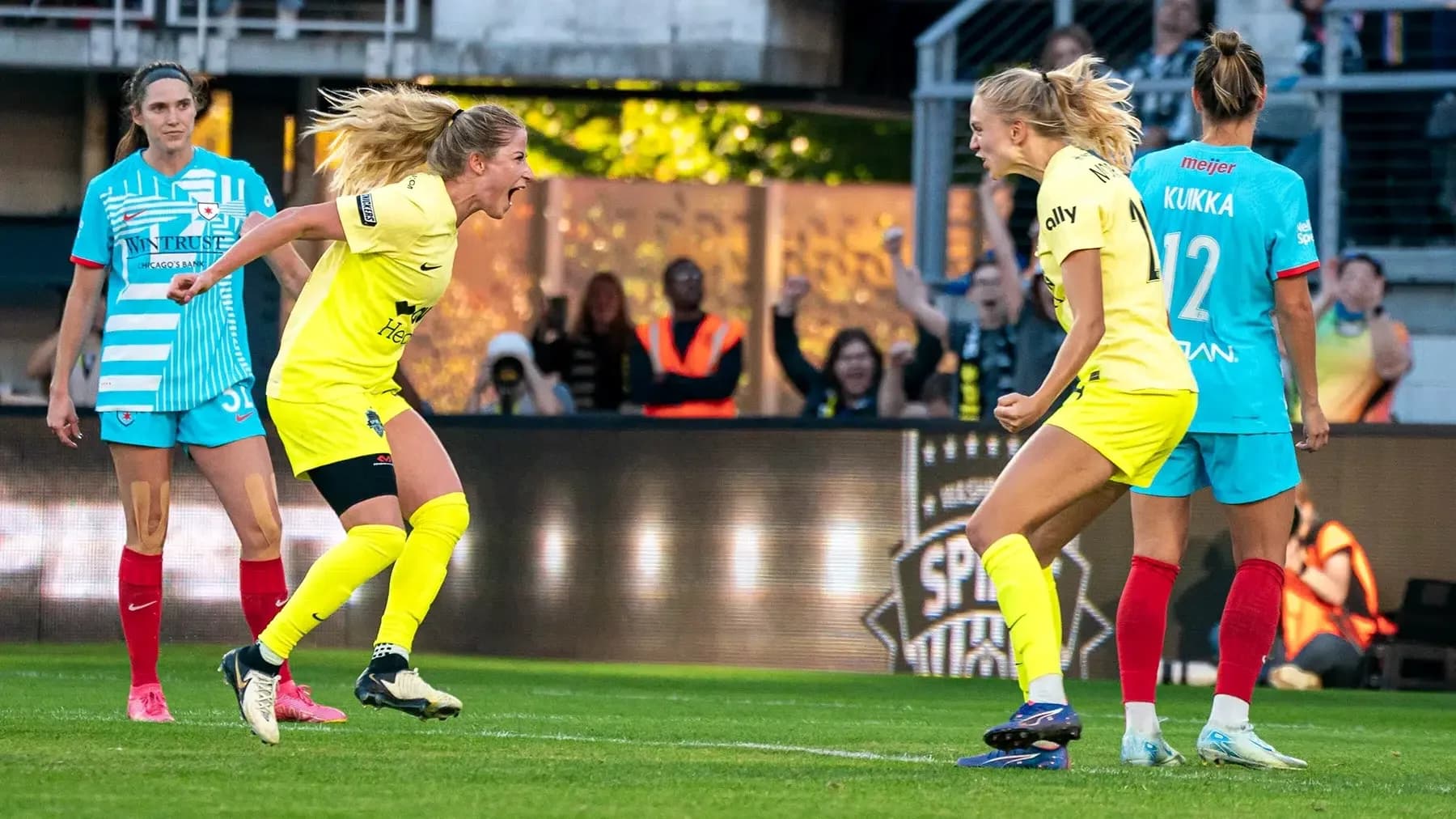
In narrative terms, the 0-3 full-time scoreline simply crystallized what the numbers and lineups had foreshadowed. Washington Spirit W imposed their high-pressing, Rodman-led front line on a fragile Chicago structure, while Sullivan and the back four smothered the home side’s sporadic surges. For Chicago Red Stars W, the task ahead is clear: to close the defensive gaps that open so regularly after the interval, and to find a way, any way, to turn their late-game flurries into something more than consolation passages against the league’s elite.