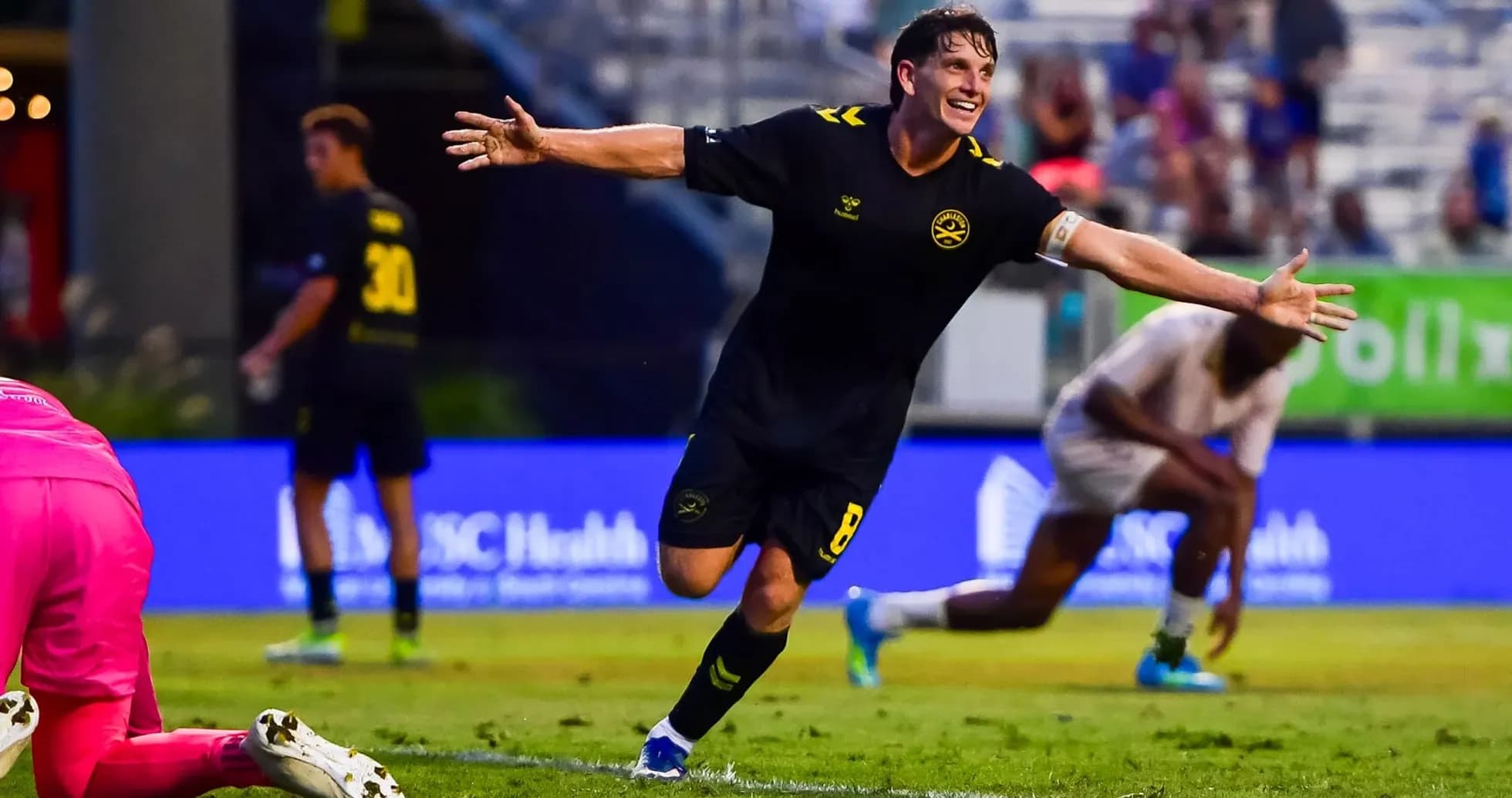
Charleston Battery Dominates FC Tulsa 5-1 at Home
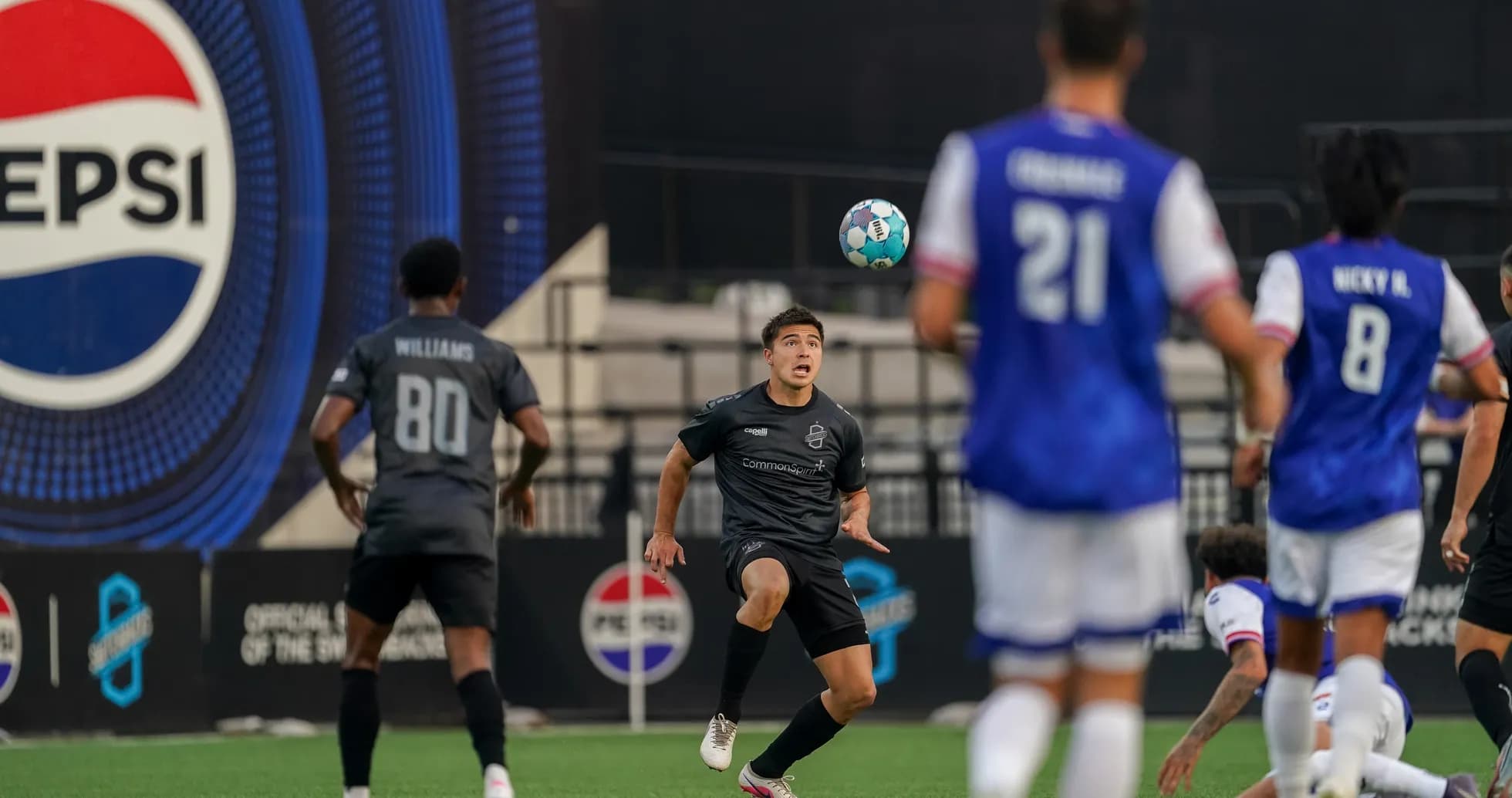
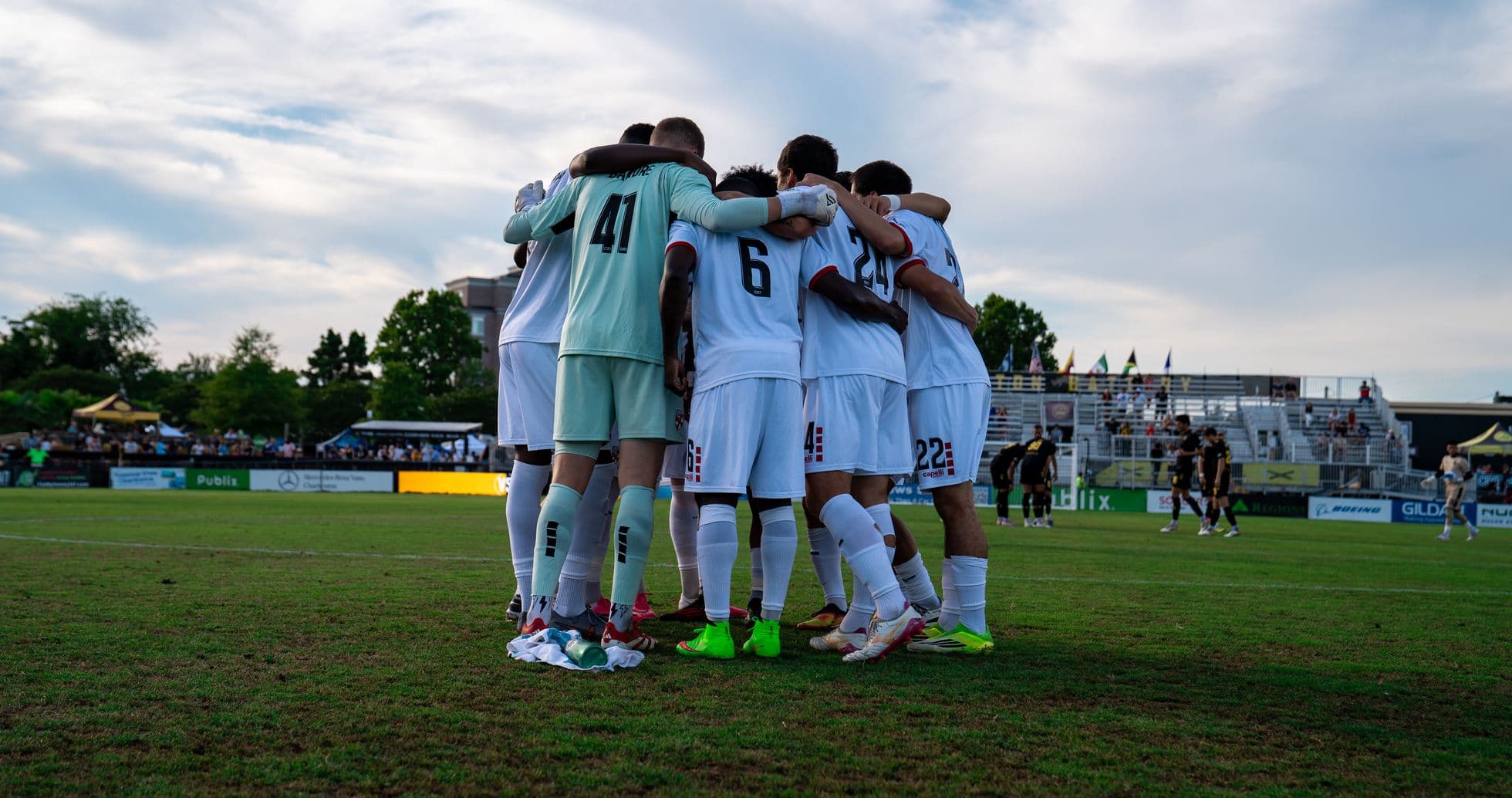
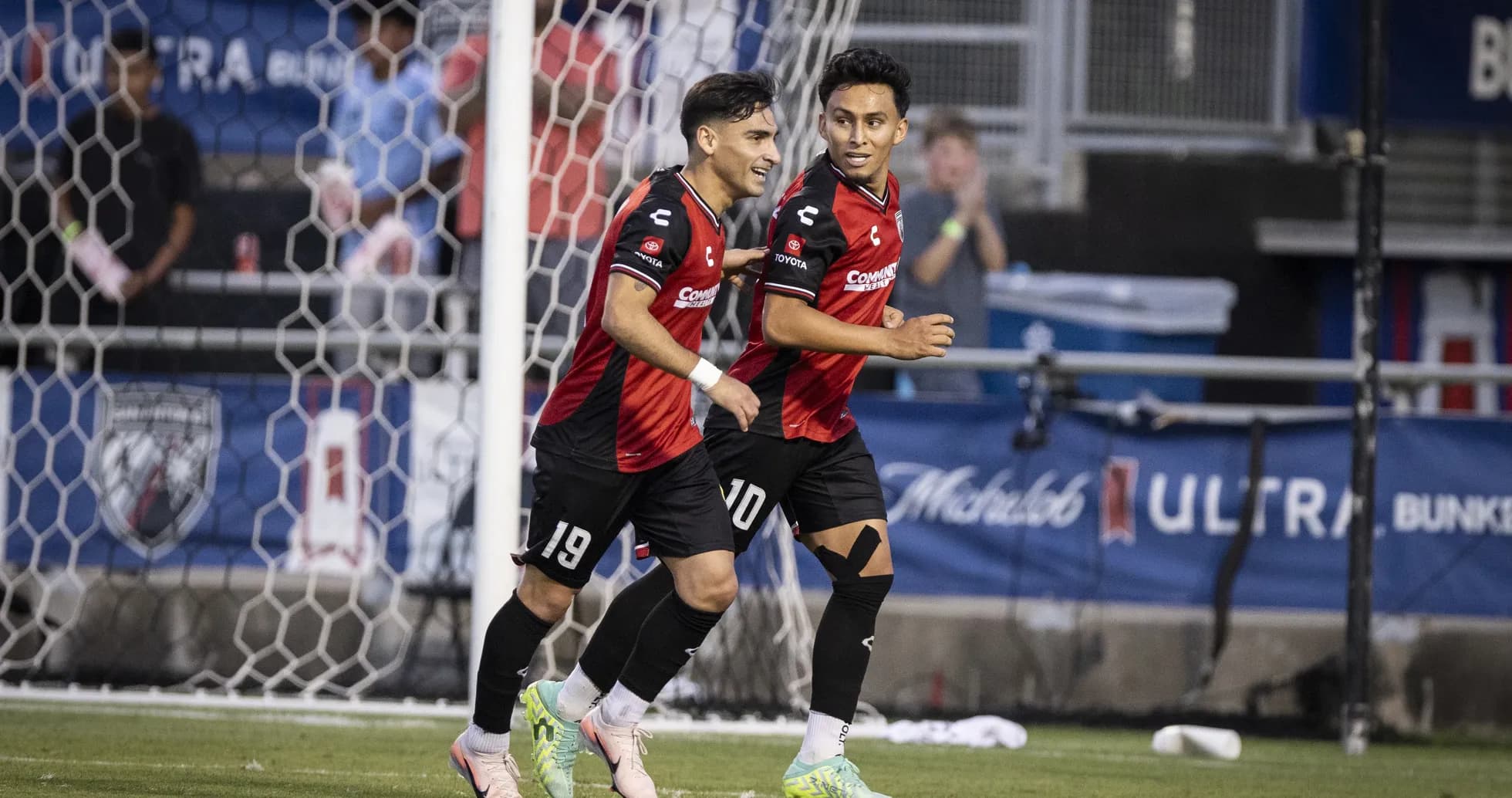
The night at Patriots Point Soccer Complex ended with the scoreboard screaming the story: Charleston Battery 5, FC Tulsa 1. In the humid air of a USL Championship Group Stage clash, a side already formidable at home tightened its grip on the upper reaches of the table, while a rising visitor was handed a brutal reminder of the margins at this level.
Heading into this game, Charleston’s seasonal DNA was already clear. In total this campaign, they had played 12 matches, sitting 4th with 20 points and a goal difference of 5, built on 21 goals for and 16 against. At home they had been almost untouchable: 6 played, 5 wins, 1 draw, 0 defeats, with 17 goals for and only 5 against. An average of 2.8 goals for at home, and just 0.8 conceded, painted Patriots Point as a fortress.
FC Tulsa arrived as one of the league’s most intriguing travelers. In total they had 11 matches, 16 points, and a perfectly balanced goal difference of 0, from 14 goals scored and 14 conceded. On their travels they had been competitive: 6 away games, 2 wins, 2 draws, 2 losses, with 8 goals for and 10 against, averaging 1.3 scored and 1.7 conceded away. Their form line of “LDWWW” in the standings suggested momentum, but also a team still learning how to control games rather than simply survive them.
The script on the night matched the underlying trends, only in a more extreme, unforgiving form.
Goalscoring Profile
Charleston’s goalscoring profile this season had been defined by surges rather than slow burns. In total this campaign, 22.73% of their goals had come between 16-30 minutes, 18.18% between 31-45, and a late-game surge of 27.27% between 76-90. They were a side that punched early and finished brutally. Against Tulsa, that early punch became a full first-half onslaught: 3-1 by the interval, the game effectively bent to Ben Pirmann’s will.
Without official formation data, the shape still revealed itself through the cast. L. Zamudio anchored Charleston from goal, with a defensive line built around the likes of D. Martinez, G. Smith, J. Akpunonu, and N. Messer. In front of them, the control and tempo of E. Ycaza and K. Pakhomov offered the platform for a front line of chaos and movement: M. Foster, M. Berry, J. Kelly, and C. Swan. It was a group tailored for verticality and volume, and their season numbers backed it up: in total this campaign, Charleston had failed to score only 4 times, all away from home. At home they had never drawn a blank.
FC Tulsa’s structure under Luke Spencer looked more cautious on paper, with A. Tambakis in goal and a back line including Ian, A. Clarke, L. Batista, and L. Stauffer. The midfield core of G. Colli and J. Kocevski, flanked by the energy of G. Robinson and B. Sparks, was tasked with linking to the attacking presence of R. Cabral and J. Webber. On their travels this season, Tulsa had been resilient enough to keep 1 clean sheet and fail to score only twice, but their away goals against total of 10 hinted at vulnerability when stretched.
Tactical Analysis
Tactically, the key intersection was always going to be Charleston’s timing of attacks against Tulsa’s defensive resilience. Charleston’s most dangerous windows in total this campaign had been 16-30 and 76-90, while their goals against profile showed 26.67% conceded between 76-90 – a team that plays with risk all the way to the end. Tulsa, by contrast, had no detailed minute distribution available, but their away average of 1.7 goals conceded suggested that once pressure mounted, cracks appeared.
On the night, Charleston’s first-half storm aligned perfectly with their statistical identity. They pressed and pinned Tulsa back, leveraging the technical security of Ycaza and Pakhomov to keep the ball in advanced zones, while the front four rotated and attacked the spaces between full-back and centre-back. With Charleston already boasting in total this campaign a 5-1 home win as their biggest home margin, they essentially matched that benchmark again.
For Tulsa, this was their worst-case defensive scenario: a repeat of their heaviest away loss of 5-1 in total this campaign. The back line struggled to compress space between the lines, leaving Colli and Kocevski constantly firefighting rather than dictating. With no red cards on either side in the season data and no indication of dismissals here, this collapse came not from numerical disadvantage but from structural stress.
Disciplinary Patterns
Disciplinary patterns also fed the narrative. In total this campaign, Charleston’s yellow-card curve shows 23.08% of bookings between 31-45 and another 23.08% between 76-90 – a team that tackles aggressively at the emotional edges of each half. Tulsa’s bookings are most concentrated between 61-75, at 25.81%, and 76-90, at 19.35%, suggesting that as games open up late, they are forced into more desperate interventions. In a match already slipping away by half-time, that tendency would only have deepened their problems as Charleston chased more goals rather than simply protecting a lead.
Overall Assessment
From a “Hunter vs Shield” perspective, Charleston’s collective attack was the hunter. In total this campaign, their home attack at 2.8 goals per game met a Tulsa away defense conceding 1.7. The Shield cracked early, and then shattered. The “Engine Room” duel saw Ycaza and Pakhomov outmanoeuvre Colli and Kocevski, turning midfield from a contest into a launchpad.
Following this result, the statistical prognosis for both sides sharpens. Charleston look every inch a promotion playoff force: in total this campaign they combine one of the league’s strongest home attacks with a home defense conceding less than a goal a game, and they have yet to miss a penalty, converting 1 of 1 for 100.00%. Their volatility away remains a question, but at Patriots Point they are as close to a sure thing as the USL Championship offers.
For Tulsa, the numbers now underline a split identity. In total this campaign their overall balance of 14 scored and 14 conceded is respectable, but the away pattern of 8 for and 10 against, including a 5-1 defeat, exposes fragility against high-tempo, high-press hosts. Their perfect penalty record in total this campaign – 2 scored from 2, 100.00% – shows composure from the spot, but they cannot rely on dead balls to survive nights like this.
In xG terms, a 5-1 scoreline usually reflects both sustained pressure and ruthless finishing. Charleston’s season-long attacking volume, especially their surges between 16-30 and 76-90, suggests that this was no fluke explosion but an amplification of existing trends. Defensively, conceding only once against a side averaging 1.3 goals in total this campaign indicates a level of control that goes beyond the raw score.
The verdict: Charleston Battery have turned their home ground into a calculated storm – statistically primed to hit hard in waves and finish opponents late. FC Tulsa, for all their progress, walked straight into it and were swept away.