Charleston Battery Defeats Detroit City 2–0 in USL Clash
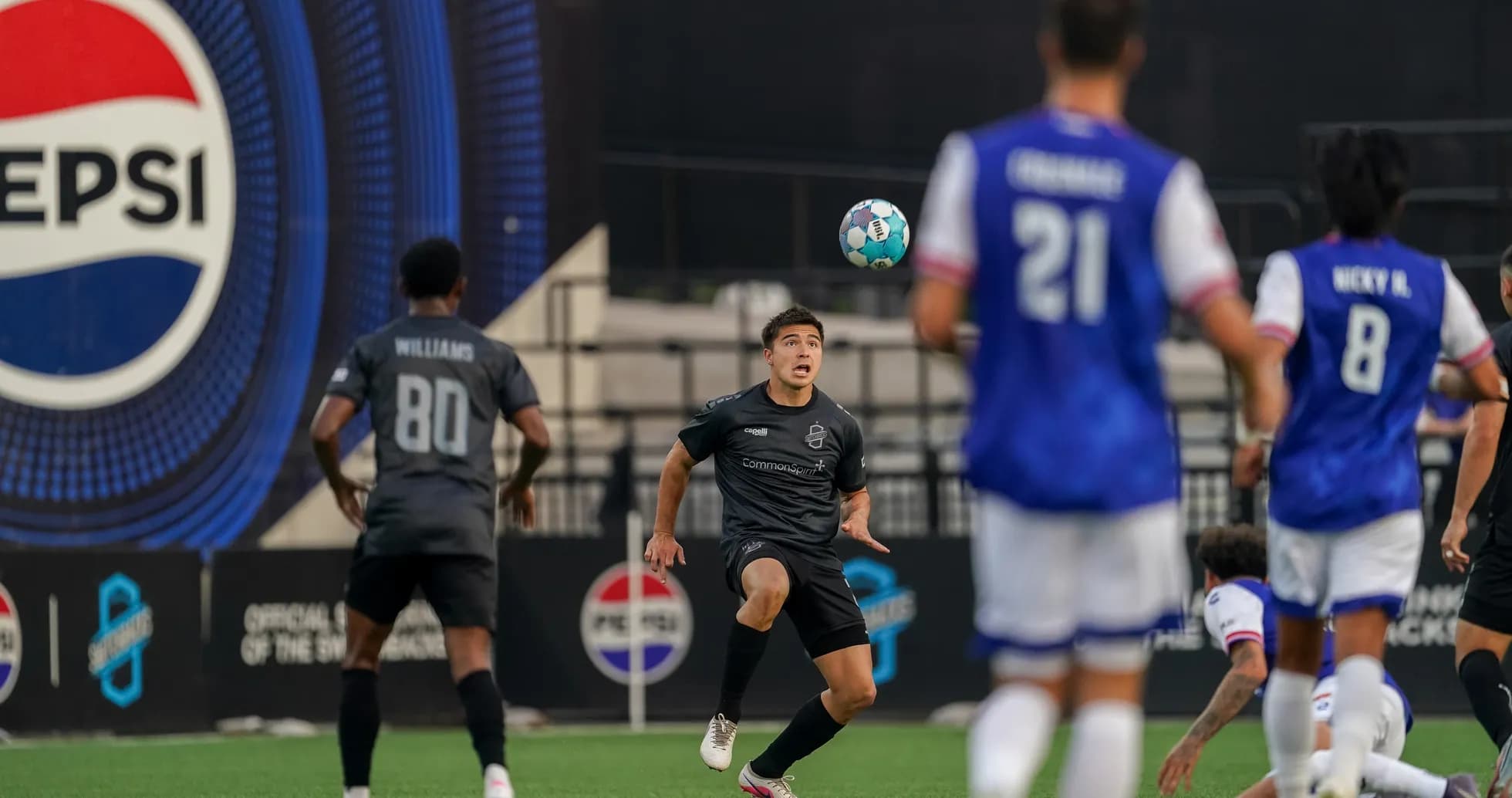
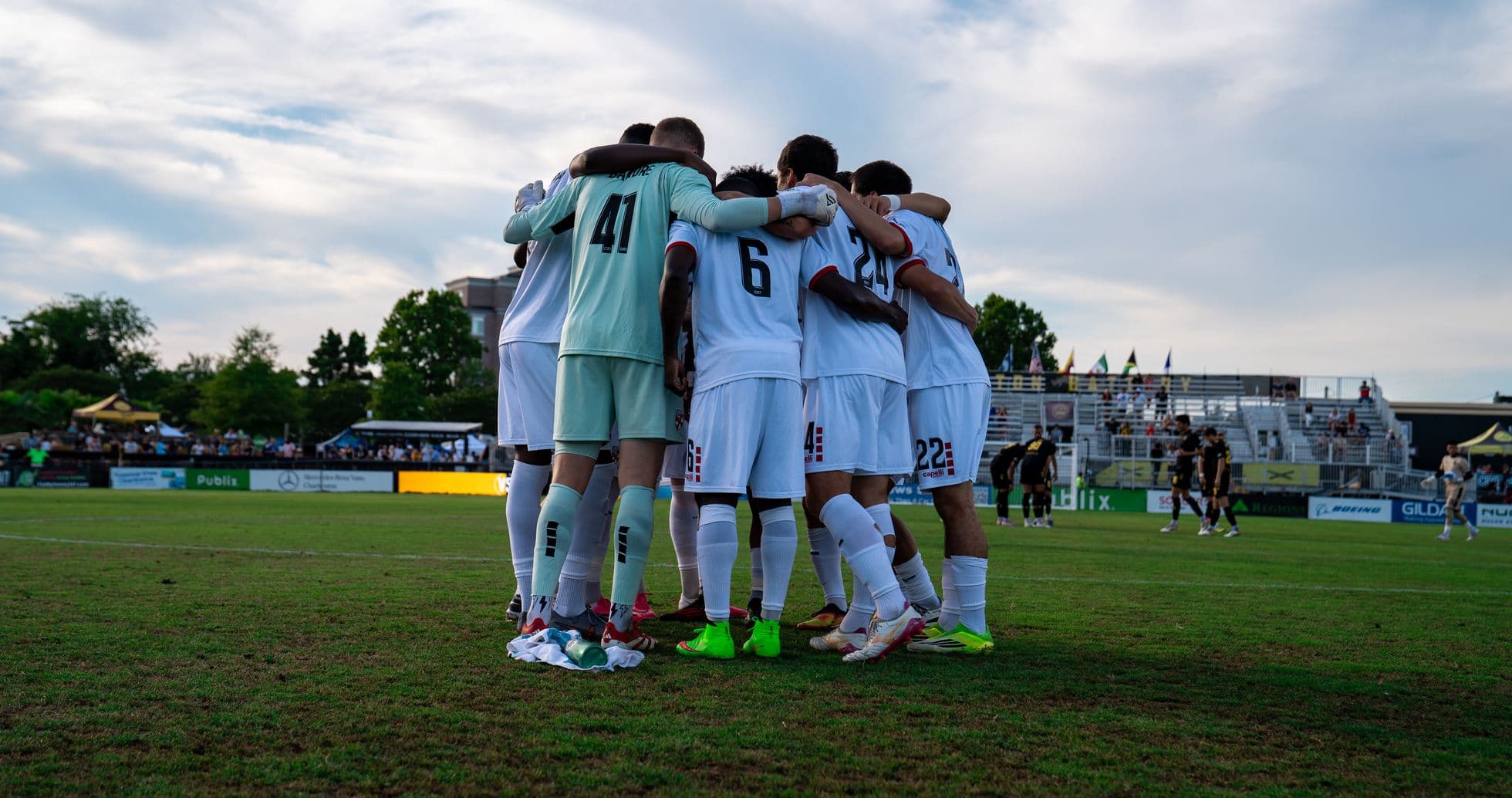
On a humid night at Patriots Point Soccer Complex, Charleston Battery and Detroit City met as two sides already shaping the upper reaches of the USL 1 group, but carrying very different identities. The table framed the stakes: Detroit City arrived ranked 3rd on 17 points with a goal difference of 2, Charleston 4th on 16 points with a goal difference of 1. The league may call this a Group Stage, but both descriptions in the standings are clear: these are clubs tracking toward the USL Championship Play Offs 1/8-finals, and this fixture felt like an early rehearsal for knockout football.
Following this result, the 2–0 home win underlined Charleston’s seasonal DNA: a ruthless, high-ceiling side at home, still searching for balance overall. In total this campaign they have 14 goals for and 13 against over 10 matches, but that almost even split hides a stark home/away split. At home, Charleston have scored 12 and conceded just 4 in 5 matches, an average of 2.4 goals for and 0.8 against. On their travels, they have only 2 goals for and 9 against. Detroit’s profile is the mirror image: rock-solid at home, vulnerable away. Overall they have 12 goals for and 10 against in 11 matches, but at home they are perfect with 5 wins from 5, 9 scored and only 2 conceded. Away, they have yet to win in 6, scoring just 3 and conceding 8.
The lineups told the story of two coaches leaning into their teams’ established traits. Ben Pirmann’s Charleston XI was built around a spine of stability and vertical threat. L. Zamudio in goal anchored a back line featuring D. Martinez, G. Smith, J. Akpunonu and N. Messer. Ahead of them, the central pairing of E. Ycaza and K. Pakhomov gave Charleston their control point, with L. Blackstock and C. Swan providing width and link play. Up front, J. Kelly and M. Berry offered a classic dual-threat: one to stretch, one to occupy.
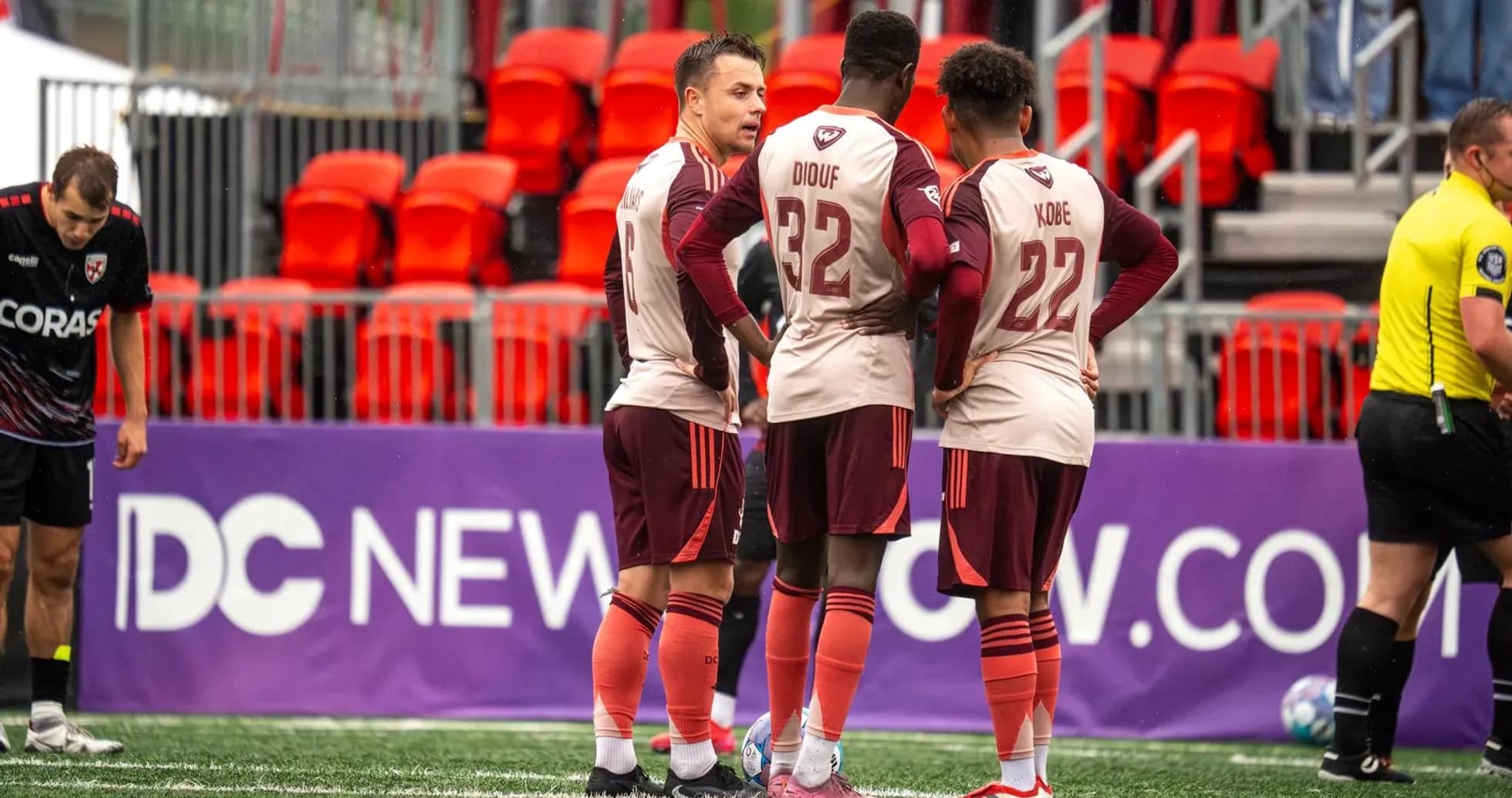
Danny Dichio’s Detroit City setup was more pragmatic, reflecting an away side that has struggled to impose itself on its travels. C. Herrera started in goal behind H. Yamazaki, D. Amoo-Mensah, C. Montgomery and T. Silva. The midfield band of M. Rodriguez, R. Williams and K. Hernandez-Foster was flanked and supported by A. Diouf and D. Smith, with A. Dalou tasked with being the outlet. It was a side configured to compress space, protect central zones, and hope to spring forward in transition.
Tactically, the key voids were less about missing personnel and more about structural fragilities. Charleston’s season-long numbers show that at home they rarely fail to score (0 failed-to-score matches at home) and often seize momentum early, helped by a card profile that spikes in the 31–45 and 76–90 ranges, each accounting for 25.00% of their yellow cards. That aggression around the end of each half translates into territorial dominance and second-ball pressure. Detroit, by contrast, carry their disciplinary risk into the middle of games: 35.29% of their yellow cards arrive between 61–75 minutes, and they have already seen a red card in the 16–30 window. On the road, that volatility tends to drag them deeper and invite pressure.
In this match, Charleston leaned into that pattern. The 2–0 half-time scoreline reflected a side comfortable in front of its own supporters, pressing high and using Ycaza and Pakhomov as the metronome in the “engine room.” With no explicit formation data, the functional shape was clear: Ycaza dropping to collect from Akpunonu and G. Smith, Pakhomov stepping higher to pin Detroit’s midfield, while Blackstock and Swan stretched the pitch to isolate Detroit’s full-backs. Kelly and Berry alternated movements, one dropping into pockets to drag D. Amoo-Mensah or C. Montgomery out of line, the other attacking the resulting channels.
The “Hunter vs Shield” duel here was less about a single top scorer and more about Charleston’s collective attacking unit against Detroit’s away defensive record. Heading into this game, Detroit were conceding 1.3 goals per away match while scoring only 0.5. Charleston at home were averaging 2.4 goals for. That intersection always tilted toward the Battery: if they could turn possession into sustained pressure, Detroit’s away fragility would be exposed. The 2–0 full-time scoreline sits neatly within that statistical expectation.
Individually, Zamudio’s presence allowed Charleston’s back four to hold a slightly higher line, compressing the space where Detroit’s M. Rodriguez and K. Hernandez-Foster like to receive and turn. J. Akpunonu’s physicality in duels, paired with G. Smith’s reading of the game, meant that when Detroit did escape the first press, they were met by a compact, aggressive central block. With Charleston having kept 2 clean sheets at home in total this campaign, that solidity is no accident; it is a structural feature.
On the other side, C. Herrera and his back line were asked to absorb waves of pressure that mirrored Detroit’s broader away narrative. They have managed 2 away clean sheets in total, but those have come in low-event contests where they could dictate tempo. Here, once they fell behind before the interval, their lack of away attacking punch—only 3 away goals in 6 matches—left them chasing a game they are not built to chase. Substitutes like Rafa Mentzingen, B. Morris or R. Hope-Gund offered Dichio different profiles from the bench, but the underlying issue remained: Detroit’s away structure is designed to protect, not to overturn deficits.
From a disciplinary and momentum perspective, the contrast was sharp. Charleston’s yellow-card distribution, with 25.00% of bookings arriving late (76–90), speaks to a team that continues to contest every duel even when ahead, a trait that helps them close games out but always flirts with risk. Detroit’s cluster of yellows between 61–75 minutes (35.29%) often coincides with the period when they tire and tackles become reactive rather than proactive. In a playoff-style 1/8-final scenario, that middle-third volatility could be decisive.
Statistically, the expected goals picture—while not explicitly provided—can be inferred from volume and territory. Charleston’s home attack, averaging 2.4 goals, and their biggest home win of 4–0 suggest they regularly generate high-quality chances in front of their own fans. Detroit’s away attack, at 0.5 goals per match with a heaviest away defeat of 2–0, points to limited xG output on the road. Overlay those curves and the prognosis is clear: in a neutral model, Charleston’s home xG profile overwhelms Detroit’s away defensive resistance more often than not.
Following this result, the narrative hardens. Charleston Battery look every inch a home juggernaut whose path through any future 1/8-final will be built on Patriots Point dominance. Detroit City remain a formidable force in Detroit, but until they solve their away anemia—both in chance creation and emotional control—their ceiling in knockout-style football will be capped. This match, with its clean 2–0 lines and its contrast in identities, felt less like an isolated result and more like a preview of how both squads will live and die when the real elimination games arrive.