Bournemouth vs Manchester City: Tactical Insights from a 1-1 Draw
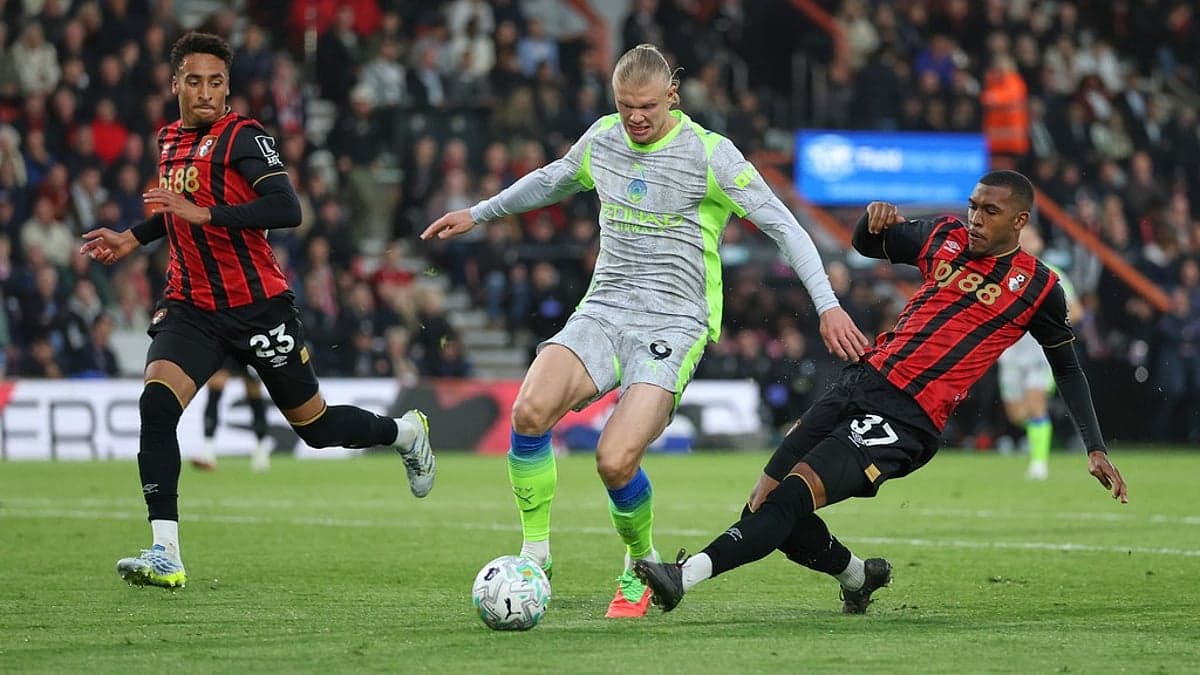
Bournemouth and Manchester City played out a 1-1 draw at Vitality Stadium that felt, tactically, like two different games welded together. Bournemouth’s 4-2-3-1 under Andoni Iraola was front‑foot and aggressive without the ball, while Manchester City’s 4-1-4-1 under Pep Guardiola gradually shifted from control without incision to late, direct pressure that finally broke through. The statistical profile – Bournemouth 45% possession, 10 shots and xG of 1.99 versus City’s 55% possession, 14 shots and xG of 1.68 – underlines how the home side’s structure generated high‑quality chances, even as City dictated territory and tempo for long stretches.
Executive Summary
Bournemouth’s plan revolved around a compact mid-block with sharp triggers to press City’s first line, then rapid, vertical transitions into the space behind Rodri. The 1-0 lead at half-time, secured by E. J. Kroupi, was the logical outcome of that approach. City, with Rodri anchoring behind an advanced line of four midfielders, dominated the ball but initially lacked depth and timing around Erling Haaland. Guardiola’s triple substitution on 56 minutes reconfigured the attacking structure and, combined with Bournemouth’s late defensive fatigue and discipline issues, created the platform for Haaland’s 90th-minute equaliser.
Scoring Sequence & Disciplinary Log
The scoring opened on 39'. Bournemouth worked a rare clean progression through City’s press, finding A. Truffert high on the left. His delivery exploited the space behind City’s back line, and E. J. Kroupi arrived from the left half-space to finish, giving Bournemouth a 1-0 lead. That advantage held until the break and deep into the second half.
City’s pressure finally told at 90'. With Bournemouth dropping ever deeper and struggling to clear their lines, City managed to get Erling Haaland into a central finishing position. The Norwegian converted to make it 1-1, a goal that matched City’s territorial dominance but not necessarily the quality of chances created relative to Bournemouth.
Discipline was heavily tilted towards the hosts. The full card log:
- 37' Tyler Adams (Bournemouth) — Argument
- 59' James Hill (Bournemouth) — Foul
- 90+3' Justin Kluivert (Bournemouth) — Argument
- 90+3' Rodri (Manchester City) — Argument
- 90+6' Adrien Truffert (Bournemouth) — Foul
Bournemouth finished with 4 yellow cards, Manchester City with 1, for a total of 5 bookings. The late cluster of cards reflected a tense closing phase in which Bournemouth’s time under pressure and emotional load began to show.
Tactical Breakdown & Personnel
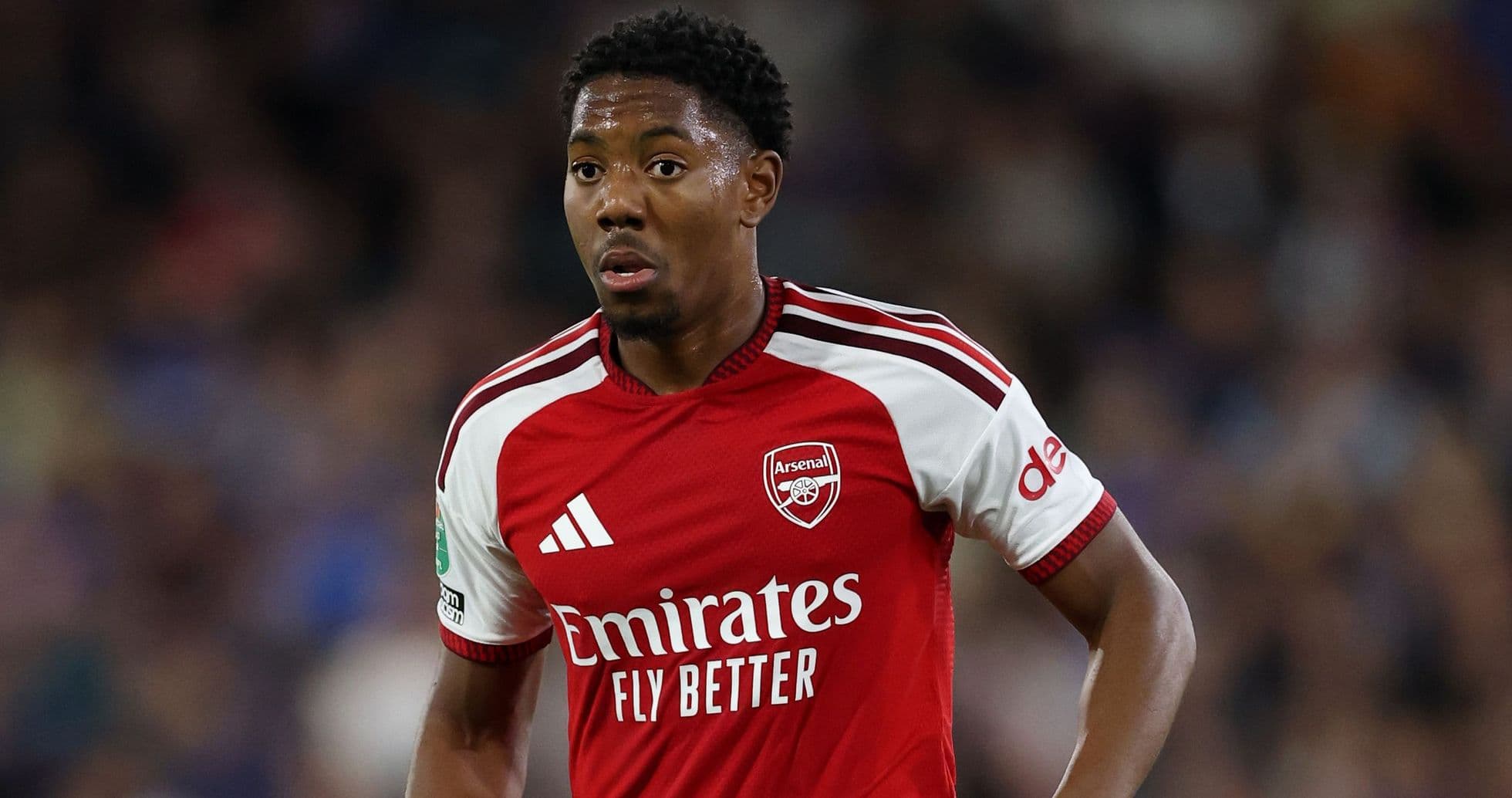
Bournemouth’s 4-2-3-1 was clearly structured: D. Petrovic in goal; a back four of A. Smith, James Hill, M. Senesi and A. Truffert; a double pivot of A. Scott and Tyler Adams; a line of three – Rayan on the right, E. J. Kroupi centrally, M. Tavernier left – supporting Evanilson as the lone forward.
Out of possession, the shape often resembled a 4-4-2 or 4-4-1-1, with Kroupi stepping up alongside Evanilson to screen Rodri and block passes into M. Kovacic and B. Silva. The pressing trigger was typically a sideways pass across City’s back four or a slightly loose touch from the fullbacks. Adams’ yellow on 37' for Argument came in the context of an intense midfield duel, where he was central to setting the physical tone.
With the ball, Bournemouth were selective but dangerous. Their 431 passes, 346 accurate (80%), show they were not simply clearing long; instead, they tried to play through Scott and Adams, then quickly into the attacking three. The goal sequence on 39' encapsulated the plan: win the ball, find the pivot, shift wide quickly to Truffert, then exploit City’s high line with a timed run from Kroupi. Bournemouth’s 10 total shots, 6 inside the box, and xG of 1.99 confirm that these transitions were not speculative – they produced real, repeatable threat.
Defensively, Petrovic made 3 saves and, with goals prevented of 0.29, slightly outperformed the post-shot quality of City’s attempts. The centre-backs Hill and Senesi were aggressive in stepping into Haaland’s feet, but as the game wore on, the cumulative defending led to fouls and, in Hill’s case, a yellow on 59' for Foul. Truffert’s late booking at 90+6' for Foul was emblematic of a fullback repeatedly asked to defend large spaces against waves of pressure.
City’s 4-1-4-1 had G. Donnarumma in goal; a back four of M. Nunes, A. Khusanov, M. Guehi and N. O’Reilly; Rodri as the single pivot; a band of four – A. Semenyo, B. Silva, M. Kovacic, J. Doku – behind Haaland. In possession, it morphed into a 2-3-5, with Nunes and O’Reilly pushing high and Rodri dropping between or alongside the centre-backs.
The issue in the first half was occupation of the half-spaces and depth. With Bournemouth’s double pivot screening central lanes well, City’s midfielders often received with their back to goal and limited options. Despite 55% possession and 527 passes (458 accurate, 87%), City’s early circulation was too horizontal, allowing Bournemouth to reset.
Guardiola’s triple substitution on 56' was the key tactical inflection point:
- 56' P. Foden (IN) came on for M. Kovacic (OUT)
- 56' R. Cherki (IN) came on for B. Silva (OUT)
- 56' Savinho (IN) came on for A. Semenyo (OUT)
This reconfigured the attacking midfield line with more one‑v‑one ability and creative passing in the half-spaces. Foden and Cherki both prefer to receive between the lines and turn, while Savinho offers direct wide running. The effect was to pin Bournemouth’s fullbacks deeper and force the home double pivot to collapse closer to the back four, opening more central zones for Rodri to step into.
Later, Bournemouth’s own changes – J. Kluivert for Kroupi on 76', D. Brooks for Rayan on 84', E. Unal for Evanilson on 89', and L. Cook for A. Smith at 90' – tilted the side further towards defensive resilience and fresh legs rather than structured counter-attacking. Kluivert’s yellow on 90+3' for Argument, followed by Rodri’s booking for Argument at the same time, reflected a scrappy, emotionally charged finale rather than controlled game management.
Donnarumma, with 2 saves and goals prevented of 0.29, also marginally outperformed the quality of Bournemouth’s finishing. His interventions, particularly against Bournemouth’s box entries from wide areas, were important in keeping the deficit at one and buying City time for the late equaliser.
The Statistical Verdict
The raw numbers tell a balanced but nuanced story. City had more of the ball (55% to 45%), more total shots (14 to 10), and more shots on goal (5 to 2). Yet Bournemouth’s xG edge (1.99 to 1.68) indicates that their chances were, on average, of higher quality, largely due to the clarity of their transition attacks and the Kroupi goal pattern.
Bournemouth’s 7 corners to City’s 6 underline how competitive they were territorially, especially in phases of pressure following their own counters. The foul count – 16 for Bournemouth, 7 for City – and the card split (Bournemouth 4, City 1) highlight how much defensive work the hosts had to do to protect their lead, and how often they were forced into last-ditch or confrontational actions.
Both goalkeepers slightly overperformed their expected concession, each posting goals prevented of 0.29. That, combined with the xG totals, suggests that 1-1 was a result shaped as much by individual defensive interventions as by the structural plans. Tactically, Bournemouth’s 4-2-3-1 was vindicated in how it limited City’s central access and created dangerous counters, while City’s structural superiority in possession and depth of attacking options eventually wore the hosts down. Over 90 minutes, a draw was a fair reflection of two contrasting but effective game models colliding.