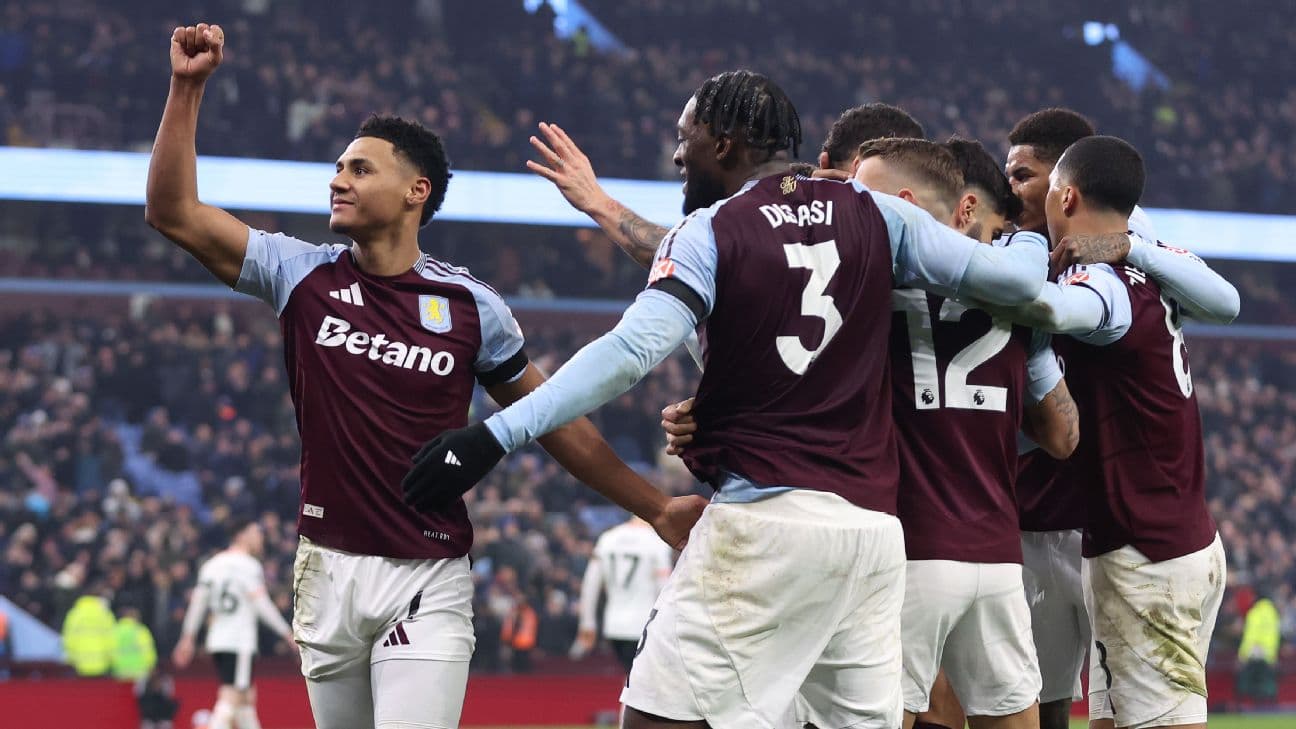
Aston Villa vs Liverpool: Premier League Showdown on May 15, 2026
Villa Park stages a high‑stakes Premier League showdown on 15 May 2026 as Aston Villa host Liverpool in a match that could decide who finishes in the top four. Both sides arrive level on 59 points after 36 games, Liverpool ahead only on goal difference, with Champions League qualification the clear prize.
Context and stakes
In the league, Liverpool sit 4th with a goal difference of +12 (60 scored, 48 conceded), while Aston Villa are 5th on +4 (50 scored, 46 conceded). Both have identical records across all phases: 17 wins, 8 draws, 11 defeats from 36 matches.
Villa’s strength has been at Villa Park: 11 wins, 2 draws and 5 losses from 18 home games, scoring 28 and conceding 20. Liverpool have been more erratic on the road, with 7 wins, 3 draws and 8 defeats away, scoring 27 and conceding 29.
Form lines underline the contrast. In the league, Aston Villa’s recent sequence is “DLLWD”, suggesting inconsistency at precisely the wrong time. Liverpool, by contrast, come in with “DLWWW” – one defeat in five and three straight wins behind them, momentum that could prove decisive.
With only two rounds left in the regular season, this feels like a de facto play‑off for a Champions League place.
Tactical outlook: Villa’s structure vs Liverpool’s firepower
Across all phases, Aston Villa have leaned heavily on a 4-2-3-1 (used 32 times), occasionally switching to 4-4-2 or 4-2-2-2. The base is clear: a double pivot to protect a back four and license the attacking line to press and combine.
Villa’s numbers paint a side that can both create and suffer: 50 goals scored (1.4 per game) and 46 conceded (1.3 per game). At home they average 1.6 goals for and 1.1 against. They have kept 9 clean sheets overall (6 at home) but have failed to score 10 times, which hints at occasional attacking breakdowns against well-organised defences.
Ollie Watkins is the reference point up front. With 12 league goals and 2 assists in 35 appearances, he remains Villa’s primary finisher. His 51 shots (31 on target) and 22 key passes show a forward who both finishes and links play. His duel volume (271, with 108 won) underlines the physical workload he carries, constantly battling centre-backs and offering an outlet for longer balls.
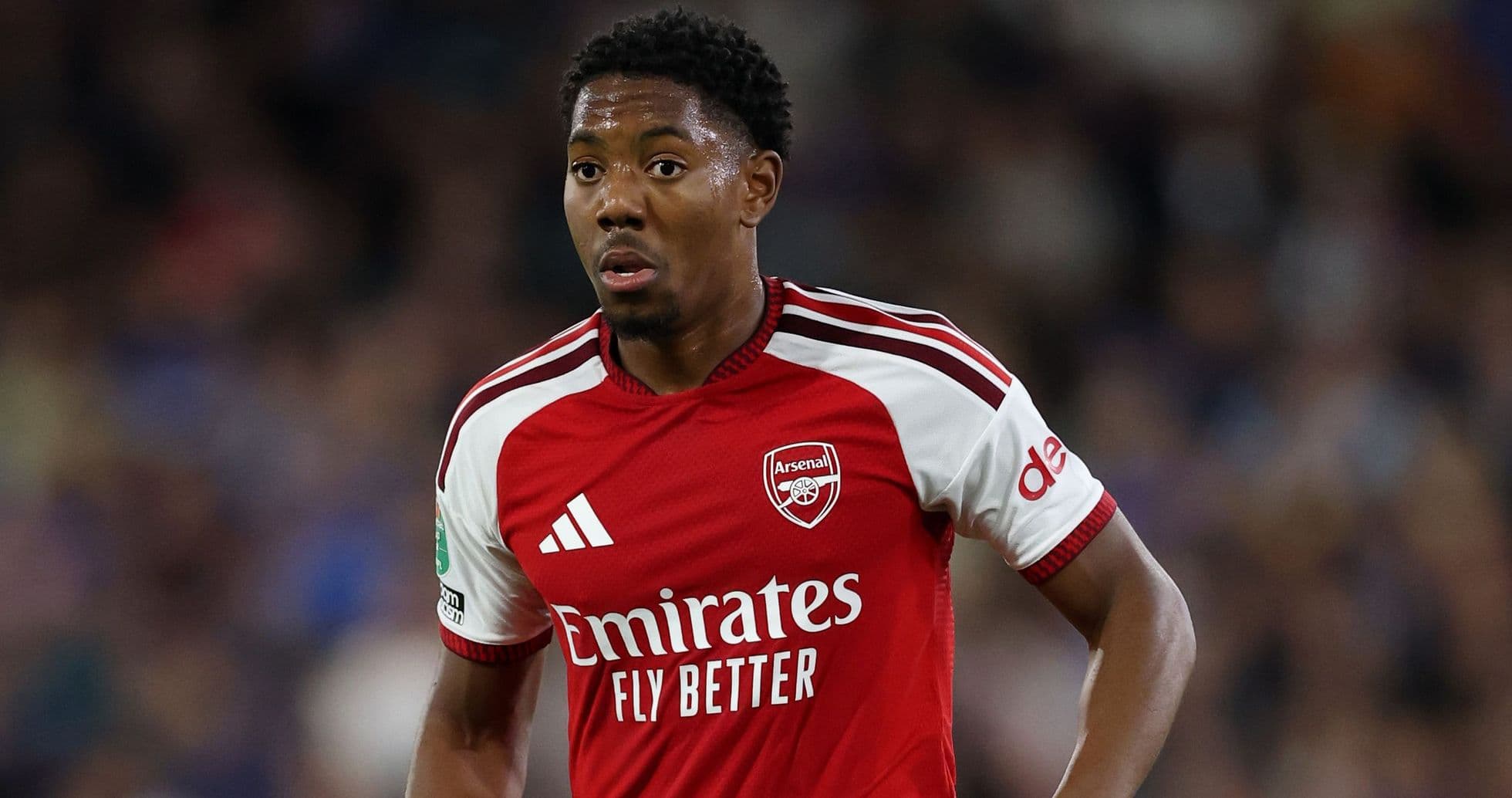
Behind him, Morgan Rogers has emerged as the creative engine. Starting all 36 league games and logging 3,195 minutes, he has 9 goals and 5 assists. With 57 shots (31 on target) and 43 key passes from midfield, he is Villa’s most consistent ball-progressor and chance creator. His 117 dribble attempts (41 successful) and 433 duels (155 won) suggest he will be central to breaking Liverpool’s press and carrying the ball between the lines.
Villa’s defensive profile is mixed. They concede at similar rates home and away and their “biggest” defeats (1-4 at home, 4-1 away) show that when the structure breaks, it can break badly. Discipline could be a factor: they pick up a cluster of yellow cards particularly between 46-60 minutes (16 yellows) and late on (10 between 91-105), which might influence how aggressively they can press in the second half.
Liverpool, like Villa, have favoured a 4-2-3-1 (32 times), with occasional moves to 4-2-2-2 and 4-3-3. Their attacking output is superior: 60 goals (1.7 per game), with 33 at Anfield and 27 away. Defensively they concede 1.3 per game, but the away figure (1.6 conceded per match) is a clear vulnerability.
The absence of Mohamed Salah through a thigh injury is a major tactical headache. Without his goals and gravity, Liverpool’s attacking hierarchy shifts. Hugo Ekitike, on 11 league goals and 4 assists in 28 appearances, becomes a central threat. He averages 48 shots (19 on target) and 21 key passes, with 72 dribble attempts (38 successful), indicating a forward who can stretch Villa’s back line in behind and attack full-backs 1v1.
Liverpool’s clean sheet record (10 in total, 5 away) suggests they can shut games down when the structure is right, but the eight away defeats and a “biggest away loss” of 3-0 show that they are far from bulletproof on their travels. Their yellow-card distribution spikes in the final quarter of games (17 yellows between 76-90 minutes), hinting at late-game stress when chasing or protecting results.
One subtle but important edge: Liverpool have scored from the penalty spot this season (1 scored, 0 missed), while Villa have not had a league penalty. That may matter in a tight, high-pressure contest.
Team news and selection dilemmas
Both managers are dealing with significant absentees.
For Aston Villa:
- Alysson (muscle injury) is out.
- Boubacar Kamara (knee injury) is also ruled out, a blow to the double-pivot’s defensive balance.
- André Onana is questionable with a calf injury, which could affect their options either in goal or in midfield depending on his role.
Kamara’s absence in particular may force Villa to adjust the profile of their midfield screen, potentially weakening their ability to protect the centre against Liverpool’s runners from deep.
For Liverpool:
- Alisson (muscle injury) is missing, meaning the visitors are without their first-choice goalkeeper and his distribution.
- Conor Bradley (knee injury), Hugo Ekitike (Achilles tendon injury), Wataru Endo (foot injury), Gabriele Leoni (knee injury) and Mohamed Salah (thigh injury) are all ruled out.
- Ibrahima Konaté is questionable with an unspecified injury.
- Florian Wirtz is questionable due to illness.
The combined absence of Alisson and Salah strips Liverpool of their most reliable last line of defence and their most prolific attacker. If Konaté is also unavailable, Liverpool’s back line loses pace and aerial dominance, which is precisely what is needed against Watkins. Ekitike’s injury removes an 11-goal contributor, forcing Liverpool to redistribute goals across the remaining front line.
Squad depth will be severely tested; the visitors may need more conservative spacing in possession, with full-backs less aggressive to protect a potentially weakened centre-back pairing and goalkeeper.
Head-to-head: recent history
The last five competitive meetings, all in the Premier League, show Liverpool’s edge but also Villa’s ability to disrupt:
- 1 November 2025, Anfield: Liverpool 2-0 Aston Villa – Liverpool win.
- 19 February 2025, Villa Park: Aston Villa 2-2 Liverpool – draw.
- 9 November 2024, Anfield: Liverpool 2-0 Aston Villa – Liverpool win.
- 13 May 2024, Villa Park: Aston Villa 3-3 Liverpool – draw.
- 3 September 2023, Anfield: Liverpool 3-0 Aston Villa – Liverpool win.
Across these five, Liverpool have 3 wins, Aston Villa have 0, and there have been 2 draws. Villa have taken points in both of the most recent Villa Park fixtures (3-3 and 2-2), but Liverpool have consistently kept clean sheets at Anfield.
Key battles and tactical themes
- Villa’s front line vs a patched-up Liverpool defence: Watkins’ movement and Rogers’ ball-carrying will directly test whoever partners at centre-back for Liverpool, especially if Konaté does not start. Without Alisson’s sweeping and command of the box, Liverpool’s margin for error shrinks on crosses and through balls.
- Midfield control without Kamara and Endo: Both sides are missing key defensive midfield profiles. The game may become more open, with transitions more frequent. That could favour Liverpool’s historical attacking instincts, but Villa’s home confidence and structured 4-2-3-1 can also thrive in broken phases.
- Set pieces and discipline: Villa’s card patterns and Liverpool’s late yellow-card spike suggest a high-intensity, potentially scrappy second half. Set pieces could be decisive, particularly with Liverpool’s possible aerial downgrade if Konaté is absent.
The verdict
The data points in different directions. Liverpool have the stronger recent form and the better overall goal difference, and they have dominated the head-to-head in wins. However, their away record is fragile, they are significantly weakened by injuries to Alisson, Salah and Ekitike, and they travel to a ground where Villa have been strong and where the last two league meetings ended level.
Villa, for their part, are not in sparkling form but are robust at home and have a settled attacking core in Watkins and Rogers. With both teams level on points and both missing key defensive midfielders, this has all the ingredients of a high-stakes, high‑scoring contest.
On balance, the numbers and absences suggest a finely poised game where Villa’s home advantage and Liverpool’s injuries may cancel out Liverpool’s superior form and head-to-head record. A draw – potentially with goals at both ends – looks the most logical outcome, keeping the race for the Champions League places alive into the final weekend.