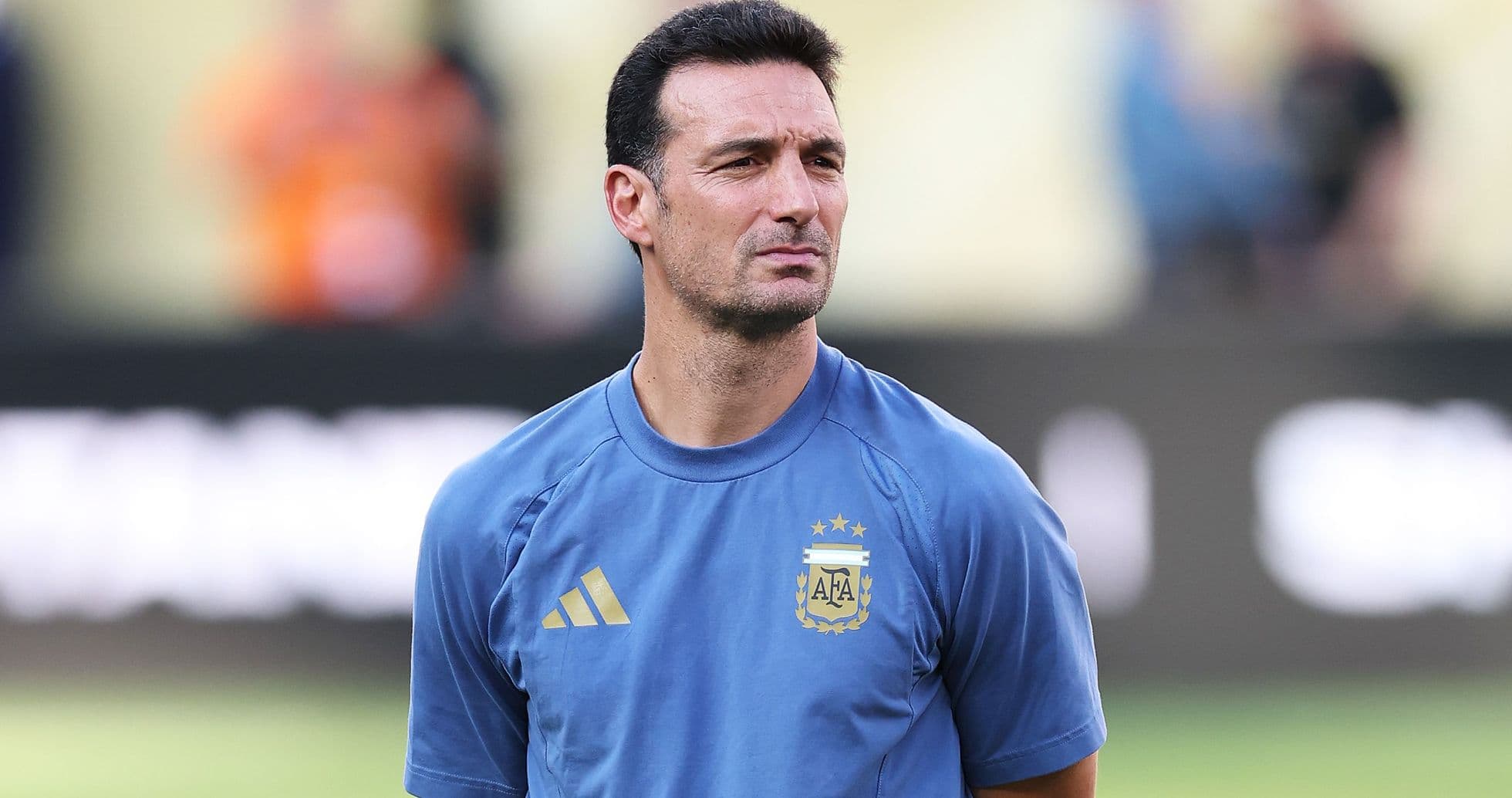
Argentina Advances to World Cup Round of 16 After Extra Time Victory Over Cape Verde
Argentina 2-1 Cape Verde Islands (after extra time) at Hard Rock Stadium sends the world champions into the World Cup Round of 16, but only after a tense, tactical grind in Miami. Lionel Scaloni’s side, who arrived as group winners, eventually converted territorial dominance into progression, while Cape Verde’s resistance and set‑piece threat pushed the tie beyond 90 minutes before an own goal decided it.
Match Report
The game’s first major moment came on 29', when Argentina translated their early pressure into a breakthrough. Argentina goal — Lionel Messi (assisted by Lisandro Martínez) drifted into the inside-right channel, combining with his centre-back high up the pitch before finishing to make it 1-0 Argentina, reflecting the champions’ control of possession and territory.
Cape Verde adjusted after the interval, pushing their midfield line higher, and were rewarded on 59'. Cape Verde Islands goal — Deroy Duarte (assisted by Ryan Mendes) arrived from midfield to meet a cut-back and level at 1-1, punishing Argentina’s brief lapse in defensive compactness around the edge of the box.
Scaloni reacted quickly. On 63', Julián Alvarez replaced Lautaro Martínez (Argentina), adding more mobility and pressing from the front. A minute later, on 64', Nicolás González replaced Thiago Almada (Argentina), giving Argentina extra direct running from the left.
Cape Verde answered with a double change on 67', targeting fresh energy in attack and midfield. Jamiro Monteiro replaced Laros Duarte (Cape Verde Islands), adding creativity between the lines, and Dailon Rocha Livramento replaced Nuno Da Costa (Cape Verde Islands) as a more vertical forward option.
The first booking arrived on 68', reflecting the increasingly physical midfield battle. 68' Kevin Lenini (Cape Verde Islands) — yellow card (Holding) — after halting an Argentine transition with a tactical foul.
Pedro Leitao Brito refreshed his wide options on 80'. Willy Semedo replaced Ryan Mendes (Cape Verde Islands), while Hélio Varela replaced Jovane Cabral (Cape Verde Islands), signalling a clear intent to keep stretching Argentina’s back line in wide areas.
Scaloni continued to rotate his midfield and full-back profiles late in normal time. On 84', Leandro Paredes replaced Rodrigo De Paul (Argentina), adding a deeper passing pivot and set‑piece delivery. Then on 86', Nicolás Tagliafico replaced Facundo Medina (Argentina), providing a more natural attacking left-back outlet.
With the game drifting towards extra time, Argentina struck at the start of the added period. On 92', Argentina goal — Lisandro Martínez (assisted by Alexis Mac Allister) surged into the box to meet a delivery and restore the lead at 2-1 Argentina, underlining Argentina’s threat from late runs by defenders in crowded penalty areas.
Cape Verde refused to fold and made another double substitution on 100'. Yannick Semedo replaced Deroy Duarte (Cape Verde Islands), adding fresh legs in midfield, and Benchimol replaced Kevin Lenini (Cape Verde Islands), reshaping the central structure as they chased another equaliser.
The response was almost immediate. On 103', Cape Verde Islands goal — Sidny Lopes Cabral (assisted by Yannick Semedo) arrived from left-back to finish a move started by the substitute, levelling again at 2-2 on the night and exposing Argentina’s vulnerability to late runners from deep.
Argentina then altered the right flank on 104'. Gonzalo Montiel replaced Nahuel Molina (Argentina), bringing on a more conservative full-back to stabilise the defensive side as extra time wore on.
The decisive moment came on 111' in cruel fashion for Cape Verde. Argentina goal — own goal by Diney Borges (unassisted) as the defender diverted a dangerous cross into his own net, pushing the score to 2-1 Argentina after extra time and finally breaking Cape Verde’s resistance.
Tension remained high to the end. On 115', Gonzalo Montiel (Argentina) — yellow card (Tripping) — was booked for a late challenge as Argentina sought to disrupt Cape Verde’s last attacks and manage the closing minutes.
Fixture Statistics & Tactical Audit
- xG: Argentina 2.16 vs 0.45 Cape Verde Islands
- Possession: Argentina 64% vs 36% Cape Verde Islands
- Shots on Target: Argentina 10 vs 5 Cape Verde Islands
- Goalkeeper Saves: Argentina 3 vs 8 Cape Verde Islands
- Blocked Shots: Argentina 7 vs 6 Cape Verde Islands
Argentina were dominant (64% possession, 22 total shots to 16, xG 2.16 vs 0.45) and the underlying numbers support the eventual outcome after extra time. Their higher shot volume and superior chance quality forced Cape Verde’s goalkeeper into a busy night (Argentina’s 10 shots on target yielded 8 saves for Vozinha), while Emiliano Martínez faced fewer clear threats (only 5 shots on target against, 3 saves). Cape Verde’s low xG underscores how reliant they were on isolated moments, set plays and deep runs rather than sustained pressure. The own goal winner was fortuitous, but over 120 minutes Argentina’s territorial control, passing accuracy (92% vs 86%) and repeated entries into the box made the 2-1 scoreline a fair reflection of the balance of play.
Standings Update & Seasonal Impact
Argentina, who came into the Round of 32 as group winners with 9 points, extend their perfect World Cup record to four wins from four, now effectively sitting on 12 points in the tournament with a goals-for tally rising from 8 to 10 and goals against from 1 to 2, for a new goal difference of +8. They move from the group phase into the Round of 16 still in the “Round of 32” qualification pathway but now firmly positioned among the leading contenders, having navigated their first knockout test, albeit with more difficulty than expected.
Cape Verde Islands entered the tie as group runners-up with 3 points from three draws, and exit the competition with that total unchanged. Their goals for increase from 2 to 3 and goals against from 2 to 4, leaving them with a final goal difference of -1. Despite elimination, pushing the world champions to extra time confirms their capacity to compete above their seeding in this World Cup campaign.
Lineups & Personnel
Argentina Starting XI
- GK: Emiliano Martínez
- DF: Nahuel Molina, Cristian Romero, Lisandro Martínez, Facundo Medina
- MF: Rodrigo De Paul, Alexis Mac Allister, Enzo Fernández, Thiago Almada
- FW: Lionel Messi, Lautaro Martínez
Cape Verde Islands Starting XI
- GK: Vozinha
- DF: Steven Moreira, Pico, Diney Borges, Sidny Lopes Cabral
- MF: Kevin Lenini, Ryan Mendes, Laros Duarte, Deroy Duarte, Jovane Cabral
- FW: Nuno Da Costa
Post-Match Verdict
Argentina’s progression was built on a controlled, if at times laboured, display: they were dominant in possession (64%), clinical enough in chance creation (xG 2.16 with 10 shots on target), and flexible in personnel, with key contributions from defenders in advanced areas and substitutes like Alexis Mac Allister influencing the decisive phases. Their main concern will be defensive vulnerability to late runs and set-piece situations, as reflected in conceding twice from relatively low overall xG (0.45 for Cape Verde).
Cape Verde delivered a resilient performance, staying compact without the ball and maximising rare attacking moments, but ultimately their limited attacking volume (5 shots on target, 0.45 xG) left too little margin for error. Vozinha’s workload (8 saves) underlined how much pressure they absorbed, and in the end a defensive misfortune — Diney Borges’ own goal — separated them from a potential penalty shootout. Tactically, Argentina advance having imposed their structure over 120 minutes, while Cape Verde exit with credit for organisation and spirit but exposed by the statistical gap in territory and chance quality.