World Cup 2026: Has the Group Stage Lost Its Thrill?
The 2026 World Cup group phase might feel less tense than usual. With 32 of 48 teams advancing, it’s harder to be knocked out early than to move forward. Two main changes seem to shape this experience.
First, this is the first World Cup where head-to-head results settle ties before goal difference does. Second, a third-place ranking table returns for the first time since 1994 to decide the last eight qualifying spots.
Because of head-to-head priority, some teams have already sealed their fate after just two matches. For example, Argentina has six points in Group J and can't be caught by Austria or Algeria, both with three points but having lost directly to Argentina. Jordan, without points and defeated by those teams, is eliminated. If goal difference led tiebreaks, more teams would still face pressure going into their final games.
With so many groups, the final round stretches over five days. This means when Scotland meets Brazil on Wednesday, they won’t know the points threshold needed to advance as one of the best third-placed sides. Teams playing later will likely know exactly what result they need.
Head-to-Head Tiebreaker: UEFA Influence and World Cup Impact
Using head-to-head records first is common in UEFA competitions, including recent Euros. It avoids distortions caused by big wins against weaker opponents. Although the Euros have fewer teams, the format is similar, with some third-placed teams advancing.
At past Euros, teams have been eliminated or topped groups after two games due to head-to-head rules. The current World Cup has already seen eight teams either confirmed through or out after two matches, surpassing the total number affected in the last three Euros combined.
Group winners like Mexico, USA, Germany, and Argentina have locked their spots early. Eliminated teams include Haiti, Turkey, Tunisia, and Jordan. Matches such as USA vs Turkey and Argentina vs Jordan are already dead rubbers. More could follow soon, with teams like Croatia, Panama, and Uzbekistan still at risk.
Resting Stars When Qualification Is Secured
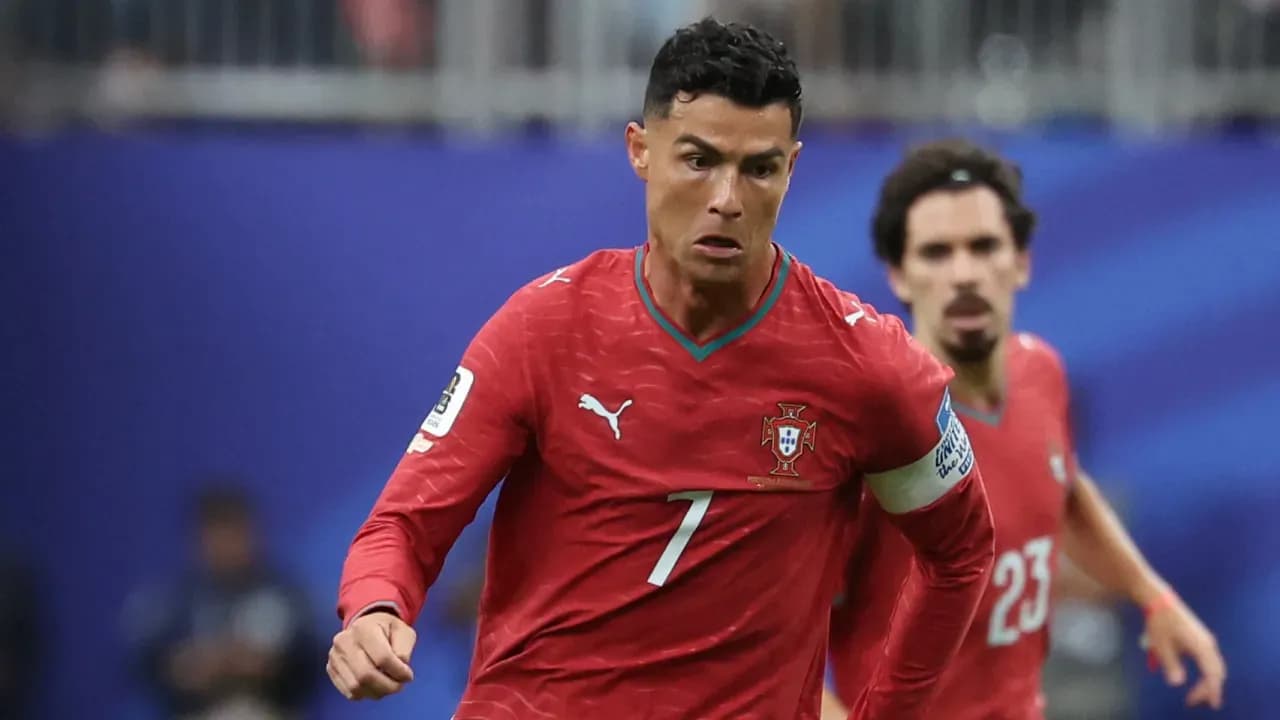
Teams that have qualified might rest key players in their final group game. Argentina’s Lionel Messi, who has scored five goals and turns 39 during the tournament, might be given time off before the knockout rounds. Past tournaments show this can impact results; Portugal’s coach made eight changes in a third Euro 2024 group match, leading to a surprising loss and knock-on effects for other teams.
This could happen here too. For example, Ecuador must beat a possibly weakened Germany to advance, while Curacao and Ivory Coast already lost to a full-strength German side. This situation may feel unfair to some competitors and those aiming for third-place qualification slots.
Unequal Conditions for Third-Place Qualification
Playing later offers a clear advantage in the race for the best third-placed teams. Knowing what result secures qualification allows teams to strategize accordingly. Scotland faces this challenge, playing early against Brazil and waiting anxiously for other groups’ outcomes to know if a draw or narrow loss is enough.
Scotland's potential round of 32 match is just about 40 hours after their group game ends, leaving little recovery time. This compressed schedule adds another layer of difficulty.
The Risk of Manipulated Results
History shows teams sometimes play for convenient outcomes. In 1982, West Germany and Austria's final group match ended with a narrow German win that knocked out Algeria. After that scandal, FIFA mandated simultaneous final group matches to prevent collusion, but situations can still arise.
In Group J, Algeria and Austria meet last and might benefit from a draw if it sends both through. Similarly, Australia and Paraguay in Group D could play for a draw to qualify together. Past incidents in European Championships fuel concerns about such scenarios.
Scheduling all third-place contenders simultaneously is impossible, but playing later definitely provides an edge.
Still, Scotland could avoid all this uncertainty with a positive result against Brazil. Their fate remains in their hands.