World Cup 2026: The Intersection of Football and Betting
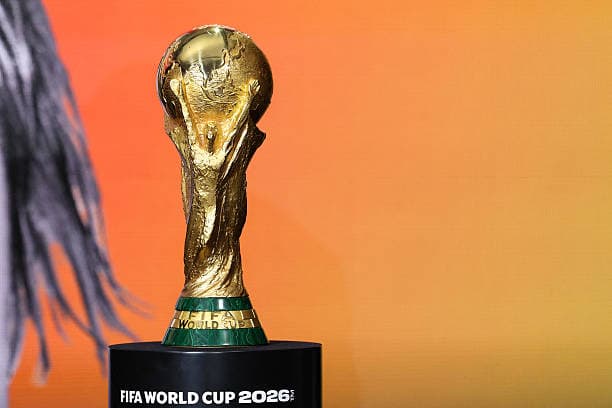
The 2026 FIFA World Cup will be the largest tournament football has ever staged. One hundred and four matches. Three host nations. A calendar packed from morning to midnight across the United States, Canada and Mexico.
The football will be the headline. The business wrapped around it will be relentless.
Broadcasters, sponsors, sportsbooks and streaming platforms now see the World Cup as a 24/7 engine, not just a month-long festival. The expanded format hands them more kickoffs, more ad slots, more live windows and, crucially, far more moments to sell the drama in real time.
FIFA’s own numbers show what is at stake. The 2022 final between Argentina and France drew an average live audience of 571 million viewers worldwide. That is the scale of the stage into which the 2026 edition is walking — bigger, louder, and more commercially wired than anything before it.
The Phone in Your Pocket Is Now Part of the Match
For a growing slice of the global audience, watching a World Cup match now means watching with a phone in hand.
Mobile betting has moved from the margins into the heart of football culture. Odds flash across screens before kickoff. Markets shift with every team news drop, every injury update, every tactical leak. Fans don’t just read lineups; they react to them in real time with stakes attached.
During games, the tempo of wagering tries to match the tempo on the pitch. A goal, a red card, a penalty, a substitution — within seconds, sportsbooks rip up their prices and write new ones. From the opening whistle to the final seconds of stoppage time, the numbers never sit still.
That is why interest in the Betway download process and similar platforms spikes before major tournaments. Fans want fast registration, clean interfaces, instant deposits, rapid withdrawals and a menu of live markets that feels as fluid as the match they are watching. For many, installing a betting app has become as routine a part of tournament prep as checking the fixture list.
America Legalises, and the Broadcast Picture Changes
The World Cup lands in a very different United States from the one that watched previous editions. Since the 2018 Supreme Court ruling that removed federal restrictions on sports betting, state after state has rolled out legal wagering frameworks. Licensed operators, mobile apps, ad campaigns, and dedicated betting segments are now embedded in mainstream American sports coverage.
By 2026, that ecosystem is mature. Viewers tuning into American broadcasts see betting odds woven into pregame shows, halftime analysis and live discussion. Lines move on screen as the match unfolds. Hosts talk about point spreads and player props alongside pressing systems and tactical tweaks.
During the World Cup, that integration only intensifies. For casual supporters, downloading a sportsbook app often becomes the first step toward feeling “closer” to the tournament, a way to turn a neutral group game into something personal.
Regulators Scramble to Keep Pace
Governments have noticed the shift and are trying to keep up.
Across North America, Europe, Latin America and parts of Africa, regulators have spent recent years rewriting gambling laws with global events like the World Cup firmly in mind. Brazil, for example, has moved toward broader online betting regulation, opening the door for licensed operators to enter a football-mad market on a legal footing.
On regulated platforms, the changes are visible. Identity checks are tighter. Payment verification is more robust. Responsible gambling tools are easier to find and harder to ignore. Advertising rules are stricter, with clearer boundaries on what can be promoted and how.
Operators know public trust is non‑negotiable when billions are watching. So the Betway download experience and its rivals now sit alongside messaging about secure payments, legal compliance and account protection. The pitch is not just about excitement; it is about safety under the glare of a global audience.
At the same time, prediction markets have complicated the picture. Some financial platforms now offer event-forecasting products tied to sports outcomes, blurring the line between trading and betting. Regulators and financial authorities are still wrestling with the question: are these financial instruments or gambling products? The answer carries weight for taxation, licensing and consumer protection in a space that grows more crowded by the year.
A Bigger Tournament, a Different Rhythm of Risk
The World Cup’s new format does more than add matches; it changes how fans experience the competition day to day.
Twelve groups feed into a new round of 32 before the traditional knockout stages. That structure stretches the schedule and thickens the daily programme. For sportsbooks, it is a gift: hundreds of extra fixtures, each spawning its own ecosystem of bets — player props, correct scores, corners, cards, first goalscorers, halftime markets and more.
For fans who like to follow every day, the effect is simple: there is always something on. Morning games in one time zone bleed into afternoon and evening fixtures elsewhere. Search traffic around betting apps reflects that constant hum, as many supporters open accounts specifically for the dense, multi-window chaos of a World Cup.
The expanded qualification path also pulls new nations — and new betting cultures — into the centre of the story. When a country that rarely reaches the World Cup finally breaks through, the impact runs far beyond the pitch. Interest in tactical breakdowns, injury reports, and statistical previews explodes, often in markets that are just beginning to open up to legal betting.
Sportsbooks have responded with multilingual apps, localised promotions and regional sponsorships aimed at first-time users. For those supporters, downloading a betting app can feel like part of the build-up: another way to live every minute of their team’s long-awaited moment on the world stage.
Data Turns Emotion Into Numbers
Behind the scenes, the modern betting industry runs on data as obsessively as any elite coaching staff.
Expected goals. Shot quality. Pressing intensity. Defensive pressure. Transition efficiency. These are no longer niche analytics terms; they are everyday language in 2026 football media. During a World Cup, they become the grammar of the conversation.
Sportsbooks plug directly into live data feeds that track player movement, possession patterns, substitution timing and tactical tweaks. As soon as something meaningful happens — a switch of shape, a key player tiring, a flurry of attacks down one flank — the algorithms react, and the odds move.
Platforms tied to systems like the Betway download lean into this with dashboards, live stats and performance trackers built into their apps. Bettors want more than a list of prices; they want context, trends, and numbers that help them interpret what they are seeing on screen.
This data‑driven approach also reshapes the emotional rhythm of watching football. With a smartphone, a digital wallet and a stream, a fan can check a line, place a bet and track a cash‑out from almost anywhere. For younger audiences used to finance apps, subscription services and interactive entertainment, sports betting slots naturally into existing digital habits.
The 2026 World Cup will not create that culture. It will showcase it at full volume. On the pitch, 48 nations will chase history. Off it, a global betting industry — legal, regulated, data‑obsessed and mobile‑first — will test just how far fans want to go in turning every moment of the world’s biggest tournament into a market.