Watford’s Season Struggles: A Thin Squad and Missed Opportunities
Watford’s season never really waited for them.
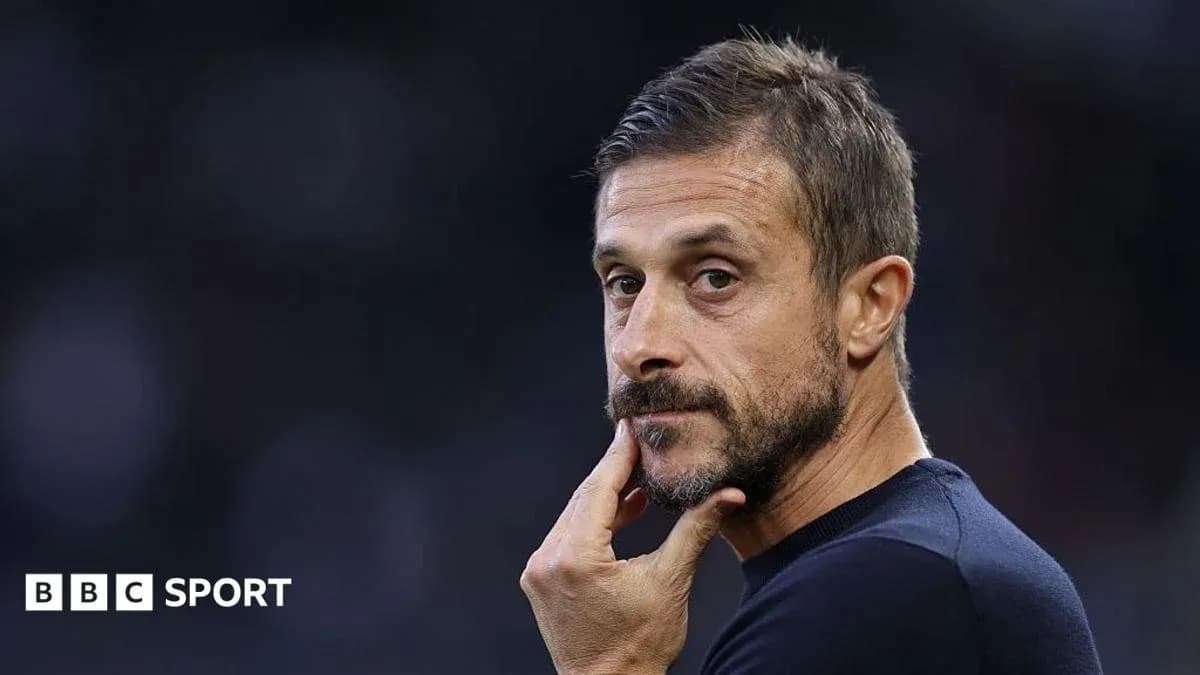
By the time the transfer window finally slammed shut, the damage everyone had feared was already written across August. A Championship campaign had begun with a squad so thin that Alessio Dionisi went through the first month with just two recognised centre-backs. Two. For a club talking about promotion, it was a staggering gamble.
The board’s stance is clear enough. They will say they were patient, that they waited for better and younger targets rather than panicking in early August. They did not want to be bounced into signings they did not truly believe in. On paper, that sounds sensible. On the pitch, it has left Watford chasing their own tail.
Yes, the recruitment that did arrive has had real quality. Iker Bravo has lit up games and quickly become a sensation. Federico Ravaglia already looks like an upgrade in goal. Jordan Zemura and Omar Traore offer strong, modern options at full-back, while Soumaila Coulibaly and Branimir Mlacic have shown enough to suggest they can grow into serious assets.
The issue hasn’t been the calibre of the new faces. It has been the sheer lack of bodies.
Dionisi has been forced to lean on the same core of players, game after game, as the fixtures pile up. Recent weeks have brought the familiar Championship rhythm of playing twice a week, and the strain has told. Injuries have mounted. Legs have gone heavy. Performances have dipped through late August and into September, not because of a lack of effort, but because the tank is running close to empty.
To make matters worse, the late arrivals have not been anywhere near full match fitness, let alone sharp enough to influence games at the level required. Yet some of them have still had to be thrown into a depleted squad, simply to fill spaces.
The evidence is there on every teamsheet. Watford have not even named the maximum eight substitutes in their last two matches. For the past five, Dionisi has had to put two goalkeepers on the bench. Two keepers among the subs at this level is not a tactical quirk; it is a red flag about depth. No wonder the Italian keeps repeating the same phrase before and after games: “It’s not easy.”
For him, the international break cannot arrive quickly enough. There is an irony there. At Vicarage Road, international breaks have often been the backdrop for head coaches to lose their jobs. This time, it feels more like a lifeline than a trapdoor.
Once Friday’s match against Bristol City is out of the way, Watford finally get three weeks to breathe. Time to rest battered bodies. Time to integrate the late signings properly. Time to reset before the season’s next phase.
But by then, they will almost certainly be playing catch-up.
The board’s reluctance to spend early in August, their desire to wait for better late-window options, is understandable in isolation. In practice, it has backfired. The Hornets should eventually have a squad that looks competitive across the pitch, but that moment might not arrive until late October.
If the ultimate aim is to challenge for promotion, they have already handed the rest of the division a head start. The question now is simple: can this rebuilt group climb that mountain quickly enough, or will those cautious weeks in August define their entire season?