Uruguay's World Cup Exit: Muslera's Mistake and Bielsa's Struggles
Marcelo Bielsa’s Uruguay crashed out of the World Cup with a whimper, and Fernando Muslera’s torment finally became too much to bear.
The veteran goalkeeper was taken off at half-time of a 1-0 defeat to Spain that sealed La Celeste’s exit from Group J, a substitution that carried the weight of an entire campaign gone wrong. It was brutal. It was also historic for all the wrong reasons.
A nightmare sealed by a soft shot
Uruguay only needed a draw to reach the knockout stages after stalemates with Cabo Verde and Saudi Arabia. They got tension, nerves and, ultimately, a moment that will haunt Muslera.
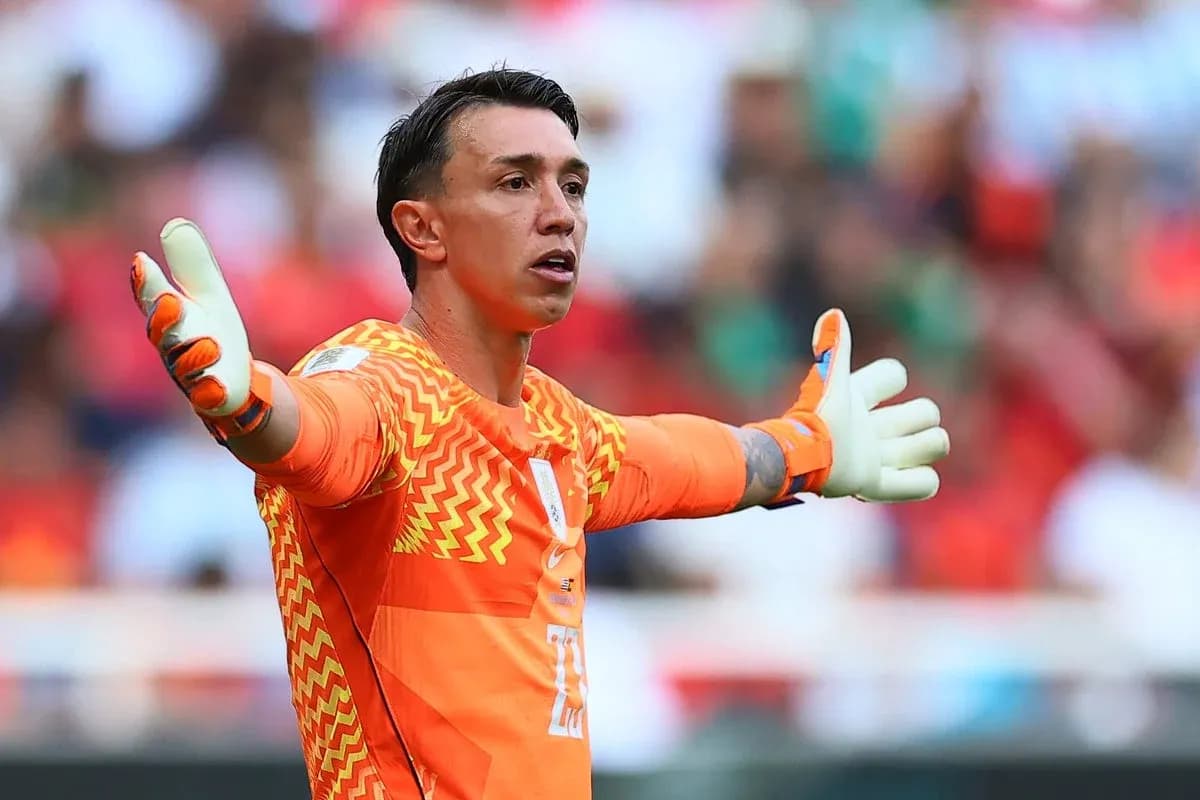
Alex Baena’s effort should have been routine. Instead, Muslera mishandled it, the ball squirming past him and rolling into the corner. As it crossed the line, the 38-year-old erupted in fury, shouting in frustration, fully aware of what he had just done to his team and to his own legacy.
That mistake completed an unwanted record: Muslera became the first goalkeeper since detailed records began in 1966 to make three errors leading directly to goals in a single World Cup campaign.
For a country that reveres its goalkeepers, it cut deep.
“It was Fernando”
When Muslera did not reappear after the interval and Sergio Rochet emerged from the tunnel, the immediate assumption was that Bielsa had made a ruthless call.
He hadn’t.
“The Muslera change was not my decision, it was Fernando,” Bielsa told Uruguayan television after the match.
The switch, then, was as much about the player’s own breaking point as any tactical rethink. Muslera, a symbol of Uruguay’s resilience for more than a decade, effectively took himself out of the firing line on the biggest stage.
Bielsa, typically self-critical, did not spare himself either.
“I couldn't boost the Uruguay players, I leave nothing to the country,” he admitted, a stark assessment from a coach whose appointment was supposed to jolt Uruguay into a new era.
A rare and telling substitution
Goalkeepers almost never come off at World Cups unless they are injured. In Uruguay’s case, they simply don’t. Not since substitutions were first allowed at Mexico 1970 had La Celeste changed their goalkeeper in a World Cup match.
That streak ended here, in a game that demanded composure and clarity and instead delivered anxiety and upheaval.
The change underlined the depth of the crisis. This was not a calculated rotation. It was a symbol of a campaign unravelling in real time.
Valverde withdrawn, doubts intensify
If Muslera’s departure was shocking, Bielsa’s handling of Federico Valverde only added to the sense of turmoil.
The Real Madrid midfielder, Uruguay’s standard-bearer and captain of the new generation, lasted just 56 minutes before being hauled off after a subdued display. In a match that cried out for leadership and control, his early removal raised eyebrows across the country.
Bielsa later said that with Valverde’s departure he had wanted more presence in attack, a gamble that never paid off. Spain held their advantage, Uruguay never found a response, and the group table delivered its verdict: two points, no wins, and an early flight home.
All of it unfolds against a backdrop of speculation about disagreements within the camp and growing questions over Bielsa’s future. The project that began with such intrigue now stands at a crossroads.
A World Cup that was supposed to showcase a new Uruguay instead ended with an anguished goalkeeper walking away at half-time and a head coach wondering if he will be given the chance to repair the damage.