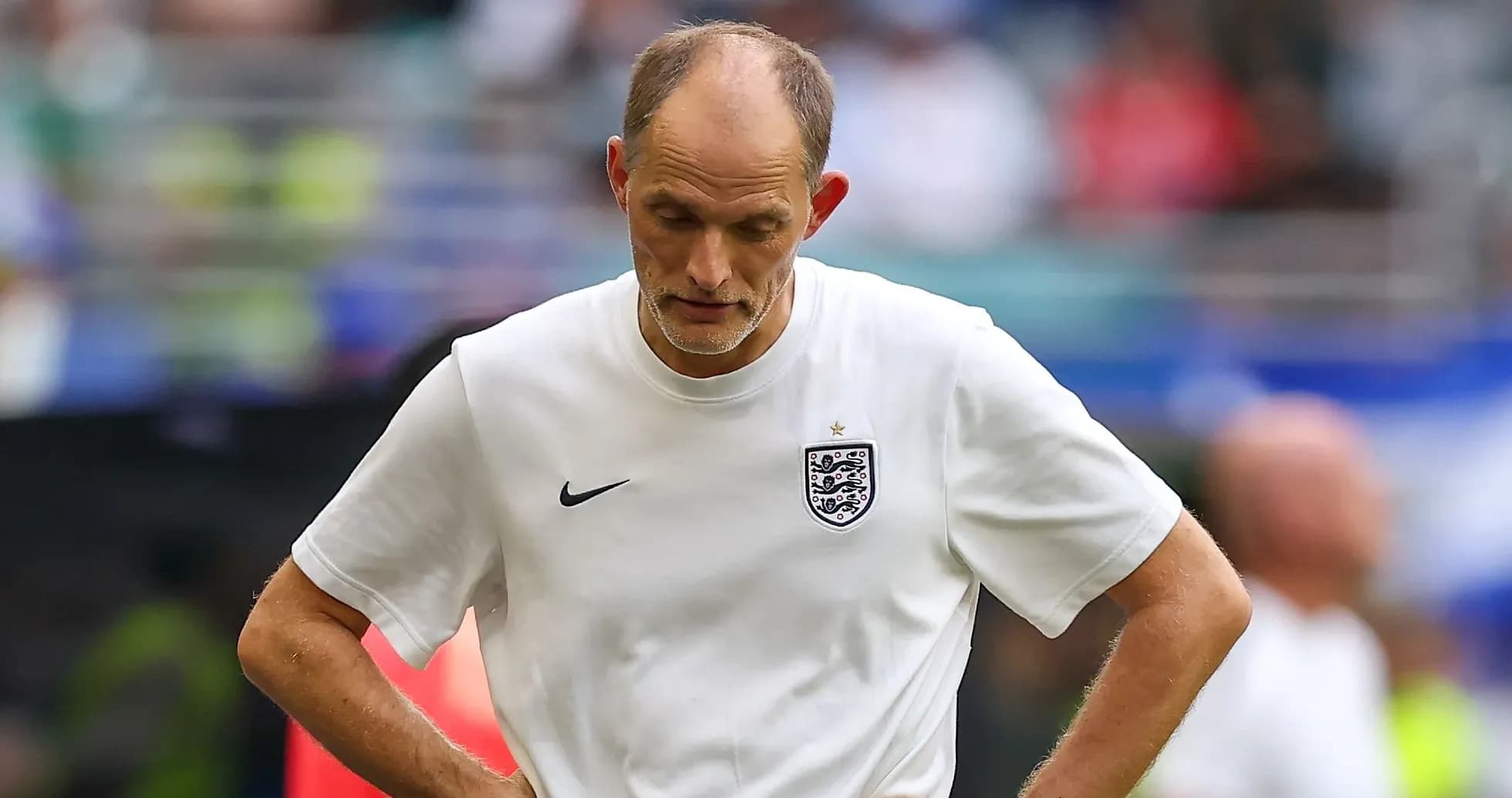
Tuchel Reflects on England's World Cup Collapse Against Argentina
Anthony Gordon’s goal was supposed to be the launchpad. Instead, it became the prelude to one of the most brutal collapses in recent England history.
The Three Lions had Argentina where they wanted them. Ahead, organised, in control for long stretches. Then the game flipped, the South Americans surged, and England’s World Cup dream was ripped apart by a late onslaught that left players and staff staring into space.
At first, the England manager put it down to something deeper, something cultural – an inability to keep the ball under pressure, a flaw he hinted ran through the nation’s footballing DNA. Now, speaking with the benefit of time and a little distance, he has turned the spotlight firmly on himself.
On the FA’s documentary Reflections: England's World Cup Journey, Tuchel admits a tactical retreat – not his players’ supposed shortcomings – opened the door for Argentina to take over.
He saw a team exhausted by a brutal schedule, drained by flights and time zones, pushed through Congo, Miami, Norway, then Mexico and altitude. He sensed they were overwhelmed by the occasion. And he panicked.
“We conceded a chance just before the water break. I thought we will not survive. This is death,” he said. “I thought: ‘OK, let’s change to a back five, a 5-4-1.’ It was too early for that mindset. We were super tired.”
That change, that step back, gave Argentina everything they craved: territory, rhythm, belief. England shrank into a low block, and the South Americans began to dictate, wave after wave, until the comeback felt inevitable.
The scars, Tuchel says, are still raw.
“Agony of epic proportions. I watched the clips with my coaches just last week when we were at SGP,” he revealed. “My mind always works forward, forward. Painful. I see it now for the first time from the commentators’ point of view. It’s my scar, the players’ scar, I have to live with it. No-one is hurt more than me. It is torture.”
He still has not brought himself to sit through the full 90 minutes. Only fragments. Only the worst of it, replayed in short, sharp bursts at St George’s Park, as he and his staff pick over where it all slipped away.
For Tuchel, the turning point came not with a goal, but a tackle.
England had gone toe-to-toe in the first half. “We prepared so well. I think we did quite well in the first half, it was quite an even match and I felt we were there,” he said. The game was balanced, tense, exactly the kind of contest elite sides must embrace.
Then came the second half. Then came Djed Spence.
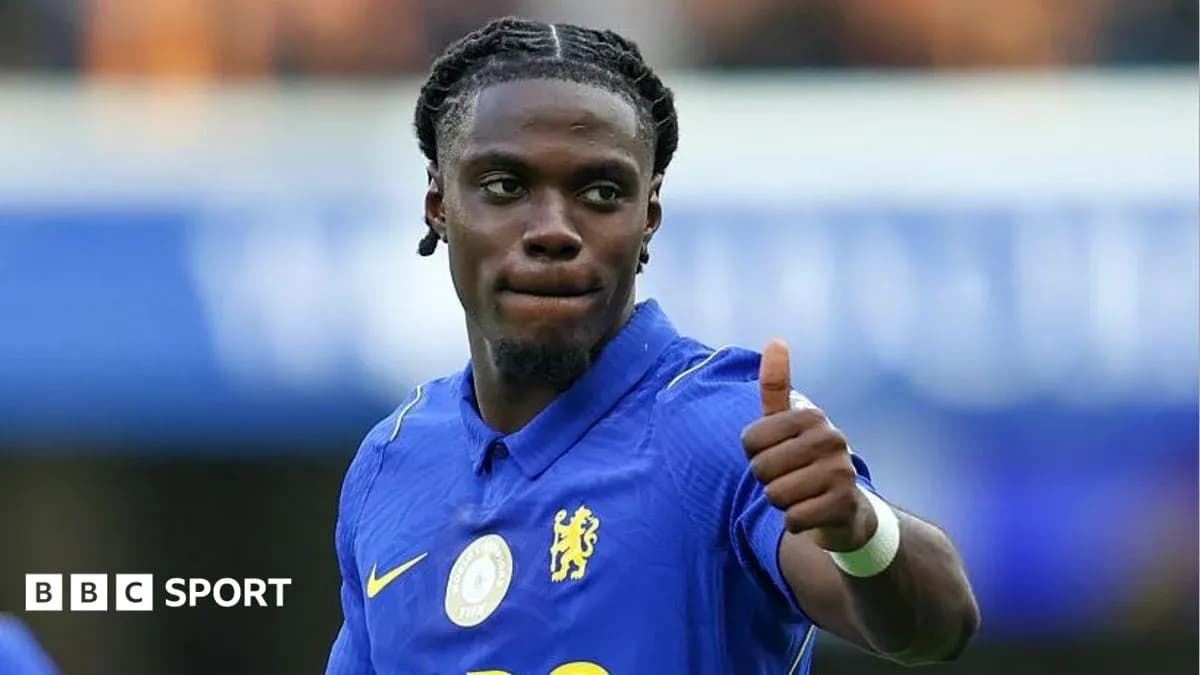
“From the start of the second half, I saw a change. The famous tackle of Djed Spence. And it did something to me, it did something to the players and it was a shift in the mindset,” Tuchel admitted. “We played like we had four minutes left but there was half an hour left.”
That was the psychological slide. England stopped playing as if the game had a long way to run and started behaving as if they were clinging on in stoppage time. They fell back on intangibles – “brotherhood, mentality, individual quality” – and forgot that Argentina had all of that too.
“We relied on our brotherhood, our mentality. Individual quality. Argentina have that as well – brotherhood, mentality, they bring it all to the table and it means the world to them. Argentina played very, very quickly. They had nothing to lose.”
Once Argentina sensed fear, they accelerated. Quick combinations, relentless tempo, every duel contested as if it were the last. England, locked in a defensive shell too early, could not breathe.
The World Cup ended in devastation, but not in collapse. Tuchel is keen to remind people of that. England regrouped to beat France and secure third place, a response that underlined the character inside his dressing room.
“You learn as a coach. You have to play as if it is 0-0. That includes me as well,” he said. The lesson is blunt: don’t retreat into survival mode while the game still has a story to tell.
He still wears his medal. He still gets asked to show it. “I have a lot of people who want to see my medal. We did not achieve what we wanted. But I am still very proud of what we achieved. These players will come back hungry.”
The scar remains. So does the hunger. The real question now is simple: what happens the next time England are protecting a lead on the biggest stage?