Tottenham's Disappointing Start: No Goals in Back-to-Back Losses
Tottenham’s bruising start to the season took another ugly turn in North London as Anthony Elanga and Yoane Wissa struck to hand Newcastle all three points and deepen the sense of unease around the club.
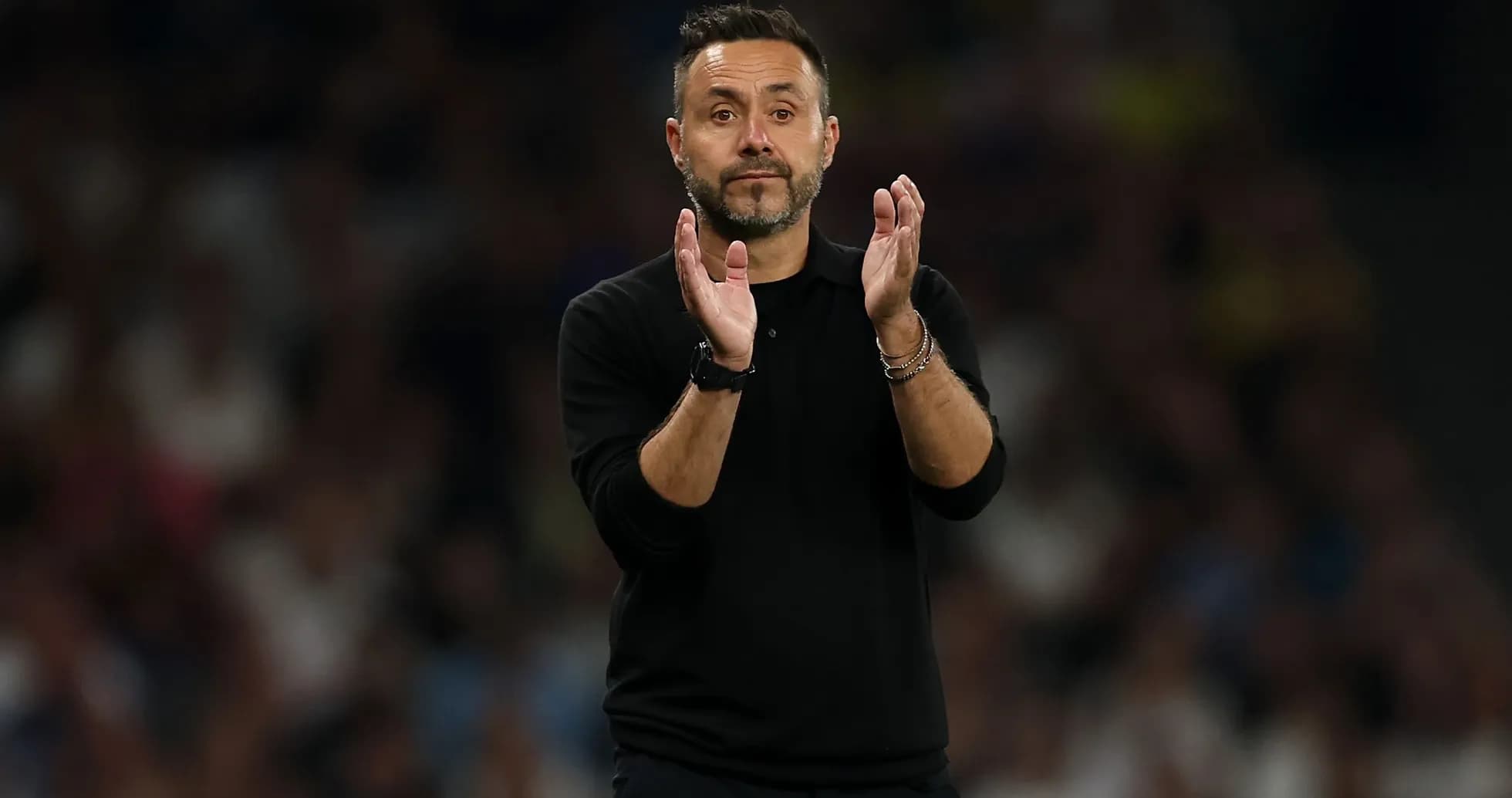
On the touchline, Roberto De Zerbi cut a frustrated figure. On the microphone, he was even clearer: this, in his eyes, was not a fair reflection of the game.
“We are disappointed for the result because until the first goal we conceded I think we played better than Newcastle,” he told BBC Sport, insisting the scoreline masked long spells of control from his side. Yet control without conviction has become a grim theme for Spurs.
A historic low for Spurs
This defeat carried more than the usual early-season sting. It dragged Tottenham into unwanted territory: for the first time in 52 years, they have failed to score while losing their opening two league matches. Not since the 1974-75 season have Spurs started a campaign with back-to-back defeats without finding the net.
For a club that poured over £350 million into summer signings and talked loudly about a reset, that statistic lands like a punch.
The problems, De Zerbi argued, began without the ball.
“We lost ball possession in the first half because we didn't defend in the right way, the distance between the defenders and attackers was too big,” he said. The gaps on the pitch mirrored the gaps in cohesion. Spurs pushed, but Newcastle absorbed. When the visitors broke, they did it with purpose. Elanga and Wissa made their moments count.
Tottenham did not.
Wasteful in the final third
De Zerbi’s irritation centred on the final third. The moves were there, he felt. The finish, the final choice, was not.
“At the beginning of the second half we had some chance to create the potential chances,” he explained, an awkward phrase that captured the frustration of attacks that never quite became shots. “We created many chances to score, we have to improve the last decision, because that will make a difference.”
The manager knows those “last decisions” define seasons. Wrong pass, heavy touch, rushed shot – they all fed into another flat afternoon where Spurs huffed, but rarely truly threatened.
By the end, the home crowd’s patience was fraying. De Zerbi turned his attention to them as much as to his players.
“At the end we are disappointed for the result and our fans. We are working to be a great team. When we become a team I think we can change the story of the last two seasons for Tottenham.”
That line – “when we become a team” – cut to the heart of his argument. For all the money spent, this still looks like a collection of individuals learning a new language on the pitch.
No panic, but no hiding place
The backdrop makes this start feel even heavier. Tottenham came into the new campaign desperate to leave behind the trauma of last season’s final-day relegation escape. A new manager, a massive outlay, a fresh tactical identity: this was supposed to be a clean break.
Instead, a 3-0 opening-day defeat at Brentford has been followed by another lifeless loss to Newcastle. Two games, no goals, and a fanbase already asking hard questions.
De Zerbi, though, refused to flinch when he spoke to Sky Sports.
“There is no panic. I know where we are going and what the plan is. I'm sorry for the fans for the result. We have to improve. We have to work hard on the pitch and find the connection between the players.”
That “connection” is exactly what Spurs currently lack. The structure he demands is complex, the distances he referenced crucial. Right now, they’re just a little off – and in the Premier League, a little off quickly becomes a lot of trouble.
De Zerbi insists work and training will drag them out of it, “day by day.” The question is how many bruising afternoons like this one the club, and its supporters, are willing to endure before those days start to pay them back.