Tottenham’s Attack Struggles: Why De Zerbi’s System Isn’t Clicking Yet
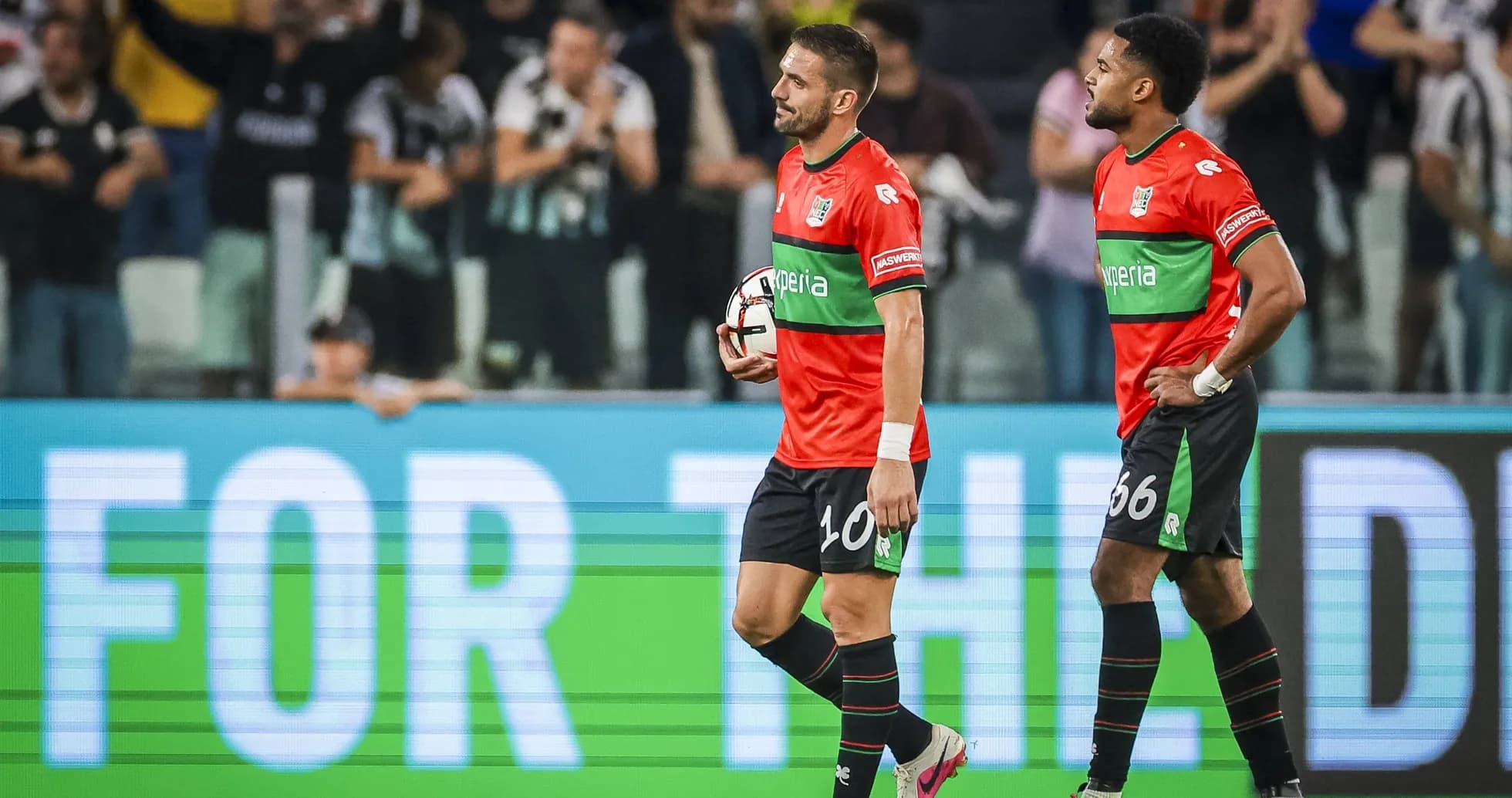
Four games gone. No goals. Tottenham Hotspur, with more than £320m of new talent and a manager obsessed with attacking football, sit alongside Coventry City as the only Premier League teams yet to score.
On paper, it makes no sense. On the pitch, it almost does.
The De Zerbi blueprint
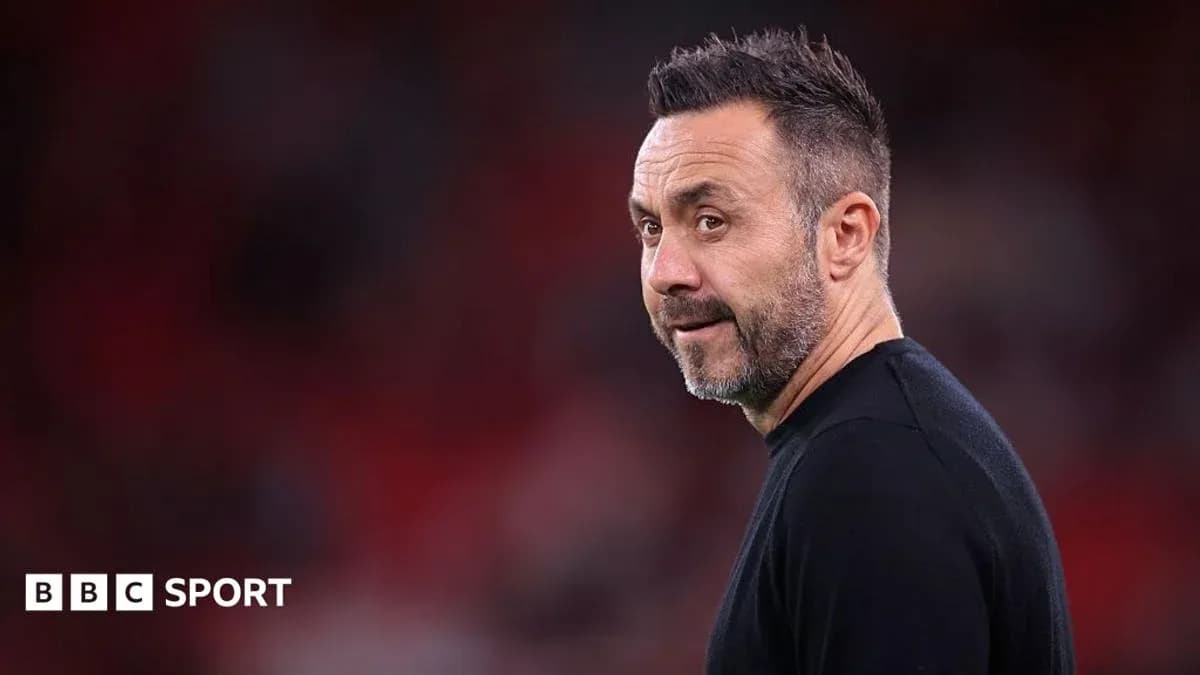
Roberto De Zerbi has not ripped up his playbook since leaving Brighton in 2024. He has bent it, tweaked it, updated it for a different squad and a different league landscape, but the core remains.
His teams invite pressure. They slow the game down, roll the ball backwards, almost taunting opponents to step up. Then they strike.
Once the press comes, the tempo flips. Spurs look to punch passes through the lines or burst forward on the dribble, attacking the space left behind the pressing players. The more you come after them, the more vertical they try to become.
De Zerbi summed it up in a 2020 coaching seminar: “The stronger the pressure of the opponent, the more vertical [our] action becomes. [The fewer opponents behind], the easier it becomes to go and score.”
We’ve already seen his forwards isolated in big spaces, facing fewer defenders. The framework is there. Turning that into goals is the part Tottenham are failing to complete.
A shape that morphs, but a spine that holds
Spurs’ attacking structure is not always easy to pin down, but most of the time it resembles a 2-3-2-3 in possession.
Rodrigo Bentancur sits as the pivot in front of the two centre-backs. That trio is largely fixed, the anchor around which everything else rotates.
Ahead of them, the wingers, full-backs and central midfielders constantly swap positions. The idea is simple: if one player vacates a zone, another fills it. The shape stays, even if the names inside it change.
On top of these positional rules come De Zerbi’s principles. They powered his Marseille side between 2024 and 2026, a team that averaged 2.3 goals per game and thrived in chaos once they broke the press.
Tottenham are not there yet. But they are not miles away either.
Risk in the middle, reward if it works
The key battleground is the centre of the pitch. De Zerbi wants his players to receive under pressure in tight spaces, then explode forward once they’ve drawn the opposition in.
That is a radical shift from what this Spurs squad did under Thomas Frank at the start of last season, when they built almost exclusively down the flanks, deliberately avoiding central zones to limit dangerous turnovers.
Now they are being asked to do the opposite: be brave in congestion, accept risk in the middle, and use that risk to unlock space higher up.
Not everyone is built for that. Some players are more comfortable receiving the ball with their back to goal and opponents snapping at their heels; others need grass in front of them.
De Zerbi has recognised it. Sandro Tonali, more effective when he can drive into big spaces facing forward, has been rotating with Archie Gray, who nominally starts at right-back. It’s a smart adjustment. Gray, just 20, has coped admirably in those tight central pockets and looks in tune with his manager’s demands.
The return of James Maddison, back from a shoulder injury in the Carabao Cup tie at Liverpool, changes the picture again. Maddison is exactly the type of player who can operate between the lines, receive under pressure and still find a forward pass. He should help Spurs reach attacking zones more often and with more control.
But there is a mental reset required too. Players have to unlearn habits drilled in by previous coaches. That does not happen overnight.
The final-third traffic jam
Spurs are often doing the hard part: beating the press, breaking into space behind the opposition midfield, turning defence into attack in a couple of passes.
What happens next is the problem.
De Zerbi’s approach in transition relies on three things aligning:
- The ball-carrier recognising the best pass.
- The movement ahead of the ball creating that pass.
- The technique to execute it.
Right now, the biggest blockage is in step one. Tottenham’s players are either not seeing, or not choosing, the through balls that De Zerbi’s system is designed to create.
The runs are there. Omar Marmoush, in particular, has made sharp movements in behind, but the passes have not consistently followed. Gray has tried to slip balls down the line, but centrally Spurs have been far too hesitant.
The return of Pedro Porro could be crucial. For Spain this summer, during their World Cup win, he operated more centrally in possession and showed exactly the kind of vision and weight of pass this Spurs side is missing. His instincts align naturally with what De Zerbi wants.
If Porro starts threading those passes, Tottenham’s forwards may finally taste the kind of joy Aubameyang and company enjoyed at Marseille.
Width, crossing and the missing cut-back
Spurs’ threat is not confined to the middle. Against Liverpool in the Carabao Cup, Destiny Udogie repeatedly burst into promising positions down the left.
Andy Robertson has impressed this season for Tottenham, but when the game stretched at Anfield, Udogie’s power and timing made him a constant outlet. His surges helped Spurs attack a disorganised Liverpool shape and reach crossing positions.
When an attacking team suddenly accelerates play, defenders typically sprint back towards their own goal to protect the box. That drop creates a pocket of space in front of the back line – an area for late-arriving midfielders or strikers who cleverly peel off.
Marmoush has tried to exploit that zone, dropping into it to receive cut-backs. Again, he has not always been picked out.
On the flanks, there is another technical wrinkle. Savio, a left-footed right-winger, is excellent at driving to the byline on his stronger foot. Pulling the ball back on his weaker side is a different story. Udogie and Robertson, both left-footed on the left, have delivered clearer chances from crosses because they can naturally whip the ball back across goal.
At Marseille, De Zerbi had a different profile on the right. Both the winger and full-back there were comfortable cutting the ball back on their right foot. Those deliveries fed the clever, relentless box movement of 37-year-old Pierre-Emerick Aubameyang, who feasted on the service.
Tottenham do not yet have that same rhythm between wide players and finishers.
Almost there – but “almost” doesn’t score
Look closely at Spurs’ attacks and you can see what De Zerbi is trying to build. The movements are often right. The structures are usually in place. The spaces are being created.
The detail is missing.
The timing of a pass. The decision to slide a runner in rather than recycle. The quality of a cut-back on the weaker foot. These are the margins between a team that “nearly” creates chances and one that scores freely.
De Zerbi’s methods are proven. His Marseille side had elite finishers who thrived in space and punished teams once the press was broken. Tottenham’s forwards still have to show they can be that ruthless.
For now, Spurs are a team stuck between idea and execution. The patterns are forming, the bravery is being coached, the pieces are moving into place.
The question is simple: how long can a club that has spent this much, and a manager who demands this much, wait for the goals to finally arrive?