Tampa Bay Rowdies and Charleston Battery Share Spoils in Tactical Standoff
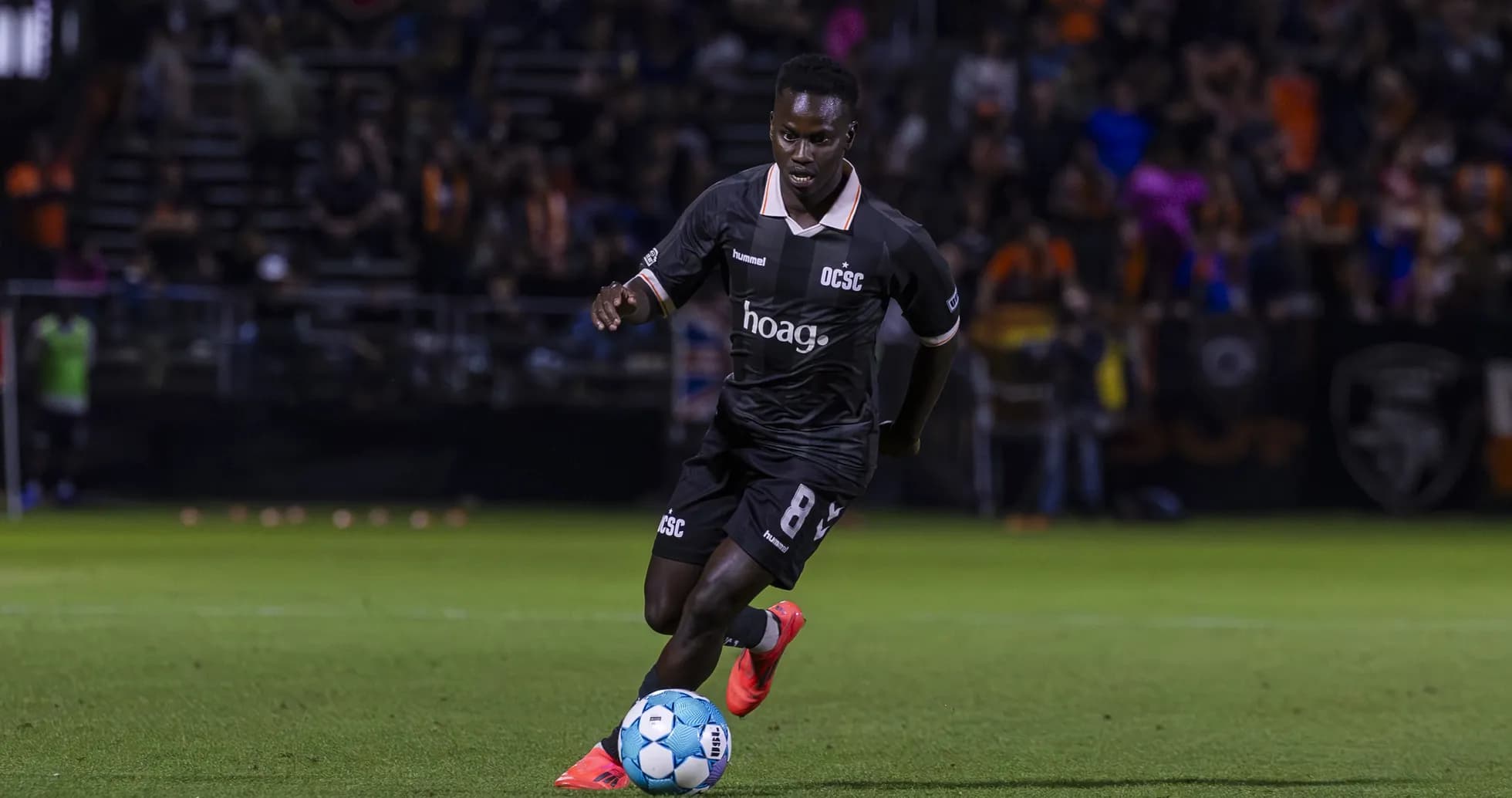
Under the lights at Al Lang Stadium, the USL Championship’s Group Stage offered a meeting of contrasts that ended level on the scoreboard but rich in tactical clues. Tampa Bay Rowdies, top of the table and unbeaten, were held 2-2 by a Charleston Battery side still trying to reconcile a dominant home persona with a fragile away identity. Following this result, the league’s promotion contenders will have taken note: Tampa Bay’s aura of invincibility can be bent, if not yet broken, and Charleston’s away-day narrative is slowly being rewritten.
Tampa Bay Season Overview
Heading into this game, Tampa Bay’s seasonal DNA was clear. Overall they had 8 wins and 4 draws from 12, with 21 goals for and 7 against, a goal difference of 14. At home they were ruthless: 14 goals scored and only 5 conceded across 6 matches, averaging 2.3 goals for and 0.8 against at Al Lang. Clean sheets in 3 home fixtures and a flawless record of never having failed to score framed them as the division’s most complete side.
Charleston Season Overview
Charleston arrived as the league’s paradox. Overall they had 5 wins, 2 draws and 4 defeats from 11, with 16 goals for and 15 against, a goal difference of 1. At home they were a force, averaging 2.4 goals for and just 0.8 against. On their travels, though, the story turned: 1 away win, 1 draw and 4 defeats, with only 4 goals scored and 11 conceded, an away average of 0.7 goals for and 1.8 against. This was a side that could suffocate opponents in Charleston but often gasped for air on the road.
Lineups
The lineups told their own story of intent. Dominic Casciato trusted J. Waite in goal, with a back line anchored by L. Wyke and B. Schaefer, supported by the athleticism of D. Acoff and N. Dossantos. In midfield, S. Cruz and M. Schneider offered energy and balance, while the creative burden fell on M. Micaletto and L. Perez. Up front, M. Myers led the line, a focal point for Tampa’s relentless home attacking numbers.
On the opposite bench, Ben Pirmann’s Charleston looked built for transition. L. Zamudio guarded the posts, with a defensive unit marshalled by S. Suber, G. Smith, J. Akpunonu and N. Messer. Ahead of them, C. Allan and E. Ycaza formed the spine of the midfield, flanked and supported by the dynamic M. Foster. In attack, J. Kelly and M. Berry offered movement and finishing, a duo tasked with piercing a defence that had conceded only 7 times overall before kick-off.
Tactical Insights
Injury and suspension lists offered no obvious tactical voids; the squads were as close to full strength as the data allowed us to infer. But disciplinary trends hinted at where this contest might fray at the edges. Tampa Bay’s yellow cards this season have clustered late: 22.86% between 61-75 minutes and another 22.86% between 76-90, with a further 11.43% in added time. Charleston mirrored that late-game edge, with 24.00% of their yellows between 31-45 and another 24.00% in the 76-90 window. This was always likely to be a match that grew more ragged and combustible as it wore on.
Match Dynamics
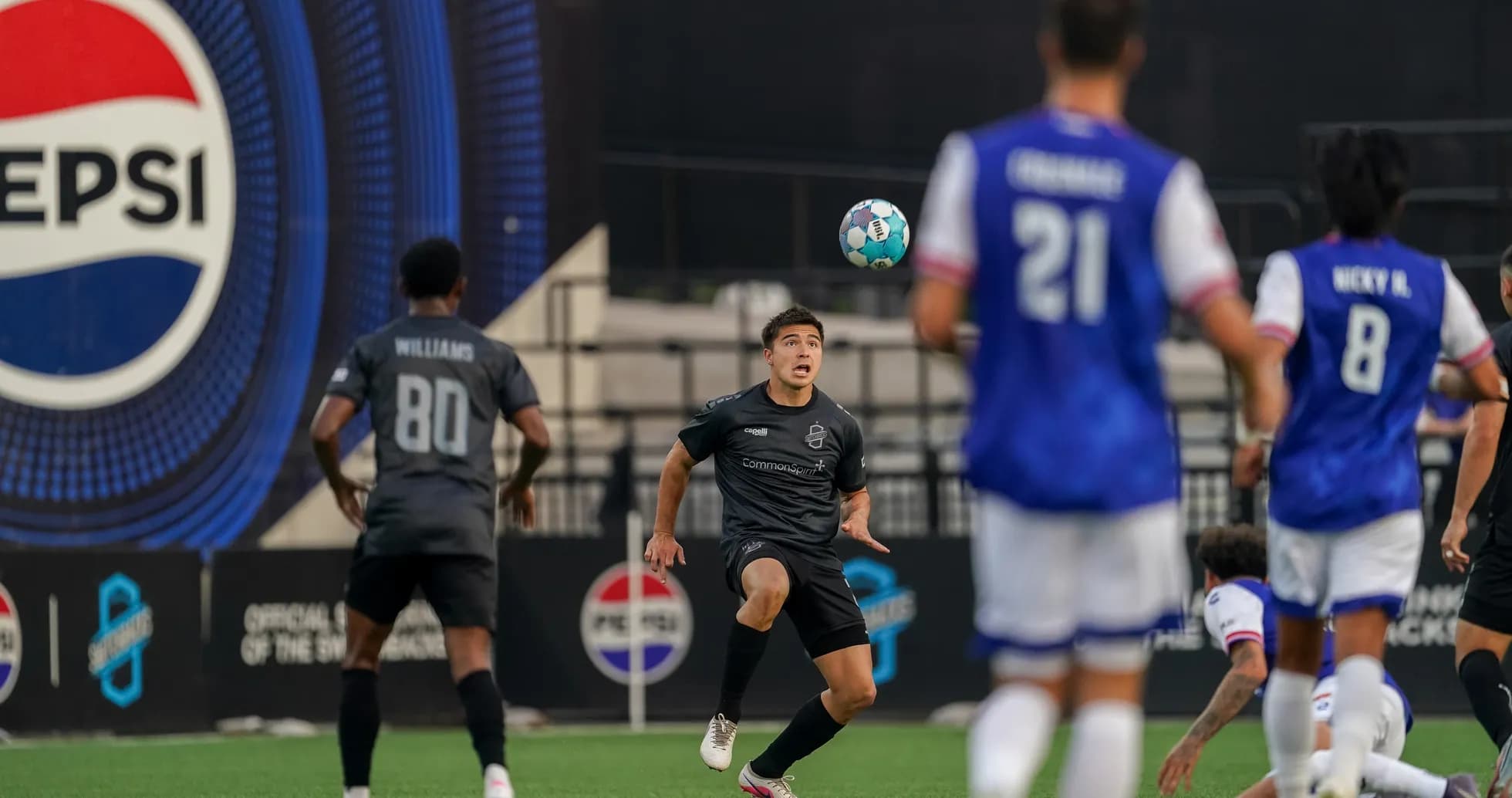
The “Hunter vs Shield” matchup was compelling. Tampa Bay’s home attack, averaging 2.3 goals per game at Al Lang, ran straight into a Charleston away defence conceding 1.8 goals per match. The numbers suggested Tampa would carve out chances with regularity, and the first half followed that script: they went into the break 1-0 up, reflecting both their home swagger and Charleston’s familiar away discomfort.
Yet Charleston’s own offensive profile hinted they would not go quietly. Overall they averaged 1.5 goals per match, and while their away return of 0.7 goals for was modest, the presence of forwards like J. Kelly and M. Berry, supplied by E. Ycaza and M. Foster, meant they always carried a counter-punch. The second half bore that out as the Battery grew into the game, exploiting moments when Tampa’s aggressive shape left spaces to attack.
Engine Room Duel
In the “Engine Room” duel, S. Cruz and M. Schneider were tasked with dictating Tampa’s tempo, recycling possession and feeding the creative lines of M. Micaletto and L. Perez. Across from them, C. Allan’s role as Charleston’s stabiliser was pivotal. His job was to break up Tampa’s rhythm, shield a back line that has often been exposed away from home, and launch transitions through E. Ycaza’s passing range. When Charleston found their foothold, it was because Allan and Ycaza began to disrupt Tampa’s verticality, forcing more play into congested central zones.
Discipline and Tension
Discipline remained a subtext throughout. With Tampa’s yellows heavily weighted toward the final half-hour and Charleston similarly prone to late bookings, the closing stages were always likely to be tense. While there were no red cards in the season data for either side, the accumulation of late yellows suggested both teams were walking a fine line between intensity and indiscipline, particularly as the match moved into its decisive phase.
Statistical Prognosis
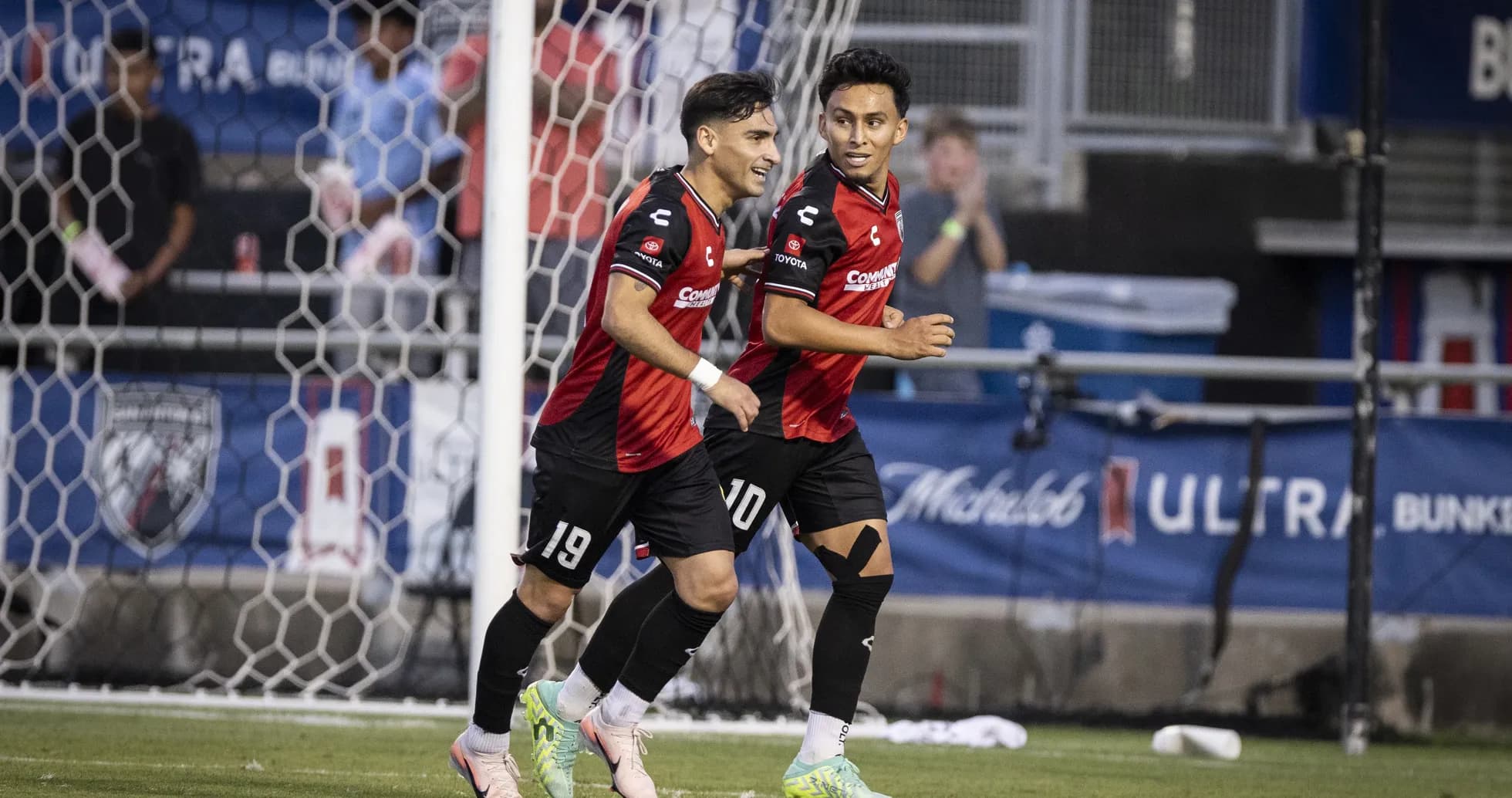
From a statistical prognosis standpoint, a 2-2 draw felt like the meeting point of two truths. Tampa Bay’s attacking volume at home was again evident, aligning with their season-long scoring rate at Al Lang. Charleston, meanwhile, outperformed their away scoring average, suggesting either a tactical step forward on the road or a rare off-night for Tampa’s usually stingy defence, which had been allowing only 0.6 goals per game overall.
In xG terms, even without precise figures, the structural indicators were clear. Tampa’s high home goal averages and shot volume profile point to a side that regularly generates strong chances, while Charleston’s away concession rate implies they typically allow opponents to create high-quality opportunities. The Battery’s ability to score twice here, against a defence that had conceded only 7 goals overall before this fixture, hints at an xG balance closer to parity than the pre-match data might have suggested.
Conclusion
Following this result, Tampa Bay remain the benchmark, but the veneer of inevitability has cracked slightly. Their unbeaten run holds, yet the concession of two goals at home raises questions about how they manage games once in front. For Charleston, this feels like a statement performance on their travels: a reminder that their promotion ambitions are not confined to their own stadium. If they can carry this blend of resilience and opportunism into future away fixtures, the narrative of a split-personality season may yet give way to something more complete.