Sunderland Secures First Win Against Fulham in 17 Years
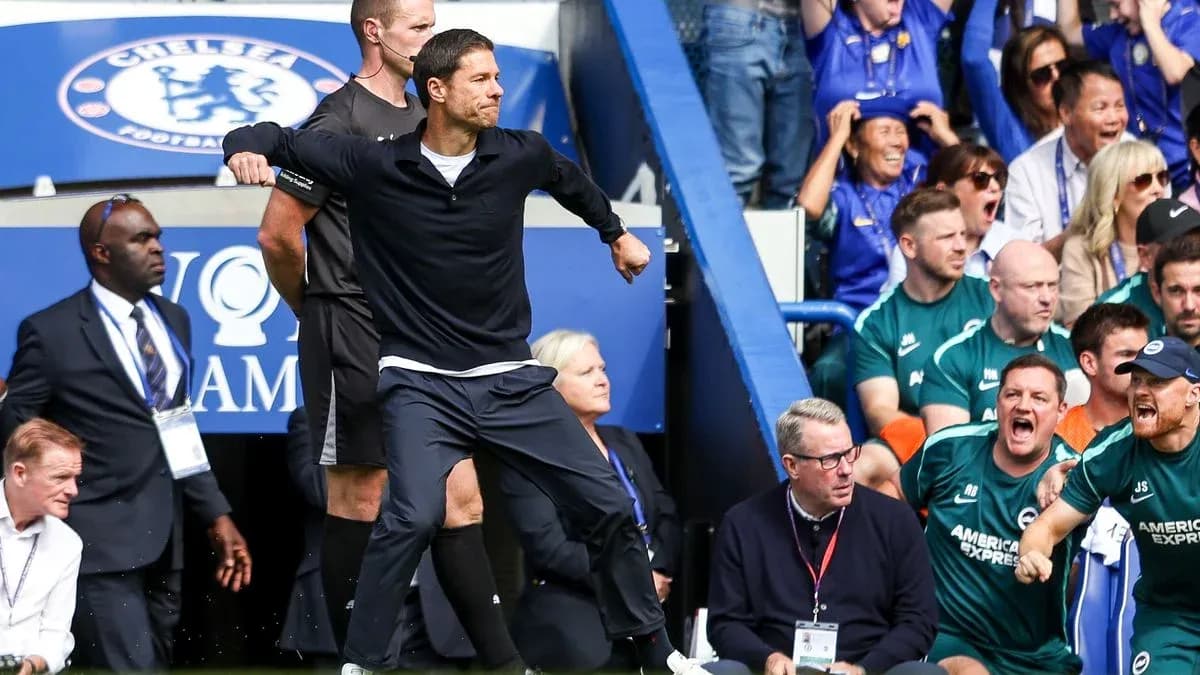
Álvaro Arbeloa stood motionless at the final whistle, locked somewhere between frustration and disbelief. On the opposite touchline, Régis Le Bris exhaled, shoulders dropping, the look of a man who knew how thin the margin had been.
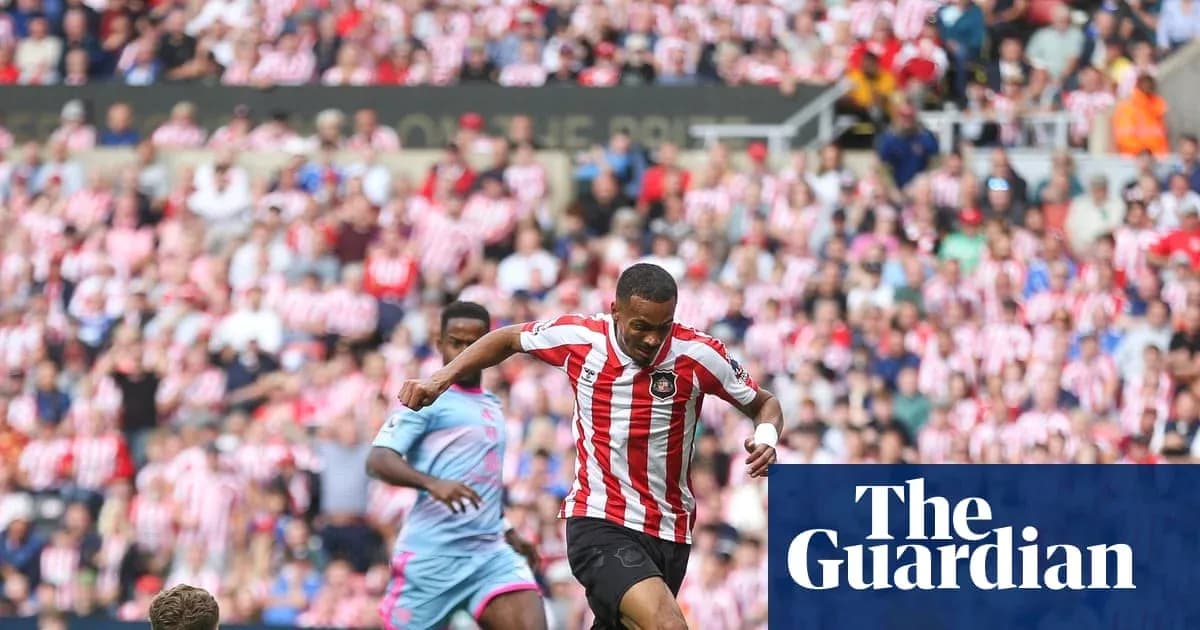
This was a game shaped less by ambition than by the fear of losing it. In the end, it was decided by two players who did not start it. Habib Diarra and Wilson Isidor stepped off the Sunderland bench in the second half and combined for the goal that changed everything.
Isidor’s finish did more than secure Sunderland’s first win of the season and leave Arbeloa’s Fulham without a point. It tore up a miserable statistic that had hung over Wearside for 17 years: no Premier League victory against Fulham in that time. One ruthless strike, and that particular ghost was gone.
Sadiki controls a cautious first half
For 45 minutes, the game felt as if both sides were playing with the handbrake on. Sunderland had the ball, Fulham had the caution, and neither had much cutting edge.
One player rose above the stalemate. Noah Sadiki ran central midfield with authority, reading danger before it fully formed and stamping out Fulham’s attacks almost at source. Time and again the Democratic Republic of the Congo international stepped in, intercepted, tackled, turned, and Sunderland’s shape reset.
Fulham created only one real chance before the break. Alex Iwobi slipped a clever ball into Josh King, who found himself squeezed tight against the angle and the laws of geometry. His finish went wrong, the moment evaporated, and Robin Roefs remained largely a spectator in the Sunderland goal.
At the other end, Bernd Leno could hardly claim to have had a busy afternoon either. Sunderland’s possession looked neat enough but carried little menace. The build-up lacked bite, the final ball lacked conviction, and Leno’s gloves stayed clean.
By half-time, both managers had plenty to think about. Kyril-Louis Dreyfus, watching from the stands, did not need a scouting report to understand why Le Bris wants a specialist right-winger and another striker before the transfer window closes. The evidence was right in front of him.
Mukiele’s tackle, Le Bris’s gamble
If Sunderland’s attack misfired, their defence had its anchor back. Nordi Mukiele, restored to central defence after injury, offered exactly the kind of assurance Le Bris craves. Early in the second half, he delivered the game’s first truly decisive defensive moment.
Sander Berge sliced open the Sunderland back line with a superb through pass, sending Gonzalo García clear and seemingly destined to score. García, who had found the net in each of his first two competitive games since joining Fulham from Real Madrid, looked ready to extend that run. Then Mukiele arrived, timing a sliding challenge to perfection and smothering what felt like a near-certain goal.
García spent much of the afternoon discovering just how stubborn Sunderland’s rearguard could be. Fulham began to probe more intelligently, though, and the balance of the contest started to tilt. Sensing that shift, Le Bris acted.
He rolled the dice with a double change. Diarra and Isidor came on for Nilson Angulo and Brian Brobbey, both of whom had struggled to impose themselves. Suddenly, Sunderland had fresh legs, fresh angles, and a different kind of threat.
The impact was immediate. Enzo Le Fée, always searching for that one pass to unpick a defence, whipped a glorious first-time ball across the face of goal. Isidor arrived right on cue. It looked harder to miss than to score.
He hit the post.
The ball smacked against the base of Leno’s upright and bounced away. Le Bris dropped to his knees, disbelieving. Isidor’s expression said everything: a mixture of shock and embarrassment, the sort of miss that can haunt a forward.
Redemption for Isidor
He did not have to live with it for long. Sunderland kept pressing, and Fulham’s high defensive line offered space that Diarra and Isidor were only too happy to attack.
Moments after that glaring miss, Diarra picked up the ball and whipped another superb delivery across the box. Isidor read it, attacked it, and this time he did not hesitate. His shot ripped through the space and flew past Leno with real venom.
One chance squandered, the next buried. From mortified to redeemed in a matter of minutes.
The goal transformed Sunderland. Diarra and Isidor had injected pace, direct running and a sense of purpose that had been missing for most of the afternoon. Fulham’s back line, previously comfortable, suddenly looked exposed as they continued to hold high and leave room in behind.
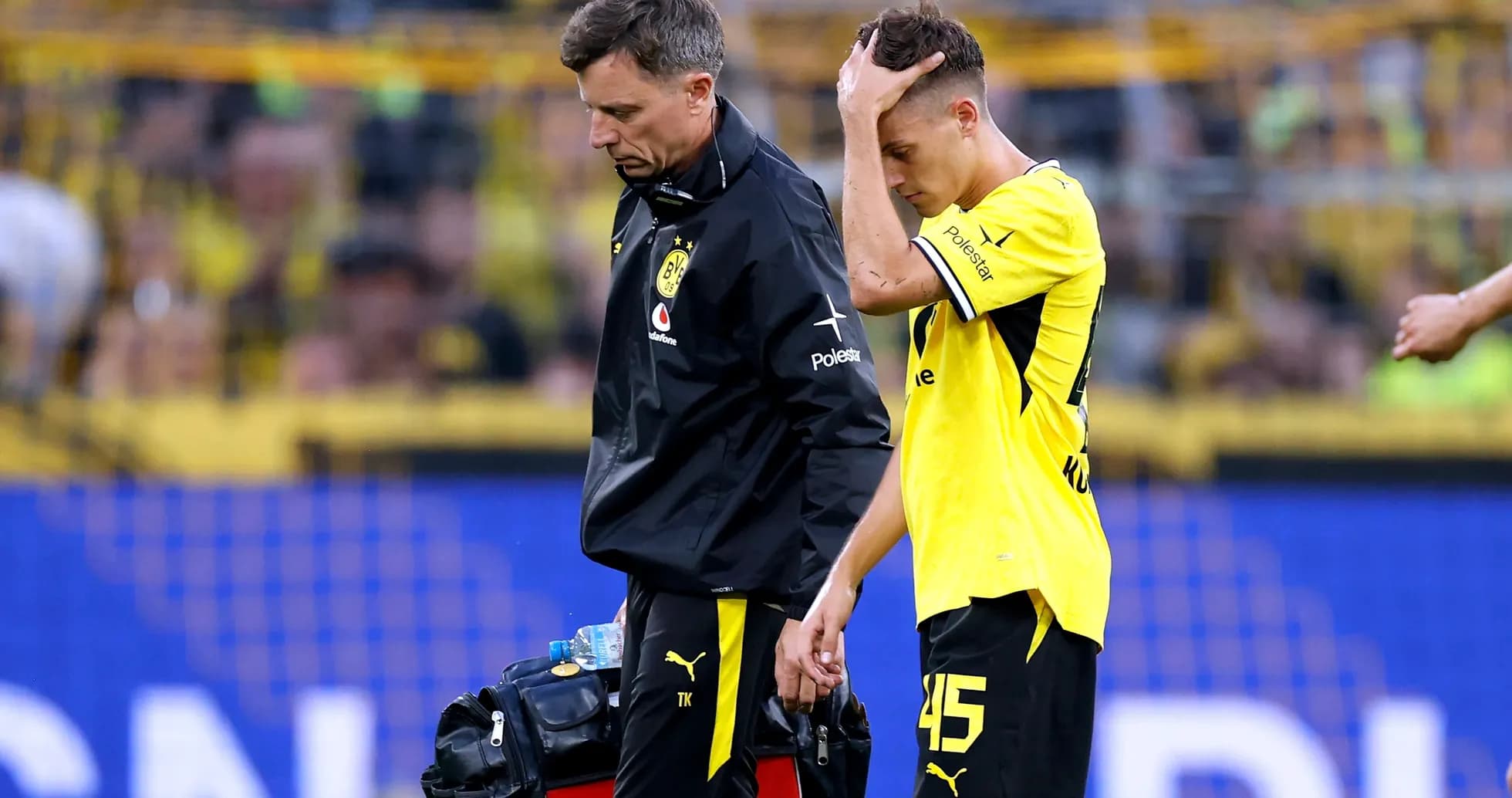
Diarra’s influence, though, was brief. An injury cut short his cameo and forced Le Bris to turn to Chris Rigg. By then, the damage to Fulham had been done. Sunderland had the lead, the crowd had belief, and Arbeloa’s players never truly found a way back.
Diarra limped off knowing he had already shaped the game. Isidor walked off at full-time knowing he had finally ended a 17-year wait.