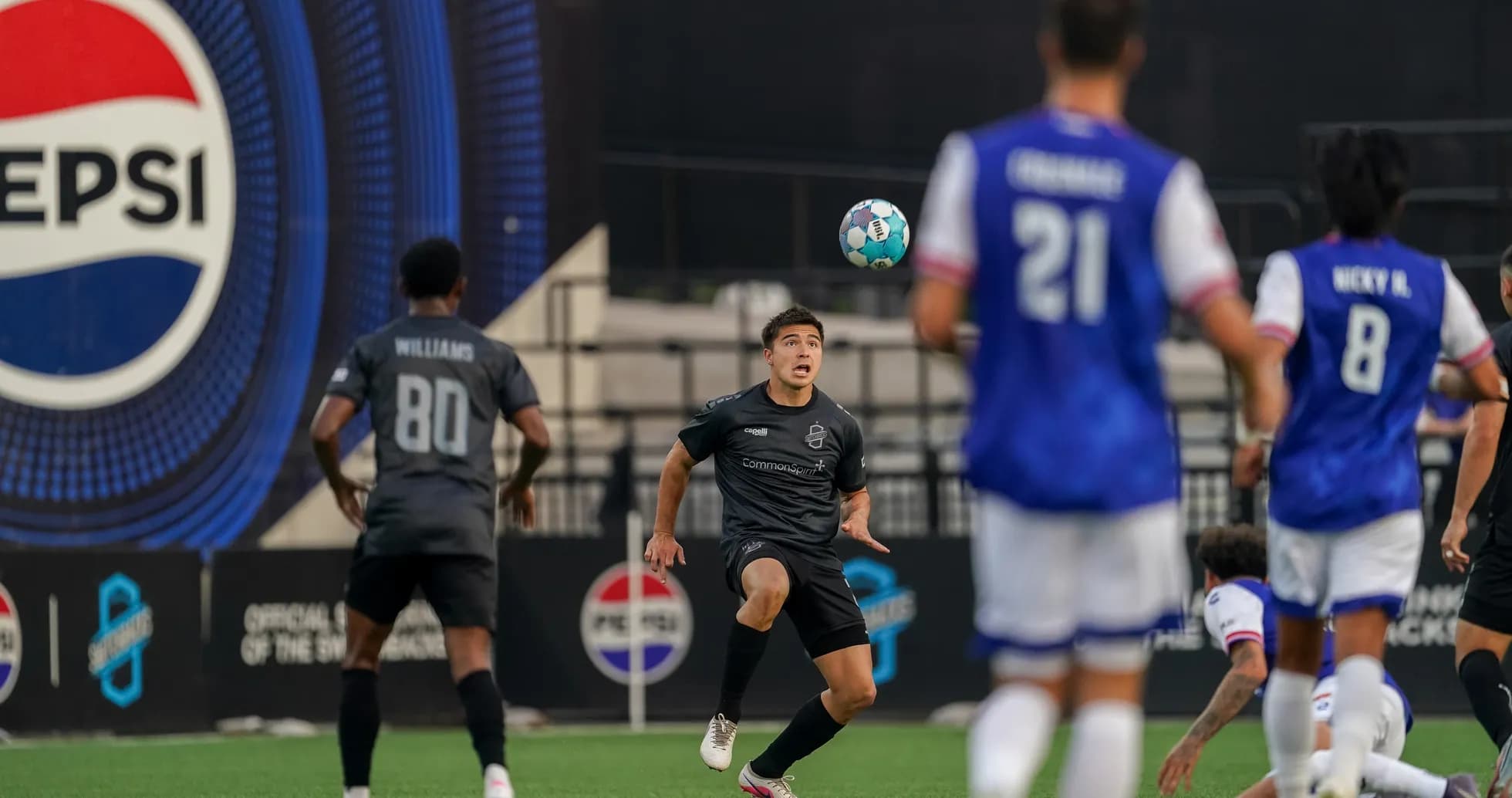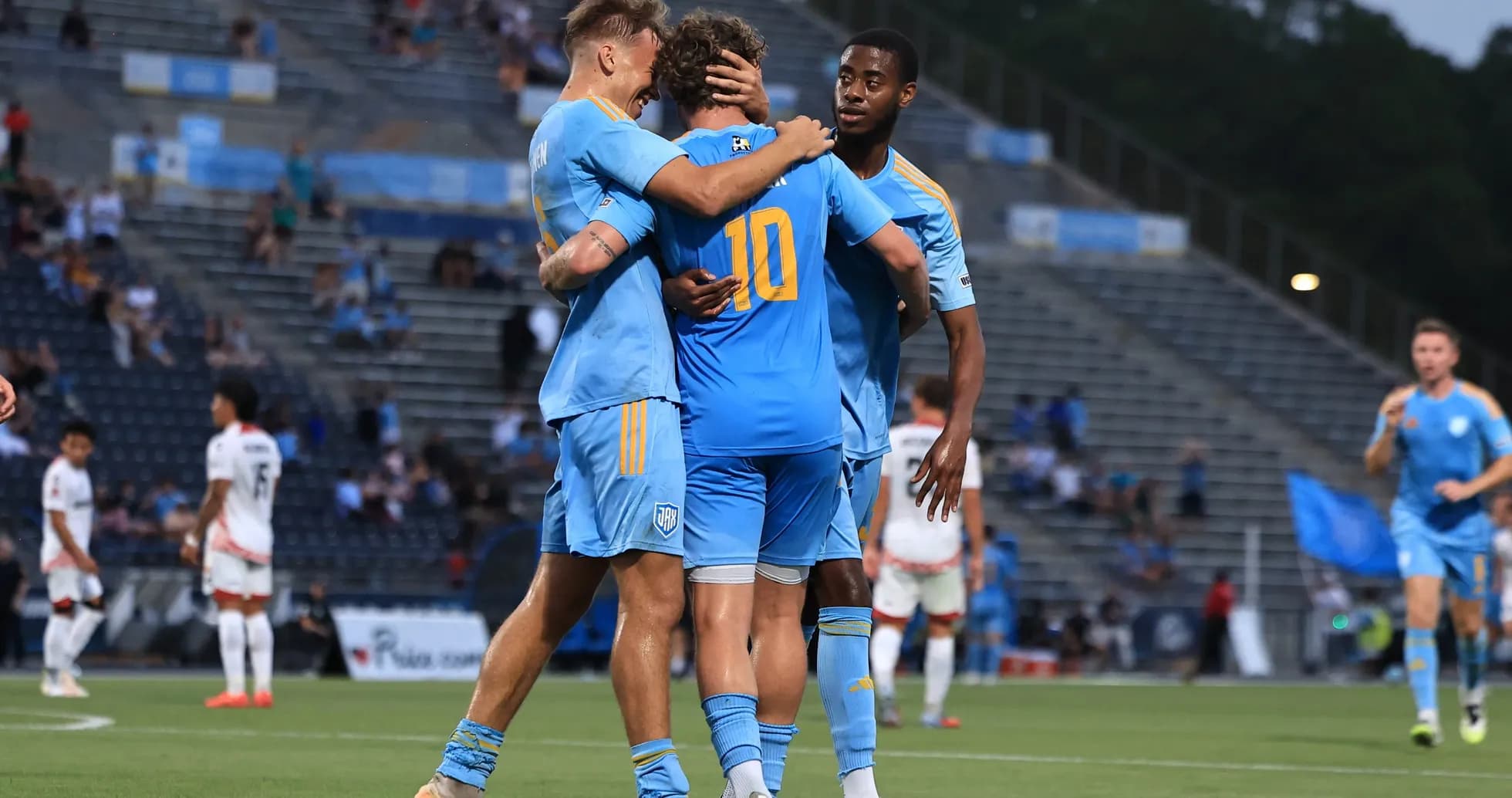
Sporting JAX vs San Antonio: A 4-4 Thriller in USL Championship
Under the lights at Hodges Stadium, a fixture that looked like a straightforward top‑versus‑bottom clash in the USL Championship’s Group Stage turned into a chaotic character study. Sporting JAX, rooted in 13th with 2 points and a goal difference of -14 heading into this game, roared into a 3–0 half‑time lead, only to be dragged back into a 4–4 epic by a San Antonio side that arrived as league leaders on 21 points and the division’s most resilient outfit.
This was not a knockout 1/8 final, but it carried that kind of psychological weight: for Sporting JAX, a test of whether they could finally bend their season’s narrative; for San Antonio, a question of how a promotion‑chasing machine responds when its structure is torn apart.
I. The Big Picture: Identities in Collision
Seasonal DNA framed the storyline. Sporting JAX came in winless: 0 victories in 10 matches overall, with 2 draws and 8 defeats. At home they had played 4, with 0 wins, 1 draw and 3 losses. Their attacking output at Hodges Stadium was deceptively bright at 1.5 goals per game, but the defensive fragility was brutal: 3.0 goals conceded at home on average, 12 shipped in 4 matches.
San Antonio’s profile was almost the mirror opposite. Overall, they had played 12, winning 5, drawing 6 and losing just 1. On their travels, they had 1 win, 4 draws and 1 defeat from 6, scoring 8 and conceding 9, an away average of 1.3 goals for and 1.5 against. Not as dominant as at home, but still the posture of a side that controls risk and grinds results.
That is why the 3–0 half‑time scoreline – and the eventual 4–4 full‑time – felt so jarring. It was a match where Sporting JAX’s attacking potential finally surfaced, but their defensive frailty remained, and San Antonio’s vaunted organisation disintegrated before slowly reassembling itself.
II. Tactical Voids and Discipline: Edges of Control
There was no formal injury list to shape the lineups, so both coaches effectively had their full squads. Carlos Llamosa set San Antonio out with R. Sanchez in goal, protected by a core of R. Buckmaster, A. Crognale, D. Barbir and M. Taintor. In front, the blend of N. Blanco, D. Erofeev and M. Maldonado suggested a compact, ball‑winning spine, with C. Calov and J. Hernandez tasked with linking to the spearhead C. Sorto.
Sporting JAX’s XI hinted at a different kind of gamble. C. Olivares started in goal, with a back line built around the energy of E. Rito and H. Neville, and the presence of R. Edwards and A. Gomez. In midfield, T. Rose, K. Sadlier and J. Rossiter formed the central engine, while R. Pedder, E. Jaaskelainen and A. Al Qaq offered mobility and vertical threat.
From a disciplinary perspective, both teams carried distinct patterns into the night. Heading into this game, Sporting JAX’s yellow cards peaked late: 28.57% of their cautions came between 76–90 minutes, with another 21.43% between 61–75. That late‑game surge of cards hinted at a side that often ends matches under siege, tackling desperately. Their red cards were split entirely between 16–30 minutes and 76–90 minutes (50.00% in each of those ranges), underscoring how emotional spikes could destabilise them early or very late.
San Antonio’s yellow‑card profile was more evenly spread but still intensified after the break: 19.44% of their yellows arrived between 46–60 minutes and another 22.22% between 61–75, with 19.44% again from 76–90. They rarely saw red, with no dismissals recorded across any minute range. That discipline under pressure is part of what has kept their defensive record solid overall, with only 14 goals conceded in 12 matches.
III. Key Matchups: Hunter vs Shield, Engine Room vs Enforcer
Without individual scoring charts, the “Hunter vs Shield” narrative becomes structural rather than personal.
For Sporting JAX, the “Hunter” is the collective front line built around the movement of E. Jaaskelainen and A. Al Qaq, supported by the runs of R. Pedder and the delivery of K. Sadlier. At home, Sporting JAX had scored 6 goals in 4 matches heading into this fixture, averaging 1.5 per game. The 4 goals they produced here show what happens when that attacking group is given licence and confidence.
The “Shield” on the other side was San Antonio’s defensive unit that, overall, had conceded just 1.2 goals per game and kept 5 clean sheets in 12 matches. On their travels, they had allowed 9 goals in 6 matches, an away average of 1.5 against – not elite, but usually enough when paired with their control of tempo. In this match, though, the shield cracked early. The back four of Buckmaster, Crognale, Barbir and Taintor struggled to cope with Sporting JAX’s direct running and quick combinations, leaving R. Sanchez repeatedly exposed.
In the “Engine Room”, Sporting JAX’s trio of T. Rose, J. Rossiter and K. Sadlier had to wrestle with San Antonio’s central block of N. Blanco, D. Erofeev and M. Maldonado. Rose and Rossiter brought bite and range, while Sadlier offered guile between the lines. For long spells, particularly in the first half, Sporting JAX’s midfield found pockets between San Antonio’s lines, forcing Blanco and Erofeev into uncomfortable lateral defending rather than the vertical pressing they prefer.
San Antonio’s response came when C. Calov and J. Hernandez began to drift into half‑spaces, dragging Rose and Rossiter wider and opening central corridors for late runners. As the game wore on, Sporting JAX’s historical pattern of late‑match strain reappeared: their season‑long tendency to pick up cards and lose structure between 61–90 minutes mirrored the way San Antonio clawed their way back into the contest.
IV. Statistical Prognosis and Tactical Verdict
If we layer Expected Goals logic over the season data, the 4–4 feels like an extreme but not entirely random outlier.
- Sporting JAX’s overall goals for average was 1.0 per match, with 2.4 conceded.
- At home, they scored 1.5 and conceded 3.0 on average.
- San Antonio’s overall attack produced 1.5 goals per match, with 1.2 conceded.
- Away, they scored 1.3 and conceded 1.5.
A “neutral” xG‑driven expectation might have been something like a 1–2 away win or a 1–1 draw, given San Antonio’s defensive solidity and Sporting JAX’s chronic concessions. Instead, both sides hit or exceeded their usual attacking output by a distance, while Sporting JAX once again conceded at a rate in line with their home average of 3.0 but allowed an extra goal on top.
Tactically, the match underlined three truths:
- Sporting JAX have enough attacking talent – in the interplay of Jaaskelainen, Al Qaq, Pedder and the service of Sadlier – to hurt even the league leaders when their midfield platform holds. Their penalty record this season, with 3 scored from 3 and 0 missed, shows they can also punish mistakes clinically from the spot.
- Their defensive structure remains their Achilles heel. Conceding 24 goals in 10 matches overall heading into this fixture, with 12 at home and 12 away, was not an accident. Even in a night where they scored 4, they could not close the game out.
- San Antonio’s resilience is real, but their away vulnerability persists. With 8 goals scored and 9 conceded away heading into this game, they were already more open on their travels. Shipping 4 here will concern Carlos Llamosa, even if the comeback showed character and attacking depth from the bench options like S. Patino, L. Haakenson or E. Cuello when introduced.
Following this result, the tactical preview for any rematch writes itself: expect San Antonio to tighten their defensive distances earlier, and expect Sporting JAX to lean into the chaos they now know they can create. The numbers suggest San Antonio’s xG and defensive solidity will usually drag such fixtures back toward control. But Hodges Stadium has just proved that if Sporting JAX’s front line is allowed to run, even the league’s leaders can be dragged into a shootout they did not plan for.