Saudi Arabia's Gulf Cup Challenge: Al-Juwair Absence Creates Crisis
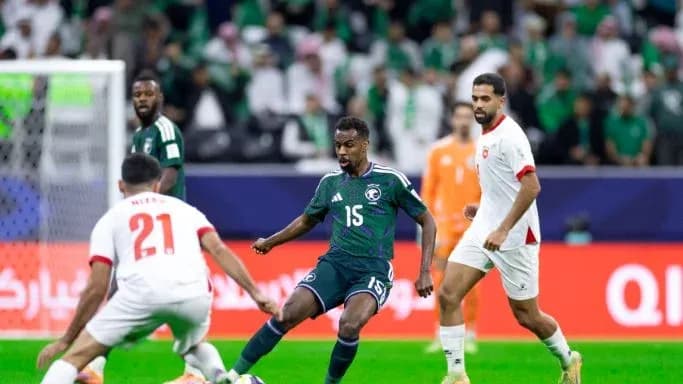
Georgios Donis has lost more than a name on his squad list. With Al-Juwair absent, Saudi Arabia’s coach heads into Gulf Cup 27 without one of the few midfielders capable of calming a game, stitching the lines together and stepping into the build-up with authority.
On the tactics board, Mukhtar Ali’s call-up fills the vacancy. On the pitch, it changes the picture. The two midfielders offer different profiles, and that forces Donis to redraw responsibilities in the middle of the park, adjust pressing triggers and rethink who dictates tempo when the pressure rises.
The real threat, though, is not on the whiteboard.
A disciplinary storm that won’t go away
The danger sits off the pitch, in the noise that refuses to die down. Players hear it all: the talk around the dropped team-mate, the official statements, the reactions, the arguments over who was right and who was wrong. That kind of debate can chip away at focus, especially before a short, unforgiving tournament where there is barely any time to fix mistakes.
Managing the crisis now becomes as important as managing the game plan. A successful camp is not built only on fitness data and tactical drills. It needs calm. It needs clarity. It needs a dressing room where every player understands his main job is training and competing, not tracking every word on television, in print or across social platforms.
Saudi Arabia arrive at Gulf Cup 27 needing to repair their image as much as chase a trophy. The competition offers a chance to reset confidence and adjust course, not just to lift silverware. That task becomes heavier when the conversation shifts away from how to improve the national team and settles instead on who mishandled the Al-Juwair situation and who leaked what to whom.
Each new comment threatens to widen the rift. Hazazi has already criticised how the issue was dealt with, calling it “a distraction” for the national team. Al-Mefreg, on the other hand, insists the regulations must apply to everyone, warning that stepping back from them could invite chaos inside the camp. Between those two hard lines, the national side finds itself wrestling with a problem that is growing bigger than its sporting weight before the first whistle.
Handle it now, or live with it later
This is how a limited disciplinary matter can swell into a genuine crisis. Close it internally, secure respect for the decision and drag the focus back to football, and it becomes a brief pre-tournament incident, nothing more. Let it linger, and the story lives on, fed by every interview and every hint of disagreement.
The next few hours and days will decide which way it goes. Not the size of the original issue. The way it is handled.
The calendar offers no mercy. Saudi Arabia open against Kuwait on 23 September, meet Oman on 26 September and finish the group against Iraq on 29 September. Three games in six days. No room for sulking, no space for side battles.
Those fixtures will come at them quickly, one after another. Donis and his players simply will not have the luxury of revisiting old arguments or calculating internal politics. The schedule itself demands tunnel vision.
More than anything, this group stage will expose the team’s capacity to live with pressure. A sharp start could suffocate much of the off-field noise. A slip, even a small one, would drag every buried detail back into the headlines and risk turning the Al-Juwair affair into a bigger question about the squad’s mentality and resilience.
The only convincing reply will not be delivered at a microphone. It will be delivered between the white lines.
Saudi Arabia have not lost Gulf Cup 27 before it begins. The ball has not rolled yet, and the path out of the group remains wide open. But they cannot allow this issue to grow larger by the day, not when the stated objective is to compete for the title.
If the players can park the controversy and narrow their world to the training pitch and the next opponent, the crisis may fade into the background. If they cannot, they risk stepping into Kuwait, Oman and Iraq not just with a tactical plan, but with a mental battle already raging in their heads.