Roberto De Zerbi's Risky Decision with Lucas Bergvall
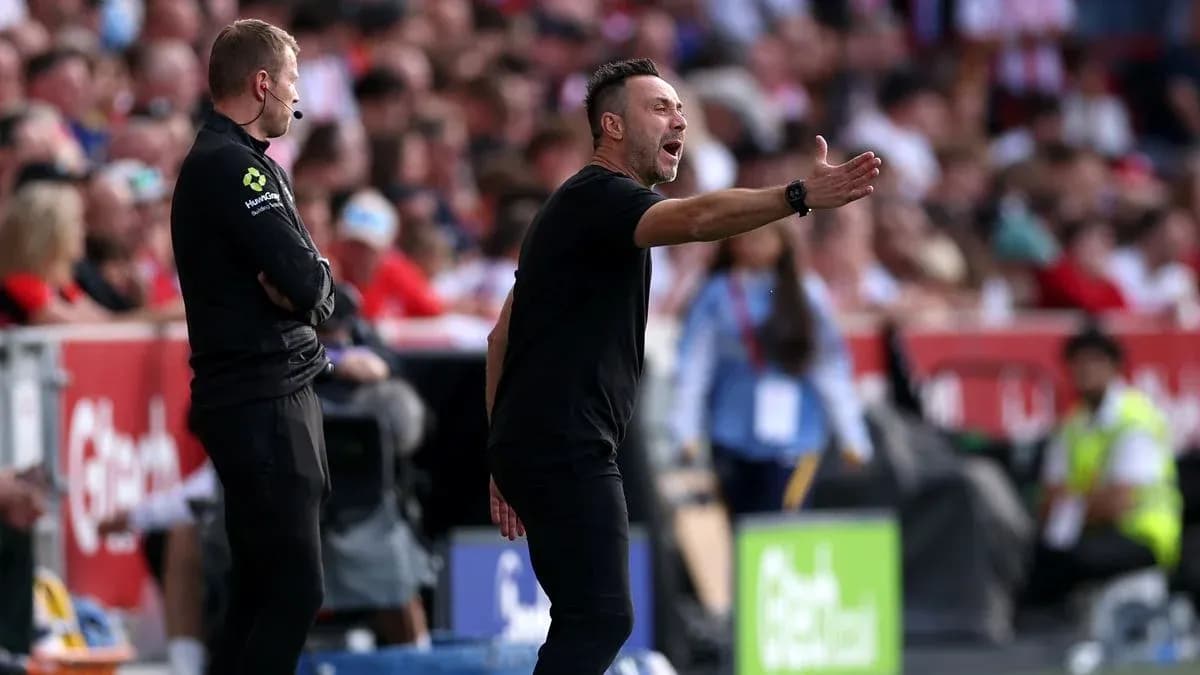
Roberto De Zerbi knew he was rolling the dice.
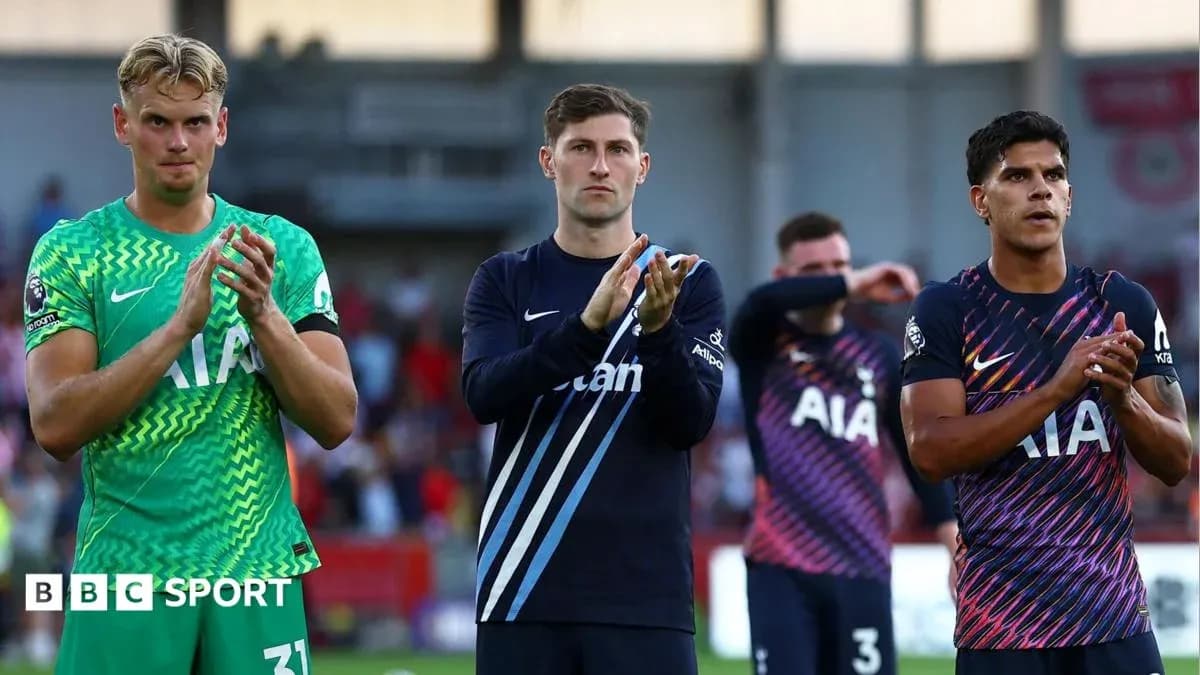
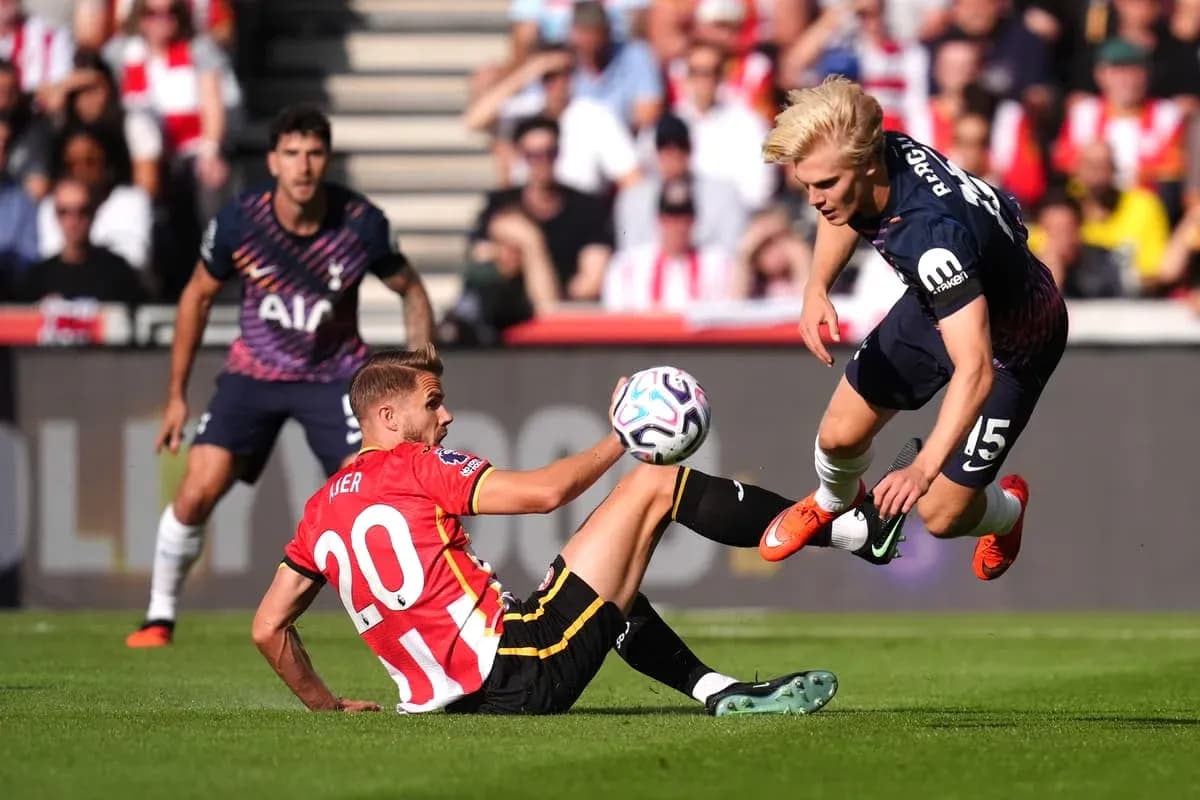
Tottenham’s head coach admitted as much after watching his side taken apart 3-0 by Brentford on the opening weekend, and with it seeing young midfielder Lucas Bergvall endure a brutal Premier League introduction at the Gtech Community Stadium.
With Mateus Fernandes managing calf fatigue and Rodrigo Bentancur only just back in full training after his World Cup exertions, De Zerbi felt he had little choice but to start the 20-year-old Swede alongside Sandro Tonali in the heart of midfield. Preparation, not reputation, dictated the call.
“In the pre-season, we worked with Lucas Bergvall,” De Zerbi explained. Bentancur, nine years older and far more battle-hardened, simply wasn’t ready to start. Fernandes wasn’t either. So Bergvall played.
The level hit him hard.
Brentford swarmed the middle of the pitch, snapping into duels and forcing turnovers, and Bergvall struggled to match the tempo. His most costly moment came for Brentford’s second goal, when he surrendered possession and the hosts punished him ruthlessly. By half-time, with Spurs already 2-0 down inside 33 minutes, De Zerbi made the change and took him off.
It looked brutal. De Zerbi insisted it was not a loss of faith.
He pointed to the scale of the wider rebuild: last season’s defensive line of Pedro Porro, Kevin Danso, Micky van de Ven and Destiny Udogie replaced on the day by Archie Gray, Jean Paul van Hecke, Marcos Senesi and Andy Robertson – four new faces trying to gel under Premier League fire. In midfield, where Bentancur and Joao Palhinha had been the reference point, Spurs instead went with Bergvall.
At this stage of what De Zerbi repeatedly calls a “new project”, he believes those decisions are part of the cost of doing things differently. You either commit to players like Bergvall and Gray now, or you accept you are only ever coaching for the next 90 minutes.
“I think at the beginning of the season, at the beginning of the new project, it was good, it was right to play with Lucas Bergvall,” he said, standing by the call even after such a bruising night.
He also made no attempt to disguise the risk he had taken. He knew, before a ball was kicked, that this kind of game might expose Bergvall more than it would Bentancur. The age gap matters. The experience gap even more.
Yet De Zerbi’s message after full-time was not about regret. It was about what happens next.
He argued Bergvall “didn't play bad” despite the error that led to the second goal and the half-time substitution. For the coach, that mistake is part of the education. In his view, the same player in two years’ time will not lose that ball in that area, at that moment.
Those are the “steps to become better” he talks about. Painful, public, season-shaping steps.
Tottenham’s opening day collapse raises questions about their readiness and their pre-season, which De Zerbi has already criticised as disjointed. It also shines a harsh light on young players being asked to grow up quickly in a team still trying to recognise itself.
Bergvall’s first real taste of English football intensity left a mark. The real judgment will be how quickly he turns that sting into steel.