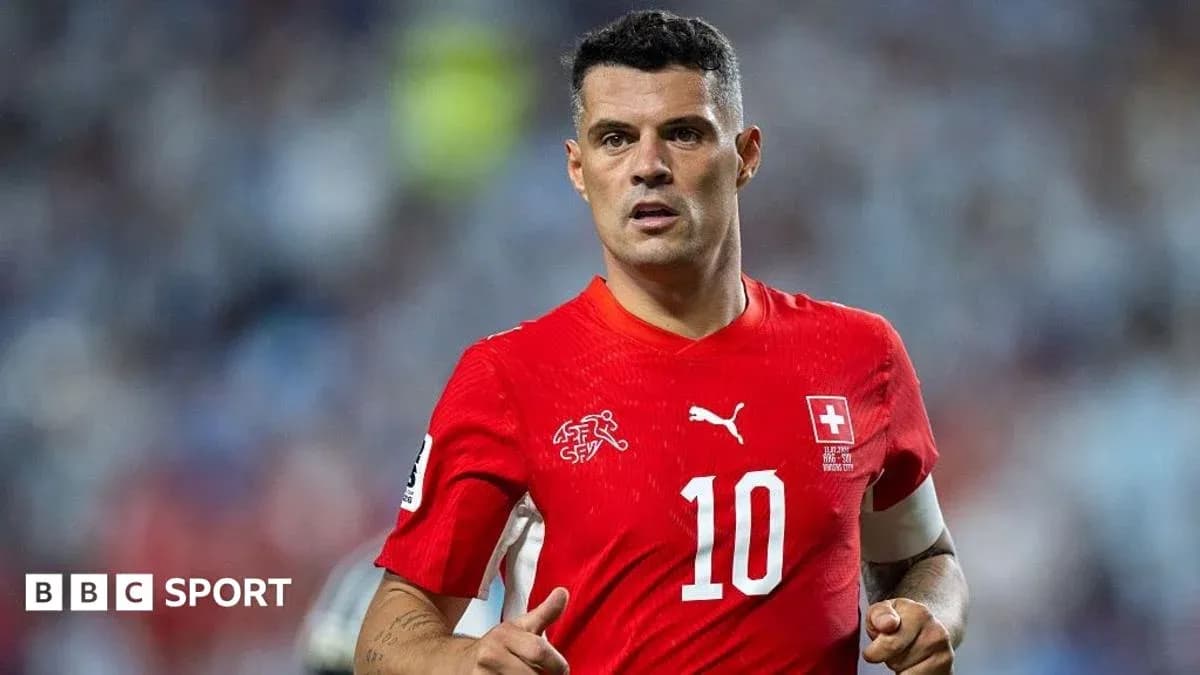
Premier League Takes Unusual Three-Week Break
The season has barely found its rhythm and already the domestic game has slammed on the brakes. But this time, the pause feels different.
For the first time, the Premier League and Championship have shut down for three weeks, not the usual two. The calendar has been reshaped: the old September and October international windows, four games spread across two breaks, have been merged into one elongated stretch.
On paper, club football actually gains a week back across the season. In reality, managers are staring at something they usually hate – a long spell with no competitive football – and trying to turn it into an advantage.
Some will rest. Some will drill. Some will travel. All of them know three weeks is a long time for elite players to go without the edge of a proper match.
So what does a three-week blackout look like inside different clubs?
Brentford: Week Off, Then Back Behind Closed Doors
At Brentford, the training ground has thinned out. Like most Premier League sides, the squad is heavy with internationals, and the Bees have seen the bulk of their first team disappear on duty.
Around 12 players remain, including Callum Wilson and Igor Thiago, along with five returning from injury. They also have the rare luxury of an even longer pause than most, having hosted Chelsea on the Friday night before the break began.
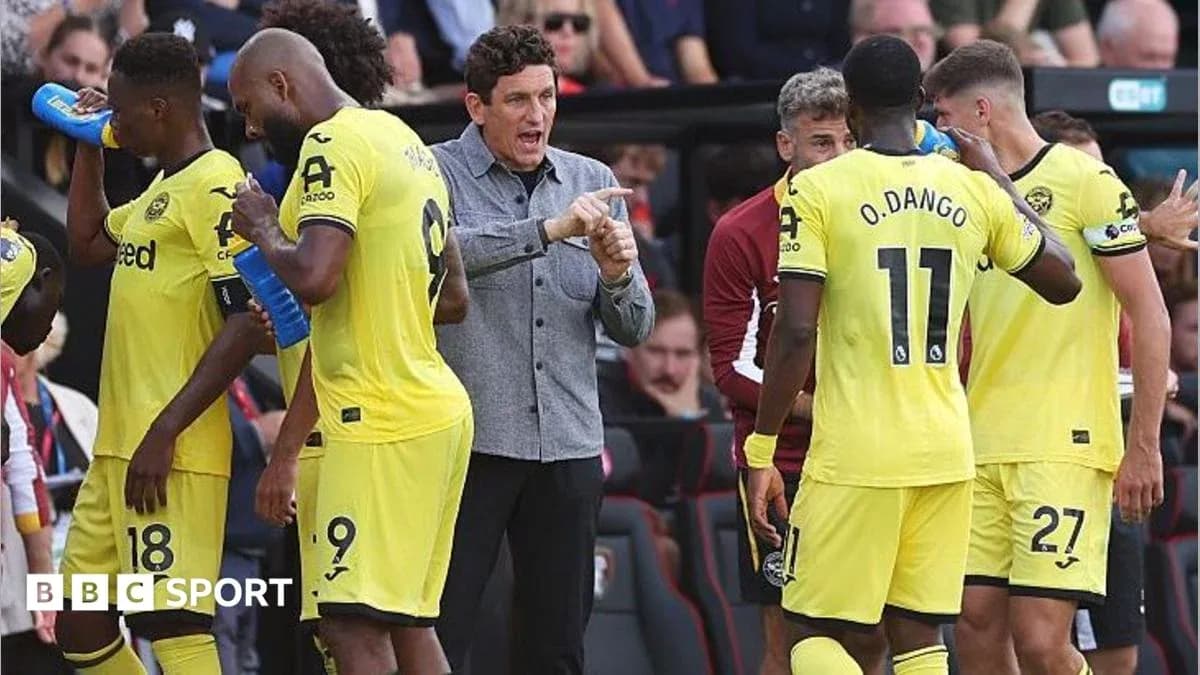
Keith Andrews has opted for a clean reset. The first team get a week off, each with an individual training plan in hand. They are free to leave the country, though nobody expects the club to smile on long-haul flights.
Then the switch flips.
The squad will regroup on Saturday, 26 September and crank back into gear, building towards a behind-closed-doors friendly against another English club on the weekend of 3 October. No fanfare, no crowd, just minutes in the legs and structure restored.
That game could open the door for Nathan Collins and Sepp van den Berg to return to action, with the rest of the squad likely fleshed out by under-21 players. Quietly, away from the spotlight, Brentford will try to turn rehab into readiness.
The second international break will be a different story. With Brighton at home on Sunday, 8 November and Everton to follow on Saturday, 21 November, there will be no space for a full reset. Players might get the odd day off, but the rhythm will be familiar: normal training, no friendly, straight into preparation for the Toffees.
This one, though, is about rest, recovery and a single, carefully chosen tune-up game.
Liverpool: Threadbare Group, Tight Turnaround
Liverpool’s plan is more straightforward, and more constrained.
With a large chunk of the squad away, Andoni Iraola will work with a small core of players who have stayed behind, mixing training sessions with a few days off to keep minds and bodies fresh.
The real issue is timing.
By the time his internationals return and recover, Iraola expects to have “no more than three days probably to prepare” for Manchester City’s visit to Anfield on 11 October. Three weeks of stop-start work, then a handful of days to knit it all together before facing the champions.
The break might offer rest. It will not offer comfort.
Aston Villa: Emery Goes Home – and Plays
Aston Villa are taking a very different route.
Unai Emery is heading back to familiar territory, returning to former club Sevilla, where he lifted the Europa League three seasons in a row. This time, it is not about trophies. It is about tribute.
Sevilla and Villa will meet in the 15th edition of the Antonio Puerta Trophy on Friday, 2 October. The match honours the memory of Antonio Puerta, the Sevilla wing-back who died at the age of 22 after suffering multiple cardiac arrests during a La Liga game against Getafe on 28 August 2007.
For Emery, it is a homecoming. For Villa, it is a high-level friendly in a charged, emotional setting – a chance to keep sharp, test ideas and give minutes to those who need them, all under the lights of a stadium that means everything to their manager.
While others drill on empty pitches, Villa will spend part of their break in a full stadium, in a game that matters for reasons beyond the league table.
Championship Clubs: Breathing Space at Blackburn
Drop down a division and the picture changes. International call-ups still bite, but not nearly as hard.
At Blackburn Rovers, only four players are away. For Tony Mowbray, that is not a problem. It is an opportunity.
Rovers have been hit by an injury crisis in the early weeks of the season, with more than 10 players ruled out at various points. The break offers a rare window to ease bodies back into the fold. Gady Beyuku and Moussa Baradji have recently made their comebacks. Scott Wharton is edging closer. Others are not far behind.
After their trip to Portsmouth on Saturday, Blackburn headed back to Lancashire and into a different kind of schedule. A few days on the training ground this week will allow Mowbray – who returned to the club in the summer – to finally work in detail with his squad, away from the relentless churn of league games and Carabao Cup ties.
But this is not a boot camp. Not entirely.
Mowbray plans to hand his players a few days off towards the end of the week. Some, like Yuri Ribeiro, will be able to fly home to Portugal if they want. The pattern will repeat: training in the first half of the following week, a short break over the weekend, then back into the standard pre-match routine in week three before the home game against Cardiff.
Behind the scenes, Blackburn are also trying to line up a behind-closed-doors friendly against a Premier League or League One side. It would give returning players vital minutes and keep the rest of the squad sharp.
When the shorter, two-week break arrives in November, the tone will shift again. There may still be a brief spell off, but matches are more likely to be in-house, with seniors and under-21s mixed into internal games.
For now, though, this three-week window is about healing, cohesion and controlled workload.
League One: Fixtures, Call-Offs and Trophy Lifelines
For some clubs, this new break posed a strange possibility: a full squad, no internationals, and no competitive fixtures to play.
League One carries on through the window unless a club has at least three international call-ups that meet the EFL’s criteria, at which point a postponement can be requested. The result this time? Only four of the 12 scheduled league matches have survived on each of the two weekends.
Plenty of sides saw this coming.
Many used the Football League Trophy to plug the gaps, scheduling ties across these three weeks. The competition already lends itself to rotation, so even when league games are postponed, Trophy fixtures can go ahead with reshuffled line-ups.
Twelve clubs will play two Trophy matches during this spell. Ten more will play once. That careful planning left just Leyton Orient and Reading in danger of going three weeks without a game, but even they have avoided a total shutdown. Each has had only one league match called off, so neither will face a completely empty calendar.
Across the divisions, the three-week international break has forced everyone to think differently. Some will come out of it rested. Some will come out of it battle-hardened from friendlies. Some will simply be relieved to have players back in one piece.
When the league restarts, we will find out who used the silence best.