Portland Thorns W Secure 2-0 Victory Over Bay FC W
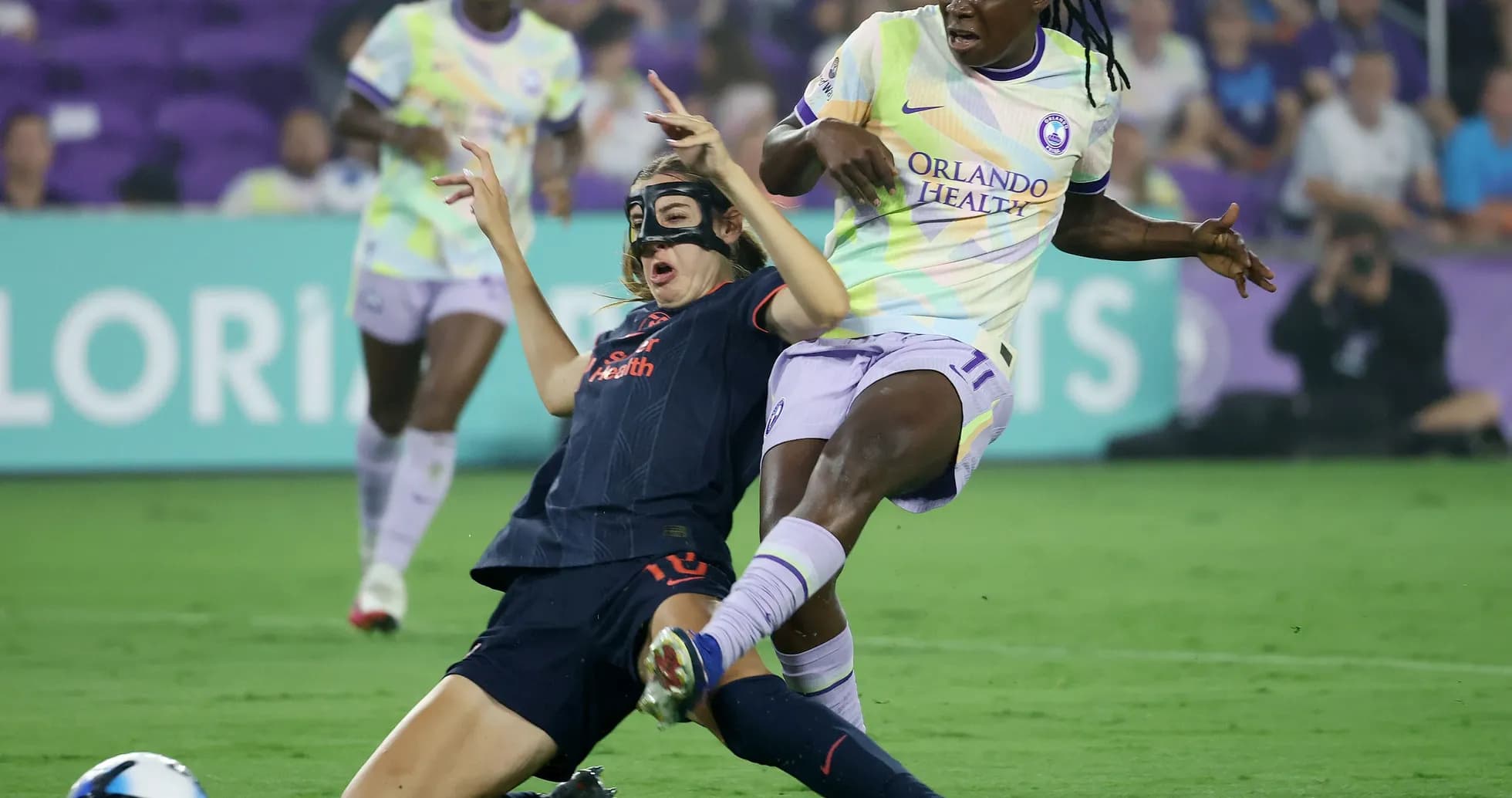
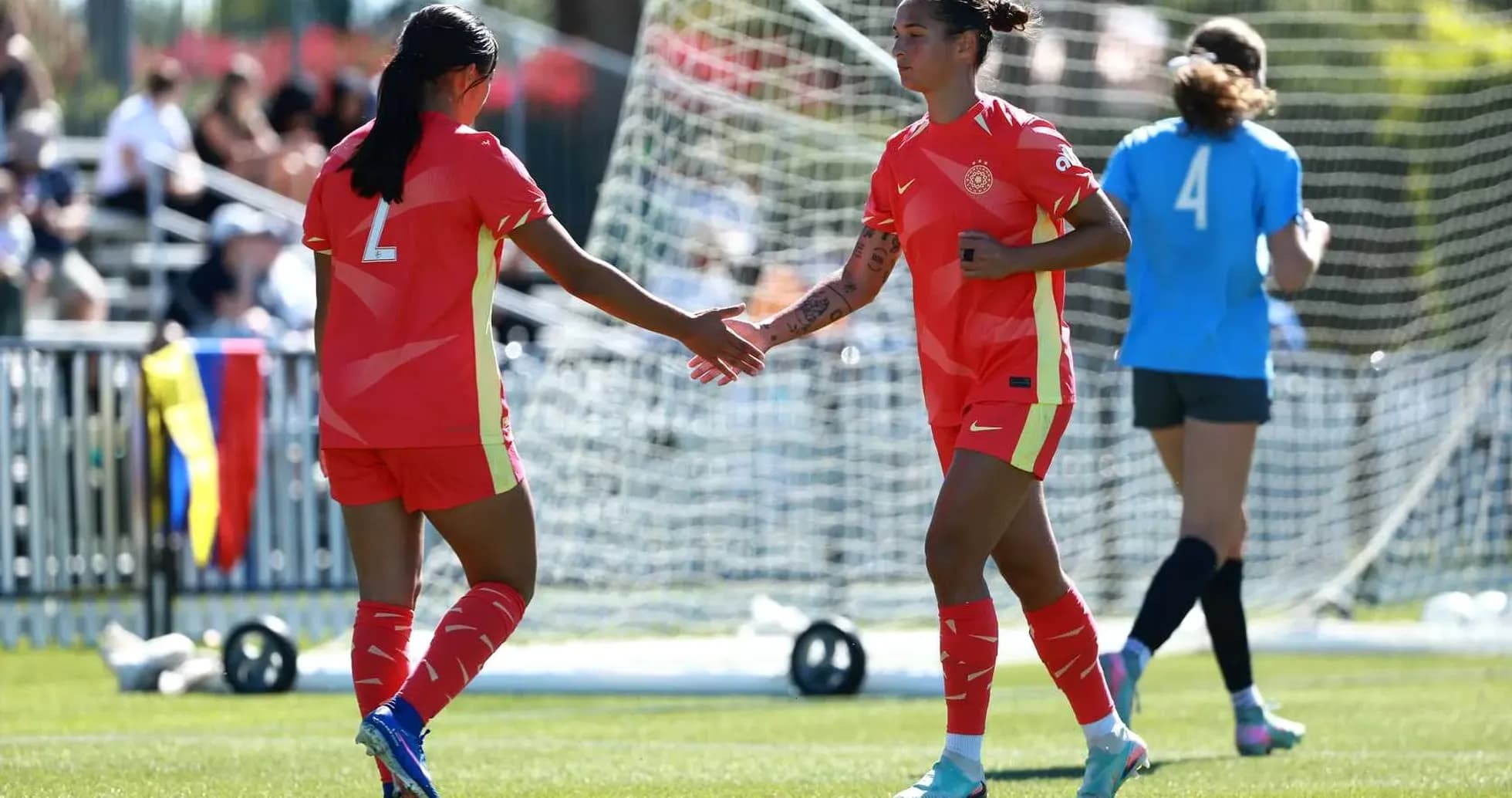
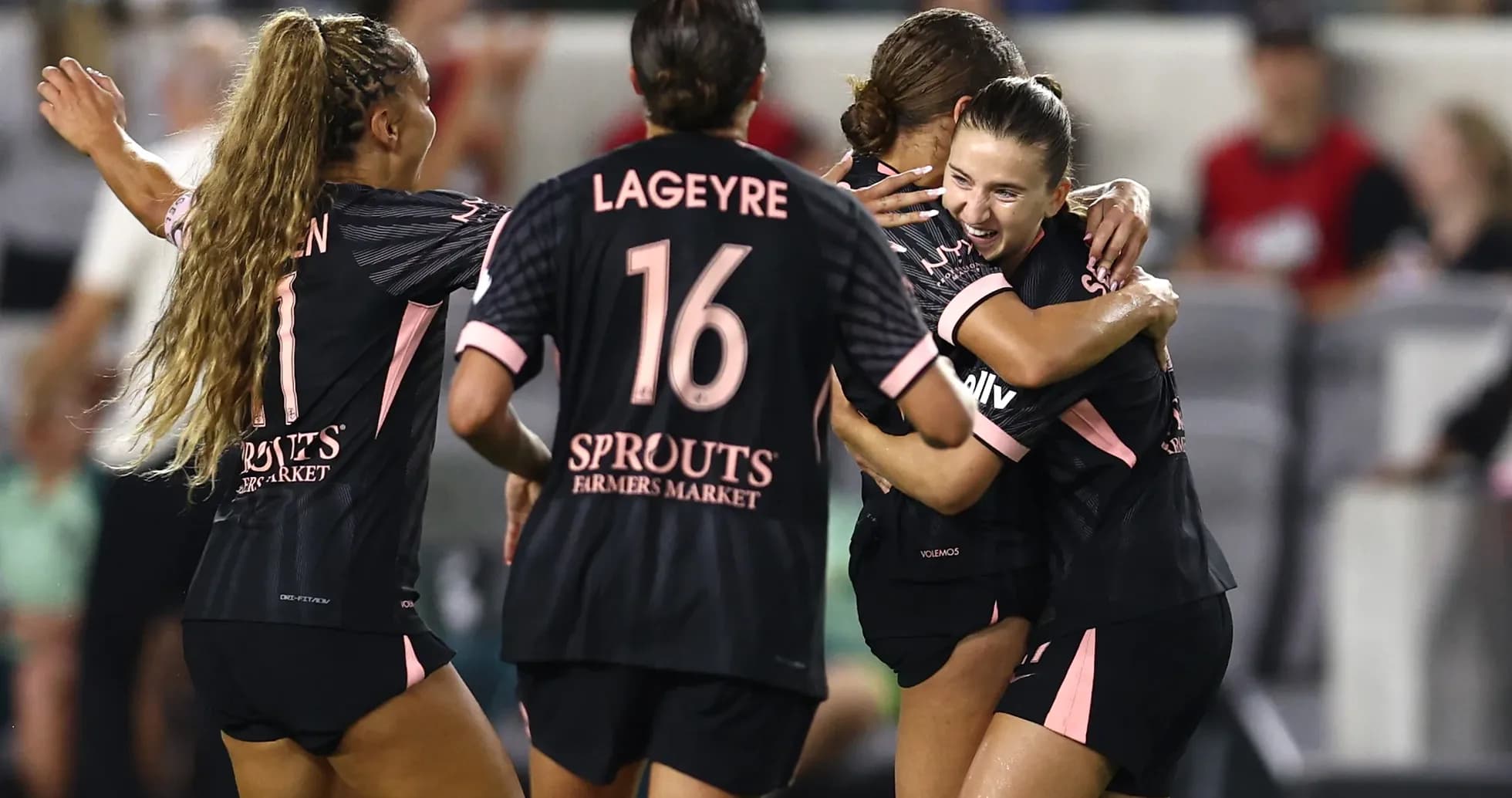
On a cool night at Providence Park, the league leaders played exactly like league leaders. Portland Thorns W, already setting the standard in the NWSL Women season, turned a tricky Group Stage assignment against Bay FC W into a controlled 2–0 win, a result that felt as inevitable as it was methodical.
Following this result, the table tells a clear story. Portland sit 1st with 23 points from 11 matches, their overall goal difference of 8 built on 17 goals for and only 9 against. At home they have been close to flawless: 5 home fixtures played, 4 wins, 1 draw, 0 defeats, 8 goals scored and still no goals conceded. Bay FC arrive from the opposite end of the spectrum. They are 13th with 11 points from 9 games, their overall goal difference at -5, with 8 goals scored and 13 conceded. On their travels they are volatile rather than solid: 4 away matches, 2 wins and 2 defeats, 4 goals scored and 6 allowed.
The tactical stage was mirrored on both sides: a 4-2-3-1 for Portland under Robert Vilahamn and the same shape for Emma Coates’ Bay FC. Yet the shared formation only underlined the difference in maturity and cohesion.
For Portland, the back four of R. Reyes, I. Obaze, S. Hiatt and M. Vignola in front of goalkeeper M. Arnold looked like a unit that trusts its own script. Heading into this game, Portland’s defensive numbers at home were extraordinary: 0 goalsAgainst at home from 5 league fixtures, with a home average of 0.0 goalsAgainst per match and 5 clean sheets at Providence Park. The 2–0 scoreline simply extended a pattern rather than creating a new one.
In front of them, the double pivot of C. Bogere and J. Fleming provided the game’s central axis. Bogere, who has already shown her edge this season with 29 tackles and 2 blocked shots, again played as the destroyer, breaking up Bay’s transitions and accepting the physical toll that comes with 16 fouls committed across the campaign. Fleming, more measured, helped Portland control tempo and recycle possession, allowing the three behind the striker to constantly change angles.
That trio—M. Muller, P. Tordin and M. Alidou d’Anjou—operated as a rotating band of creators and runners. Tordin, who has 3 goals and 3 assists overall this season, drifted between the lines, sometimes appearing as a second striker, sometimes dropping to help the build-up. Her 17 key passes and 93 total duels show a player comfortable both with the ball and in the fight to win it back. Alidou d’Anjou and Muller gave width and underlaps, pinning Bay’s full-backs and preventing them from stepping out.
Ahead of them, S. Wilson led the line, stretching the back four and creating space for late arrivals from midfield. Even without the league’s headline names in the XI—such as O. Moultrie and R. Turner, who have combined overall for 8 goals and 4 assists this season—Portland’s attacking structure still looked layered and repeatable. Heading into this game, they averaged 1.6 goalsFor at home and 1.5 overall, and the two goals here felt like the natural output of that machine.
Bay FC’s shape on paper matched Portland’s, but the execution betrayed a side still searching for balance. J. Silkowitz in goal stood behind a back four of S. Collins, B. Courtnall, J. Anderson and A. Denton. The numbers coming in were a warning: on their travels, Bay were conceding an average of 1.5 goalsAgainst per match, with 6 goalsAgainst in 4 away fixtures and only 1 away clean sheet overall all season. Portland’s front four and advancing full-backs repeatedly tested that vulnerability, especially in wide areas where Collins and Denton were often forced into last-ditch defending.
In midfield, the double pivot of C. Hutton and H. Bebar was tasked with both shielding and starting attacks. Hutton, one of the league’s leading figures for yellow cards with 3 bookings, is a classic enforcer: 24 tackles, 2 blocked shots and 20 interceptions show her appetite for defensive work, but 13 fouls committed underline the disciplinary risk. Her duel with the likes of Tordin and Fleming was the game’s “engine room” battle—Bay’s best hope of disrupting Portland’s rhythm. Behind that combative profile, though, lies a structural problem: Bay’s overall goalsAgainst stands at 13 from 9 matches, an average of 1.4 per game, and that fragility surfaced again whenever Portland accelerated play between the lines.
Higher up, the attacking three of T. Huff, D. Bailey and R. Kundananji supported C. Girelli. Huff, who has 1 goal and 1 assist this season and sits on the red-card list after a previous dismissal, tried to break lines with late surges. Yet Bay’s broader attacking data tells its own story: 8 goalsFor in total, with an away average of just 1.0 goal per match, and 4 fixtures overall where they have failed to score. Against a Portland side with 7 clean sheets in 11 league games, including every home fixture, Bay were always going to need efficiency bordering on perfection. They never found it.
Discipline and game management added a final layer to the narrative. Portland’s card profile shows a late-game spike in yellows, with 27.27% of their cautions arriving between 76–90 minutes, and red cards already issued this season to both Reyes and Bogere. That aggression is part of their identity but also a potential fault line in tighter contests. Bay, meanwhile, carry their own risk: 21.05% of their yellows come between 76–90 minutes and another 21.05% between 91–105, with a red card already shown in the 91–105 window. Under sustained pressure, their discipline tends to fray.
From a statistical prognosis standpoint, this matchup always leaned heavily towards Portland. Their overall xG profile—implied by 17 goalsFor at an average of 1.5 per game, combined with a defensive record of just 9 goalsAgainst at 0.8 per match—suggests a side that consistently wins the territory and chance-quality battle. Bay’s numbers, with 0.9 goalsFor per match overall and 1.4 goalsAgainst, point to a team often playing from behind the curve.
The 2–0 at Providence Park, then, was less a surprise and more a confirmation. Portland’s 4-2-3-1, anchored by a ruthless defensive platform and enriched by creators like Tordin, Muller and Alidou d’Anjou, continues to look like a system built for the long haul. Bay’s matching shape, driven by the industry of Hutton and the flashes of Huff and Girelli, has moments—but until their defensive averages shift and their attack becomes more clinical, nights like this against the league’s standard-bearers will keep ending the same way.