Mauricio Pochettino's Vision for the U.S. Men's National Team
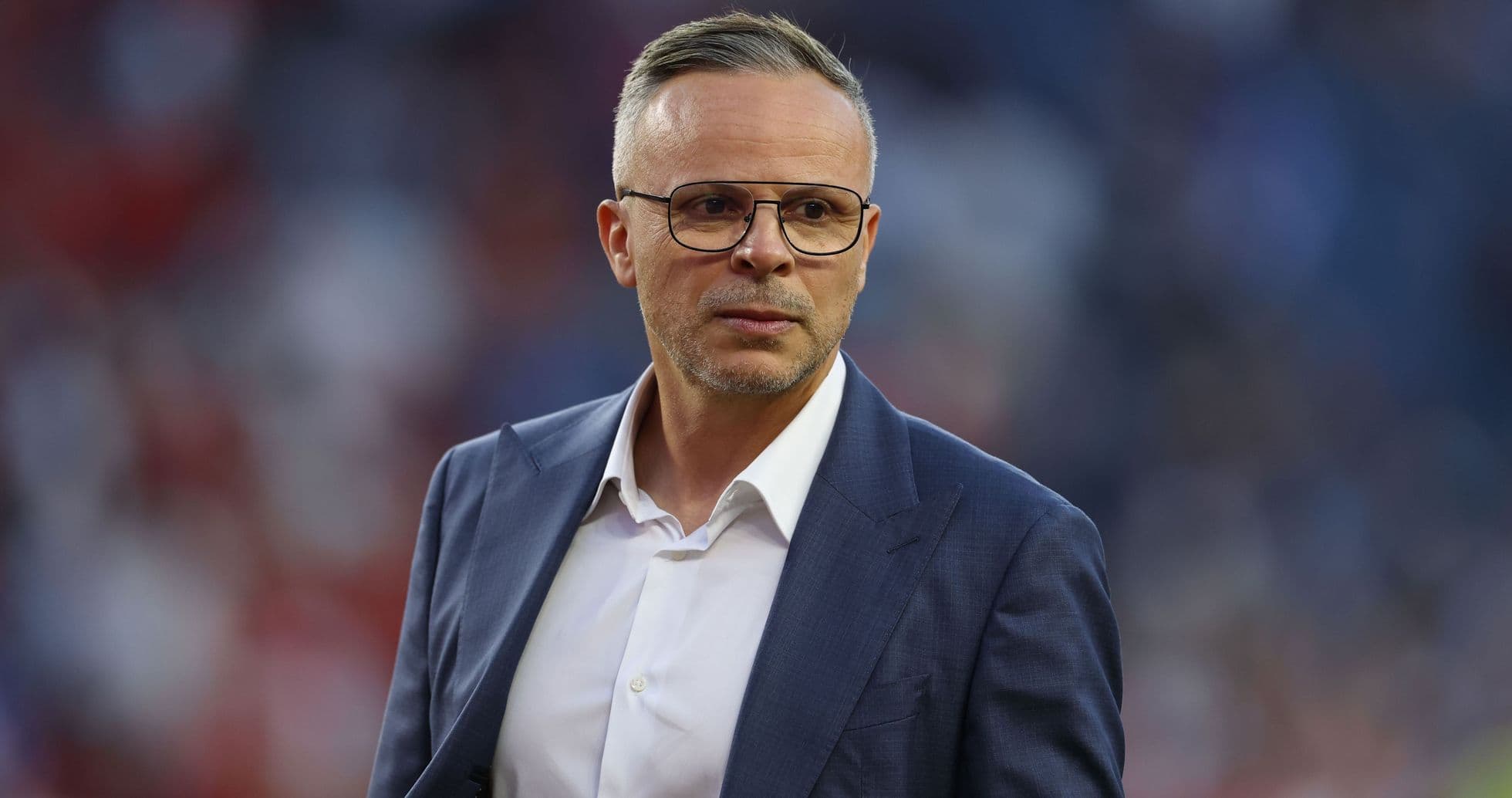
Mauricio Pochettino is about to show his hand.
Across the next four games, the U.S. Men’s National Team will step into a stretch that feels less like a routine set of friendlies and more like an early verdict on the Argentine’s vision. Peru and Chile in late September, then Mexico and Canada in early October. Four matches, four different problems to solve, and one big question: what exactly is this U.S. team becoming?
Pepi out, Downs in
The latest roster twist underlines the stakes. Ricardo Pepi, expected to be a central figure in Pochettino’s attack, is out after picking up an injury in PSV Eindhoven’s 3-2 defeat to FC Twente. He was forced off in that match and has now withdrawn from the U.S. squad.
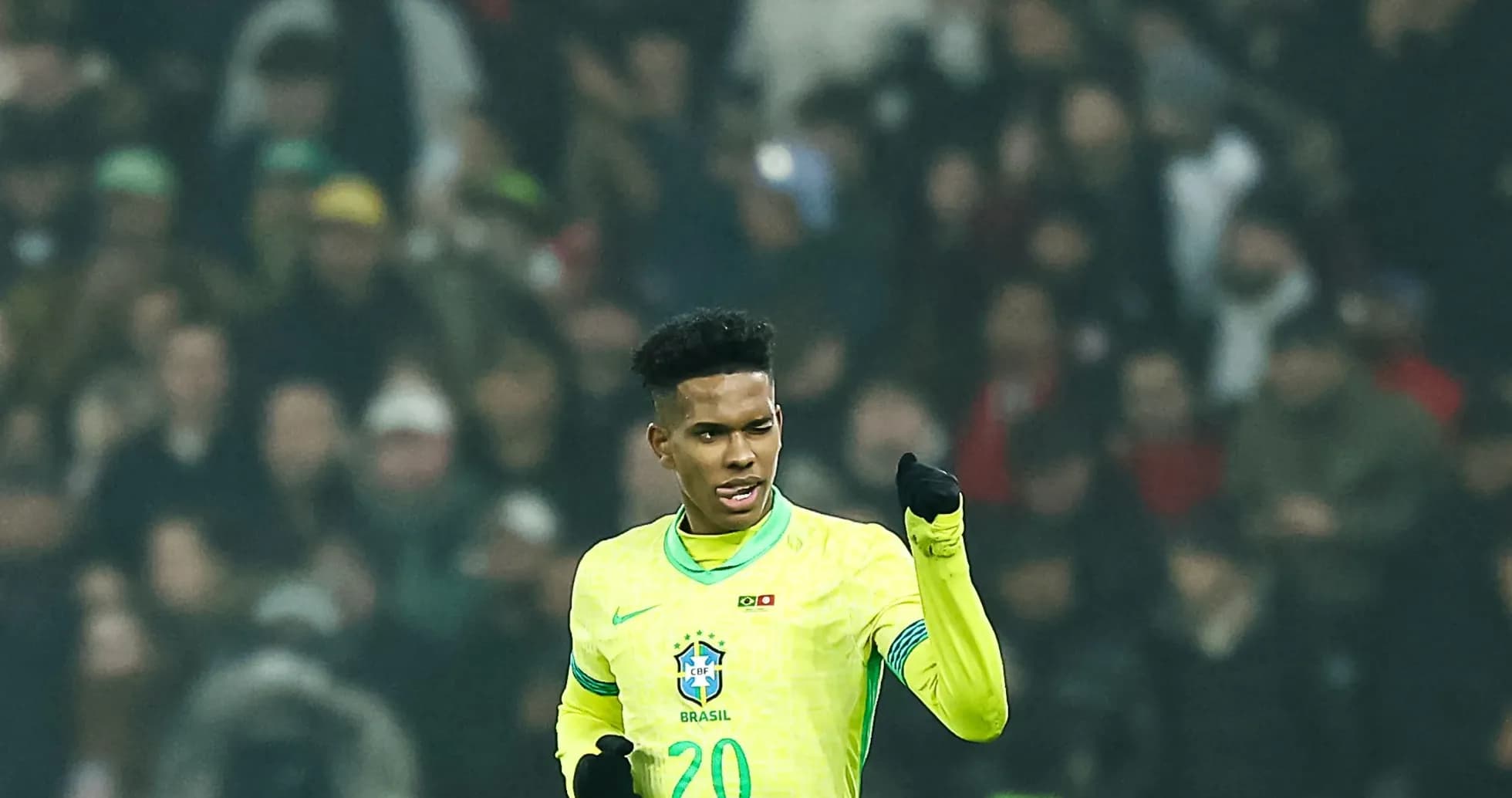
Pochettino’s response was swift. In comes Damion Downs, the 22-year-old forward on loan at St. Louis City SC from Southampton. No fanfare, no long buildup. Just a call that could change the trajectory of a young striker’s international career.
Downs is not walking into this camp as a complete unknown. The dual U.S.-German citizen has already felt the weight of a pressure moment in a U.S. shirt. During the run to the 2025 Concacaf Gold Cup final, he stepped up in the quarterfinal shootout against Costa Rica and buried the winning penalty. One kick, a cold finish, and a first real imprint on the national team.
His club résumé is starting to match that composure. Downs helped FC Köln climb back into the Bundesliga in the 2024-25 season, scoring 10 goals and adding five assists in Germany’s second division. That production earned him his current loan to St. Louis City, where his form and familiarity with the environment now intersect with the national team calendar.
When the U.S. faces Chile at Energizer Park, Downs will be on home soil, in a stadium he already knows. For a young forward trying to prove he belongs in the long-term picture, that matters.
Pochettino’s push for depth
For years, the United States leaned heavily on a tight inner circle of regulars. The same names, the same spine, carrying the load through qualifying campaigns and tournaments. Pochettino has made it clear that era needs to evolve.
He wants a deeper pool and sharper internal competition. Pepi’s injury is a blow, but it also cracks the door open a little wider for players like Downs. This four-match window is not just about replacing one striker; it’s a live laboratory across the squad.
The staff now gets a rare run of games to test combinations, to see who can handle specific roles, who can press with intensity, who can link play, who can come off the bench and change a game. In a project still under construction, finding reliable contributors beyond the first-choice XI is not a luxury. It’s a requirement.
Aggression with a plan
Pochettino’s club teams have carried a clear identity: high pressing, quick transitions, relentless work off the ball. He doesn’t hide from that. He wants the U.S. to be proactive, to take space away, to suffocate opponents rather than simply react to them.
Doing that with a national team is harder. Players arrive from different leagues, different systems, and there’s precious little time to drill details. The ideas have to land fast.
Peru and Chile offer a useful proving ground. Neither side will simply sit back and let the U.S. dictate tempo. They can keep the ball, they can disrupt rhythm, and they can punish sloppy pressing. If Pochettino’s principles are starting to take root, they should show in these matches: coordinated pressure, compact lines, clean transitions into attack.
If they aren’t, Peru and Chile will expose the gaps.
Mexico, Canada and the measuring stick
Then the temperature rises.
Mexico and Canada now stand as the region’s clearest benchmarks. The U.S. knows these opponents intimately, and that familiarity only sharpens the edge. Performances against them tend to cut through the noise and reveal how far the team has really come.
The October 3 clash with Mexico at State Farm Stadium is the centerpiece. USA-Mexico never needs selling. Form, FIFA rankings, recent results — they all fade the moment the anthem ends. These games test mentality, organization, and competitive fire in ways no other fixture in the region can.
Canada, too, brings a hardened core and a clear identity. Together, those two matches will tell Pochettino whether his aggressive blueprint can hold up under real pressure, against opponents that know exactly how to disrupt the U.S. and are desperate to do it.
Across this window, the scoreboard will matter. But the bigger story sits underneath: who seizes their chance, which patterns stick, and whether a player like Damion Downs can turn an unexpected call-up into a permanent place in the conversation.
The next few weeks won’t define Pochettino’s era. They will, however, show how fast it’s moving—and who is ready to move with it.