Paolo Maldini Appointed Technical Director of Italian Football
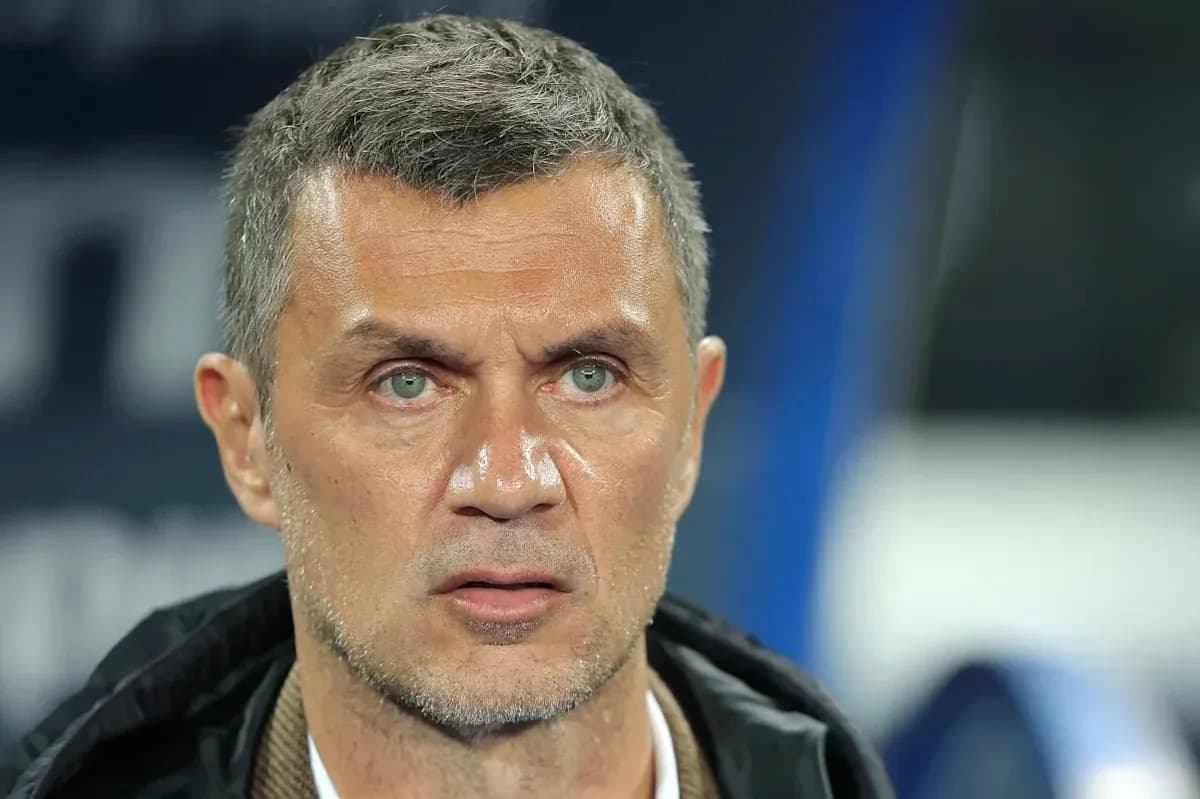
Paolo Maldini is back at the heart of Italian football, and this time he is not pulling on the armband but picking up the reins.
On Saturday night, the FIGC confirmed what many in the country had quietly hoped for: the former Italy and Milan captain has been appointed technical director of the national team setup. At his side will be Leonardo, brought in as an advisor, rekindling a partnership that once shaped AC Milan’s sporting strategy from the directors’ box.
For a nation that has watched three consecutive World Cups from the sofa, turning the tournament into a television ritual rather than a stage for the Azzurri, this is more than a high-profile hire. It feels like a reset.
Maldini at the centre of the rebuild
Italy were desperate for a new direction. Giovanni Malagò, the new FIGC president, has made Maldini his first major decision, and the reaction has been immediate and overwhelmingly positive. In a football culture often split along club lines, Maldini is one of the few figures capable of uniting opinion.
His task is clear and heavy with consequence: alongside Leonardo, he will identify the next head coach of the national team. The early favourites are familiar names. Antonio Conte and Roberto Mancini sit at the front of the queue, tested leaders with strong personalities and clear tactical identities.
Italian media, never shy of dreaming big, have already floated more glamorous possibilities: Pep Guardiola, Didier Deschamps. Names that stir the imagination even if they remain, for now, in the realm of speculation rather than negotiation.
While the search begins, Malagò’s choice of technical director has already been hailed as a victory. In a landscape scarred by failure and short-term fixes, Maldini represents continuity, stature and a certain moral authority.
Zoff’s seal of approval
Dino Zoff, a World Cup winner in 1982 and Maldini’s coach at Euro 2000, did not hide his admiration. He knows both the player and the family, and his words carried the weight of experience.
“Paolo has given so much for our football, to Milan in particular but also for the national team,” Zoff said. He linked generations in a single memory, recalling not only Paolo but also his father Cesare, who worked as Enzo Bearzot’s assistant when Zoff lifted the World Cup in 1982.
For Zoff, the appointment fits perfectly: “Maldini is a perfect appointment in terms of character, charisma and competence. I also understand the choice of Leonardo as an advisor. It’s right that a leader surrounds himself with people he trusts.”
The former goalkeeper also drew a clear line around Maldini’s new authority. On the choice of the next coach, he insisted: “Maldini has to be free to follow his beliefs, without external interference.” In other words, if this project is to work, it must be Maldini’s project, not a compromise shaped by outside pressure.
Costacurta: “More important than choosing the coach”
If Zoff represents the voice of an older generation, Alessandro Costacurta speaks as someone who shared a dressing room and a trophy cabinet with Maldini for years at San Siro. His reaction underlined just how significant this move feels within the Italian game.
“This is great news for Italian football, because we have brought in one of the most illuminated and sincere people in the sport,” the former defender said.
Costacurta did not stop there. He went as far as to suggest that Malagò’s call to bring in Maldini could outweigh the eventual coaching appointment itself. “Malagò made the best possible choice. In fact, picking Maldini is perhaps more important than choosing the new coach.”
It was also an insight into the chemistry between Maldini and Leonardo, a duo once pictured side by side in Bergamo before a Serie A clash as Milan directors, now reunited in a different shade of blue.
“Leonardo is more of a dreamer, a visionary, whereas Paolo is more practical, looks to his knowledge and instinct,” Costacurta explained. “The best thing about them is that they listen to each other, despite starting from different ideas, and always manage to find a common solution.”
That blend of vision and pragmatism is exactly what Italy have lacked in recent years: a long-term idea anchored by people who know how to win and how to withstand the storms that come with the job.
A legend tasked with changing the story
For now, the World Cup plays out without Italy, a TV spectacle dominated by the likes of France, Spain, Argentina and England, all already in the semi-finals of a tournament that the Azzurri can only watch. At home, though, something has shifted.
Maldini steps into a role that demands clear choices, a strong line, and the courage to impose a new culture on a team that has lost its way. The names of Conte, Mancini, Guardiola and Deschamps will fill headlines in the coming weeks, but the real story lies above the dugout.
Italy have turned to one of their greatest defenders to protect their footballing identity. The question now is not whether Paolo Maldini is big enough for the job, but whether Italian football is ready to follow where he wants to lead.