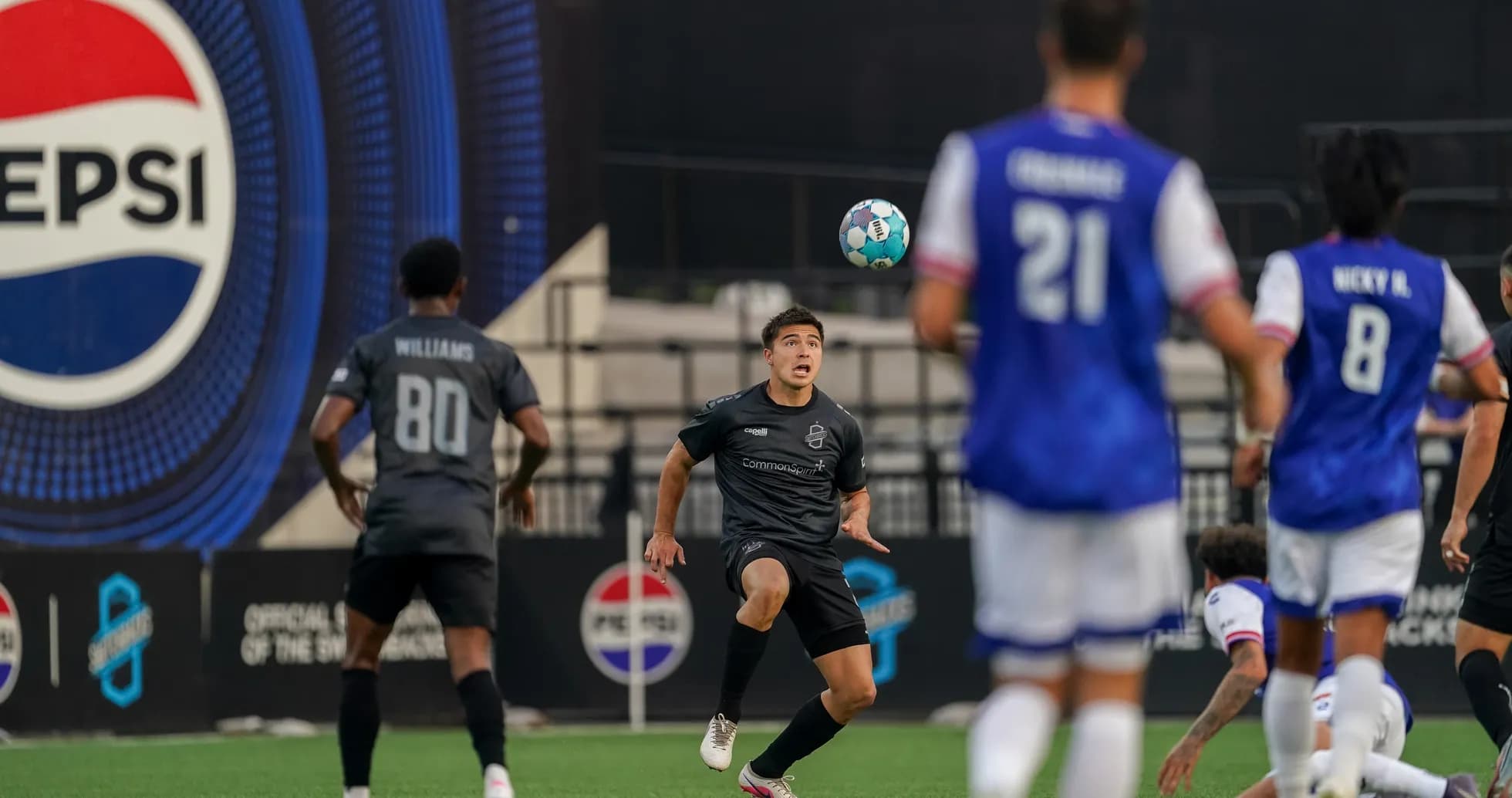
Orange County SC Edges Las Vegas Lights 3–2 in Thrilling USL Championship Match
On a hot USL Championship night at Cashman Field, the league leaders were made to sweat. Orange County SC arrived in Las Vegas as group-topping favourites, but left with a narrow 3–2 win that said as much about the Lights’ stubborn home identity as it did about the visitors’ ruthless edge.
Heading into this game, the table framed the contest starkly. Orange County sat 1st in USL 1 with 23 points from 13 matches, built on a total goal difference of +5 (18 scored, 13 conceded). Las Vegas, in 11th with 15 points and a total goal difference of -3 (20 scored, 23 conceded), have been a different animal at Cashman Field: 3 wins, 2 draws, and just 1 defeat at home, with 8 goals for and only 5 against. That contrast – the league’s most consistent side against a home specialist – underpinned the tactical story of the night.
I. The Big Picture – Styles Collide in the Desert
Las Vegas’ seasonal DNA is clear. Overall, they score an average of 1.5 goals per match and concede 1.8, but those numbers split dramatically by venue. At home they average 1.3 goals for and just 0.8 against; on their travels they open up into chaos, scoring 1.7 but shipping 2.6. Cashman Field, then, is where Devin Rensing’s side becomes compact, disciplined, and opportunistic.
Orange County, by contrast, are built on balance and control. Overall they average 1.4 goals scored and 1.0 conceded per match. Away from home, they are impressively steady: 1.6 goals for and 1.3 against on their travels, with 3 wins, 3 draws and only 1 loss. They do not blow teams away, but they suffocate games and wait for decisive moments.
The 3–2 scoreline reflected that clash of identities. Las Vegas turned the night into a contest of transitions and individual duels, while Orange County leaned on their structural maturity and deeper bench to ride out storms and strike at key moments.
II. Tactical Voids and the Discipline Battle
With no confirmed absentees listed pre-match, both coaches had near full squads to work with. Rensing’s selection leaned into familiarity: M. Stajduhar in goal behind a defensive group anchored by B. Pope, N. Jones and A. Guillen, with T. Antonoglou offering width. Ahead of them, the central band of M. Ybarra and K. Scott provided the platform for a fluid attacking quartet of C. Pinzon, O. Anderson, J. Rodriguez and focal point M. Arteaga.
Danny Stone’s Orange County mirrored that structural solidity. A. Rando started in goal, protected by a back line featuring G. Doody, T. Brewitt, G. Tubbs and N. Ciotta. In front, a technically proficient midfield core of L. MacKinnon, S. Kelly, N. Benalcazar and C. Hegardt supported the movement of O. Sylla and Y. Bazini.
Discipline was always likely to be a sub-plot. Heading into this game, Las Vegas had shown a clear pattern in their card profile: yellow cards cluster late, with 22.73% of their bookings arriving between 76–90 minutes and another 13.64% in the 91–105 range. Orange County’s pattern is even more pronounced: 28.57% of their yellows come between 61–75 minutes, and a striking 38.10% in the 76–90 window. Both sides, in other words, grow more reckless as fatigue and game-state pressure build.
The red-card data reinforced that volatility. Each club’s only red of the season to this point had arrived in the 76–90 minute band, a reminder that closing phases can tilt on a single mis-timed challenge. That shared tendency meant the final quarter of an hour at Cashman Field was always going to be as much about emotional control as tactical detail.
III. Key Matchups – Hunter vs Shield, Engine Room vs Enforcer
Without official top-scorer data, the “Hunter vs Shield” battle is best understood through collective profiles. Las Vegas at home: 8 goals in 6 matches, 1.3 per game, against an Orange County away defence conceding 1.3 per match on their travels. Orange County on the road: 11 goals in 7, averaging 1.6, facing a Lights home unit that had allowed just 5 in 6 (0.8 per game) before this fixture.
Within that, the duel between Las Vegas’ front line and Orange County’s central defensive pairing was decisive. Arteaga’s role as a reference point, supported by the mobility of Pinzon and Anderson, constantly asked questions of T. Brewitt and G. Tubbs. The Lights’ plan was simple but coherent: use Scott and Ybarra to win second balls, then release wide runners early to isolate Orange County’s full-backs, particularly Doody, and force the visitors’ midfield to turn.
On the other side, Orange County’s “Hunter” was more collective. The interplay of Hegardt between the lines, Kelly’s engine, and the wide threat of MacKinnon and Sylla sought to drag Jones and Guillen into uncomfortable spaces. Bazini’s presence offered vertical runs to pin the back line, opening pockets for late-arriving midfielders.
The “Engine Room” matchup was equally telling. Ybarra and Scott are functional but combative, tasked with screening and springing counters. For Orange County, Benalcazar and Kelly formed a more possession-oriented axis, recycling the ball and controlling tempo. Over 90 minutes, that control – allied to a deeper bench including options like M. Palomino, E. Zubak and T. Kadono – allowed Stone to adjust and keep his side on the front foot even as the game stretched.
IV. Statistical Prognosis and What the Result Tells Us
Following this result, the underlying numbers still paint Orange County as the more stable long-term proposition. Their total defensive record – 13 conceded in 13 matches, 1.0 per game – remains the bedrock of a promotion push, and their ability to come to a venue where the Lights had conceded only 5 home goals all season and score 3 is a statement of attacking maturity.
For Las Vegas, the performance fits their broader pattern: entertaining, dangerous, but fragile at key moments. Their total goals against tally of 23 in 13 (1.8 per match) continues to drag down a vibrant attack, and the season-long penalty story – 2 awarded, 1 scored, 1 missed, a 50.00% conversion rate – underlines a wider theme of fine margins not consistently falling their way.
From an xG and defensive solidity lens, Orange County’s profile remains superior: a balanced attack, multiple clean sheets (5 in total, 2 on their travels), and a habit of managing game states even when the scoreline becomes wild. Las Vegas’ upside is clear – especially at home – but unless they can tighten their overall defensive numbers and rein in those late-game disciplinary spikes, nights like this 3–2 will continue to end with valiant narratives rather than points.