One Knoxville Edges Chattanooga Red Wolves in Dramatic Penalty Shootout
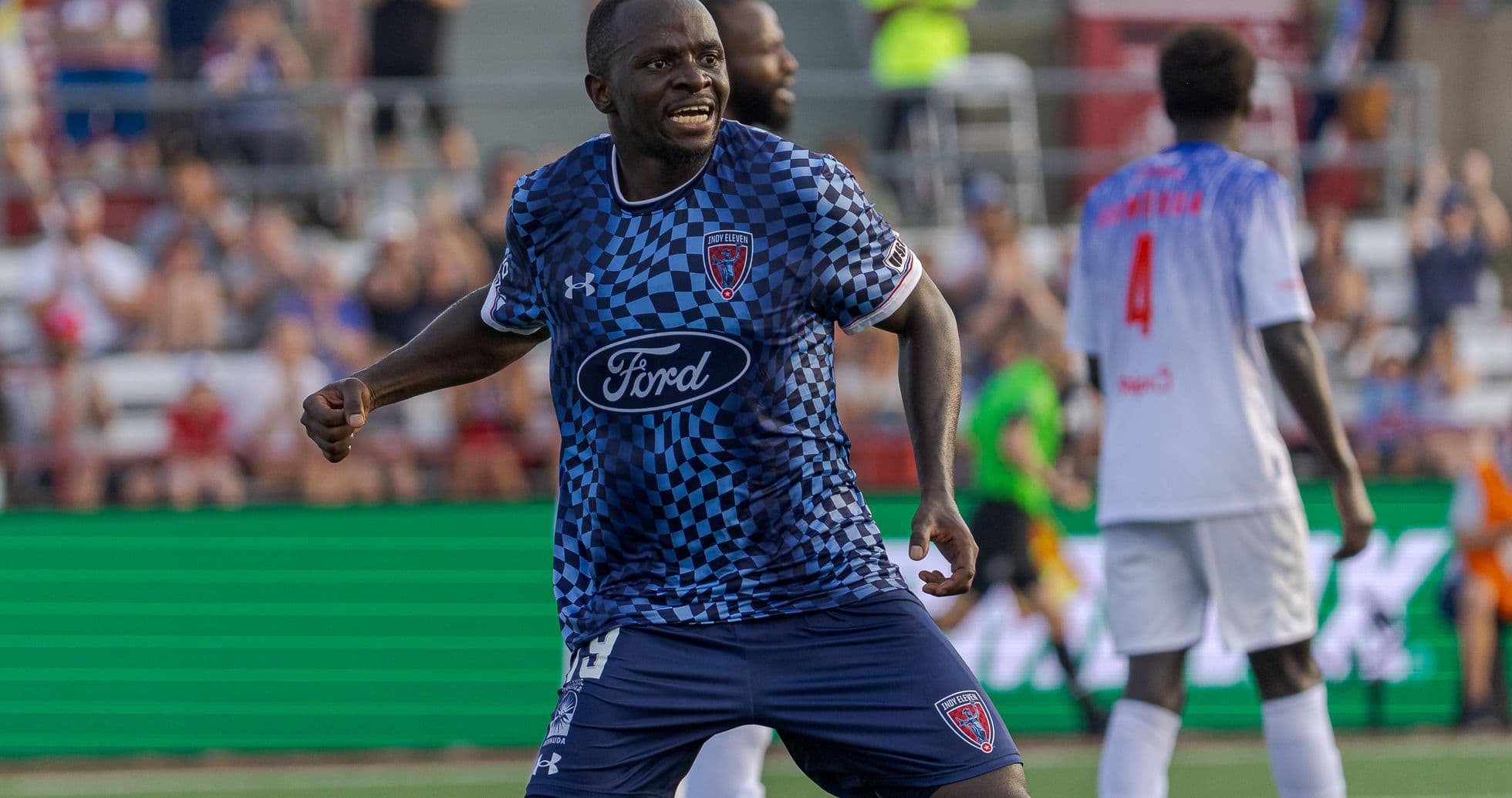
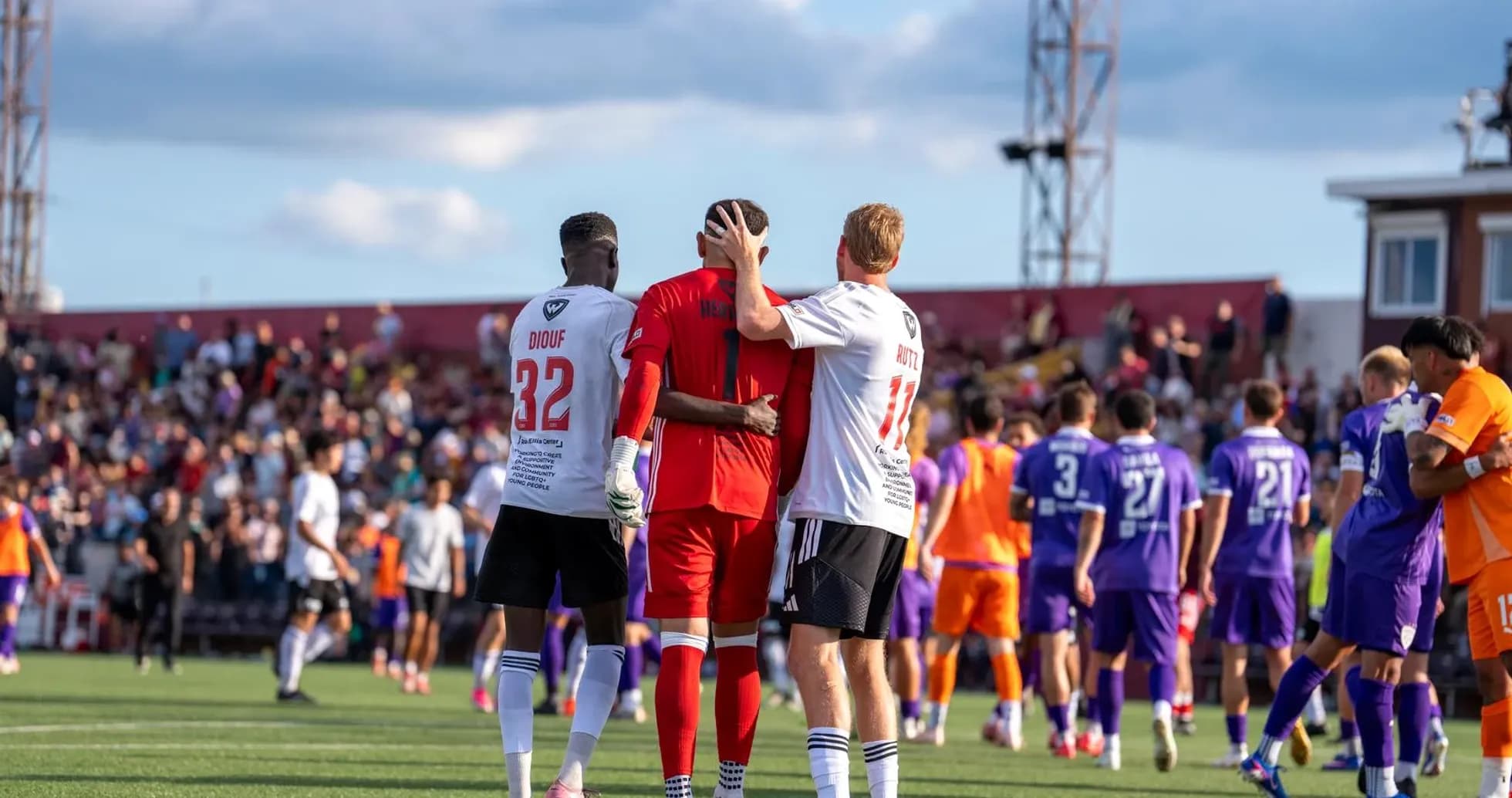
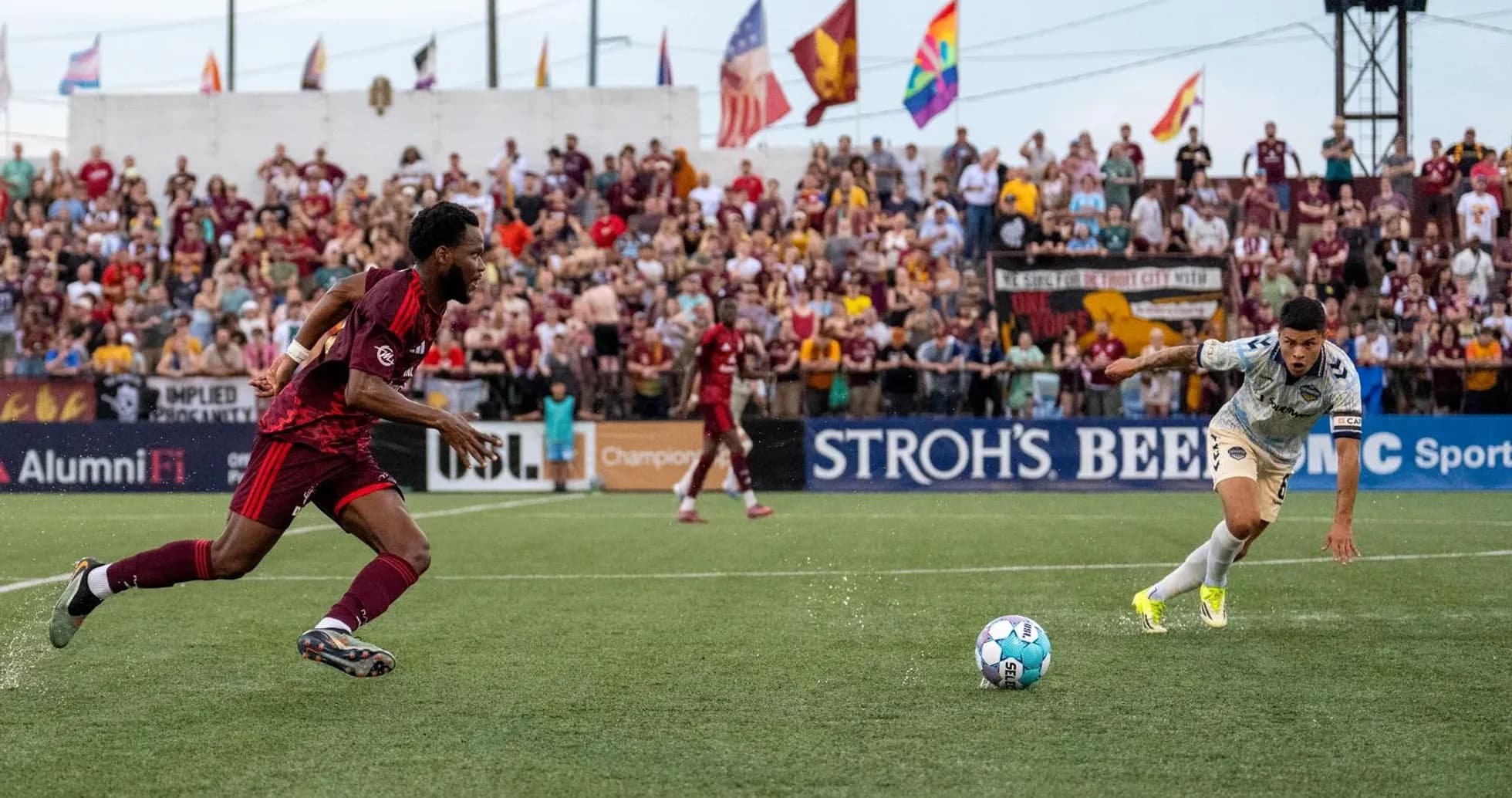
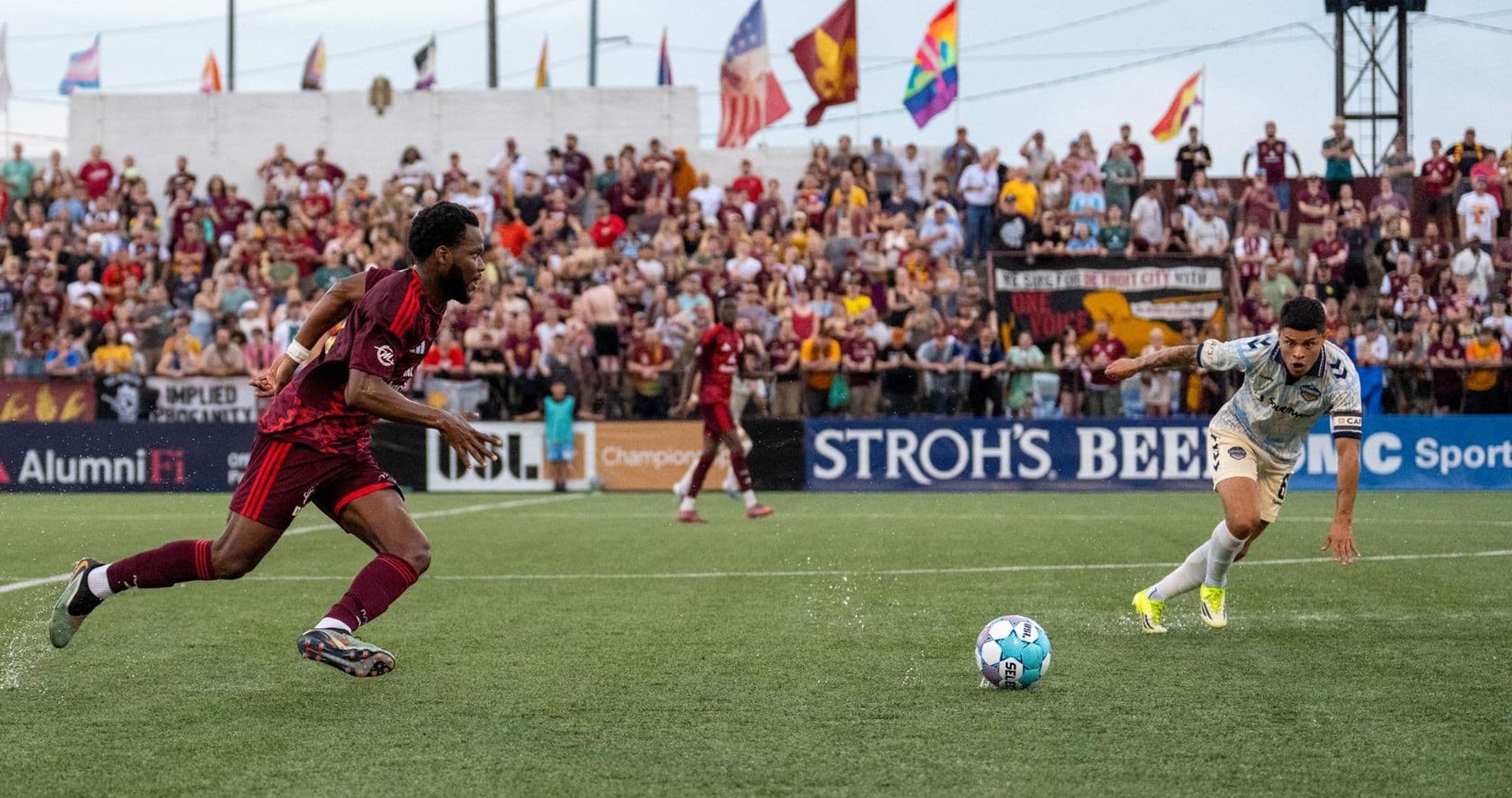
Under the lights at Regal Stadium, One Knoxville and Chattanooga Red Wolves played out the kind of Group Stage tie that feels more like a knockout. After 120 minutes locked at 1-1, it was the home side who held their nerve from the spot, edging the shootout 5-4 and adding another layer to the emerging tactical identities of both clubs in this USL League One Cup campaign.
I. The Big Picture – contrasting trajectories in Group 3
Following this result, the two teams’ paths in Group 3 look starkly different. One Knoxville’s overall numbers in the competition suggest a side that is learning quickly how to manage tight games. In total this campaign they have 2 wins and 1 loss from 3 fixtures, with 4 goals for and 3 against. That gives them a goal difference of +1, exactly mirroring the +1 figure shown in the standings.
At home, though, the picture has been more nuanced. Across their home fixtures they have played 2, winning 1 and losing 1, with 2 goals for and 2 against. An average of 1.0 goal scored and 1.0 conceded at home underlines how fine the margins have been at Regal Stadium, and how this penalty triumph fits the theme of grinding out results rather than blowing opponents away.
Chattanooga Red Wolves, by contrast, are a team in search of a foothold. In total this campaign they have played 3, all defeats, scoring 2 and conceding 5 for a goal difference of -3, which aligns precisely with the standings. At home they have struggled, with 2 matches, 1 goal for and 3 against, but even away there has been no respite: 1 away fixture, a loss, with 1 goal scored and 2 conceded, and an away average of 1.0 goal for but a punishing 2.0 against.
The form lines tell the story succinctly. One Knoxville’s sequence of WLW in the statistics block hints at resilience and the ability to respond to setbacks. Chattanooga’s LLL run speaks to a side that has not yet found a reliable defensive base or attacking rhythm.
II. Tactical Voids – discipline and the hidden cost of fatigue
There were no officially listed injuries or suspensions heading into this fixture, which meant both Ian Fuller and Scott MacKenzie had full decks to play with. That made selection decisions all the more revealing.
Fuller’s choice of N. Lemen in goal behind a core including J. Brown, S. McLeod and Bull suggested a preference for continuity in defensive personnel, even in a cup environment. Ahead of them, the blend of energy and craft from D. Williams, J. J. Murphy and H. Cordova was designed to give One Knoxville a platform to control territory rather than simply absorb pressure.
Chattanooga’s XI, built around the spine of R. Jerez, E. Kinzner, Y. Lelin and the creative presence of M. Bentley, indicated a side still trying to reconcile its attacking instincts with the need for greater defensive caution. The presence of both O. Hernandez and P. Hernandez offered width and direct running, but also risked leaving channels open if possession was turned over.
Disciplinary trends this season framed the contest’s emotional temperature. One Knoxville’s yellow cards have been concentrated late: 50.00% of their bookings arriving between 61-75 minutes and another 50.00% between 91-105 minutes. That pattern points to a side that tightens the screw as games stretch, but also one that can drift into rash challenges when legs tire.
Chattanooga’s card profile is even more volatile. In total this campaign their yellows are spread across the match but spike between 46-60 minutes at 37.50%, with 25.00% each in the 31-45 and 76-90 windows, and 12.50% in the opening 0-15. That mid-second-half surge in cautions reflects a team that often loses tactical discipline just as the match enters its decisive phase. In a tie that went to 120 minutes and then penalties, that tendency to overcommit and foul under pressure was always likely to be costly in terms of energy and composure.
III. Key Matchups – Hunter vs Shield, Engine Room vs Enforcer
Without explicit top-scorer data, the “Hunter vs Shield” narrative is written more in structural terms than individual numbers. One Knoxville’s attack, which averages 1.3 goals in total per match, is not explosive but is efficient enough when paired with a defence conceding 1.0 on average. The home side’s “Hunter” is collective: runners like K. Linhares and B. Diene offering penetration, while M. Goling and E. Conway threaten between the lines.
Their “Shield” is the compactness of the back unit marshalled by Lemen and the central defenders, who have kept goals against to 1.0 both at home and on their travels. That balance is the foundation that allowed them to survive 120 minutes and still have the mental clarity to convert all five penalties.
For Chattanooga, the Hunter has been blunted. In total this campaign they average just 0.7 goals per match, with 0.5 at home and 1.0 away. Yet their Shield is more porous: 1.7 goals conceded on average overall, 1.5 at home and 2.0 away. That mismatch between modest attacking output and a leaky back line means that even when players like Bentley or O. Hernandez find pockets to create, the team is often already chasing the game.
The “Engine Room” duel was defined by One Knoxville’s midfield trio against Chattanooga’s central pair. J. J. Murphy and D. Williams, supported by the work of H. Cordova, functioned as the metronome and ball-winners, allowing Fuller’s side to dictate the tempo. On the other side, A. Kelly-Rosales and M. Acosta were tasked with both shielding the defence and progressing the ball. Given Chattanooga’s season-long pattern of conceding heavily in the second half, that double role appears to be stretching them thin, leaving gaps that clever movement from the likes of Conway and Goling can exploit.
IV. Statistical Prognosis – what this shootout tells us about the road ahead
Following this result, the underlying numbers still frame One Knoxville as a side built for tight margins. With no penalties taken or missed in total this campaign before this match, stepping into a 5-4 shootout win represents a psychological step forward as much as a statistical one. Their clean-sheet column remains bare in the broader competition, but conceding only 3 in 3 while advancing on penalties suggests a group comfortable in the grind.
Chattanooga’s prognosis is more concerning. Three defeats from three, 2 goals scored and 5 conceded, no clean sheets and no wins home or away underline a structural fragility. Their yellow-card distribution, peaking at 37.50% between 46-60 minutes and 25.00% in the closing 76-90 stretch, hints at a team that reacts rather than anticipates, often a hallmark of sides stuck in losing runs.
If we map these trends onto an Expected Goals lens, the story is clear even without explicit xG figures. One Knoxville’s balanced goals for and against, combined with their ability to navigate extra time and penalties, points to a side whose xG for and against are likely converging around parity – a team that creates enough and concedes little enough to live on small advantages. Chattanooga’s negative goal difference of -3, coupled with their higher goals-against averages, suggests an xG-against profile that is consistently heavier than their xG-for, leaving them reliant on overperformance in front of goal that has not materialised.
In tactical terms, this penalty victory confirms One Knoxville as a methodical, mentally robust cup side, one that leans on structure and collective responsibility rather than star power. For Chattanooga Red Wolves, the long walk back from the spot at Regal Stadium will feel familiar: another night where effort and flashes of quality could not overcome systemic imbalances in both boxes.