Lexington vs Indy Eleven: A Tactical Showdown in the USL League One Cup
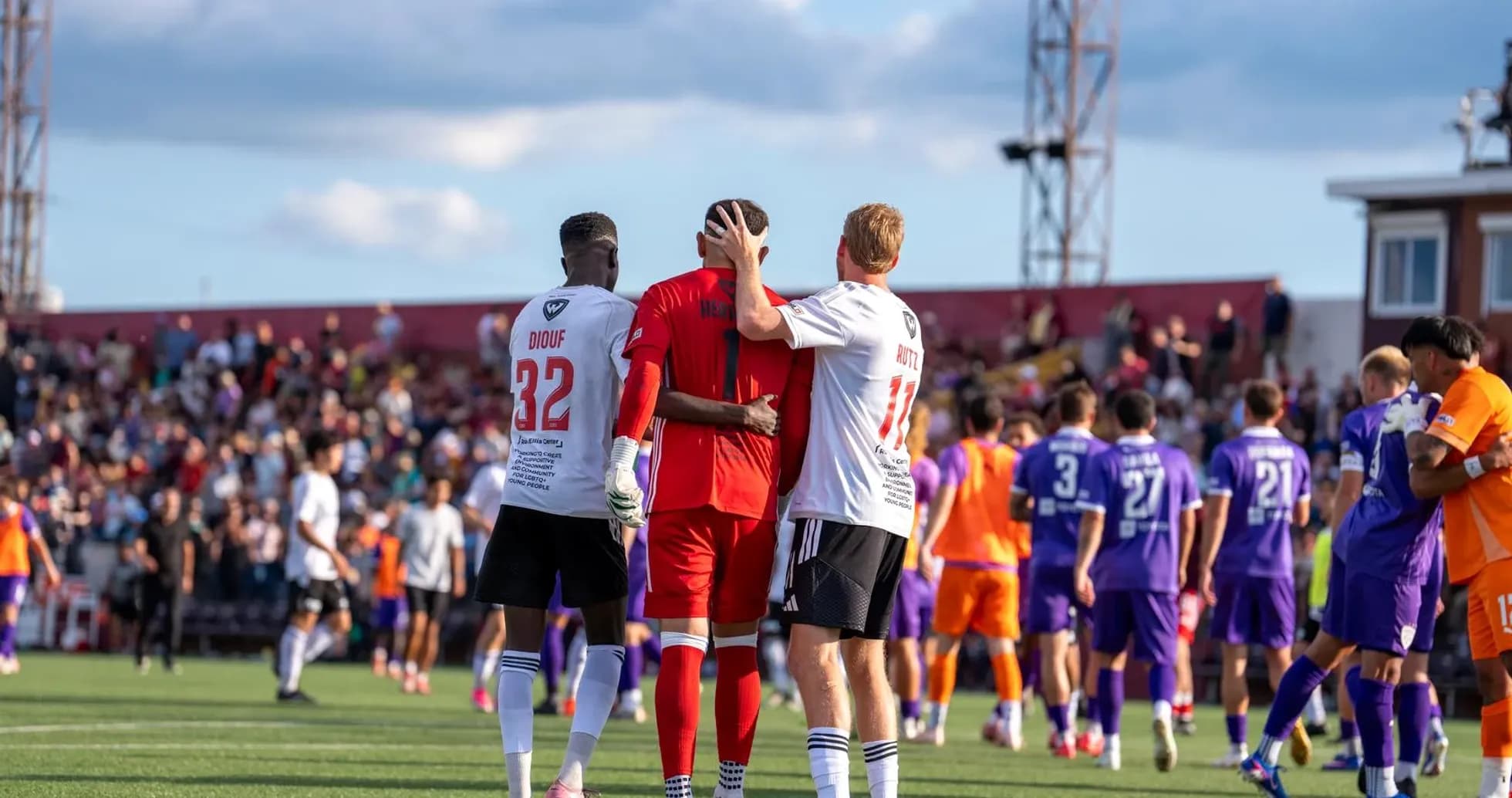
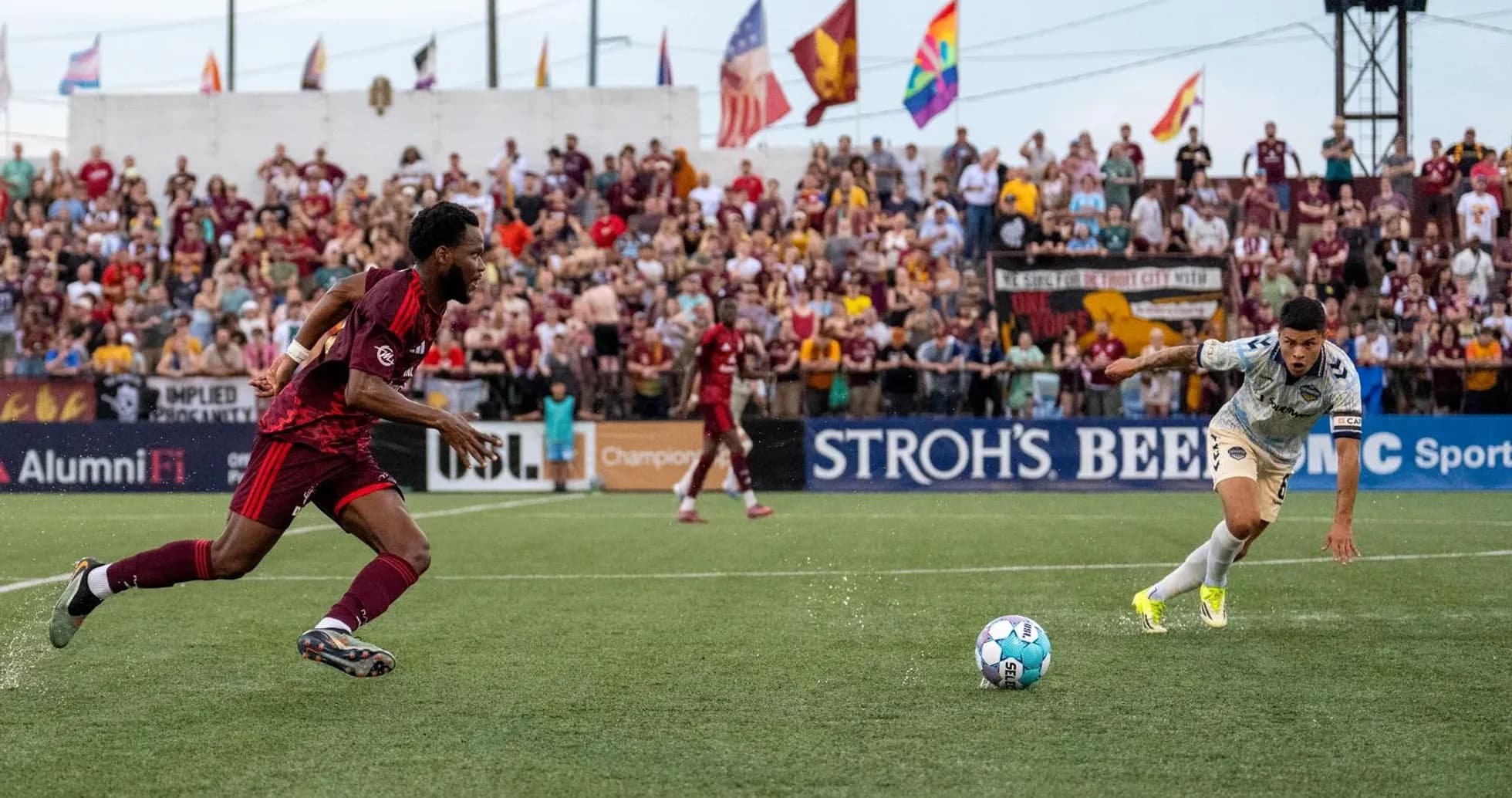
Toyota Stadium under the lights, a group-stage tie in the USL League One Cup that refused to be decided in 90 or even 120 minutes, and finally a razor-thin penalty shootout: Lexington 0–0 Indy Eleven, with Indy edging it 7–6 from the spot. Following this result, both sides walk away knowing far more about their own competitive DNA than a simple scoreline can show.
I. The Big Picture – Two Cup Identities Collide
Heading into this game, Lexington had been one of the most assertive attacking sides in the group. Overall this campaign they had scored 6 goals in 3 matches, with an average of 2.0 goals per game both at home and on their travels. Yet they had also been vulnerable, conceding 4 goals overall at an average of 1.5 at home and 1.0 away, and still searching for their first clean sheet.
Indy Eleven arrived with a different profile: more balanced, more pragmatic. Overall they had 7 goals in 4 fixtures, averaging 1.8 per game, while conceding 4 overall at a steady 1.0 per match both at home and away. Two clean sheets in four suggested a side comfortable suffering without the ball when needed.
The group table underlined how tight this matchup was. Lexington sat 3rd in Group 4 with 5 points and a goal difference of 4 (8 scored, 4 conceded), while Indy were just behind in 4th, also on 5 points but with a goal difference of 3 (8 scored, 5 conceded). This was a meeting of near equals, and the goalless stalemate over 120 minutes reflected that symmetry before penalties finally tilted it Indy’s way.
II. Tactical Voids and Discipline – Managing the Edges
There were no listed absentees, so both coaches could lean into their strongest available groups. For Lexington, Masaki Hemmi built around a core spine of O. Semmle, A. Ordonez, J. Brown, and the creative axis of M. Adedokun and Nick Firmino. Sean McAuley’s Indy Eleven leaned on the experience of R. Charles-Cook in goal, the defensive presence of P. Craig and H. Barry, and the midfield blend of N. Okello and K. Williams.
Lexington’s disciplinary profile this season has been busy but controlled. Their yellow cards are spread across the match, with notable peaks at 31–45 minutes (22.22%), 46–60 minutes (22.22%), and again from 76–90 minutes (22.22%). This points to an aggressive, front-foot side that often pushes the tempo before and after half-time, then again in the final quarter-hour when games open up. Crucially, they have not seen a red card in any time range.
Indy’s yellows follow a similar pattern but with a slightly sharper early edge: 22.22% of their cautions come in the 16–30 minute window and another 22.22% between 31–45 and 61–75 minutes. Like Lexington, they have no reds. Together, this framed a match where both midfields were always likely to dance on the line of controlled aggression, especially in the central corridors.
III. Key Matchups – Hunter vs Shield, Engine Room vs Enforcer
With no official top scorers or assist charts available, this tie was more about structural roles than individual stat lines.
For Lexington, the “Hunter vs Shield” dynamic revolved around their collective attacking output against Indy’s compact defense. Heading into this game, Lexington’s biggest home win was 4–2, and their overall attacking record (4 home goals, 2 away) suggested a side that can overwhelm when rhythm is found. B. P. Rodrigues, M. Epps, and M. Adedokun, supported by Firmino, form a fluid front unit capable of interchanging positions and driving at gaps between center-back and full-back.
Standing opposite was Indy’s “shield”: a unit that has allowed just 4 goals overall in 4 matches, with clean sheets both at home and away. P. Craig and M. Rasheed, flanked by L. Neidlinger and H. Barry, form a back line that prefers to keep distances tight and deny space between the lines. With R. Charles-Cook behind them, Indy’s defensive identity is rooted in timing their pressure rather than chasing high up the pitch.
In the “Engine Room” battle, Lexington’s midfield trio of B. Ferri, A. Molloy, and Firmino were tasked with breaking Indy’s rhythm. Ferri and Molloy provide the legs and balance; Firmino offers the final-pass imagination. On the other side, N. Okello and J. O’Brien give Indy height, ball-winning, and simple distribution, while K. Williams and B. Rendon operate between the lines to link transitions.
The absence of goals across 120 minutes suggests Indy’s shield won the day structurally. Lexington, a side that had failed to score only once overall this campaign before this fixture, were held again, reinforcing the idea that Indy can drag even potent attacks into attritional battles.
IV. Statistical Prognosis – Margins, Penalties, and What Comes Next
From a numbers perspective, this was always likely to be tight. Lexington’s overall goals against average of 1.3 hinted at a defense that gives opponents chances, but Indy’s more measured 1.0 overall suggested they would not over-commit numbers forward. Instead, the game tilted toward a stalemate, with both sides wary of the other’s transition threat.
Penalties, though, were a critical underlying theme even before the shootout. Lexington had taken 8 penalties overall this season, scoring 6 and missing 2, for a 75.00% conversion rate. Indy had also taken 8, scoring 7 and missing 1, at 87.50%. Those margins foreshadowed what unfolded at the spot: Lexington were good, but Indy were just that fraction more clinical.
Following this result, the tactical story is clear. Lexington remain a high-ceiling attacking side whose biggest challenge is turning territorial dominance into goals against disciplined back lines, while also sharpening their penalty reliability. Indy, meanwhile, double down on their identity as a pragmatic cup team: solid at 1.0 goals against overall, capable of keeping their nerve in shootouts, and comfortable winning on the margins when the night demands it.