Louisville City Edges Detroit City in Tense Cup Tie
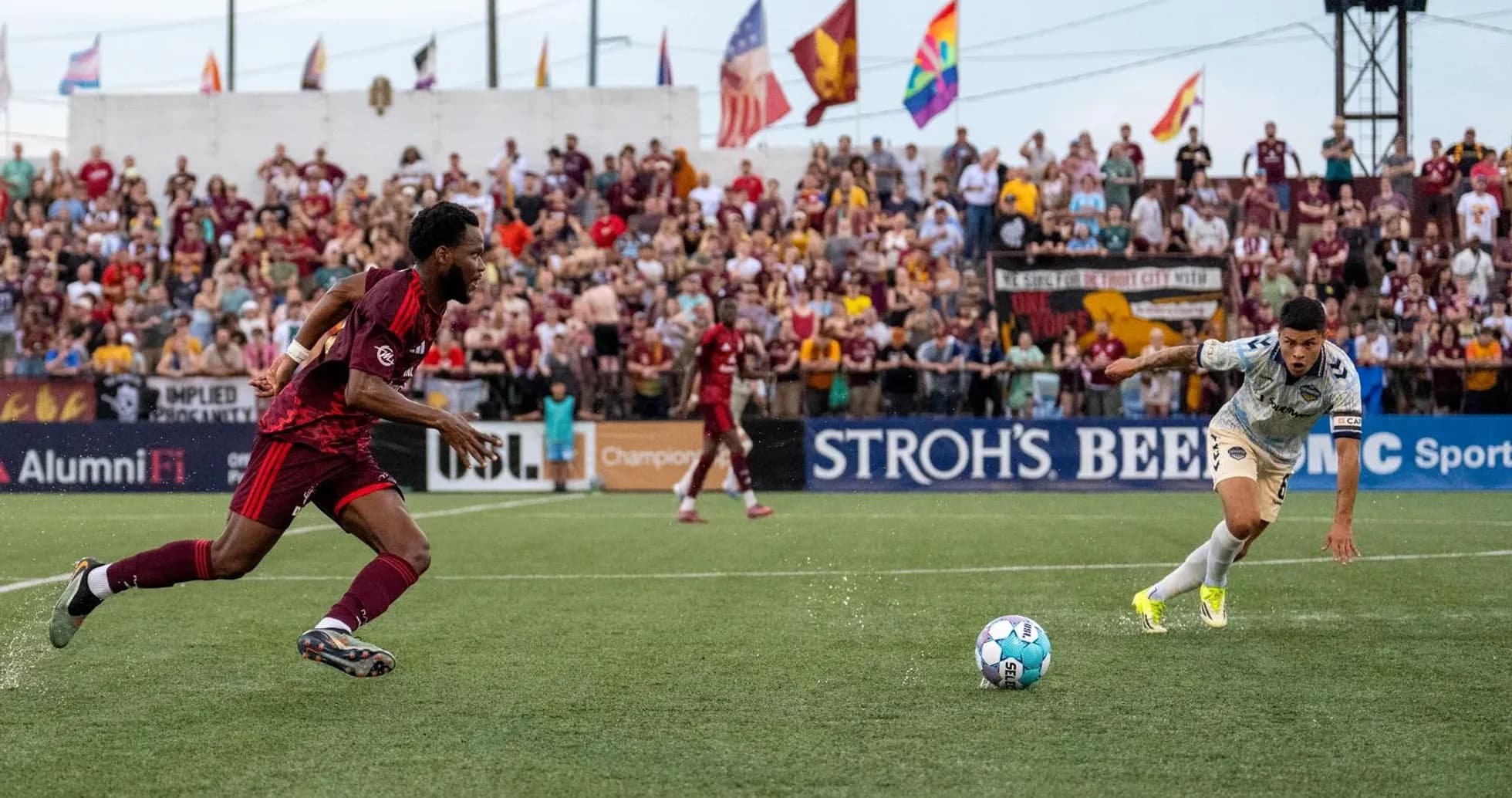
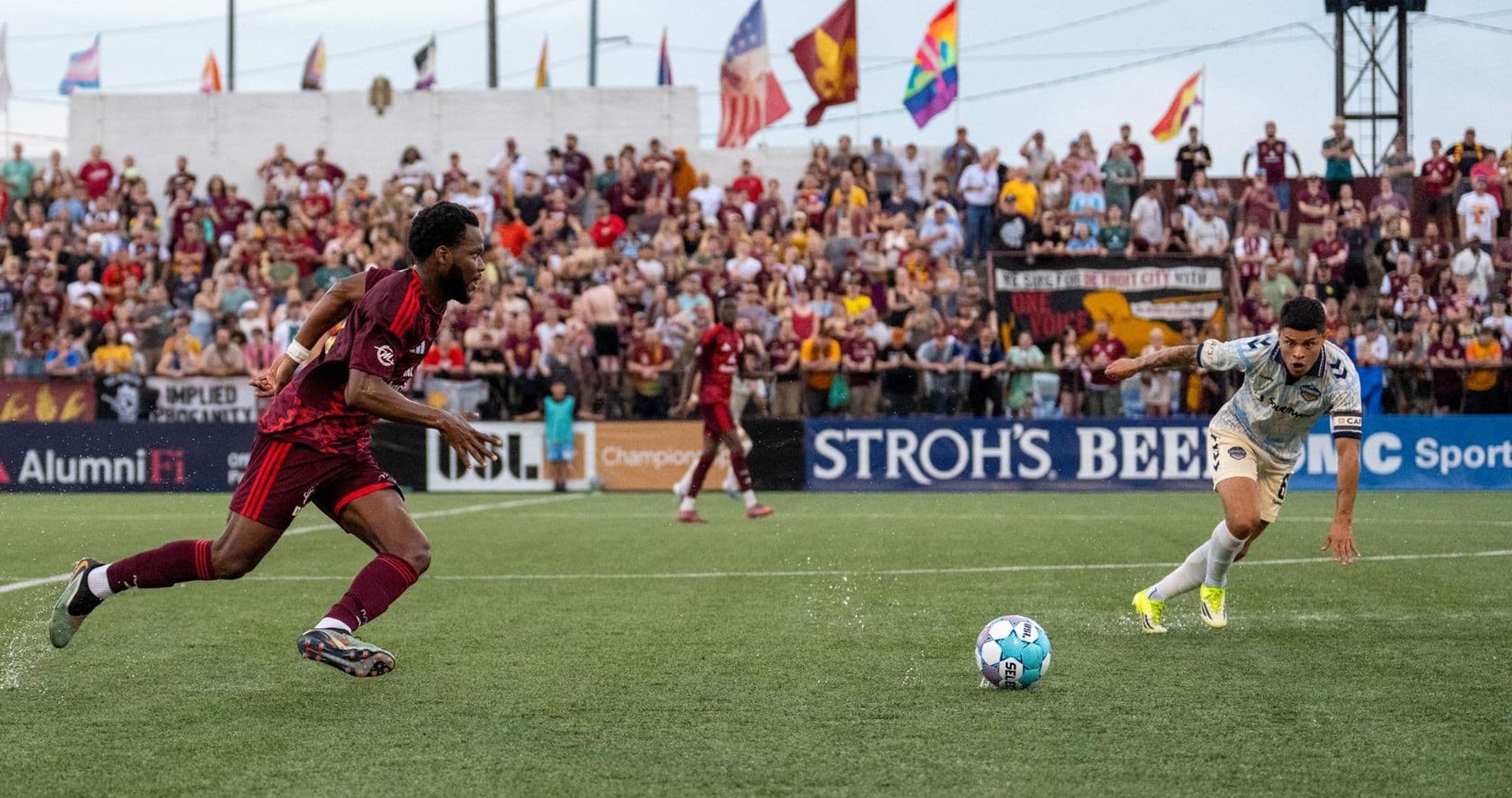
On a humid night at Keyworth Stadium, Detroit City and Louisville City played out the kind of cup tie that tests not just tactics, but nerve. Over 120 minutes they could not be separated, locked at 0-0 through regulation and extra time, before Louisville edged the shootout 4-3 to underline why they sit as the group’s standard-bearers.
Heading into this game, the seasonal profiles of these sides in the USL League One Cup could not have been more contrasting. Louisville arrived as Group 4 leaders on 6 points with a goal difference of 6, built on a ruthless attack: 9 goals in total from just 3 fixtures, averaging 3.0 goals both at home and on their travels. They had yet to taste defeat, with a perfect record of 3 wins from 3, and only 2 goals conceded overall at an average of 0.7 per match.
Detroit, by contrast, were still trying to define their identity in this competition. In total this campaign they had played 3 fixtures, winning 1 and losing 2, with no draws. Their attack had been modest: just 2 goals overall, with an average of 0.7 goals per match. At home they had managed only 1 goal across 2 fixtures, averaging 0.5, and had failed to score at home once. Defensively, they were more solid on their travels, conceding 0 away goals so far, but at home they had allowed 3 in total, an average of 1.5. Their overall goal difference in the standings before this fixture was -1, the mathematical product of 3 goals for and 4 against.
Within that context, a 0-0 over 120 minutes against the group’s most explosive attack is a statement of defensive resolve from Danny Dichio’s side. The lineup he sent out reflected a pragmatic, hard-working spine. C. Herrera in goal anchored a back line built around R. Hope-Gund and D. Amoo-Mensah, with H. Yamazaki and T. Silva providing the lateral cover. Ahead of them, K. Hernandez-Foster and A. Stanley offered ballast and distribution, while Rafa Mentzingen and A. Diop were tasked with linking midfield to the front. A. Diouf and B. Morris gave Detroit vertical threat and pressing from the front.
Louisville’s XI, named by Simon Bird, carried the swagger of a team that had scored 5 goals away in a single outing already. D. Faundez started in goal, shielded by S. Totsch and B. Dayes centrally, with A. McFadden and A. Dia likely operating as full-backs. In midfield, Z. Duncan and B. Niang provided the engine and control, while J. Morris and J. Wilson worked the flanks. R. Serrano and T. Showunmi formed a front pairing with movement and power, perfectly suited to exploiting any lapse from a Detroit defense that had been fragile at home earlier in the campaign.
Tactically, the match became a grind. Detroit’s season-long numbers hinted at the plan: limit chaos, keep the game in front of them, and accept that chances would be at a premium. Their goalsAgainst profile – 3 conceded in total this campaign, with 0 on their travels and 3 at home – suggested that when they could compress the pitch and keep numbers behind the ball, they were capable of shutting down better attacks. That is exactly what unfolded, with Hope-Gund and Amoo-Mensah forming a compact axis in front of Herrera, and Hernandez-Foster dropping in to create a situational back three out of possession.
Louisville, who had been averaging 3.0 goals per match both home and away, were forced into a more patient, methodical build-up than in their previous Group 4 outings. Their biggest wins – 3-1 at home and 1-5 away – had been built on early control and the ability to stretch games vertically. Here, Detroit’s mid-block and disciplined distances denied them those transition moments. Z. Duncan and B. Niang had to circulate the ball side to side, trying to draw out Detroit’s lines, while the wide players J. Morris and J. Wilson probed for 1v1 opportunities that rarely became clear-cut.
The disciplinary patterns of both teams added a subtle undercurrent. Heading into this game, Detroit’s yellow cards were concentrated in the 31-60 minute window, with 25.00% between 31-45 and 37.50% between 46-60, a sign of a side that often ramps up aggression as the first half closes and the second begins. Louisville’s cautions were similarly front-loaded, with 28.57% between 16-30 and another 28.57% between 31-45, before a spike to 42.86% between 46-60. That shared tendency toward physical intensity immediately after half-time hinted that the period around 46-60 would be the game’s most combustible phase, and it likely was where tackles flew and the rhythm became fractured.
In the “Hunter vs Shield” duel, Louisville’s attack – 9 goals total, 6 of them on their travels – met a Detroit defense that, in total this campaign, had conceded only 3 times. The Shield held. Herrera’s presence, combined with the timing of interventions from Hope-Gund and Amoo-Mensah, blunted the kind of waves that had overwhelmed previous Louisville opponents. The fact that Louisville, who had never failed to score in this competition and had 0 total matches where they failed to find the net, were held goalless through 120 minutes is perhaps the single most telling tactical datapoint of the night.
The “Engine Room” battle in midfield was defined less by creative flourish and more by attrition. For Detroit, A. Diop and Rafa Mentzingen had to shuttle relentlessly, closing passing lanes into Serrano and Showunmi, while Hernandez-Foster and Stanley screened the back line. For Louisville, Duncan and Niang were the metronomes, but they were constantly funneled into wide areas where Detroit could double up. The absence of detailed assist data in the competition statistics only reinforces that this was not a night for the classic playmaker; it was a night where enforcers and positional discipline dictated the narrative.
The final act, inevitably, came from the spot. Here, the season’s numbers offered a chilling preview. Detroit entered the tie with 5 penalties taken in total, scoring 3 and missing 2, a 60.00% conversion rate that hinted at vulnerability under pressure. Louisville, by contrast, had been flawless from 12 yards: 4 penalties taken, 4 scored, a 100.00% record with 0 missed. When the match moved to a shootout, the psychological balance tilted sharply. Detroit’s prior 2 missed penalties this campaign would have been in the back of minds, while Louisville’s perfect record reinforced their composure.
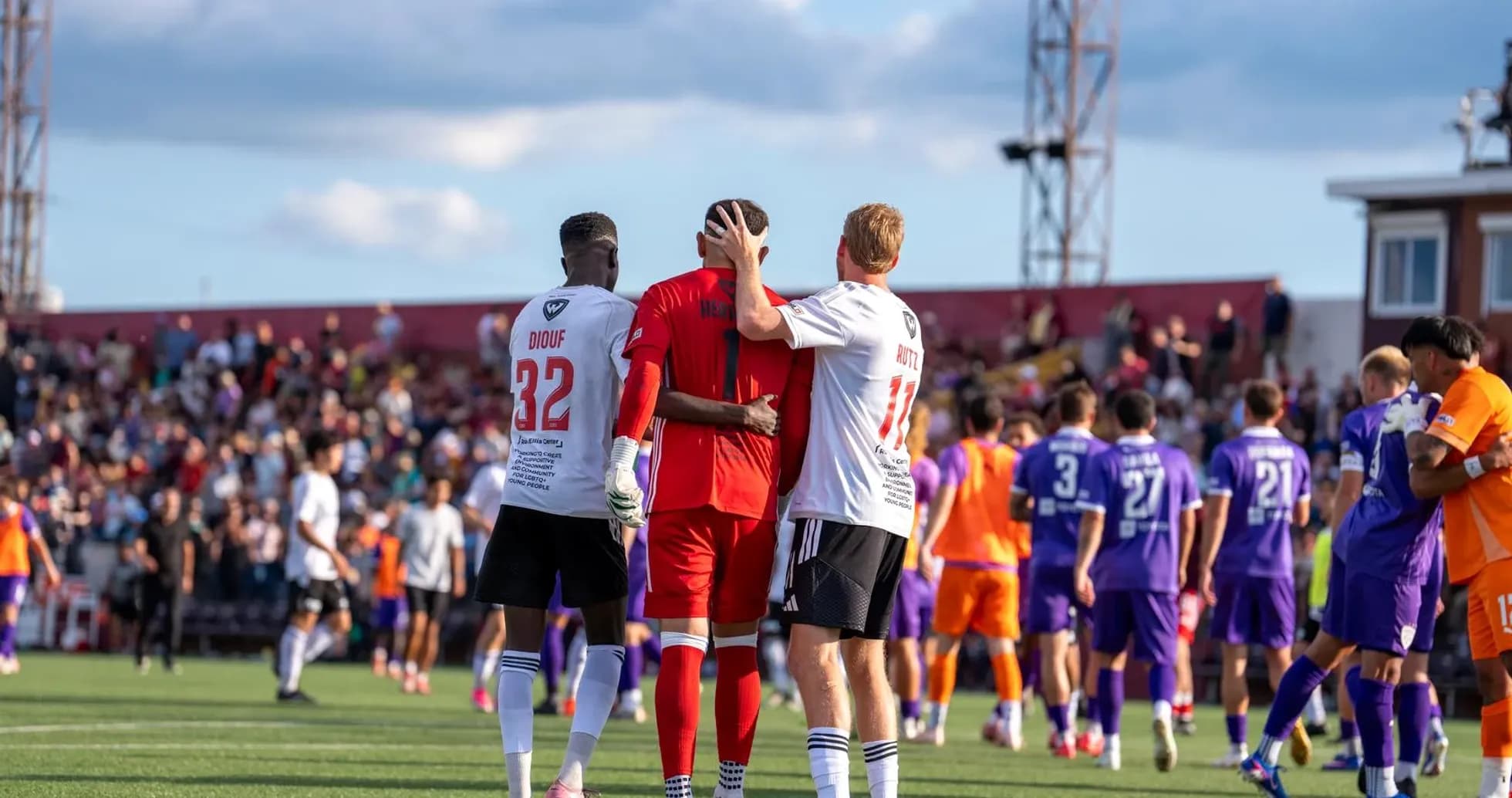
So it played out: Louisville converted 4 in the shootout, Detroit managed 3, and the group leaders advanced, their penalty pedigree holding firm. Following this result, the story of the night is paradoxical. On one hand, Louisville confirmed their status as the most complete side in Group 4, able to win not just by outscoring opponents in open play but by surviving a tactical stalemate and trusting their technique from the spot. On the other, Detroit emerged with a new defensive identity, having taken a side averaging 3.0 goals per match and held them scoreless for 120 minutes.
From an xG and defensive solidity perspective, the prognosis is clear. Louisville’s underlying attacking power remains unquestioned, but their capacity to solve deep, organized blocks will be a key theme in the knockout rounds. Detroit, despite elimination, have discovered that when they compress space and lean into their defensive structure, they can drag even the group’s heavyweights into the kind of narrow-margin contests where a single penalty can decide everything.