Neymar's Role in Brazil's World Cup Strategy: A Balancing Act
Neymar is back on the World Cup stage, but Brazil will not be built around him. Not yet.
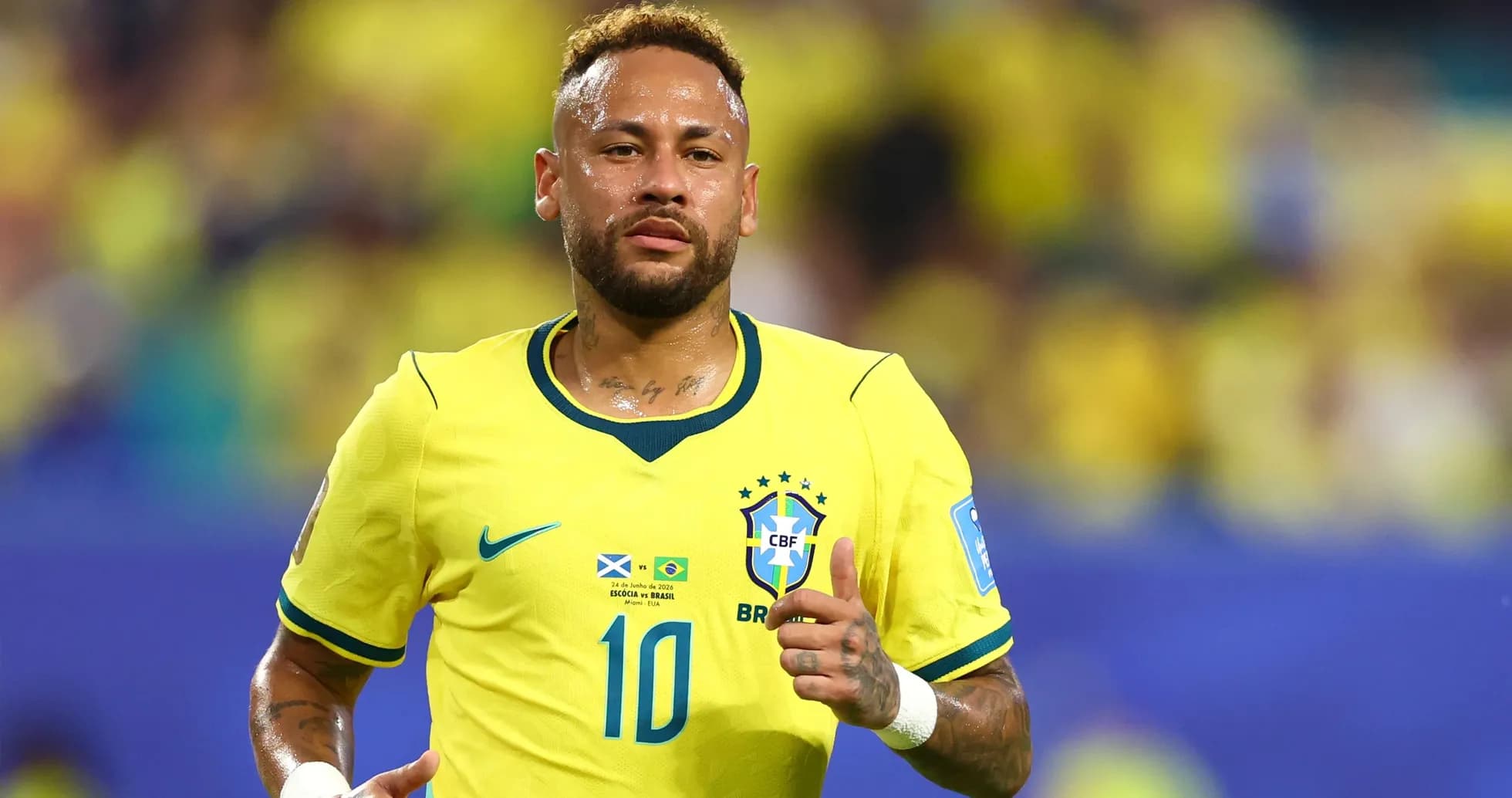
The 34-year-old’s route to 2026 has been brutal: a serious knee injury in October 2023, a calf problem that wiped out his start to this tournament, and a three-year exile from the national team broken only in Brazil’s final group game, a routine win over Scotland. His cameo that night was brief, but it was enough. One touch, one sprint, one swivel on the ball – and a fanbase dared to dream of him from the first whistle in the knockouts.
Ancelotti pulls the reins
The Brazil coach cut through the noise on the eve of the round of 32 clash with Japan. The excitement, the nostalgia, the clamour for Neymar from the start – all of it met with the same calm, measured response.
"Neymar has progressed very well. I think he improved a lot last week," Ancelotti told reporters. "It's a shame he couldn't train the whole time he was with us. He can play more than 15 minutes. He's in good shape. But it depends a lot on the game context and how things develop."
That last line is the key. For Ancelotti, Neymar is a weapon to be used when the game demands it, not a name to be pencilled in out of sentiment or history. Brazil want his magic, but they will not risk his body on nostalgia.
The message is clear: Neymar is ready to help, not yet ready to carry.
Japan’s jab, Brazil’s silence
If the build-up needed an edge, Kento Shiogai provided it. The 21-year-old Wolfsburg forward, barely involved at this World Cup with just six minutes of action, hinted that Brazil might be a fading power in the global game. One line from a young striker, and suddenly the most intriguing tie of the round had a little extra crackle.
Ancelotti refused to fuel it.
"I won't repeat what others say. We're focused on the match, on the opponent's qualities, on preparing well to avoid problems," he said. "That's what match preparation is about. We're not doing what they call in England 'mind games.' How do you say it in Portuguese? Mind games. We're not going there."
No bulletin-board material. No chest-beating. Just a coach who has seen too many tournaments decided by details, not by press conference bravado.
A familiar threat in blue
On paper, Brazil are favourites. On the pitch, the picture is far less comfortable.
Japan arrive on a 10-game unbeaten run, a sequence that includes a stunning 3-2 win over Brazil in Tokyo and a victory against England at Wembley. Those are not soft friendlies to pad confidence; they are statements. The Samurai Blue have spent the last year proving they belong on the same stage as the giants they used to admire from afar.
Ancelotti has not forgotten that night in Tokyo last October. Brazil went in front, seemingly in control, then watched Japan flip the game after the break. It was a reminder that this Japan side does not go away, does not wilt, and does not care about reputation.
Their World Cup form backs that up. Second place in Group F came via a 2-2 draw with the Netherlands, a ruthless 4-0 dismantling of Tunisia, and a hard, disciplined 1-1 against Sweden. Different types of matches, same outcome: Japan refused to lose.
They are organised, quick, and brave on the ball. A "difficult nut to crack" sounds like a cliché until you realise how few teams have actually managed to break them open.
Brazil’s balancing act
So Brazil walk into this tie with a familiar weight on their shoulders and a slightly different identity. They still have the talent to blow teams away, but this is a side learning to live without depending on Neymar for every spark.
Ancelotti’s task is to get the blend right. Control the game, respect Japan’s counter-punch, and then, if the moment comes, unleash the No. 10 who has spent three years waiting for another shot in yellow.
Neymar will not start this World Cup knockout phase as the centrepiece of the plan. He may yet finish it as the difference.