Netherlands vs Germany: New Managers, New Strategies in Amsterdam
The Nations League rarely feels like a friendly. It certainly won’t in Amsterdam.
On 24 September 2026, at 14:45 EST (18:45 GMT), Netherlands and Germany walk out under new managers, new ideas, and very little patience from two of the most demanding football nations on earth.
This is not a soft launch. It’s a stress test.
Xavi’s Oranje, Without Memphis
The first shock came before a ball was kicked.
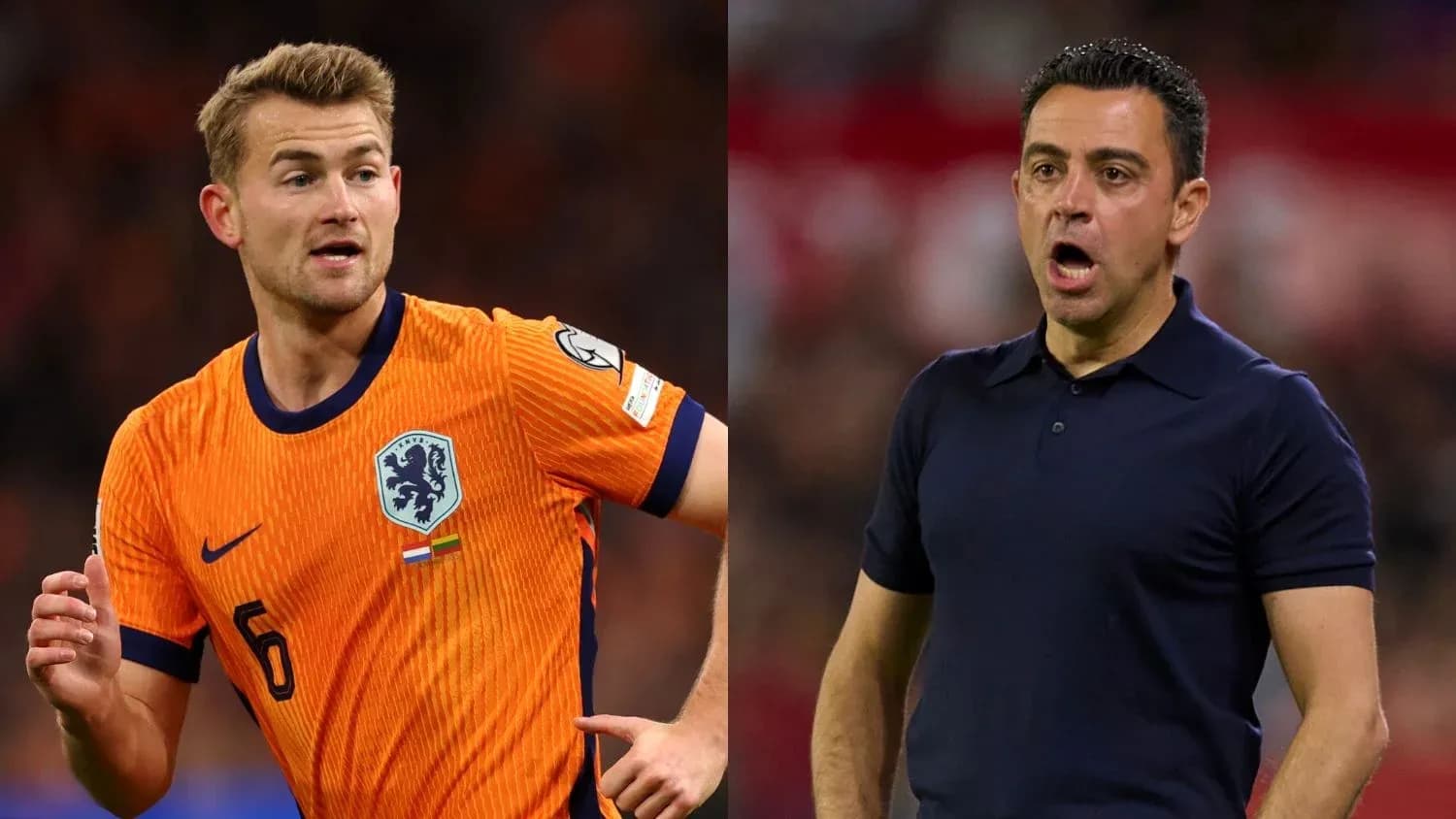
Xavi, the iconic Barcelona and Spain midfielder, has taken over from Ronald Koeman after the Netherlands’ World Cup exit to Morocco. His first major decision? Leaving out Memphis Depay, the country’s all-time record scorer.
No injury. No suspension. Just a clean, ruthless call.
Instead, Xavi leans into energy and verticality. His projected XI is bold and aggressive: Bart Verbruggen in goal; Denzel Dumfries, Virgil van Dijk, Micky van de Ven and Nathan Ake at the back; Joey Veerman, Ryan Gravenberch and Tijjani Reijnders in midfield; Jeremie Frimpong, Brian Brobbey and Cody Gakpo up front.
That front three says everything. Pace, power, and direct running. No classic No. 10, no luxury link man. Xavi wants chaos between the lines and runners attacking space.
Brobbey, in particular, arrives in menacing form. The 24-year-old just hit a hat-trick for Sunderland in a wild 5-3 defeat to Manchester City and bullied Arsenal’s defence in another standout display. He’s strong, he’s relentless, and he’s in rhythm. Germany will know exactly what’s coming. Stopping it is another matter.
The Dutch come into this one with three wins, a draw and a defeat from their last five. They smashed Sweden 5-1 in their best performance of that run, but their World Cup story ended with a 1-1 draw against Morocco that turned into elimination on progression rules. Eleven scored, six conceded over those five games: plenty of attacking threat, but gaps at the back that Xavi will be desperate to tighten.
No injuries or suspensions cloud his first big night. This is his squad, his selection, his statement.
Klopp’s Germany: High Energy, Hard Choices
On the other bench, a familiar silhouette in a new setting.
Jürgen Klopp, the man who turned Liverpool into a relentless machine, now leads Germany after Julian Nagelsmann’s World Cup disappointment. The early exit forced a reset; Klopp is the reset.
He hasn’t eased into the job. He’s split his plans into two distinct 22-man squads for four September and October fixtures against Netherlands, Greece (twice) and Serbia, treating this window like a live laboratory.
For Amsterdam and the first Greece game, he’s gone unconventional. The group includes Marc-André ter Stegen, Alexander Nübel, Finn Dahmen, Hennes Behrens, Max Rosenfelder, Philipp Treu, Jonathan Tah, Nico Schlotterbeck, Nathaniel Brown, Josha Vagnoman, Yann-Aurel Bisseck, Joshua Kimmich, Nadiem Amiri, Yannik Engelhardt, Felix Nmecha, Anton Stach, Bambasé Conté, Kai Havertz, Chris Führich, Jamal Musiala, Lennart Karl, Younes Ebnoutalib, Serge Gnabry and Kevin Schade.
It’s a blend of established names and players many fans are still Googling. That’s deliberate. Klopp wants hunger.
The projected XI reflects that edge. Alexander Nübel is tipped to start in goal, with Nathaniel Brown, Jonathan Tah, Nico Schlotterbeck and Joshua Kimmich forming the back four. In midfield, Lennart Karl, Felix Nmecha, Nadiem Amiri and Serge Gnabry are expected to operate behind Jamal Musiala and Kai Havertz.
The interesting subplot sits between the posts. Ter Stegen is back from a serious injury, finally in position to be Germany’s undisputed No. 1 after years in Manuel Neuer’s shadow. But he has to take the shirt first. For now, Nübel is projected to start, and that battle could define the early months of Klopp’s tenure.
Germany’s form coming into this is uneven but explosive. Across their last five games, they’ve taken two wins, two losses and that painful 1-1 World Cup draw with Paraguay that ended their tournament. They hammered Curacao 7-1 and edged Ivory Coast 2-1, but defeats to Ecuador and Paraguay knocked them out.
Thirteen goals scored, five conceded. The firepower is there. The margins in big games have not been.
Brajan Gruda has withdrawn from the squad, but there are no other listed injuries or suspensions for Klopp to navigate.
Old Rivalry, New Faces
The fixture itself needs no build-up. Netherlands vs Germany always carries history, always carries noise.
Recent meetings have been tight. Germany won the last clash 1-0 in the Nations League in October 2024. Before that, a 2-2 draw in Amsterdam in September 2024. Across the last five head-to-heads, Germany have two wins, the Dutch one, with two draws and 11 goals shared between them.
This time, the stakes are layered. In UEFA Nations League Group 2, Germany sit top. Netherlands are third and need a result to close the gap. It’s early in the campaign, but these are the kind of nights that shape a group table and a manager’s narrative.
Xavi wants to show that his Oranje can be sharper, braver and more ruthless than the side that stumbled out of the World Cup. Klopp wants to stamp his identity on a national team that has drifted through too many tournaments without a clear personality.
The likely shapes underline the contrast.
Netherlands are set to roll out a 4-3-3: Verbruggen; Dumfries, Van Dijk, Van de Ven, Ake; Gravenberch, Veerman, Reijnders; Frimpong, Brobbey, Gakpo. Width, runners from deep, and a centre-forward who thrives on contact.
Germany are expected in a 4-2-3-1: Nübel; Kimmich, Schlotterbeck, Tah, Brown; Nmecha, Amiri; Gnabry, Karl, Musiala; Havertz. Technicians between the lines, Musiala drifting and twisting, Havertz floating into spaces defenders hate to track.
One more warning sign for the Dutch back line: Jamal Musiala arrives with three goal contributions in his last three games for Bayern Munich. Give him time on the ball, and he will pick you apart.
A Nations League Night That Feels Bigger
For a competition often treated as a testing ground, this feels more like a launchpad.
Two giants, two new managers, two fanbases demanding proof that the future looks brighter than the recent past. Amsterdam will be loud. The football should match it.
If Xavi’s Oranje tear into Germany and press high with Brobbey and Frimpong leading the charge, the stadium will surge with belief. If Klopp’s Germany punch back with Musiala’s creativity and Havertz’s movement, the away end will sense the start of something real.
Both sides know the numbers. Both know the table. But when the whistle goes, the real question hangs over the dugouts.
Whose new era takes off first?