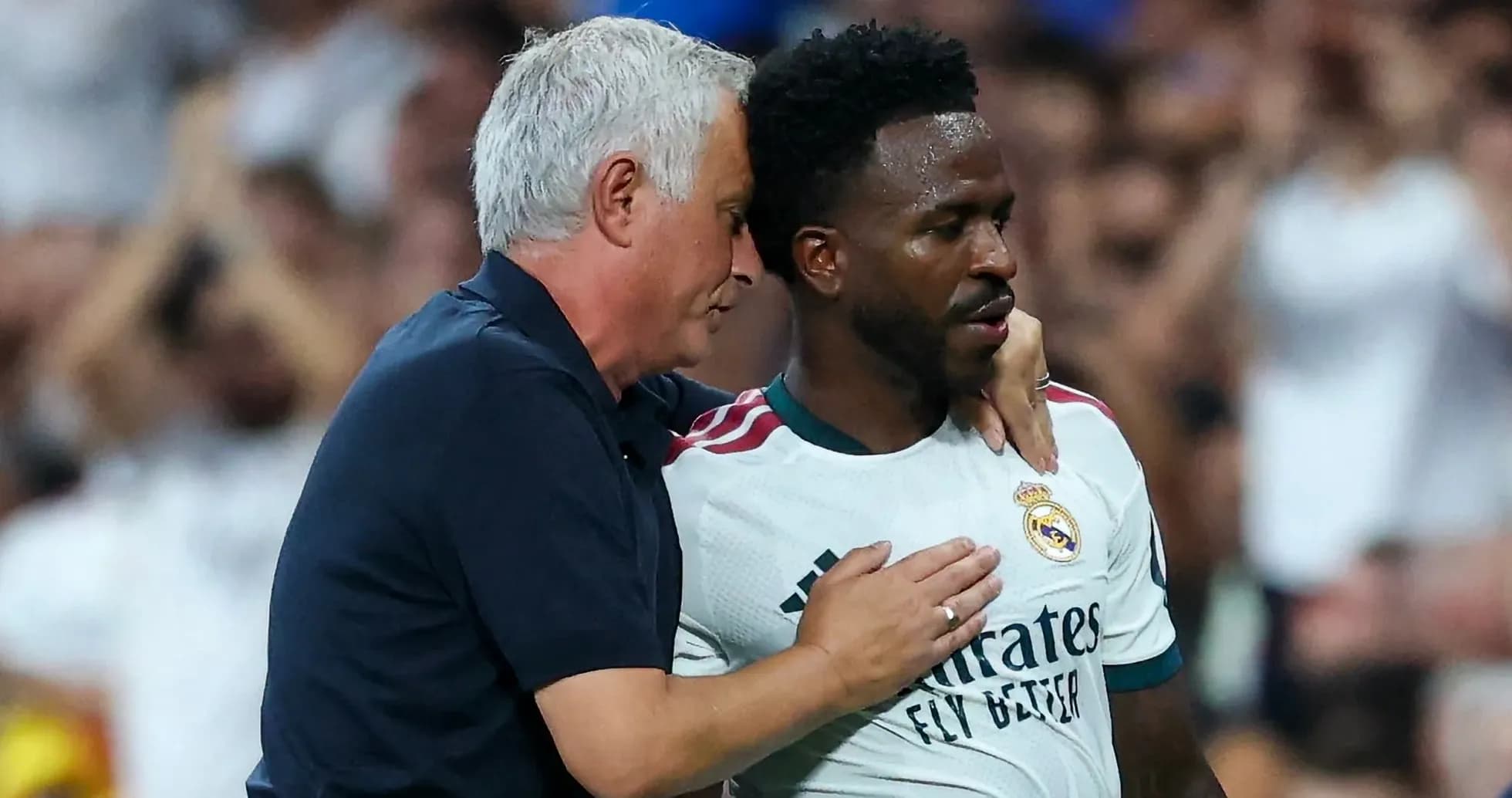
Mourinho Backs Vinicius Amid Struggles
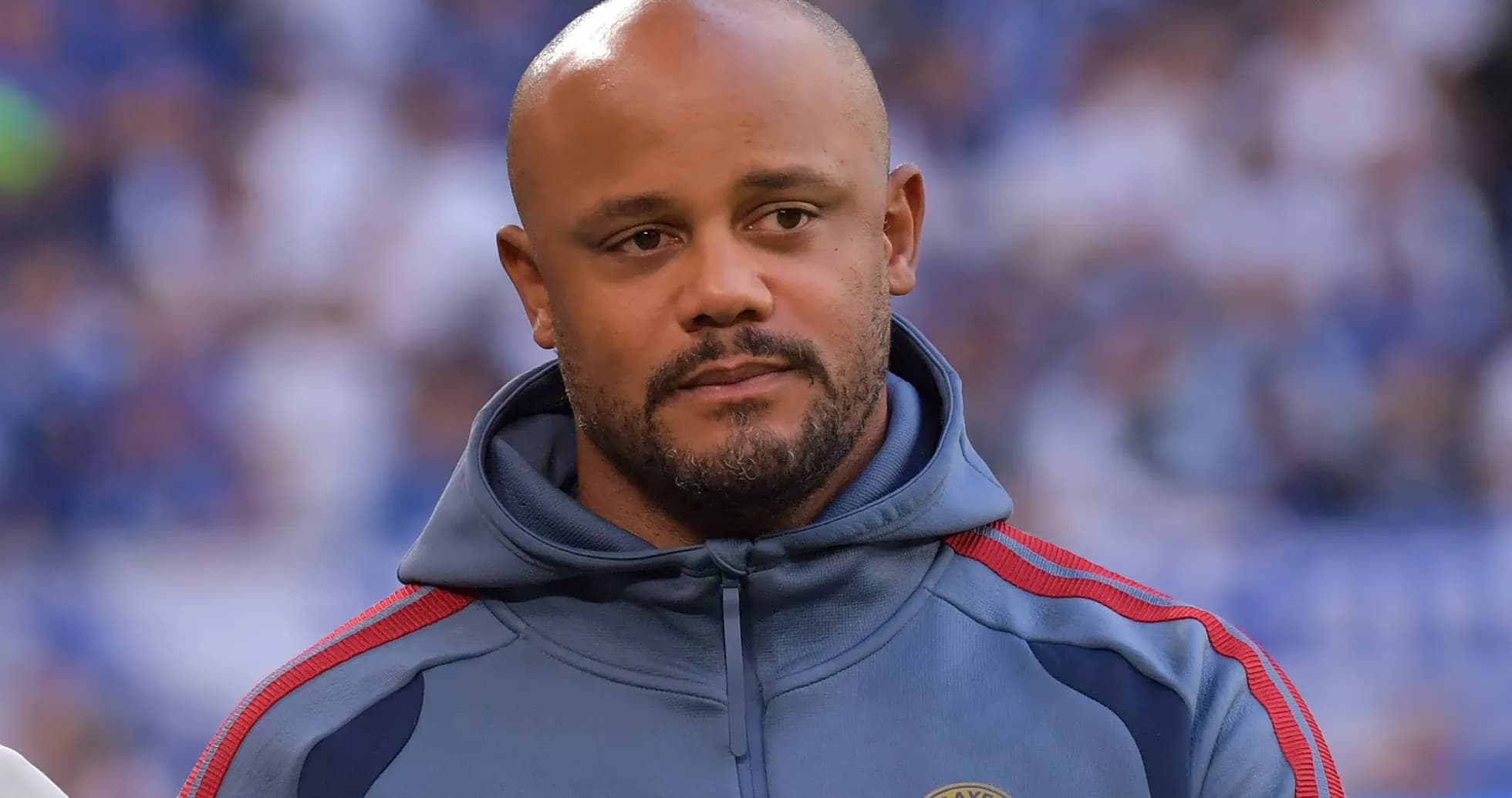
José Mourinho did not try to disguise it. Vinicius is not himself right now. But as the Portuguese coach faced the cameras after the final whistle, he made one thing clear: he will stand firmly behind his winger.
“He isn't at his best, and he knows it,” Mourinho admitted, before immediately shifting the spotlight onto the Brazilian’s work rate. This is not the Vinicius who terrorises defences and decides games, he argued, but it is a version he deeply respects.
“He's working hard to be the Vinicius who decides games. Without being at his best, he's working harder than ever.”
Mourinho backs a tired star
The match against Inter again underlined the contrast between Vinicius’ reputation and his current form. The numbers this season are modest by his standards: one goal and two assists in five appearances. For a player who has built his name on decisive moments, that return feels light.
But Mourinho preferred to highlight something less glamorous: defensive sacrifice.
“In the moments that he wasn't able to drop back and defend, it was because of fatigue,” he explained. “I have to value that a lot. I have a lot of respect for this Vinicius. The time will come when he decides games, and wins us games.”
The message was unmistakable. Yes, the spark is missing. The legs are heavy. The execution in the final third is off. Yet in Mourinho’s eyes, the commitment remains intact, and that buys a lot of credit.
Inter’s system, Vinicius’ struggle
The context of the game mattered to the Madrid coach. Inter’s back three and aggressive wing-backs stretched the pitch and asked constant questions of the wide players. For a winger who lives on one-on-ones, the spaces were there, but so were the demands going the other way.
“If he works, he'll always have my support,” Mourinho insisted. “He worked very hard for the team. Playing against a side that plays with three at the back, with wing-backs, it's very hard for the wingers.”
The frustration, of course, comes from knowing what Vinicius can do in exactly those situations.
“Obviously with the one-on-ones he had on the left wing, with Vini at his best, he'd kill the game. That's what we expect of him. But he gave everything.”
That line cut to the heart of the issue. The chances were there. The old Vinicius, the one who shredded full-backs and swung big nights in Madrid’s favour, would have finished Inter off. This version ran, pressed, chased – but did not deliver the final blow.
A difficult chapter in a long story
This is not an isolated dip. The Inter game lands in the middle of a complicated spell for the Brazil international. Last season, the 2025-26 campaign, brought more criticism than applause from the Madrid crowd. Performances flickered rather than burned, and the scrutiny grew.
Even so, Vinicius doubled down on his commitment in the summer, signing on for the long term and tying his future to the club. The response on the pitch so far has been steady, not spectacular. One goal. Two assists. Five games. Numbers that would be acceptable for many, but not for a player judged by elite standards.
Mourinho’s stance is to protect, not to condemn. The message to the dressing room is obvious: effort counts, even when brilliance is missing.
Makeshift midfield, familiar problems
The night also exposed deeper structural problems for Madrid. Suspensions to Bernardo Silva, Arda Guler and Eduardo Camavinga ripped three creative options out of Mourinho’s plans. The solution was bold and uncomfortable: Trent Alexander-Arnold in central midfield.
It was a compromise, and Mourinho did not hide it.
“It's hard for Trent. I appreciate the effort he made, but with his characteristics, the specificity needed to play full-back or central midfield, it's completely different physically.”
Alexander-Arnold’s passing range is not in doubt, but the positional demands in the middle are brutal. Lose the ball there and the punishment is immediate.
“He had some losses of the ball, because it's not the same playing with the whole field in front of you, and playing with half the field behind you,” Mourinho said. “He's played there a few times with Liverpool and the national team, but, it's completely different. He didn't have more to give.”
It was both an explanation and a shield. A recognition that the Englishman was operating outside his comfort zone, and that the tactical reshuffle came from necessity, not luxury.
Madrid left the Inter clash with questions about structure, fitness and form. Mourinho, though, chose his hill: he will ride out Vinicius’ storm, trusting that the winger who once “kills” games will reappear when the season’s biggest nights arrive.