Mikel Arteta's Push for Bigger Premier League Squads
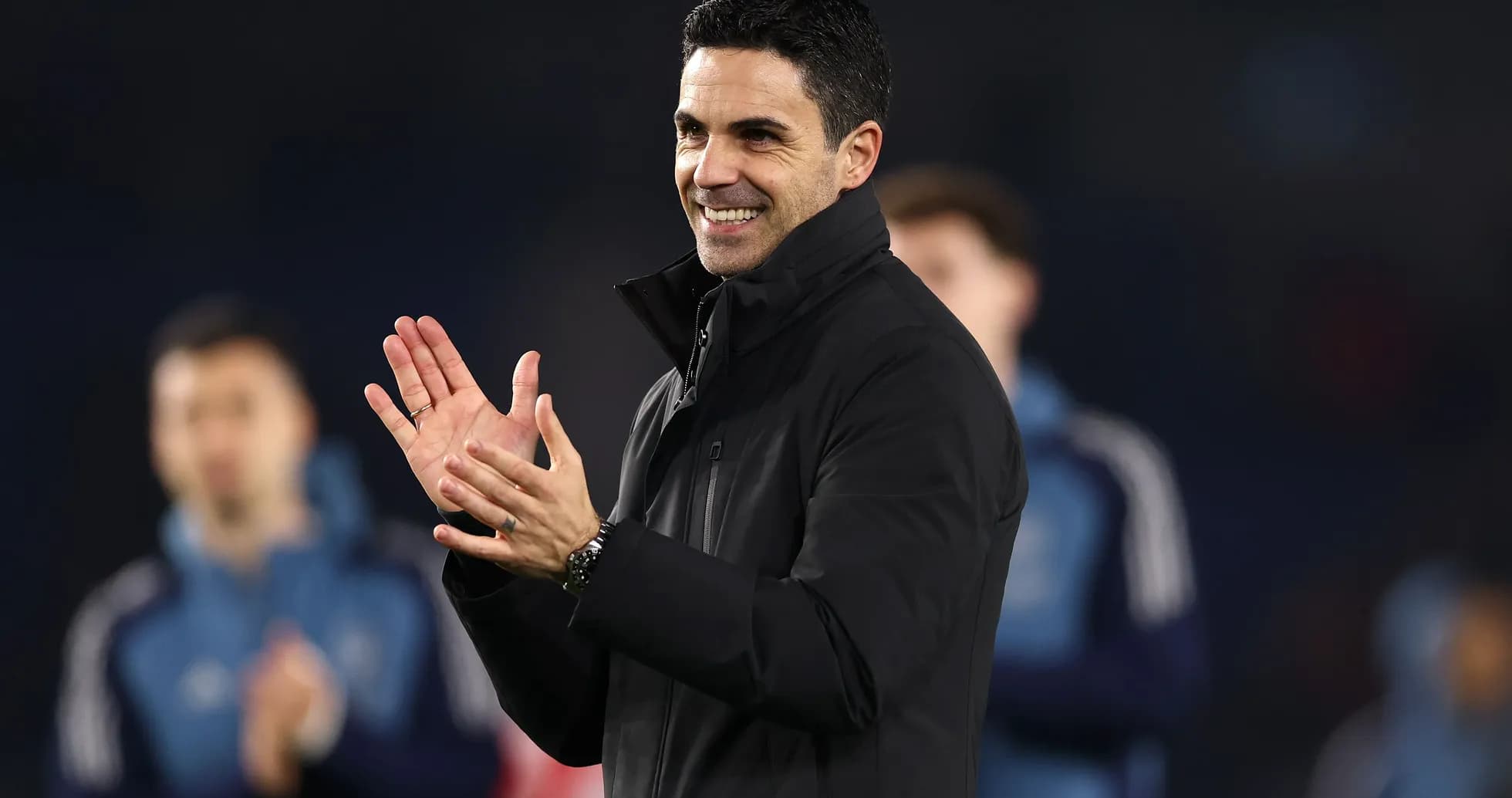
Mikel Arteta left Wembley with a trophy, a statement win, and a headache he’s determined to turn into change.
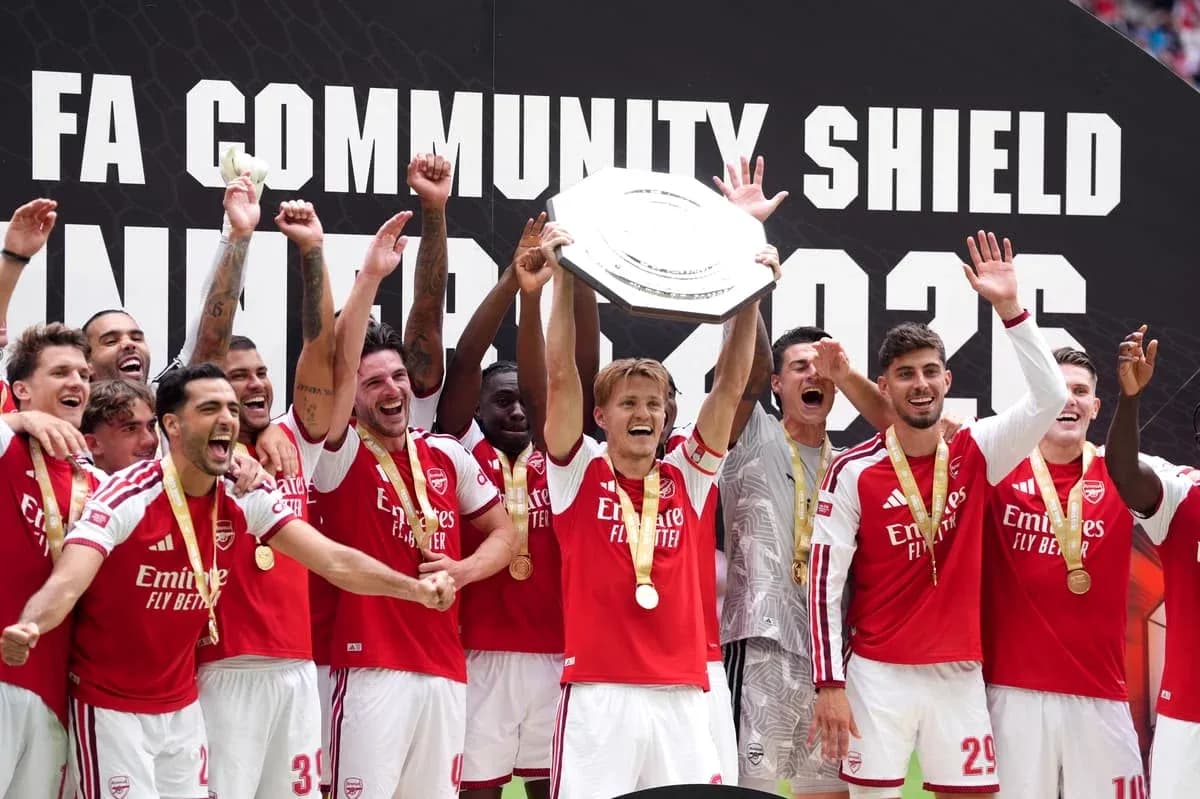
Arsenal’s 3-0 Community Shield victory over Manchester City in Cardiff should have been a clean, uncomplicated afternoon for the manager. Instead, the conversation quickly stretched beyond the pitch and into the rulebook, as Arteta renewed his push for the Premier League to expand matchday squad sizes to mirror UEFA competitions.
Big win, big omissions
The scoreline was emphatic. The squad list was ruthless.
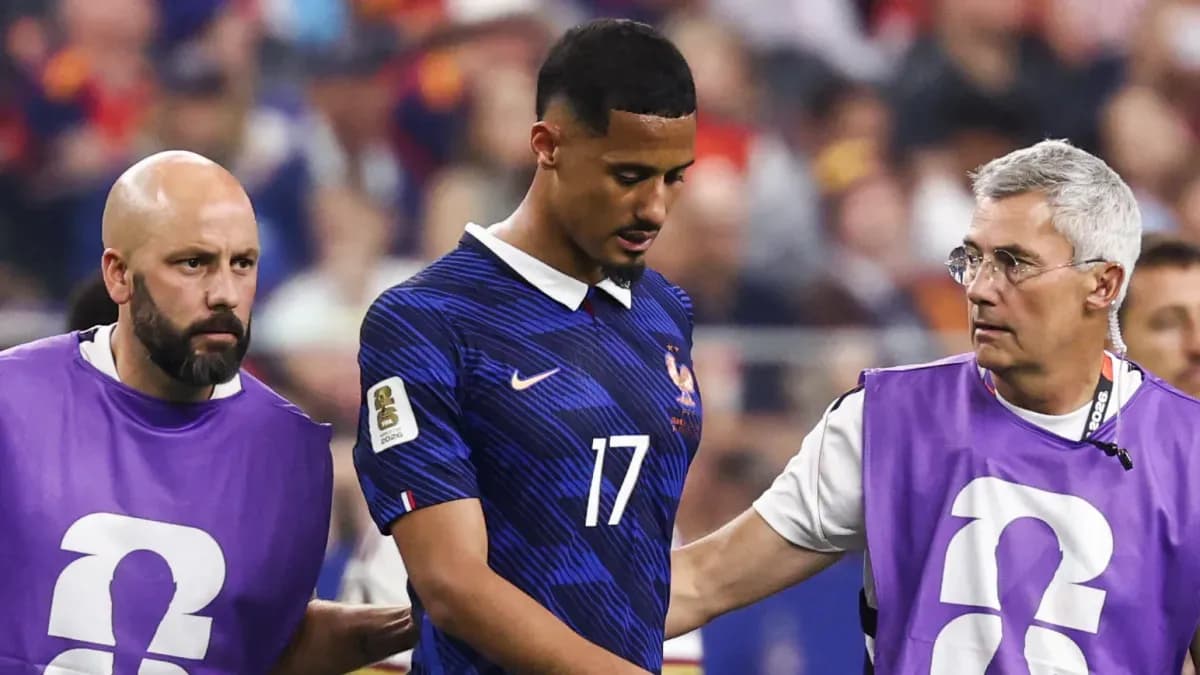
William Saliba and Jurrien Timber were straightforward absentees, both sidelined through injury. Timber still travelled, visible around the group, a reminder of the depth Arsenal now possess but cannot fully show on a domestic teamsheet.
Illan Meslier was there too, another face in the stands rather than on the bench. For a third-choice goalkeeper in English domestic football, that’s normal. You travel, you warm up, you watch. In the Premier League, there simply isn’t room.
In UEFA competitions, there is.
Last season, Tommy Setford lived that reality. He regularly joined up with the squad for domestic fixtures, trained, took part in the warm-ups, and then disappeared from the team sheet. Yet when the Champions League nights rolled around, all the way to the semi-final, his name appeared among the substitutes. Same player, same club, different rules.
That contrast is exactly what Arteta wants to address.
Arteta’s demand: “The load is unreal”
Against Manchester City, the list of senior players left out went well beyond the injured pair.
On top of Meslier, Arteta had to omit Gabriel Martinelli, Ethan Nwaneri, Gabriel Jesus, Fabio Vieira, and Reiss Nelson from the matchday squad entirely. Not on the pitch. Not on the bench. Nowhere.
Under UEFA rules, at least two of them would likely have been involved. European competitions allow a 23-man squad, rather than the Premier League’s 20, which translates to 18 outfield players instead of 17 plus the goalkeeper.
Arteta has had enough of the squeeze.
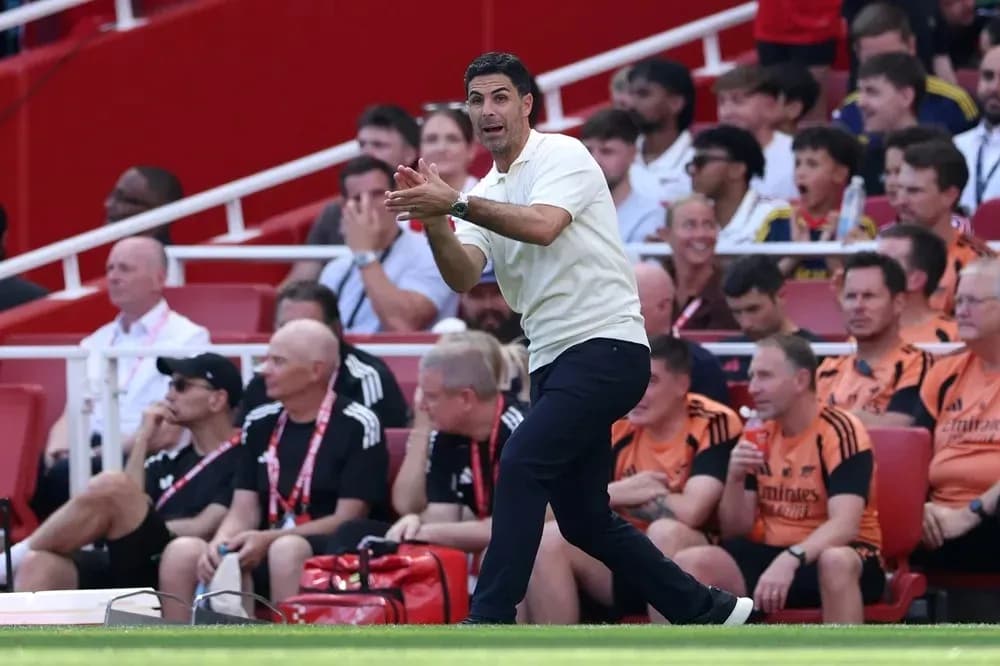
"I've been trying to persuade the Premier League and the clubs to be able to extend the number of players that we can have, especially the outfield players in the squads, because we play more and more games and the load is unreal," he said.
"It's just a shame (to leave players out), so it's the most difficult part of the job. It's just a fact that we can bring 18 outfield players and we believe that for today's game these were the options that we needed, especially with the physical condition of certain players."
His argument is simple: more games, heavier workloads, more sophisticated squads – but the same old limit on who gets to pull on a shirt on matchday.
The looming divide
Arteta’s proposal won’t pass unchallenged.
Smaller clubs are likely to push back, wary of handing the league’s heavyweights another structural advantage. If the big sides can stack their benches with extra game-changers, how do you compete when you can’t afford – or simply don’t have – 23 senior players fit and ready?
Some teams might struggle to fill those extra spots at all. For them, a larger squad size doesn’t feel like opportunity; it feels like a reminder of the gap.
Yet the landscape has shifted. Almost half of the Premier League now plays in Europe each season. For those clubs, operating under one set of rules midweek and another at the weekend makes less and less sense. They are already used to naming 23-man squads. They already manage those dynamics, those expectations, those egos.
The pool of clubs who would never realistically name 23 players is shrinking.
Arteta’s call, then, isn’t just about Arsenal’s embarrassment of depth after a dominant win over Manchester City. It cuts to a wider question for the league: in an era of relentless schedules and swollen calendars, does the Premier League cling to tradition, or does it move in step with the demands of the modern game?