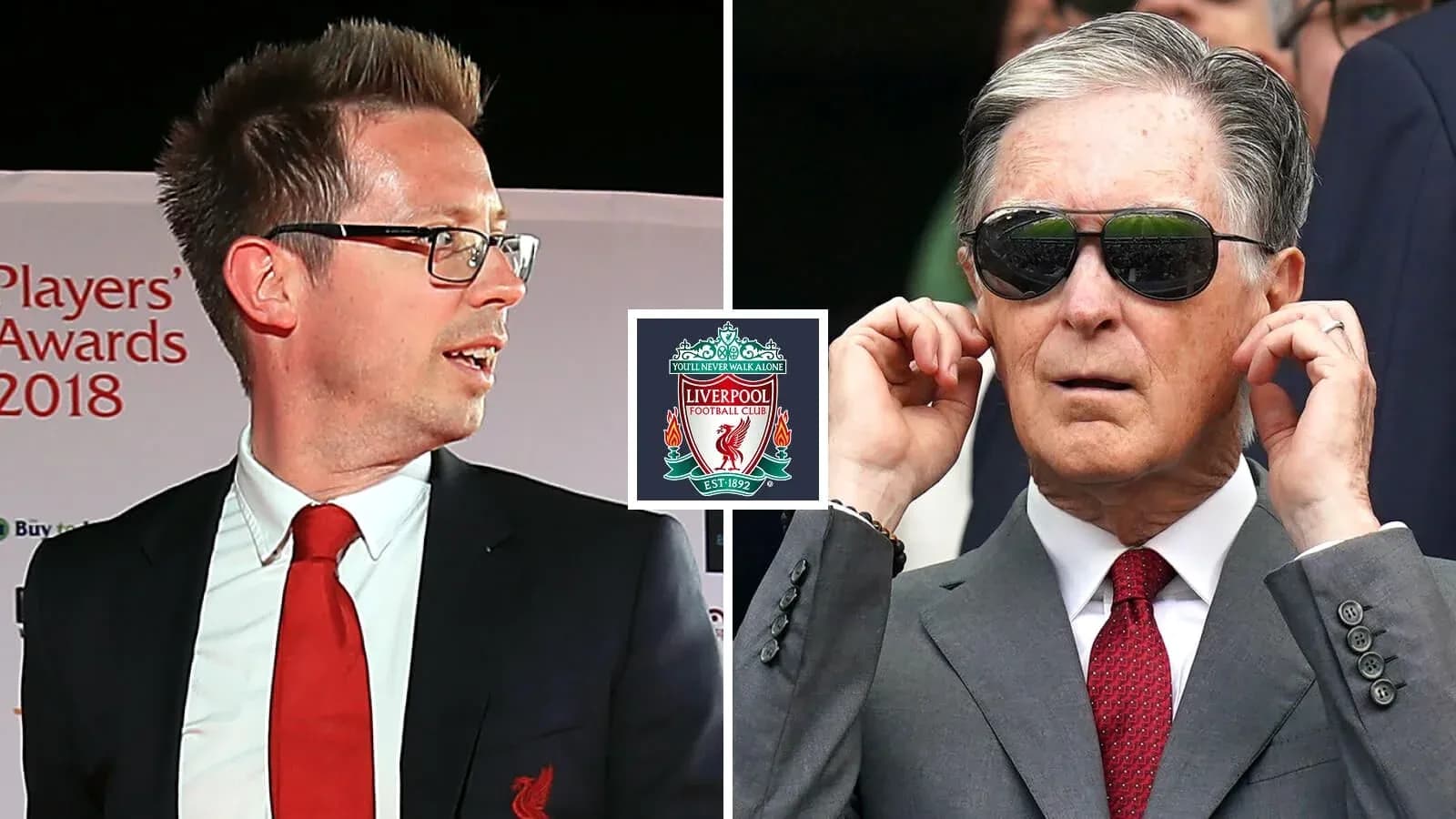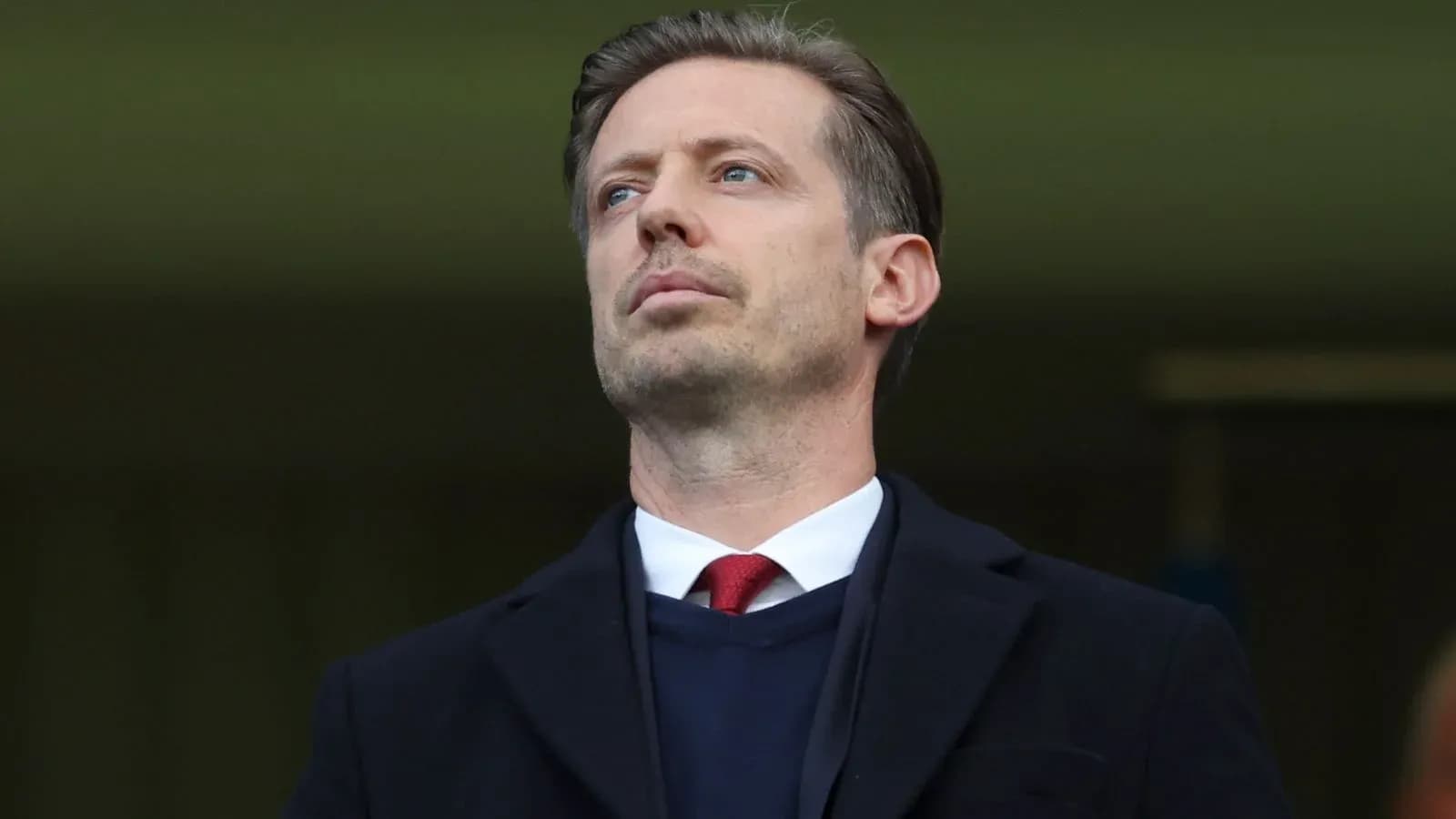
Michael Edwards Departs as Liverpool's Football CEO
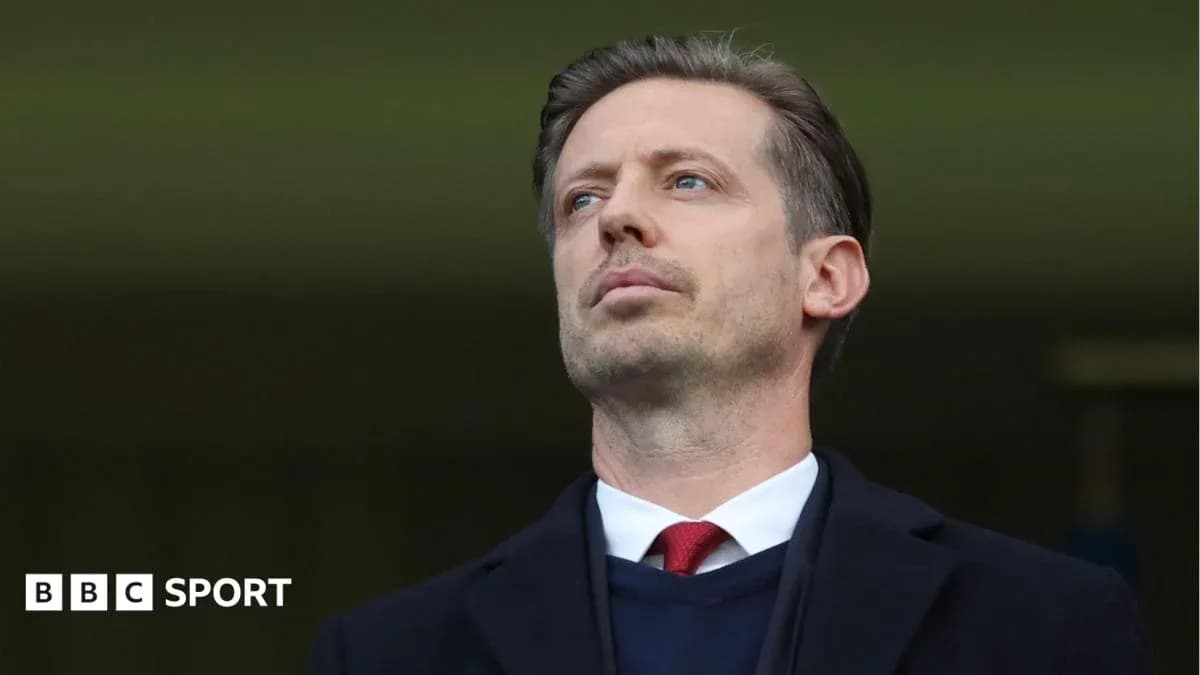
Michael Edwards has stepped away from his role as Fenway Sports Group’s chief executive officer of football, drawing a firm line under one of the most influential backroom careers in Liverpool’s modern history.
FSG confirmed his exit as a “planned transition”, but the timing is striking. Liverpool are heading into the 2026/27 season with a new head coach, a title to defend, and a summer window dominated by one colossal question: life after Mohamed Salah.
Architect of a modern Liverpool steps aside
Edwards’ relationship with Anfield stretches back to 2011. First a performance director, then the sporting director from 2016, he became the quiet architect behind the squad that finally ended Liverpool’s 30-year wait for a league title in 2019/20.
He left in 2022, his reputation burnished by a series of shrewd, data-driven signings that helped power Jurgen Klopp’s side to the summit of English and European football. When he returned in March 2024, this time as CEO of football for FSG, it felt like a reunion with unfinished business.
His remit was broader, his influence deeper. He was no longer just shaping Liverpool’s squad; he was overseeing all football operations at the club while also advising on FSG’s wider ambitions in the game.
Change on top of change
The last two years have been a period of upheaval, even by Liverpool’s restless standards.
Klopp’s long goodbye framed the 2023/24 season, with Edwards back in the building to help steer the transition. Arne Slot arrived in June 2024 and delivered immediately, guiding Liverpool to a historic 20th English league title in 2025 – a landmark that drew them level with Manchester United.
For a while, it looked like the handover had been seamless. A new coach, a new leadership structure, the same old Liverpool surge.
Then the momentum stalled. Slot’s second campaign sagged below expectations, and by early June this year he was gone, replaced by Andoni Iraola. Another reset. Another shift in philosophy. Another test of the club’s much-vaunted structure.
Through all of it, Edwards sat at the centre, shaping the “new football leadership structure” that FSG referenced in their statement, and helping appoint the latest man trusted with the Anfield dugout.
FSG’s project, rewritten
FSG’s message was clear: this exit is not a rupture, but the end of a planned phase.
“Edwards’ departure marks the culmination of a planned transition following the completion of key strategic priorities,” their statement read, pointing to his role in implementing the new hierarchy, appointing a new head coach and overseeing the period in which Liverpool secured that 20th title.
Behind the corporate language lies a more complex reality. Edwards himself admitted that FSG’s broader football project “ultimately evolved differently” to how it was first imagined. He had been brought back not only to guide Liverpool through Klopp’s departure, but to help shape a wider multi-club or expanded football strategy for the ownership group.
Those ambitions shifted. The work, he said, still mattered: presenting “a broad range of thoughtful and well-developed options for the future” to John W. Henry, Mike Gordon and Tom Werner. But the direction of travel changed enough that, two years on, the man trusted to design the blueprint is walking away.
A power vacuum – or a clean slate?
His exit does not come in isolation. Speculation is growing around the future of sporting director Richard Hughes, who only arrived in 2024 and could now be on the move himself. If Hughes follows Edwards out of the door, Liverpool’s much-celebrated stability behind the scenes suddenly looks fragile.
And this is no quiet summer.
Replacing Salah – in goals, in aura, in sheer reliability – is one of the most daunting tasks any Liverpool executive has faced in the Premier League era. The club must decide whether to spread his output across several signings or bet big on a single, marquee forward. Those are the sort of calls Edwards built his reputation on: high-stakes, high-precision recruitment that often looked ruthless at the time but proved shrewd in hindsight.
Now others will have to make them.
Edwards’ final word
In his parting statement, Edwards struck a familiar tone: understated, controlled, but unmistakably proud.
“It has been a privilege to return to Fenway Sports Group and Liverpool Football Club at such an important moment,” he said, insisting he leaves believing the club is “in a strong position, with outstanding people, a clear direction and the foundations in place for continued success.”
He thanked the FSG hierarchy by name and reserved his final tribute for the supporters, whose “passion makes this club so special,” adding that he will “always be grateful to have been part of its story.”
That story now moves on without him.
Liverpool stand at another crossroads: a new head coach in Iraola, a squad that has just reclaimed its perch with a 20th title, a talisman to replace, and a hierarchy potentially in flux. The Edwards era at Anfield may be over, but the decisions made in the coming weeks will show how firmly his fingerprints still shape what comes next.