Michael Edwards Leaves Liverpool: A Shift in Football Leadership
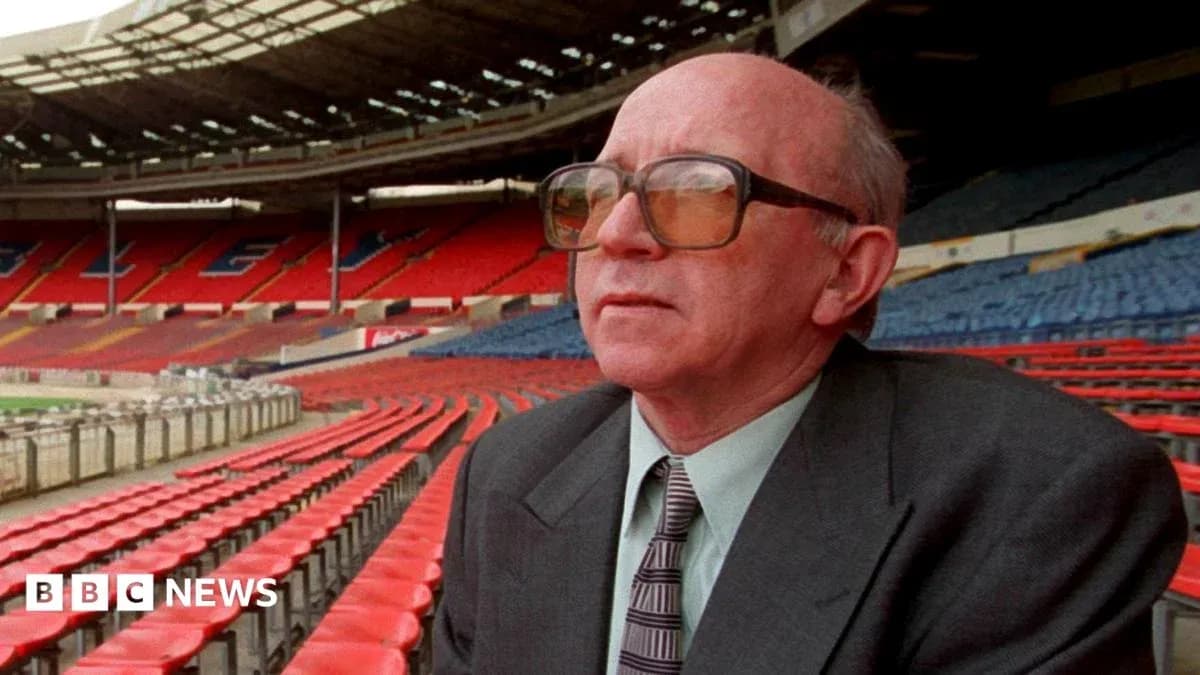
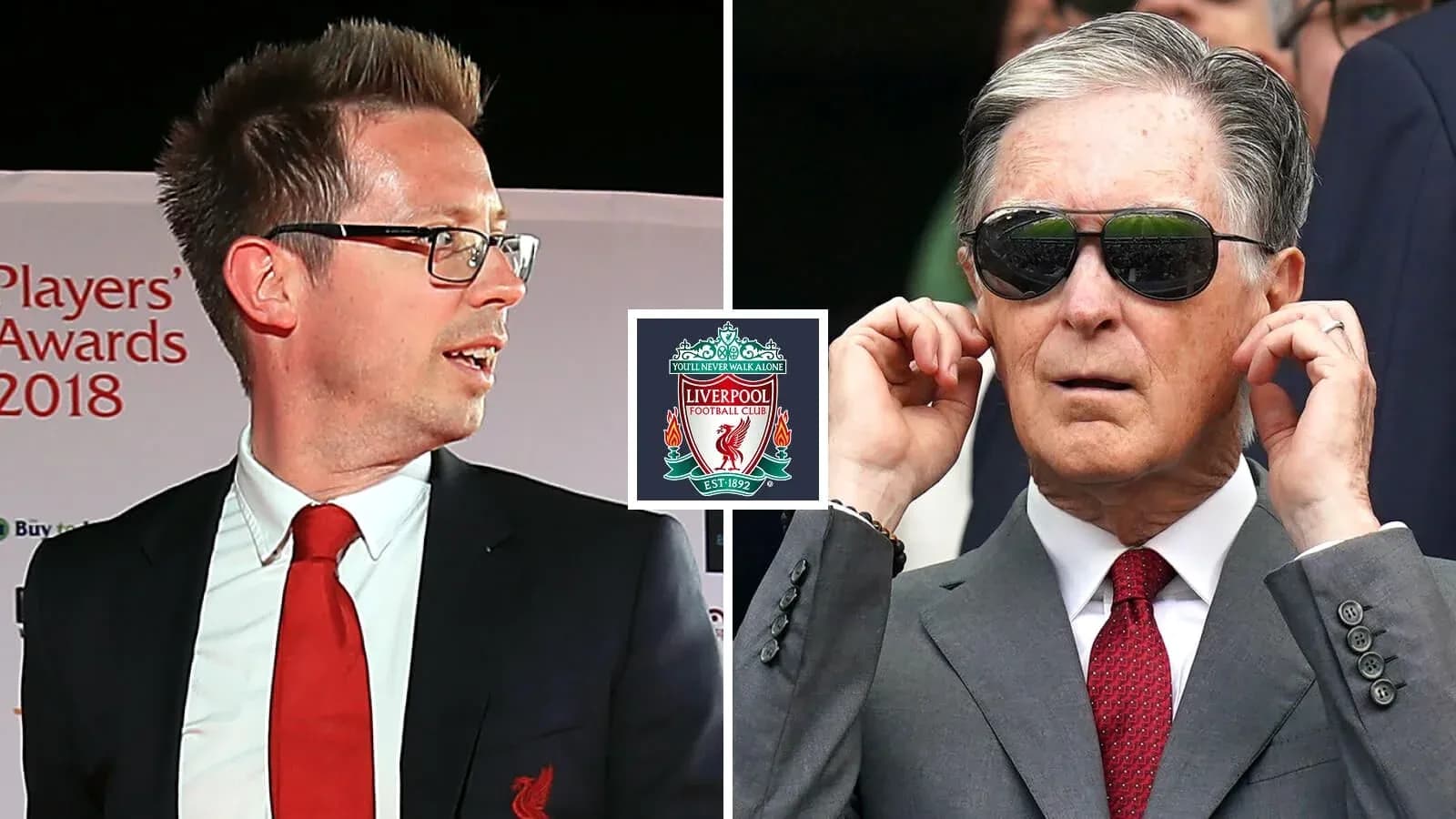
Michael Edwards’ second Liverpool chapter is over before the new season has even begun. The architect of much of the club’s modern success is walking away from Fenway Sports Group, and this time there will be no like-for-like replacement.
Instead, power shifts back to a familiar figure.
Edwards walks away from the project he came back for
Edwards returned to Liverpool in 2024 in a very different guise from the one that made his name. No longer the sharp-eyed sporting director working transfer margins, he came back as FSG’s CEO of football, with a broader, strategic brief and one key attraction: the chance to build a multi-club model.
That vision never materialised.
FSG have long explored the idea of expanding their football portfolio, but the process stalled. Reports in March from The Athletic’s Liverpool correspondent James Pearce revealed that plans to buy a second club had effectively been put on ice, leaving Edwards “frustrated by the impasse”.
The frustration has now crystallised into a clean break.
“It has been a privilege to return to Fenway Sports Group and Liverpool Football Club at such an important moment,” Edwards said on confirmation of his departure. “I leave believing Liverpool is in a strong position, with outstanding people, a clear direction and the foundations in place for continued success.”
The words were gracious. The context is not.
Edwards had been central to Liverpool’s rise under Jurgen Klopp during his first spell, shaping recruitment and helping assemble a title-winning squad. He walked away from the sporting director role in 2022, re-emerged two years later with more power and a broader remit, and now exits again with the project he came back for still sitting on the runway.
Gordon steps back into the cockpit
Liverpool will not scour the market for another Michael Edwards. They are not even going to try.
Pearce reports that FSG have no intention of appointing an external successor. Instead, president Mike Gordon will resume direct control of the group’s football operations, effectively stepping back into the hands-on role he previously held.
Pearce revealed that Edwards had told the FSG hierarchy of his decision last autumn. The ownership group, already shifting away from multi-club expansion, saw no need to replicate his CEO of football role once it became clear their strategic direction had changed.
Gordon, one of the key powerbrokers during Liverpool’s resurgence under Klopp, is again at the heart of decision-making.
“Michael has made an extraordinary contribution to Liverpool Football Club and Fenway Sports Group throughout his time with our organization,” Gordon said. He highlighted Edwards’ influence during a “pivotal moment” after his 2024 return, as Liverpool navigated a period of transition and ultimately secured a historic 20th English league title.
That title now feels like a neat bookend to Edwards’ Liverpool story. A final flourish before the curtain drops.
Multi-club dream dies, and with it Edwards’ role
The core reason for the split is not in dispute. The job Edwards thought he was taking and the job he ended up doing grew further apart with each month.
Journalist Ben Jacobs underlined that point, reporting that Edwards informed FSG he was leaving once it became clear they were not expanding their football portfolio. The plan had been bold: Edwards would drive the acquisition and development of another club under the FSG umbrella, shaping a network that could feed and support Liverpool.
Targets were identified. Bordeaux were examined. Getafe were explored. Neither deal advanced to completion. When talks over Getafe stalled, so did the vision that had lured Edwards back.
From that moment, his exit felt inevitable.
Jacobs reported that Edwards never wanted to return to a pure recruitment role. The appeal was strategic control over a multi-club structure, not a repeat of the work he had already mastered in his first spell. Once that promise faded, so did the logic of him staying, even though he chose to remain long enough to support sporting director Richard Hughes through a delicate phase.
By the end, as Jacobs put it, “the role Edwards fulfilled became very different to the one he’d been promised.”
What Liverpool lose – and what comes next
Liverpool are not losing a figurehead; they are losing one of the sharpest operators of the modern era. Edwards’ fingerprints are all over the side that climbed back to the summit of English football and then stayed there long enough to claim that 20th league crown.
His departure follows a turbulent period. Hughes, appointed sporting director, is contracted until 2027. Arne Slot, who had been on the same contractual timeline, has already gone after a poor 2025/26 campaign. Stability in the football structure has been tested, even as results on the pitch brought silverware.
Now the model tightens again around Gordon and the existing leadership group. No new CEO of football. No expanded network of clubs. A return to something closer to the old FSG shape, just without the man who once defined its cutting edge.
For Edwards, the market will move quickly. A proven executive with a track record of building title-winning squads and navigating complex transitions will not be short of offers. Reports suggest he is unlikely to take another extended break from the game.
The question is not whether he resurfaces. It is where, and with which ownership group willing to hand him the kind of multi-club project Liverpool never fully committed to.
Liverpool, meanwhile, march on under a familiar power structure, without the strategist who helped turn data, discipline and daring bets into trophies. How long that structure can keep them at the top, without the man who once made it sing, is about to be tested.