Michael Edwards Departs FSG Role as Liverpool Faces New Challenges
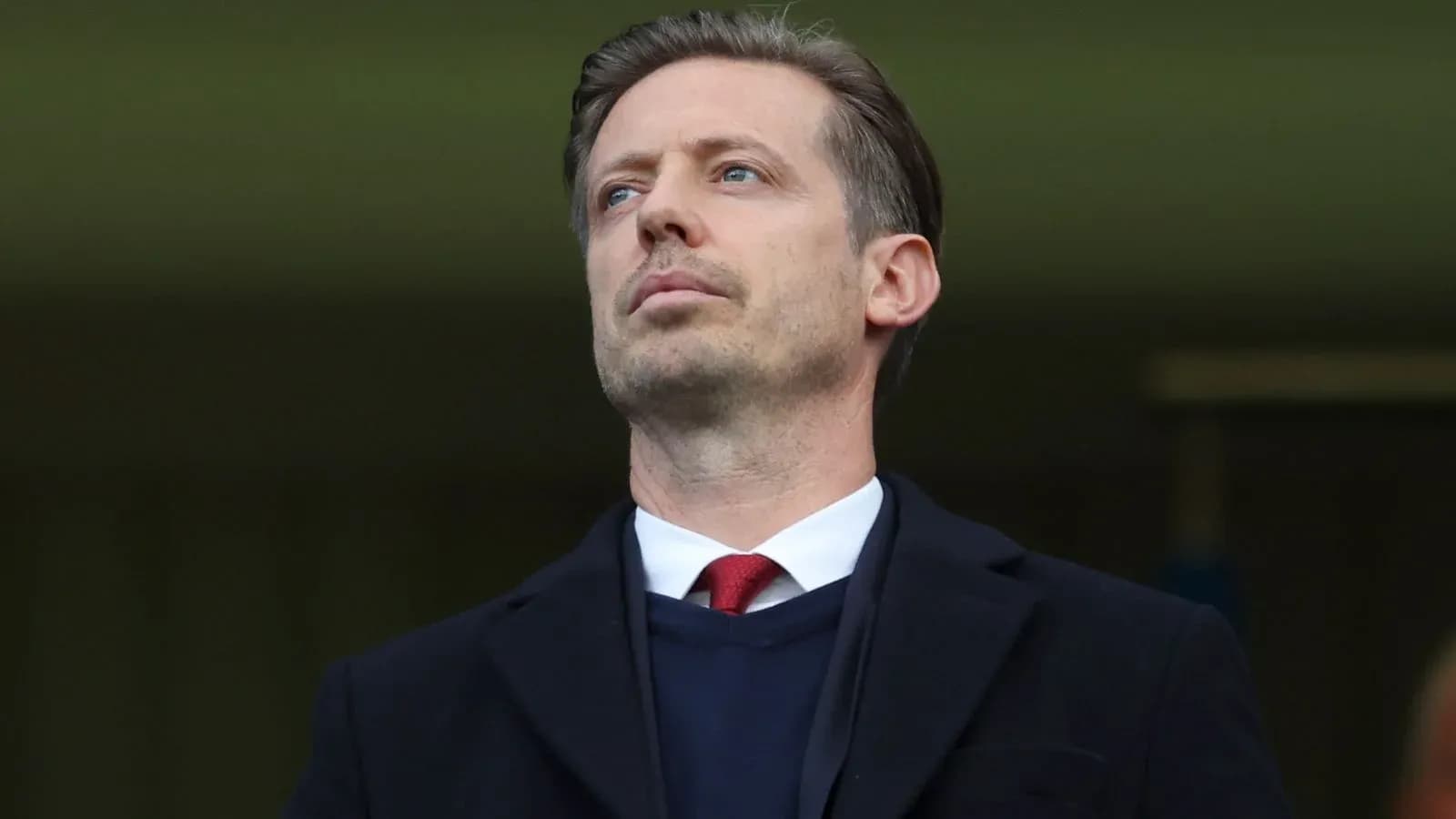
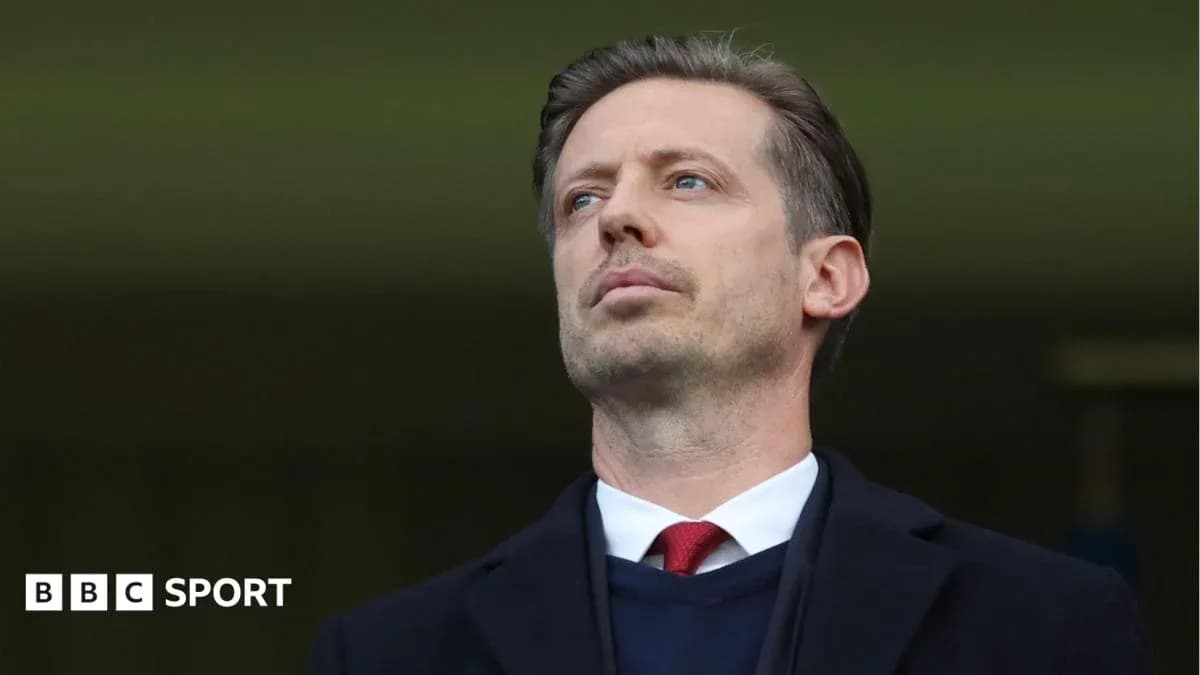
Michael Edwards, the architect behind much of Liverpool’s modern revival, has stepped away once again. This time, it is from his role as chief executive of football at Fenway Sports Group, a position created to help steer the club and its ownership through the post-Jurgen Klopp era.
FSG described his departure as part of a “planned transition following the completion of key strategic priorities”. The language is calm, corporate, tidy. Inside Anfield, it will feel anything but.
Edwards leaves two years into a three-year contract, having returned to the FSG fold in March 2024. His remit was clear: oversee the transition from Klopp, the defining manager of Liverpool’s modern era, and help shape FSG’s broader football ambitions across their portfolio.
In his own words, Liverpool remains “in a strong position, with outstanding people, a clear direction and the foundations in place for continued success.” That line matters. Edwards is not walking away from a club in crisis, but from a project that has shifted beneath his feet.
He admitted as much. The wider FSG plan, he said, “ultimately evolved differently to how we had originally envisaged,” even as he expressed pride in the work done to present ownership with “a broad range of thoughtful and well-developed options for the future.” Translation: the ideas were there, the direction changed.
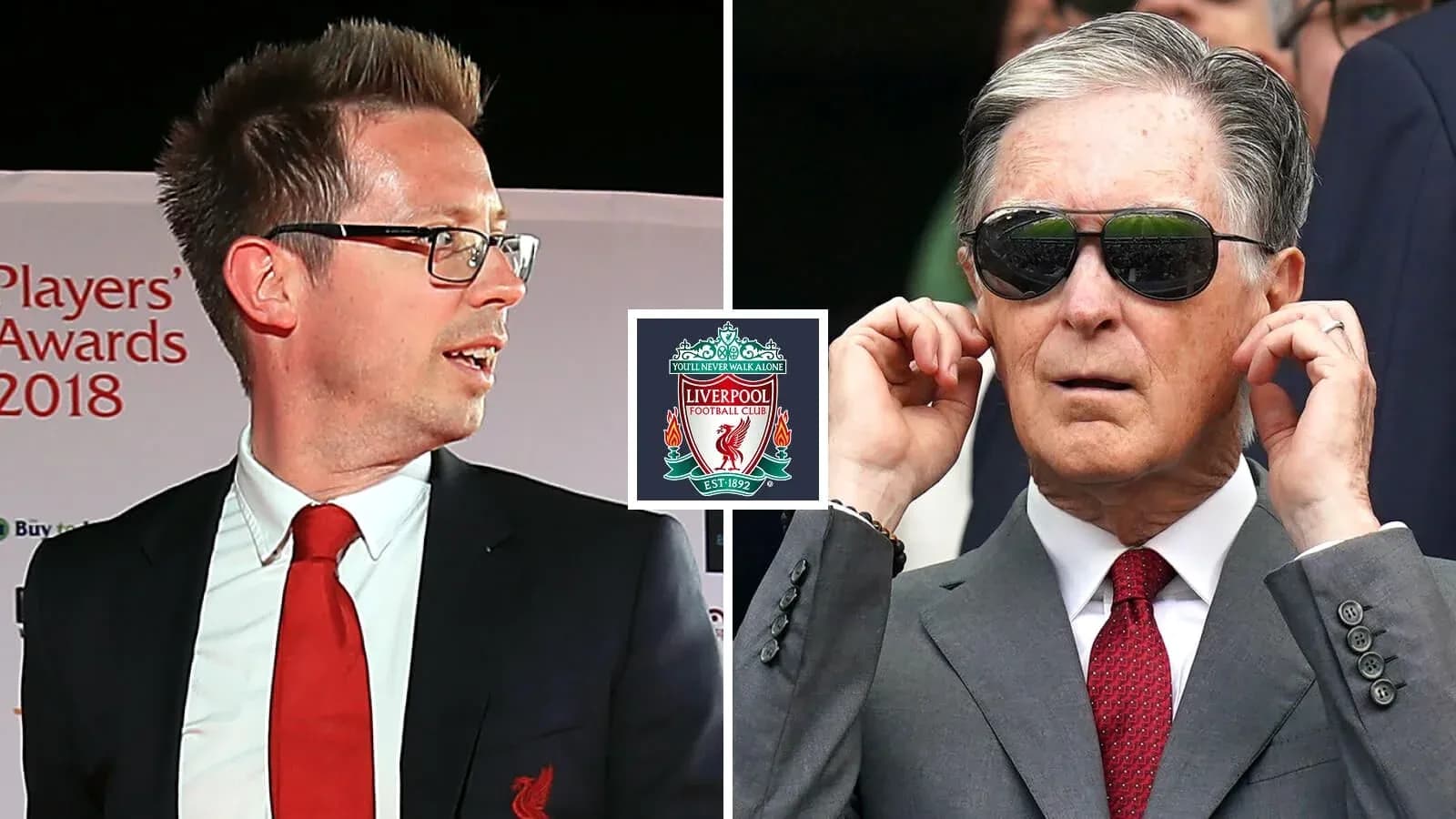
Inside FSG, there is no attempt to hide the sense of loss. Group president Mike Gordon called the owners “naturally disappointed” to see him go. They know exactly what they are losing.
Because when Liverpool fans hear the name Michael Edwards, they don’t think of job titles. They think of signings. They think of a club that went from drifting to ruthless.
Edwards first arrived at Liverpool in 2011 and was promoted to sporting director in 2016, a pivotal moment in the club’s modern history. From that seat, he built a reputation as one of the sharpest operators in the game, marrying data, scouting and timing to reshape a squad that would conquer England and Europe.
- Mohamed Salah
- Roberto Firmino
- Sadio Mane
- Andy Robertson
- Virgil van Dijk
Those names are not just good transfers; they are the spine of a team that ended a 30-year wait for a league title in 2020 and returned Liverpool to the summit of the European game. Edwards became the quiet constant behind the noise of Anfield.
He stepped away in the summer of 2022, his work seemingly done, his legend secure. His second act, this time at FSG level, was supposed to be about legacy: guiding the club through the turbulence of Klopp’s departure and plotting the next evolution of the football empire.
Instead, the picture has shifted again.
On the pitch, Liverpool are already dealing with the loss of Salah, their long-time talisman, who left at the end of last season. Replacing his goals, his presence, his aura, would be a daunting enough assignment on its own. Now they face that task with fresh uncertainty in the corridors of power.
The pressure to get the next phase right is enormous. The forward line needs a new focal point. The squad needs smart, surgical reinforcement. The club’s identity, so tightly bound to Klopp’s intensity and Salah’s brilliance, must be reimagined without losing what made it so formidable.
And the questions do not stop there. Speculation has been mounting around sporting director Richard Hughes, the man charged with shaping Liverpool’s recruitment in this new era. His own future has been thrown into the conversation, adding another layer of intrigue to an already delicate moment.
For a club that once prided itself on seamless succession planning, the timing is striking. Klopp gone. Salah gone. Now Edwards, again, gone.
FSG insist this is all part of a broader, controlled transition. The public message stresses stability, structure, process. Yet the sense lingers that Liverpool are entering one of those defining stretches where every decision carries a little extra weight.
Edwards leaves behind a blueprint: data-led recruitment, clarity of vision, and a refusal to panic in the market. It delivered trophies, prestige and a team that felt perfectly tuned to its manager.
The template remains. The question now is simple: who has the authority, and the nerve, to follow it?