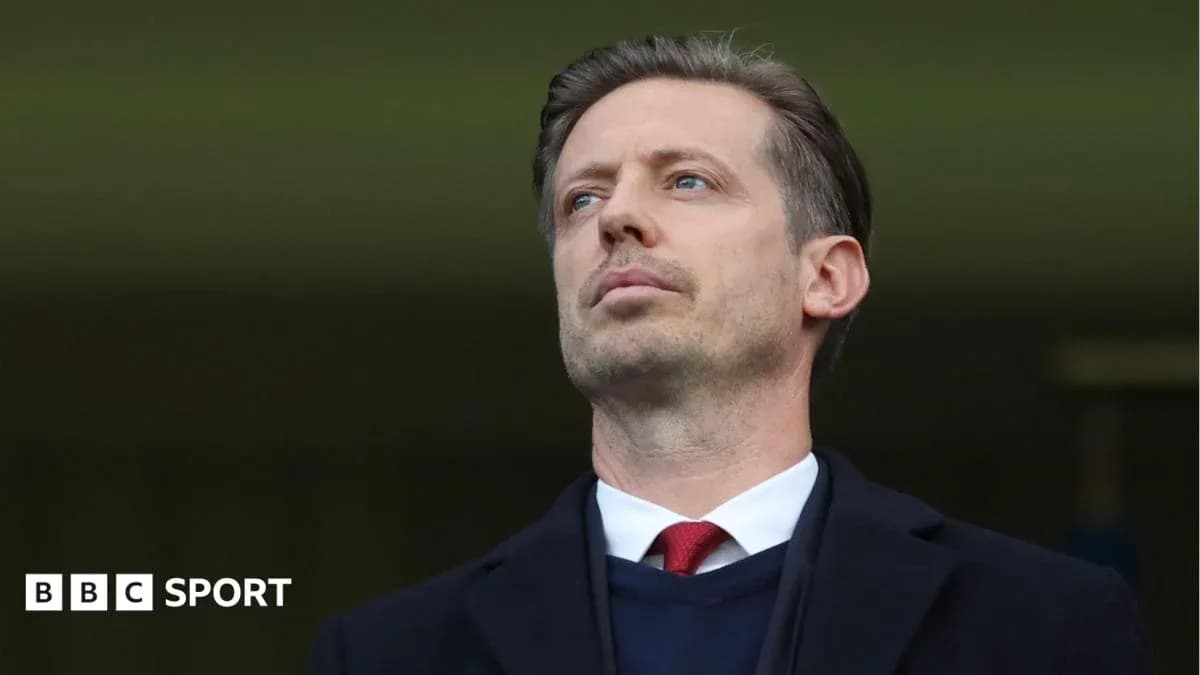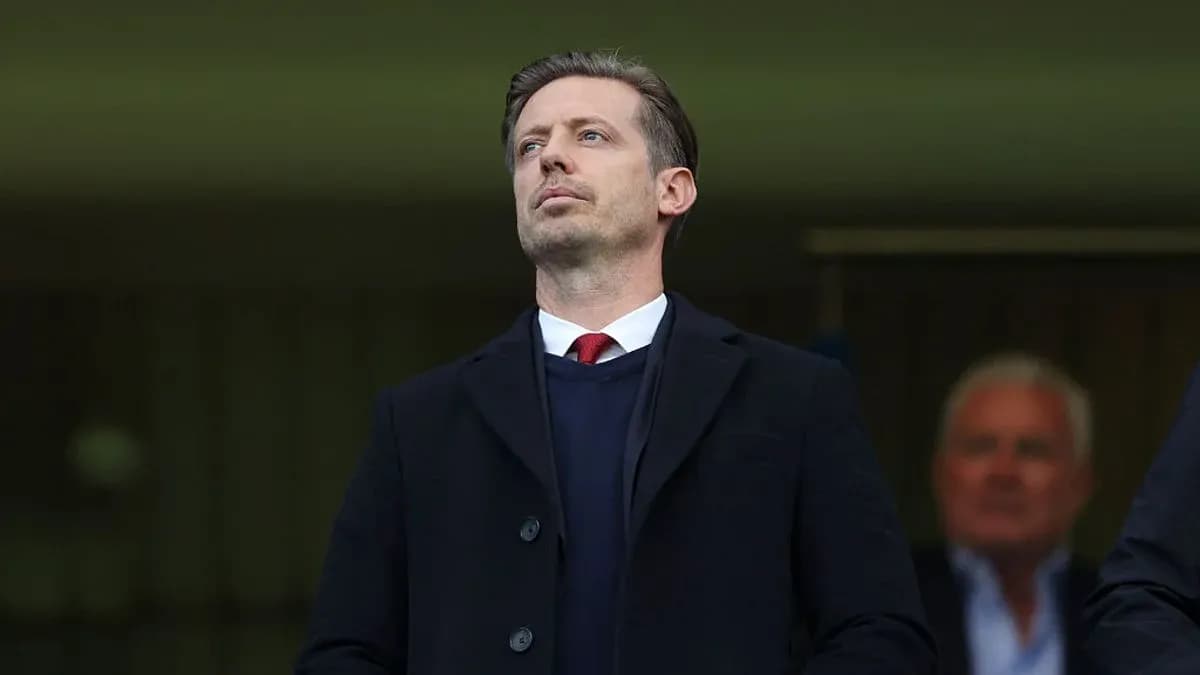
Michael Edwards' Frustrating Return to Liverpool
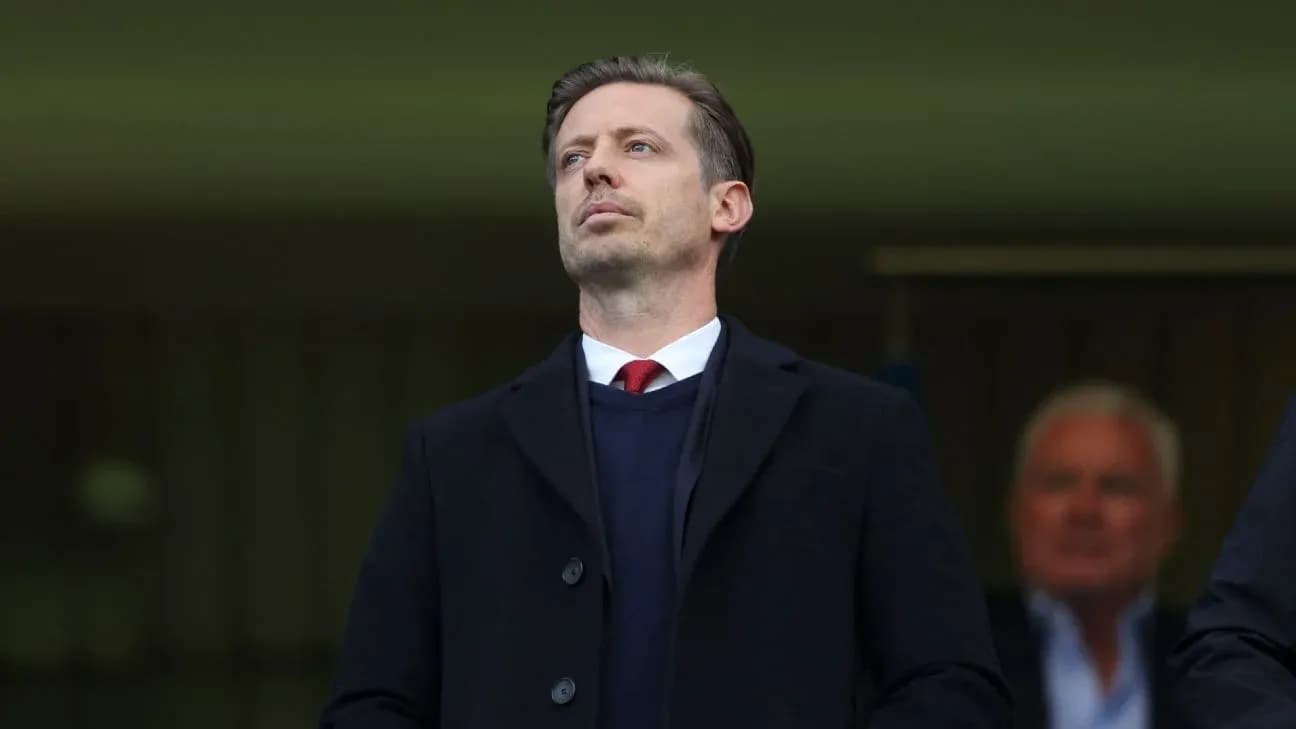
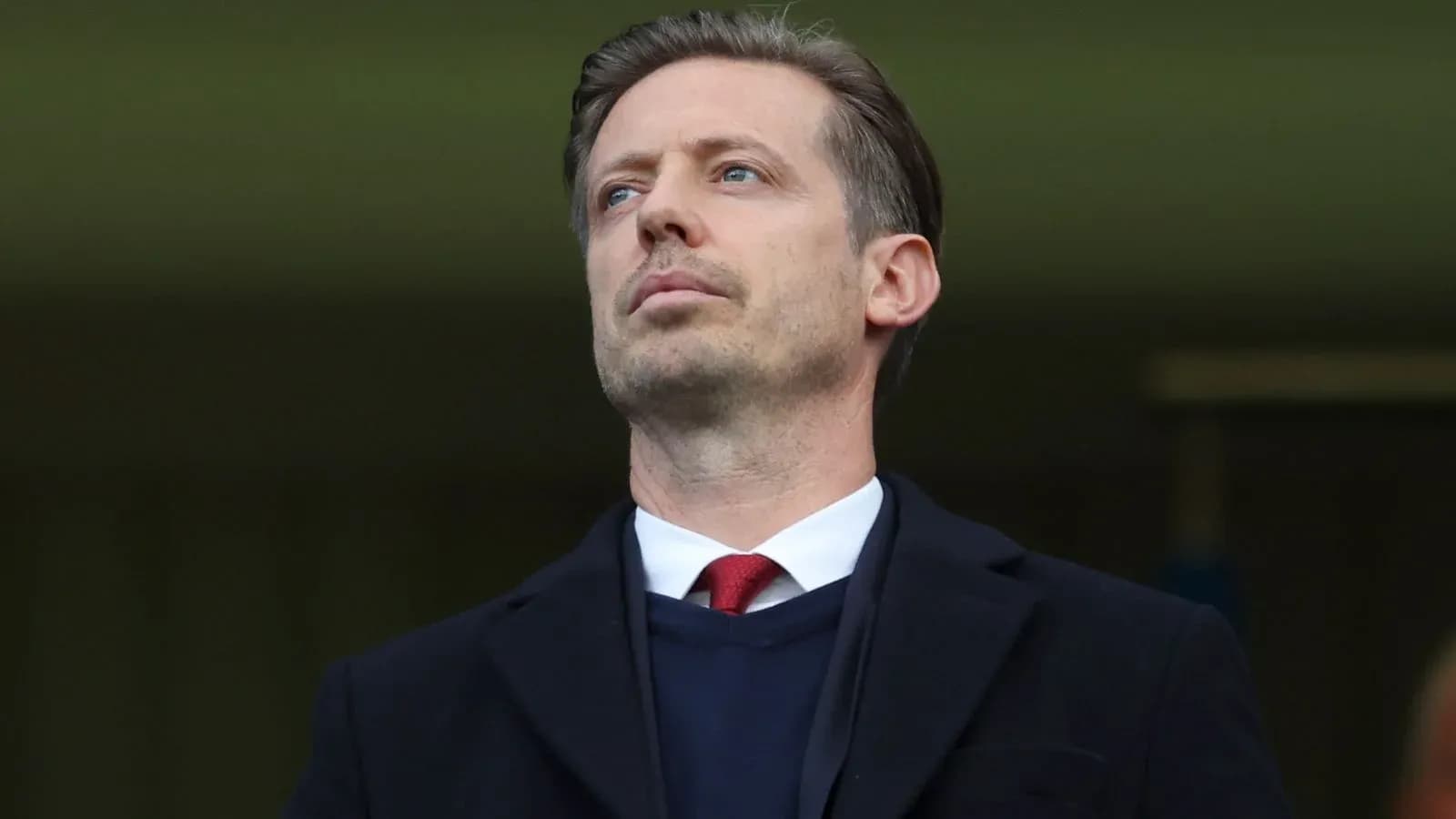
Michael Edwards’ second act at Liverpool was supposed to be bigger, broader and bolder. Instead, it has ended early, clouded by frustration and unfulfilled promises at the very top of Fenway Sports Group.
When Edwards returned in 2024, two years after stepping away as Liverpool’s transformative sporting director, he did not come back for a simple reprise. This was a promotion in scope and ambition: CEO of football at FSG, charged not just with guiding Liverpool beyond the Jurgen Klopp era, but with helping build a multi-club empire to rival Europe’s most aggressive operators.
That vision never materialised.
A grand plan that stalled
Central to Edwards’ comeback was the promise that FSG would acquire at least one more European club, forming the backbone of a multi-club model. It was a project he considered crucial, a structure that would allow Liverpool and FSG to compete in a landscape increasingly shaped by sprawling networks and shared resources.
Two years on, no such club has been bought. The plans, once presented as a key part of FSG’s future, appear to have drifted to the margins. According to reports, that failure to follow through left Edwards “frustrated” and ultimately pushed him towards the exit, a year before his contract was due to end.
For a figure as meticulous and strategic as Edwards, the gap between promise and delivery proved too wide.
From transfer architect to boardroom power
Edwards’ standing at Liverpool was built on the pitch, or more accurately, in the market. During most of Klopp’s tenure, he operated as sporting director, the quiet force behind a series of era-defining signings: Mohamed Salah, Sadio Mane, Andy Robertson and others who turned Liverpool from hopefuls into serial contenders.
When he walked away in 2022, his reputation was such that both Manchester United and Chelsea tried to lure him. He resisted then. It took the scale of FSG’s proposed football project to bring him back.
This time, though, his role was different. He was no longer simply Liverpool’s transfer chief. He was working above the club, closer to ownership, tasked with shaping FSG’s entire football strategy. The multi-club model was not a side project; it was the hook.
As he put it in his parting statement, he had been “excited not only by the opportunity to help guide Liverpool through an important period of transition, but also by the chance to help shape FSG’s wider football ambitions.”
Those ambitions changed. Or, at least, they stalled.
“While that broader project ultimately evolved differently to how we had originally envisaged,” Edwards said, “I am proud of the work our team undertook in presenting ownership with a broad range of thoughtful and well-developed options for the future.”
The message was polite. The subtext was clear. The ideas were there. The backing was not.
Hughes in, Hughes out
One of Edwards’ first major moves on his return was to bring in Richard Hughes as Liverpool’s sporting director. Hughes, who had worked with Andoni Iraola at Bournemouth, arrived with a strong reputation and was widely seen as the man to oversee recruitment in the new era.
At Liverpool, Hughes was expected to have full control of transfers — a level of authority he did not quite enjoy at Bournemouth. The structure looked clean: Edwards and FSG at the top, Hughes handling the day-to-day football decisions at Anfield.
That, too, is now unravelling. Hughes is reportedly set to leave at the end of the summer to join Al-Hilal, another key figure moving on before the project truly settles.
The result is a club and ownership group once again reshuffling their hierarchy, just as they were supposed to be entering a period of stability after Klopp.
Gordon steps back in
With Edwards departing and Hughes on his way, FSG have turned again to a familiar face. Mike Gordon, the FSG president who has long been a central figure in Liverpool’s modern era, is expected to resume running the club’s day-to-day operations. He has done the job before and knows the terrain, but his return underlines how quickly the grand redesign has been rolled back.
Edwards, for his part, leaves with his public dignity intact. His statement was gracious, praising “outstanding people, a clear direction and the foundations in place for continued success,” and reserving special thanks for Mike Gordon, John Henry, Tom Werner and the supporters “whose passion makes this club so special.”
“It has been a privilege to return to Fenway Sports Group and Liverpool Football Club at such an important moment,” he said. “I will always be grateful to have been part of its story.”
Yet the story of his second spell is one of what might have been. A multi-club model that never took shape. A sweeping vision that never quite left the page.
Liverpool remain strong on the pitch and stable enough off it, but as rivals build networks across continents, the question lingers: will FSG match that scale of ambition, or has one of the sharpest minds in modern football just walked away from the clearest chance to do exactly that?