Liverpool Faces Turbulence as Michael Edwards Resigns
Liverpool have grown used to change on the pitch. This summer, the real turbulence is upstairs.
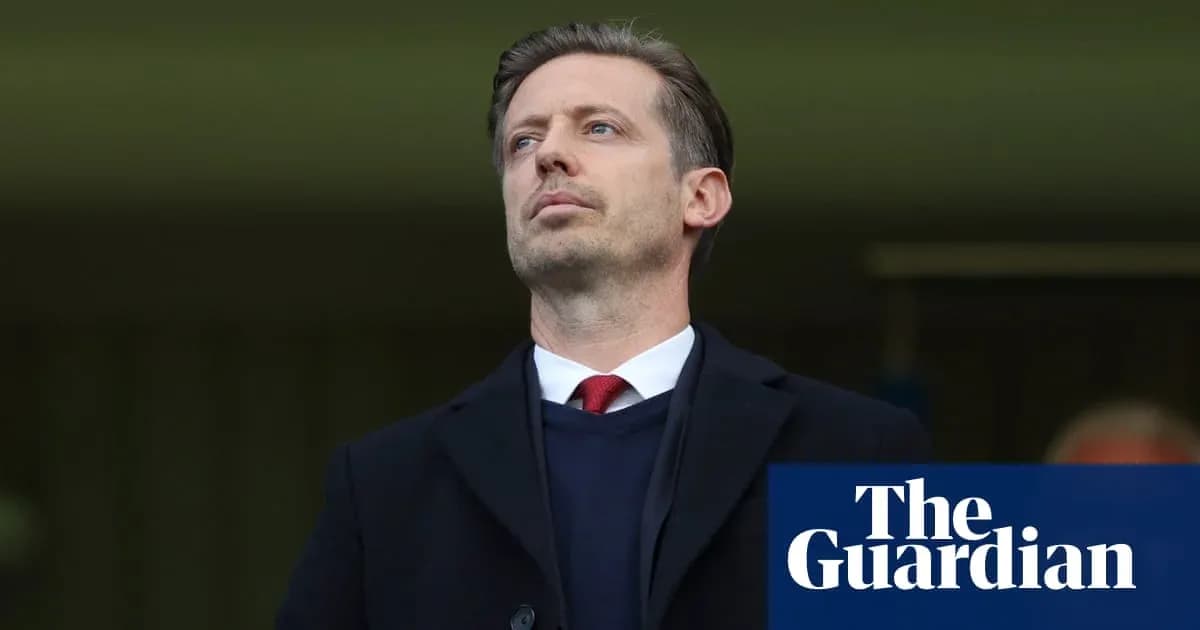
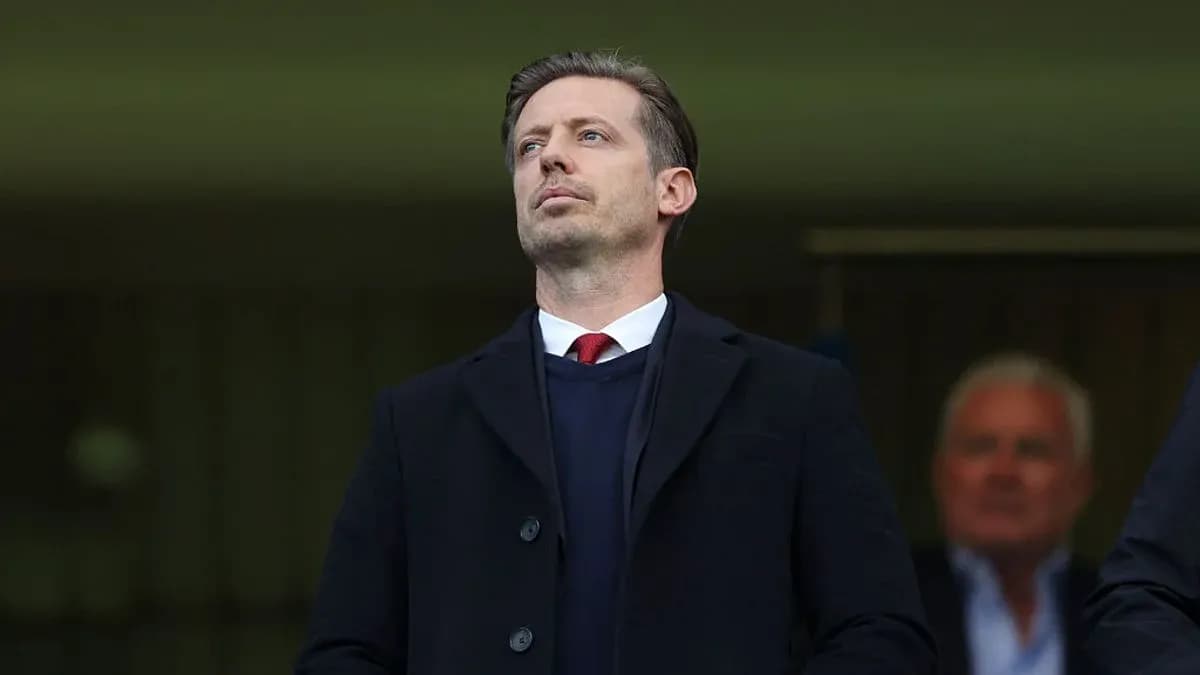
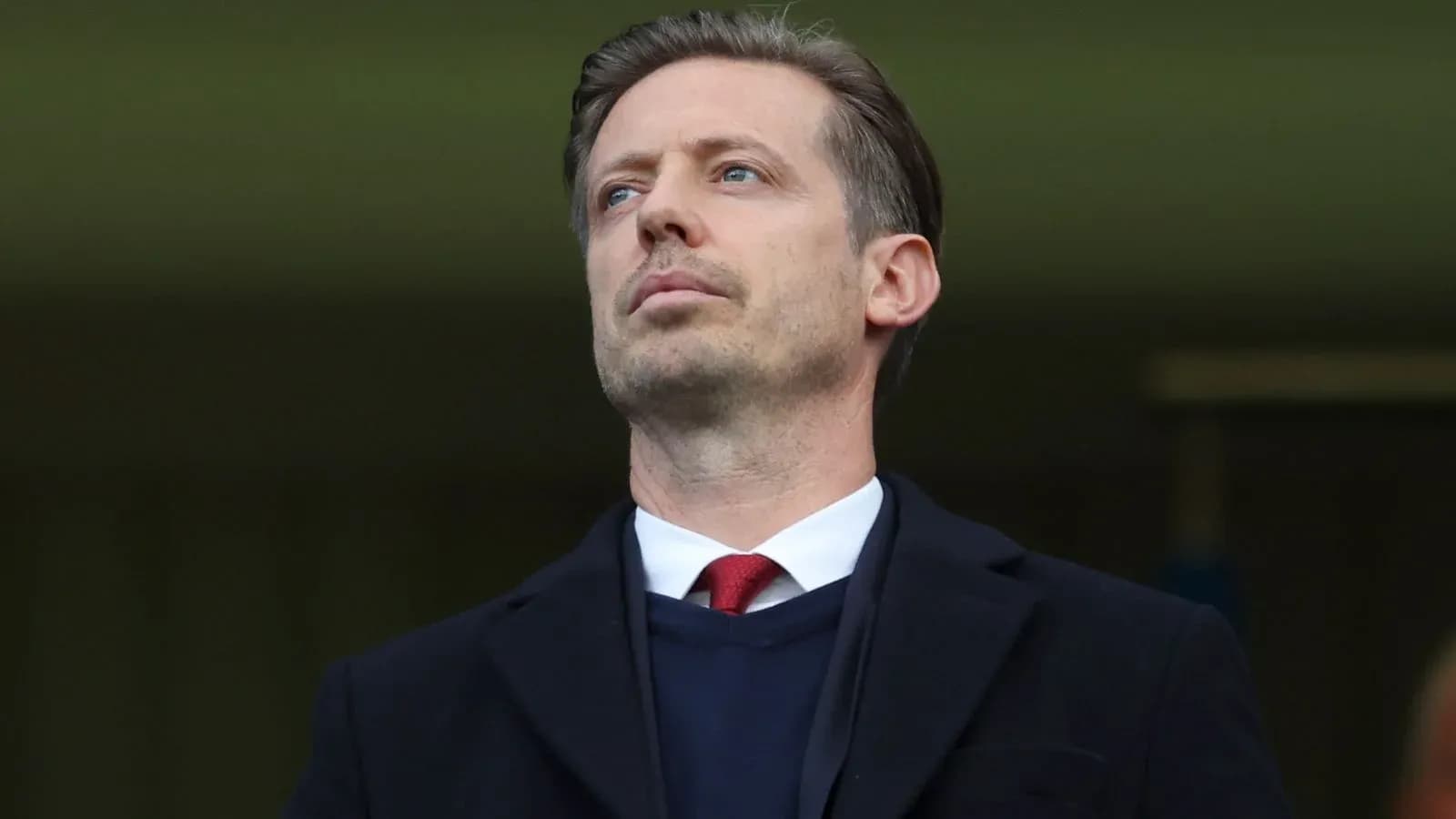
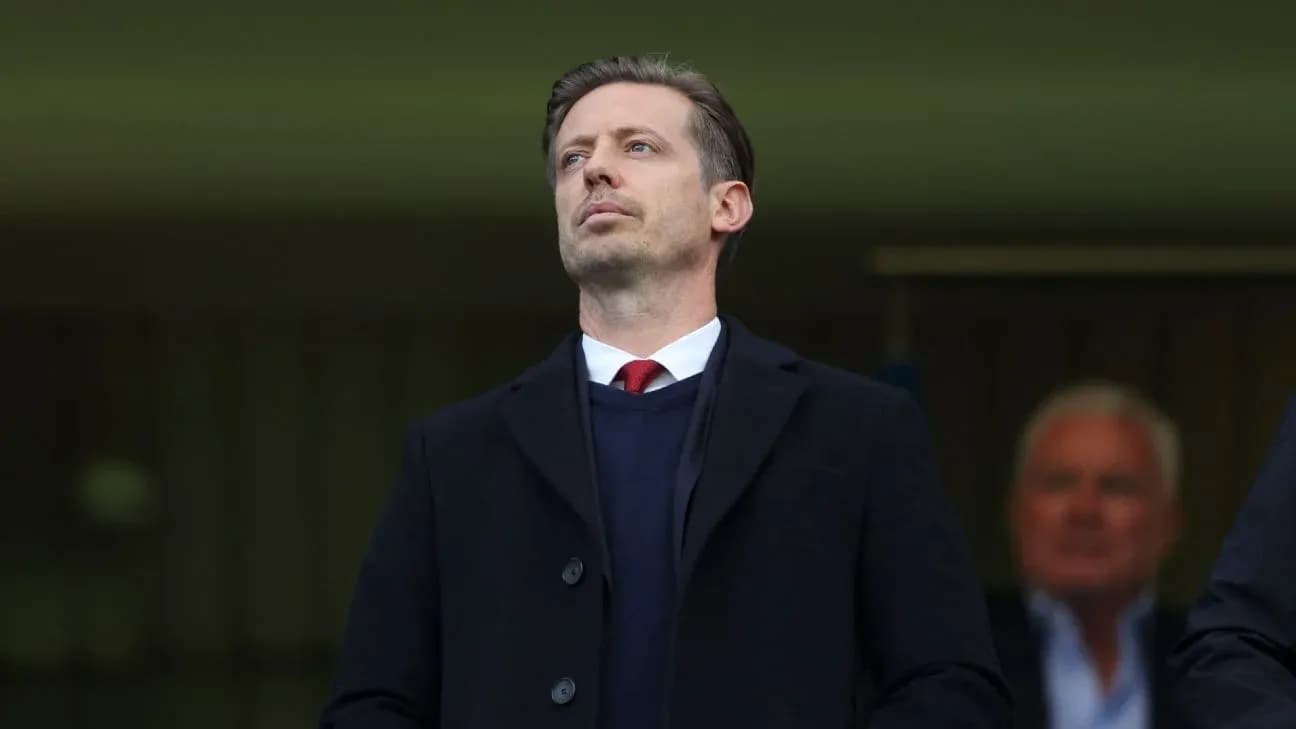
Michael Edwards, the architect of much of Liverpool’s modern football operation and until now the chief executive officer of football for Fenway Sports Group, has resigned and left immediately, a year before his contract was due to expire.
His exit rips out a key pillar of FSG’s grand multi-club vision before it ever truly took shape.
A project that never got off the ground
Edwards had returned to FSG in 2024 after his celebrated spell as Liverpool’s sporting director under Jürgen Klopp, this time with a broader brief: to lead the owners’ push to acquire a second club and build a wider football portfolio.
The mandate was clear. The execution never arrived.
FSG scoured the market, running the rule over more than 20 potential acquisitions. Bordeaux were studied. Málaga were considered. Other options came and went across Europe. The owners weighed models and markets, looked at valuations and pathways, then quietly parked the plan earlier this year.
For Edwards, that stall was decisive. Sources told ESPN that Liverpool’s American ownership tried to talk him round, but his frustration at the lack of tangible progress on expansion proved too deep. He tendered his resignation and walked away.
FSG, in a statement on Friday, framed the move as “the culmination of a planned transition following the completion of key strategic priorities.” Behind the polished wording lies a simple reality: the man hired to spearhead the next phase of their football empire is gone before phase one truly began.
Gordon steps in, questions mount
In the vacuum, FSG president Mike Gordon is expected to step back into a more hands-on role in Liverpool’s day-to-day running. Gordon has long been a central figure in the club’s strategic direction; his re-emergence signals a return to a more traditional, ownership-driven structure at Anfield.
It comes at a moment when the club already feels in flux.
On the touchline, Arne Slot is out and Andoni Iraola is in, the former AFC Bournemouth manager now charged with refreshing a squad that has already lived through one seismic transition from the Klopp era. In the corridors of power, the uncertainty runs deeper.
Sporting director Richard Hughes, who appointed Iraola and whose deal runs to the summer of 2027, is being linked with Saudi Pro League giants Al Hilal. His long-term future is no longer being taken for granted. If Hughes were to follow Edwards out of the door, Liverpool’s carefully constructed football hierarchy would be ripped up in the space of a few months.
This is not the smooth, incremental evolution FSG like to talk about. It is something more jagged, more exposed.
Legacy and frustration
Edwards’ influence on Liverpool’s modern story is beyond dispute. During his previous spell as sporting director, he helped build the framework that took the club to the Premier League title in 2025 and turned their recruitment operation into one of the most admired in Europe.
His return in 2024 was seen as a coup, a sign that FSG were serious about a sophisticated, data-led, multi-club future. Instead, his second stint has ended in boardroom deadlock and a swift exit.
In his parting statement, Edwards struck a diplomatic tone.
“It has been a privilege to return to Fenway Sports Group and Liverpool Football Club at such an important moment,” he said, insisting he leaves believing Liverpool are “in a strong position, with outstanding people, a clear direction and the foundations in place for continued success.”
He spoke of the excitement he felt at guiding Liverpool through a period of transition while also shaping FSG’s “wider football ambitions,” before acknowledging that “the broader project ultimately evolved differently to how we had originally envisaged.”
The work, he added, had at least provided ownership with “a broad range of thoughtful and well-developed options for the future.”
There was gratitude for Mike Gordon, John Henry, Tom Werner, and the wider FSG and Liverpool staff. Above all, there was a nod to the supporters, “whose passion makes this club so special.” Then the door closed behind him.
Anfield at a crossroads
Strip away the polite language and one picture remains: Liverpool’s owners wanted a network; they now have a single club, a shelved expansion plan, and a reshuffled power structure.
Edwards’ departure does not leave Liverpool in crisis. The squad is competitive, the club remains financially robust, and the infrastructure he helped build still stands. But the sense of a clean, controlled handover into a new era has been shattered.
Iraola must bed in his ideas. Hughes’ future needs clarity. Gordon will take on more weight. And FSG, having failed to land the second club they chased across Europe, must decide what their next big play really is.
The transition at Anfield is no longer just about the dugout. It runs straight through the boardroom, and the next decisions will define whether Liverpool’s recent success becomes a platform — or a high-water mark.