Martin Odegaard's Stellar Performance Signals Arsenal's Midfield Dominance
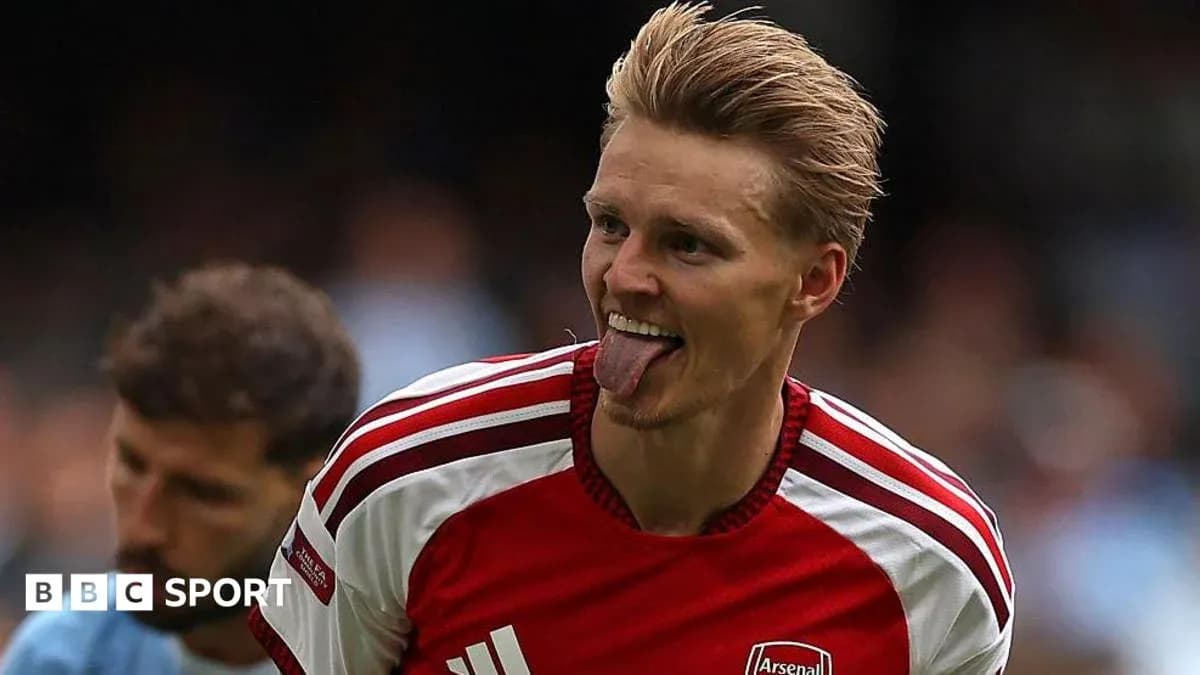
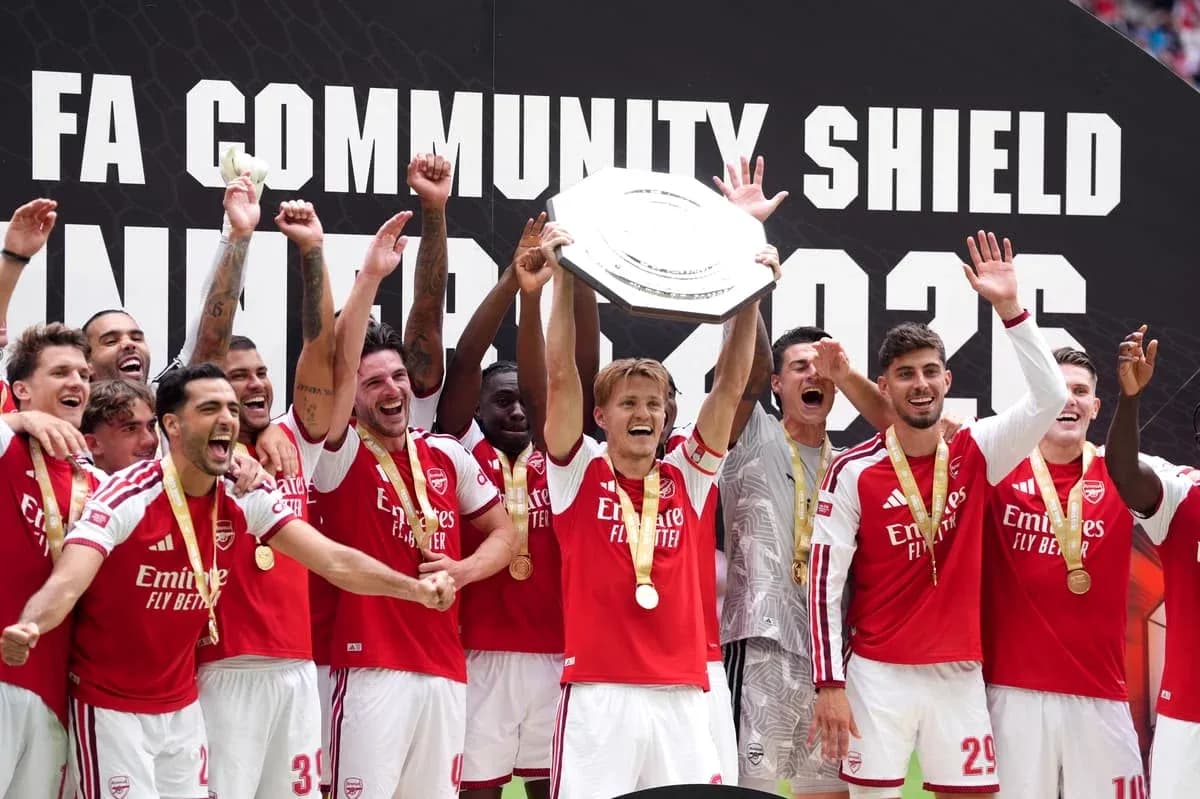
Martin Odegaard walked off in Cardiff with the Community Shield trophy in one hand and the man-of-the-match award in the other. The bigger prize for Arsenal, though, might be what his performance hinted at: their chief creator looks ready to be himself again.
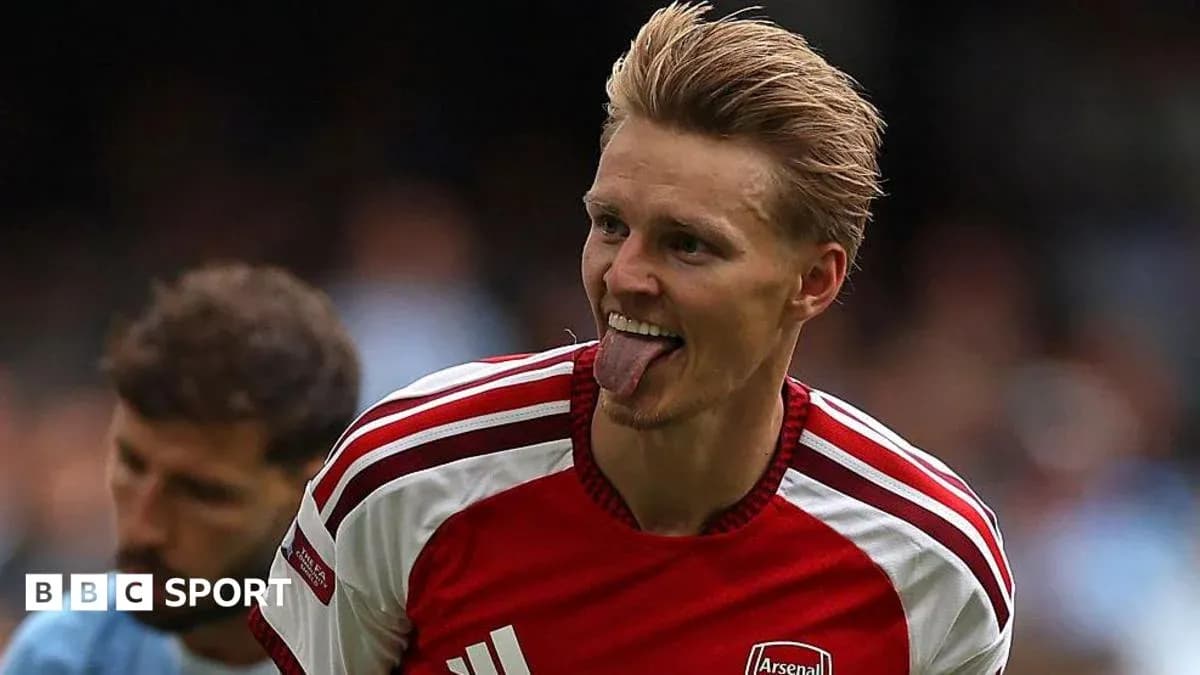
Arsenal’s 3-0 dismantling of Manchester City was a statement in its own right. Odegaard turned it into something more. He pressed, he probed, he dictated. Then, late on, he added the flourish – a ruthless third goal, freezing Gianluigi Donnarumma with a dummy that sent the City goalkeeper to the turf before he calmly finished.
For a player who spent most of last season wrestling with his own body, it felt like a release.
From frustration to freedom
Arsenal may have ended their 22-year wait for a Premier League title last season, but it was a campaign Odegaard watched in fragments. Knee and shoulder problems cut into his rhythm, his influence, and his numbers.
He started only 16 league games. One goal. Seven assists. For a player who has been central to Mikel Arteta’s rebuild since joining permanently from Real Madrid in 2021-22, those were jarringly low returns.
His quality was never really in question, yet his consistency was. So was his armband. Pundits debated whether he should remain captain when he could barely stay on the pitch.
Cardiff did not end that conversation. It changed its tone.
On Sunday, Odegaard was everywhere. Among Arsenal’s players, he completed the most passes (55 of 58), the most dribbles (three out of three) and won possession more than anyone else in red – nine times. He didn’t just knit the game together; he set its tempo.
Sometimes a player looks like he’s chasing fitness. This looked like a player already ahead of schedule.
A midfield built to dominate
Arteta has not stood still since lifting the league trophy. He has gone and added more firepower to an already stacked midfield, dropping £75m on Bruno Guimaraes to deepen an area that Mikel Merino has called “probably the best in football”.
It is a bold claim, but the names make it hard to dismiss. Odegaard, Guimaraes, Myles Lewis-Skelly, Martin Zubimendi, Declan Rice, Eberechi Eze, Merino. That is a rotation built to suffocate opponents and stretch them in every direction.
Guimaraes impressed in his 45 minutes against City, snapping into challenges and sliding passes through the lines. The early signs of an understanding with Odegaard were clear: one dropping in to receive, the other drifting into half-spaces, then swapping roles without a word.
The pressure finally told in the second half. Arsenal’s midfield triangle kept turning City around, and Odegaard thrived at the heart of it, always offering, always demanding the ball.
With this level of competition behind and around him, the question flips. Not whether Odegaard can keep his place, but whether the challenge will drag an even higher level out of Arsenal’s captain.
Using the pain as fuel
If he plays like this, it will be easy to forget how much last season hurt him.
“Last year was really a big struggle with a lot of difficult moments. To miss so many games because of injury was really frustrating,” Odegaard admitted after the match. He called his setbacks “weird injuries” and “bad luck”, the kind that can gnaw away at a player’s confidence as much as their body.
Yet he finished the campaign fit, helped Arsenal over the line in the title race, and then carried that form into the World Cup with Norway. Five starts in six games. Four assists. A reminder on the international stage of what he can do when his legs cooperate.
“It was good for me to end the season with a title, here, and then a good World Cup. Then I had my break and I feel good, ready to go again,” he said. The key, in his words, has been to turn that misery into motivation: “to come back stronger” and “use all of those experiences in a positive way”.
On Sunday, that resolve showed. This was not a player easing his way back. This was a captain grabbing the game and bending it to his will.
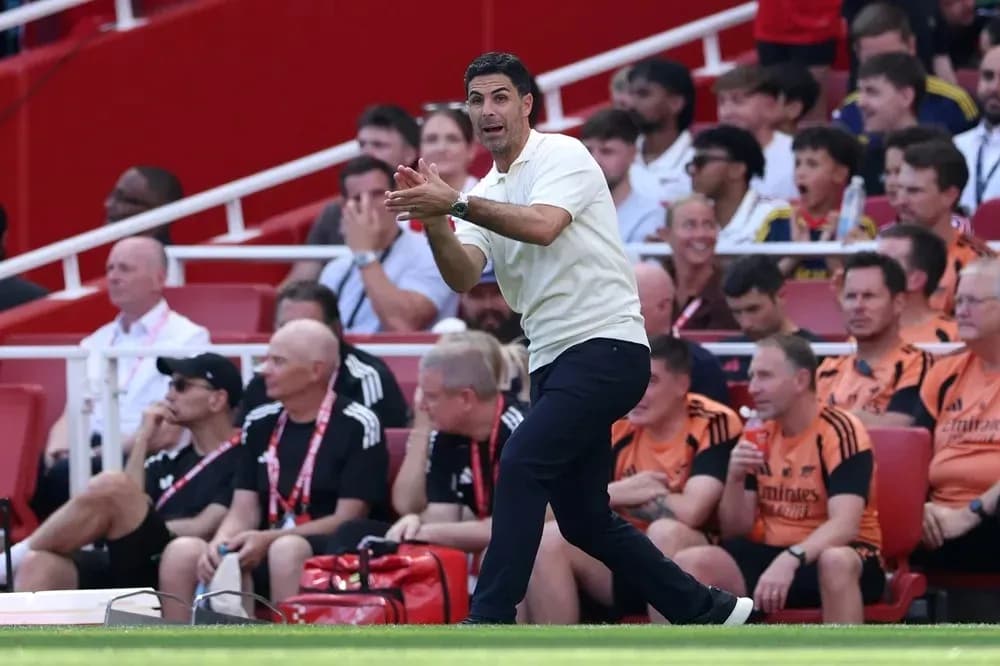
Arteta senses “something else”
Arteta has seen the difference up close.
“Well, he missed five or six months for different things and it was extremely difficult for him to get any momentum,” the Arsenal manager said. There was no dressing up how disruptive last season had been.
Now, though, Arteta sounds convinced that a fit Odegaard changes the picture completely. “I’m sure this year if we can maintain him fit, available with the players around him, we’re going to see a very different Martin,” he said.
The Spaniard spoke of a fire he noticed from the first day of pre-season. “He has something else on the belly that he wants to prove and show, because the team needs it as well.”
You could see that edge in Cardiff. Odegaard talked about being “in the flow”, about the whole team “flowing pretty good out there”. It did not sound like a player satisfied with a curtain-raiser. It sounded like someone who has decided this season will not drift away from him.
Odegaard was one of the first pillars of Arteta’s rejuvenated Arsenal. Surrounded now by a midfield that might be the deepest in Europe, sharper in body and mind, he suddenly looks less like a player returning from injury and more like something else entirely.
For a manager who has just added a £75m playmaker to an already loaded engine room, the most dangerous “new signing” might still be the one wearing the captain’s armband.